Taking care of your hair is essential for maintaining its health and shine. However, many people unknowingly commit common haircare mistakes that can lead to breakage. For instance, inadequate cleansing can cause product buildup, which may irritate your scalp. Furthermore, frequent use of thermal styling tools can damage your hair’s cuticle, making it fragile. Recognizing these habits is crucial. By making small adjustments to your routine, you can keep your hair looking vibrant and strong.
Key Takeaways
Avoid overwashing your hair to maintain its natural oils. Adjust your washing frequency based on your hair type for optimal health.
Use gentle drying techniques, like microfiber towels or air-drying, to minimize friction and prevent breakage.
Always apply heat protectants before using styling tools. This simple step can significantly reduce heat damage.
Detangle your hair carefully when it’s dry or use a detangling product on wet hair. This prevents unnecessary breakage.
Never skip conditioner. It hydrates your hair and helps prevent dryness and breakage, keeping your hair strong and shiny.
Overwashing
Stripping Natural Oils
Overwashing your hair is one of the most common haircare mistakes you can make. When you wash your hair too often, you strip away its natural oils, known as sebum. These oils are essential for keeping your hair healthy and strong. Without them, your hair can become dry and brittle, leading to breakage.
Here’s what happens when you overwash:
Your scalp produces natural oils to protect and nourish your hair.
Frequent washing removes these oils, which can lead to dryness and damage.
As a result, your hair may become more prone to tangling and breakage.
If you notice signs like constant tangling, a lack of moisture on your scalp, or split ends, you might be overwashing. These symptoms indicate that your hair is losing its natural protection and is at risk of breakage.
Recommended Washing Frequency
So, how often should you wash your hair? It really depends on your hair type. Here’s a quick guide to help you determine the best washing frequency for your hair:
Hair Type | Recommended Washing Frequency |
|---|---|
Fine or Thin Hair | Every other day or daily if oily |
Thick or Coarse Hair | Once or twice a week |
Curly Hair | Once or twice a week |
Oily Hair and Scalp | Daily or every other day |
Dry or Damaged Hair | 1 or 2 times per week |
Active Lifestyles | After intense workouts or swimming |
Keep in mind that environmental factors can also influence how often you should wash your hair. For example, if you live in a humid area, you might find that your hair feels greasier more quickly. On the other hand, pollution can build up on your scalp, making it necessary to wash your hair more often to maintain its health.
Finding the right balance is key. By adjusting your washing routine based on your hair type and lifestyle, you can help prevent breakage and keep your hair looking its best.
Improper Drying
Friction Damage
One of the most common haircare mistakes you might be making is aggressive towel-drying. When you rub your hair with a rough towel, you create friction that can damage the hair cuticle. According to Leon Van-Gorkom, a senior manager of hair care at Unilever Research and Development, vigorous towel-drying is harmful. When your hair is wet, it swells, and the cuticle lifts slightly, making it more vulnerable to damage. The friction from rubbing a towel against wet hair can lead to erosion of the cuticle, resulting in breakage and even hair loss.
Better Drying Techniques
So, what can you do instead? Here are some better drying techniques to help you minimize breakage:
Use a Microfiber Towel: These towels absorb more water and reduce drying time. Their smaller fibers create less friction, which means less damage to your hair.
Gentle Absorption: Instead of rubbing, gently squeeze out excess water. Press the towel against your hair to absorb moisture without causing friction.
Air-Drying: Shake your hair to promote air circulation. This method allows your hair to dry naturally, reducing the risk of heat damage.
Blow-Drying: If you prefer blow-drying, start with semi-dry hair. Use a heat protectant and keep the dryer at a safe distance to minimize damage.
Additionally, consider using silk pillowcases. They help retain moisture and minimize friction while you sleep, further protecting your hair from breakage.
By adopting these techniques, you can significantly reduce the risk of breakage and keep your hair looking healthy and vibrant.
Heat Styling
Damage from High Temperatures
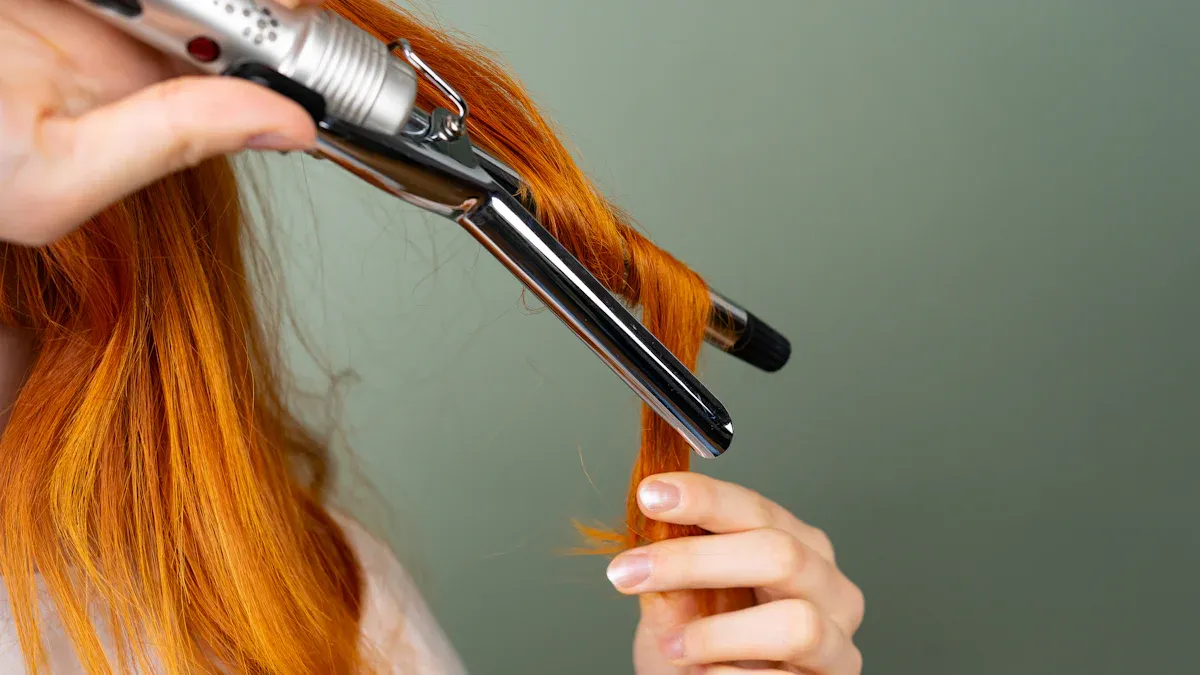
Heat styling can be a double-edged sword. While it helps you achieve beautiful hairstyles, it can also lead to significant damage if you’re not careful. When you use tools like flat irons, curling irons, or blow dryers, you expose your hair to high temperatures. This exposure can weaken your hair and cause breakage over time.
Did you know that certain temperature thresholds can be damaging? Here’s a quick look at how heat affects different hair types:
Hair Type | Recommended Heat Setting |
|---|---|
Genetically Dry | Lower heat settings to prevent damage. |
Temperature (°C) | Effect on Hair |
|---|---|
Above 140 | Keratin strands begin to change shape, leading to weaker hair and loss of elasticity. |
Temperature (°F) | Effect on Hair |
|---|---|
Above 451 | Hair starts to melt, indicating extreme damage. |
Temperature Range (°F) | Recommended for Hair Type |
|---|---|
250 – 425 | Common range for straighteners; stay below 300-395°F to avoid burning hair. |
As you can see, using high heat can lead to irreversible damage. Your hair can lose its strength and elasticity, making it more prone to breakage.
Importance of Heat Protectants
To combat the damaging effects of heat styling, using heat protectants is essential. These products create a barrier that helps shield your hair from high temperatures. In fact, heat protectant products provide approximately 50% protection against heat damage, helping to protect the hair cuticle and reduce moisture evaporation.
Here are some common heat styling tools that can contribute to hair breakage:
Blow dryers
Flat irons
Curling irons
To minimize damage, consider these tips from professional stylists:
Use heat protectants: Always apply a heat protectant product before using heated tools to create a barrier that seals in moisture.
Invest in quality styling tools: High-quality tools distribute heat evenly and often have adjustable settings.
Avoid styling wet hair: Ensure hair is 70-80% dry before applying heat to prevent damage.
Incorporate heat-free days: Try to have days without heat styling to reduce cumulative damage.
Use hair masques for repair: Regularly apply hair masques to restore moisture and combat brittleness.
Book regular trims: Get trims every 6-8 weeks to remove damaged ends.
By following these tips and using heat protectants, you can enjoy your favorite styles while keeping your hair healthy and strong. Remember, heat styling doesn’t have to be a haircare mistake if you take the right precautions!
Wet Brushing

Fragility of Wet Hair
Brushing your hair when it’s wet can lead to serious breakage. Did you know that wet hair is actually more fragile than dry hair? When your hair is wet, it swells, and the cuticle opens up. This makes the strands stretchier but also more vulnerable. Here are some reasons why brushing wet hair is a bad idea:
Wet hair is only about one-third as strong as dry hair.
The brush pulls on swollen, weakened strands, causing them to stretch beyond their capacity.
Rough brushing can lead to frizzy ends and breakage.
If you’ve ever noticed more hair in your brush after a shower, this could be why. You might be unintentionally contributing to hair loss by brushing when your hair is at its weakest.
Safe Detangling Methods
So, how can you safely detangle your hair without causing damage? Here are some effective methods to keep your hair healthy:
Use a Detangling Product: Consider applying a product like TO112 Anti-Breakage Detangler. This lightweight leave-in conditioner contains tamanu oil, which helps strengthen and protect your hair.
Detangle in Sections: Start from the ends and work your way up. This method prevents further tangling and reduces the risk of breakage.
Choose the Right Brush: Opt for a wide-tooth comb or a brush designed for wet hair. These tools minimize damage and help you glide through knots more easily.
By following these tips, you can keep your hair looking its best while avoiding the common haircare mistake of wet brushing. Remember, taking a little extra time to care for your hair can make a big difference in preventing breakage!
Skipping Conditioner
Moisture Retention
Skipping conditioner is a common mistake that can lead to serious hair issues. Conditioner plays a crucial role in keeping your hair hydrated. When you wash your hair, shampoo removes dirt and oil, but it also strips away moisture. Without conditioner, your hair becomes dry and loses its elasticity. This lack of hydration makes your hair more prone to breakage. You might notice that your hair feels rough or looks dull if you skip this important step.
Choosing the Right Conditioner
Choosing the right conditioner can make all the difference in preventing hair breakage. Here’s a quick table of effective ingredients to look for:
Ingredient | Benefit |
|---|---|
Coconut oil | Repairs damage, restores moisture, reduces frizz, promotes healthy growth |
Aloe vera | Provides hydration and nourishment to the hair |
Glycerin | Acts as a humectant, drawing moisture into the hair shaft |
Keratin | Restores natural structure, fortifies follicles, decreases breakage |
Shea butter | Deeply conditions, repairs damage, creates a protective barrier |
When you pick a conditioner, consider your hair type. For example, coarse hair often struggles to retain moisture, while fine hair can become weighed down without proper conditioning. If you consistently skip conditioner, you might face long-term effects like dry, frizzy hair, increased breakage, and a lack of shine.
To keep your hair healthy, make sure to include regular trims in your routine. Trimming helps remove split ends and keeps your hair looking fresh. Remember, a little extra care goes a long way in maintaining your hair’s health!
You’ve learned about several common haircare mistakes that can lead to breakage, like overwashing, improper drying, and skipping conditioner. Now it’s time to evaluate your own routine. Consider making small changes, such as using a nourishing hair mask once a week or sleeping on silk pillowcases to reduce friction. Remember, consistency is key! Sticking to a regular haircare routine can significantly improve your hair’s health over time.
By being mindful of these tips, you can enjoy stronger, healthier hair that shines with vitality.
Tip: Regular trims every eight to twelve weeks can help manage split ends and prevent further damage.
FAQ
What causes hair breakage?
Hair breakage often results from excessive heat styling, overwashing, or using harsh products. These habits strip moisture and weaken the hair structure, making it more prone to damage.
How can I prevent hair breakage?
To prevent hair breakage, maintain a balanced haircare routine. Avoid overwashing, use heat protectants, and always condition your hair. Regular trims also help keep your hair healthy.
Is it okay to brush wet hair?
Brushing wet hair can lead to breakage since wet strands are more fragile. Instead, use a wide-tooth comb and detangle gently, starting from the ends.
How often should I wash my hair?
Washing frequency depends on your hair type. Fine hair may need washing every other day, while thick or curly hair can be washed once or twice a week.
What role does conditioner play in hair health?
Conditioner helps retain moisture and smooths the hair cuticle. Skipping it can lead to dryness and increased breakage, so always include it in your routine.