Understanding how climate and weather affect hair health is essential for maintaining your hair’s beauty and integrity. Different climates present unique challenges. For instance, dry air can lead to brittle hair, while humid conditions often cause frizz and reduced volume. You may also face issues like tangling in windy areas or scalp irritation in arid regions.
Common misconceptions about climate include the belief that low humidity only leads to dehydrated strands. In reality, cold air can lift cuticles, causing dryness.
By recognizing these factors, you can tailor your hair care routine to suit your environment effectively.
Key Takeaways
Humidity can cause frizz and changes in hair texture. Use moisturizing products to combat these effects.
Protect your hair from UV damage by wearing hats and using hair sunscreen. This helps maintain color and strength.
Cold weather can dry out your hair. Use hydrating shampoos and deep conditioning treatments to retain moisture.
Wind can lead to tangling and breakage. Opt for protective hairstyles to shield your hair from harsh elements.
Adjust your hair care routine based on the season. Tailoring your approach helps maintain healthy hair year-round.
Humidity Effects
High Humidity Impact
High humidity can significantly affect your hair’s structure and texture. When humidity levels rise, moisture in the air disrupts the weaker hydrogen bonds in keratin, the protein that makes up your hair. This disruption causes your hair to swell, leading to lifted cuticles and, ultimately, frizz or curliness.
Hair absorbs moisture from the air, which can lead to:
Increased volume
Frizz and puffiness
Changes in hair texture
Dr. Joe Cincotta explains that when humidity penetrates the hair shaft, it causes the hair to swell and push up the cuticles. This effect is especially pronounced in porous or damaged hair. A study found that hair water regain increases linearly with relative humidity, indicating that higher humidity levels lead to greater moisture absorption, contributing to frizz and changes in hair volume.
Managing Humidity Challenges
Managing your hair in humid conditions requires a few strategic steps. Here are some effective tips to help you maintain your hair’s health and appearance:
Choose the Right Shampoo and Conditioner: Opt for moisturizing products that seal the hair cuticle and lock in hydration. Look for ingredients like argan oil, keratin, and glycerin.
Use Leave-In Treatments and Heat Protectants: Apply a leave-in conditioner or anti-frizz serum to damp hair to create a barrier against moisture.
Incorporate Deep Conditioning and Hair Masks Weekly: Use deep conditioning treatments or hair masks rich in natural oils and proteins to nourish and strengthen your hair.
Opt for Protective Hairstyles: Styles like braids or buns minimize exposure to moisture and reduce tangling.
Avoid Over Washing Your Hair: Limit washing to every other day to maintain natural oils and reduce frizz.
Dermatologists recommend additional strategies for reducing humidity-induced hair problems. Here’s a quick overview:
Tip | Description |
|---|---|
Hydrate Inside & Out | Drink 8-10 glasses of water daily and use aloe vera or hyaluronic acid-based products. |
Protect from UV Rays | Wear a wide-brimmed hat or use UV-protective sprays; apply coconut oil before swimming. |
Avoid Heat Styling | Let your hair air dry; if using heat tools, apply a heat protectant spray. |
Choose the Right Products | Use sulfate-free shampoos and lightweight conditioners. |
Trim Regularly | Get a trim every 6-8 weeks to prevent split ends. |
By implementing these strategies, you can maintain a healthy moisture balance in your hair, even in high humidity. Remember, adapting your hair care routine to the climate and weather can make a significant difference in your hair’s health.
Temperature and Hair Growth
Heat Effects on Hair
High temperatures can significantly influence your hair and scalp health. When the weather heats up, your scalp may produce more oil as a protective response. This increased oil production can weaken hair follicles, leading to potential hair loss. Additionally, UV radiation exposure rises with heat, which can damage your scalp and hair.
Here are some key effects of heat on hair growth and scalp health:
Increased blood flow during warm weather enhances nutrient delivery to the scalp, potentially leading to slightly faster hair growth.
Vitamin D production boosts with sun exposure, which is essential for keratin regulation. A deficiency can lead to hair loss.
Humidity can trap sweat and bacteria on the scalp, clogging pores and potentially leading to hair thinning.
However, prolonged exposure to high temperatures can also cause dryness and damage. Here’s how:
Extreme heat can harm the cortex of your hair, leading to breakage.
Hair surfaces become more damaged as temperatures rise, resulting in a rough and dry appearance.
Continuous high heat exposure without protection can cause persistent dryness and loss of hair vitality.
Cold Weather Challenges
Cold weather presents its own set of challenges for hair health. Low temperatures can reduce blood circulation to your scalp, leading to less oxygen and nutrients for hair follicles. This can slow down natural hair growth. Additionally, cold air pulls moisture from your hair, making it dry and brittle. Indoor heating further decreases moisture levels, creating a double impact on hair health.
Here are some common issues you might face during winter:
Cold air can lead to scalp dehydration and irritation.
Fluctuating temperatures cause hair cuticles to expand and contract, weakening them and increasing porosity.
The increased resting phase of hair follicles during cold months can lead to more shedding.
To protect your hair during winter, consider these strategies:
Hydration: Use hydrating shampoos and conditioners. Weekly deep conditioning treatments can help retain moisture.
Heat Management: Wash your hair with lukewarm water. Use lower heat settings for styling tools to prevent damage.
Protection from Elements: Avoid going outside with wet hair. Use smoother fabrics for hats to reduce friction.
Regular Maintenance: Schedule regular haircuts to prevent split ends and damage.
Smoothing Treatments: Consider treatments to manage frizz caused by winter humidity.
Static Solutions: Use humidifiers and anti-static products to combat static electricity.
By understanding how temperature affects natural hair growth and implementing protective strategies, you can maintain healthy hair throughout the seasons. Adapting your hair care routine to the climate and weather changes will help you achieve better hair retention and overall scalp health.
Wind Damage to Hair
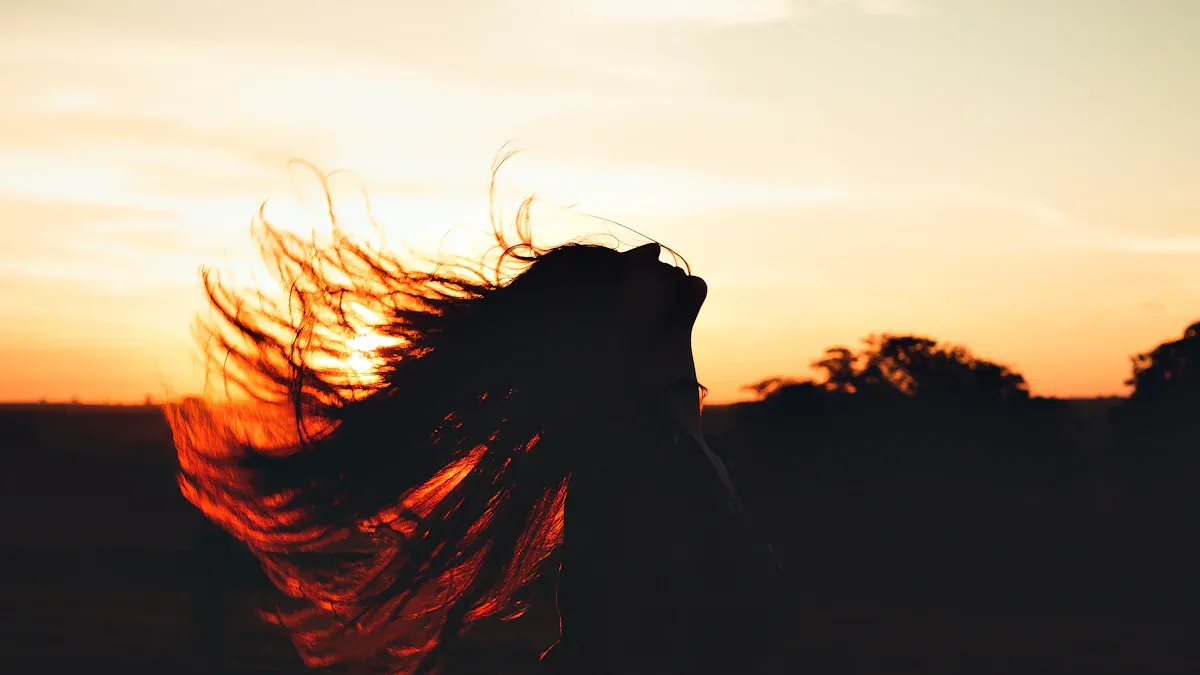
Wind Effects
Wind can be a significant factor in hair damage. When you step outside on a windy day, your hair faces stress from tangling and friction. This exposure can lead to split ends and shaft damage. Harsh winds can knot your hair, making it difficult to detangle without causing breakage. Additionally, dry, hot winds strip moisture from your scalp and hair cuticles, leaving them vulnerable to damage.
To minimize wind-related issues, consider these effects:
Increased tangling and knotting of hair strands.
Friction between hair strands leads to breakage and split ends.
Wind can dry out your hair, making it brittle.
Protective Styles
Adopting protective hairstyles can help shield your hair from wind damage. These styles keep your hair secure and reduce exposure to harsh elements. Here are some recommended protective styles:
Box braids, Knotless box braids, Marley twists: These styles are ideal for length retention and require low daily styling.
Bantu knots, Flat twists, Pineapple updo: Great for short-term protection with minimal weight.
Faux locs, Goddess braids, Passion twists: Fashion-forward options that offer long wear.
Jumbo cornrows, Jumbo braids, Side-swept cornrows: Quick to install and perfect for active days.
Using the right hair accessories can also help. For example, upgraded alligator clips can hold your hair securely in windy conditions, outperforming standard clips significantly.
To detangle your hair after exposure to wind, follow these best practices:
Treat your hair regularly with products suited to your hair type.
Use a wide-toothed comb or detangling brush, starting from the ends and working upwards.
Adopt gentle hair care practices, such as using satin or silk pillowcases to reduce friction.
Consider wearing hats to shield your hair from harsh weather.
By understanding how wind affects your hair and implementing protective styles, you can maintain healthier hair even in blustery conditions.
Sun Exposure and Hair Health
UV Damage
Sun exposure can harm your hair and scalp. Ultraviolet (UV) rays break down melanin, the pigment that gives your hair its color. This degradation leads to fading, especially in dyed and lighter hair. Prolonged exposure to UV rays also weakens hair proteins, making your strands dry and brittle. Here’s how UV damage affects your hair:
Impact on Hair Properties | Details |
|---|---|
Color | UV radiation degrades melanin, leading to color fading, especially in dyed and white hair. |
Mechanical Strength | UV exposure reduces the mechanical resistance of hair. |
Protein Content | Essential amino acids are broken down, affecting overall protein structure. |
You may notice that your hair feels rough and looks dull after spending time in the sun. This damage can lead to split ends and increased frizziness, making your hair harder to manage.
Sun Protection Tips
To protect your hair from UV damage, consider these effective strategies:
Use Hair Sunscreen: Apply products specifically designed to shield your hair from UV rays.
Wear Protective Headgear: Opt for wide-brimmed hats or scarves to cover your hair and scalp.
Hydrate Your Hair: Regularly use hydrating masks and conditioners to maintain moisture levels.
Limit Sun Exposure: Try to stay in the shade during peak sun hours, usually between 10 AM and 4 PM.
Style Smartly: Buns or braids can minimize sun exposure while keeping your hair secure.
Dermatologist Wilma Bergfeld, MD, notes, “Sun damage can come in the form of discoloration, dry and brittle strands, broken or split ends, thinning and frizziness.” By following these tips, you can help maintain your hair’s health and appearance, even in sunny weather.
Understanding how climate and weather affect your hair health is crucial. You must adapt your hair care routine to suit different conditions. For instance, in humid climates, use anti-frizz products and deep conditioning treatments. In colder areas, focus on moisture retention with protective hairstyles. Always protect your hair from UV damage during sunny days. By implementing these strategies, you can maintain vibrant and healthy hair throughout the year. Remember, your hair deserves the best care, no matter the weather!
FAQ
How does humidity affect my hair health?
Humidity can cause your hair to absorb moisture from the air, leading to frizz and changes in texture. High humidity disrupts the hydrogen bonds in your hair, making it swell and lift the cuticles.
What can I do to protect my hair from the sun?
To protect your hair from UV damage, use hair sunscreen, wear wide-brimmed hats, and limit sun exposure during peak hours. Hydrating masks can also help maintain moisture levels.
Does cold weather really damage my hair?
Yes, cold weather can dry out your hair and scalp. Low temperatures reduce blood circulation, leading to less nourishment for hair follicles. Indoor heating further decreases moisture, making your hair brittle.
How often should I trim my hair in different climates?
In humid climates, trim your hair every 6-8 weeks to prevent split ends. In colder areas, regular trims help maintain hair health and manage dryness.
Can I use the same hair care routine year-round?
You should adjust your hair care routine based on the season. Different weather conditions require specific products and techniques to maintain healthy hair. Adapt your routine to suit humidity, temperature, and sun exposure.