Understanding your hair type is crucial for effective haircare, and that’s where “Hair Types Explained” comes into play. Different hair types have unique needs, so knowing yours helps you choose the right products and routines. For instance, coily hair often requires more moisture, while straight hair may need lightweight products. Here’s a quick look at common hair types around the world:
Region | Most Common Hair Type | Description |
|---|---|---|
Africa | Coily | Often described as ‘kinky’ or ‘woolly’. |
Asia | Curly | Ranges from loose waves to tight curls. |
Europe | Wavy | Ranges from slight bends to loose, S-shaped curls. |
North America | Diverse Textured Hair | Includes coily, curly, and wavy hair types. |
A personalized haircare routine not only enhances your hair’s health but also boosts your confidence. Embrace your unique hair type as explained in “Hair Types Explained” and watch it thrive!
Key Takeaways
Identify your hair type to choose the right products and routines for effective care.
Use lightweight products for straight hair to maintain shine without weighing it down.
Hydrate curly and coily hair with moisturizing products to enhance definition and reduce frizz.
Establish a consistent haircare routine that includes cleansing, conditioning, and regular trims for healthy hair.
Embrace your unique hair type to boost confidence and enjoy long-term hair health.
Hair Types Explained
Straight Hair
Straight hair is often smooth, shiny, and sleek. It has a uniform texture that reflects light well, giving it a glossy appearance. This hair type is typically strong and resilient, which can signify a balanced character. However, straight hair can face its own set of challenges. Common issues include:
Dryness
Split ends
Flyaways
Tangles
Frizz
To keep your straight hair looking its best, consider using products that add moisture without weighing it down. A lightweight shampoo and conditioner can help maintain its natural shine.
Wavy Hair
Wavy hair falls between straight and curly, featuring a beautiful ‘S’ shape. It can vary in texture and definition, making it versatile for styling. According to the Andre Walker Hair Typing System, wavy hair is classified into three categories:
Hair Type | Description | Characteristics |
|---|---|---|
2a | Loose waves | Sticks close to the head. |
2b | Defined waves | Slightly frizzy with more definition. |
2c | Wide waves | Coarse and resistant to styling. |
To care for wavy hair, you should focus on light cleansing and targeted conditioning. Here are some tips:
Use a mild shampoo to avoid weighing your waves down.
Condition from mid-lengths to ends to prevent greasiness at the scalp.
Apply lightweight mousses or sea salt sprays to enhance your waves.
Limit heat styling to maintain your hair’s natural texture.
Curly Hair
Curly hair is known for its unique structure and personality. It often has a higher friction level, which can lead to frizz. The shape of curly hair follicles is typically C-like, which contributes to its bouncy curls. Here are some effective maintenance strategies for curly hair:
Limit wash frequency to 1-2 times a week to keep natural oils intact.
Sleep on satin or silk to reduce friction and prevent breakage.
Detangle when wet using a gentle brush or your fingers.
Protect your curls from harsh weather with hats or scarves.
Invest in quality products that enhance curl definition without making them brittle.
Curly hair thrives on moisture, so be sure to use hydrating products that cater to your specific curl type.
Coily Hair
Coily hair, often referred to as kinky or afro-textured, is characterized by tight curls that can range from springy to zigzag patterns. This hair type is unique and requires special care. Here’s a breakdown of coily hair types:
Hair Type | Description |
|---|---|
4A | Defined by springy, S-shaped coils. |
4B | Features a ‘Z’ shape with densely packed strands. |
4C | Extremely tight coils with a very tight zigzag pattern. |
Coily hair can be fragile, so it’s essential to handle it gently. Here are some common misconceptions about coily hair:
You should only ever wash with conditioner.
All frizz is bad.
You can never use heat.
Everyone has to have the same haircut.
No brushing!
Understanding these myths can help you embrace your coily hair and find the right products and techniques to keep it healthy and vibrant.
Embracing your hair type is the first step in building a personalized haircare routine. By understanding hair types, you can choose the right products and techniques that work best for you.
Choosing Haircare Products
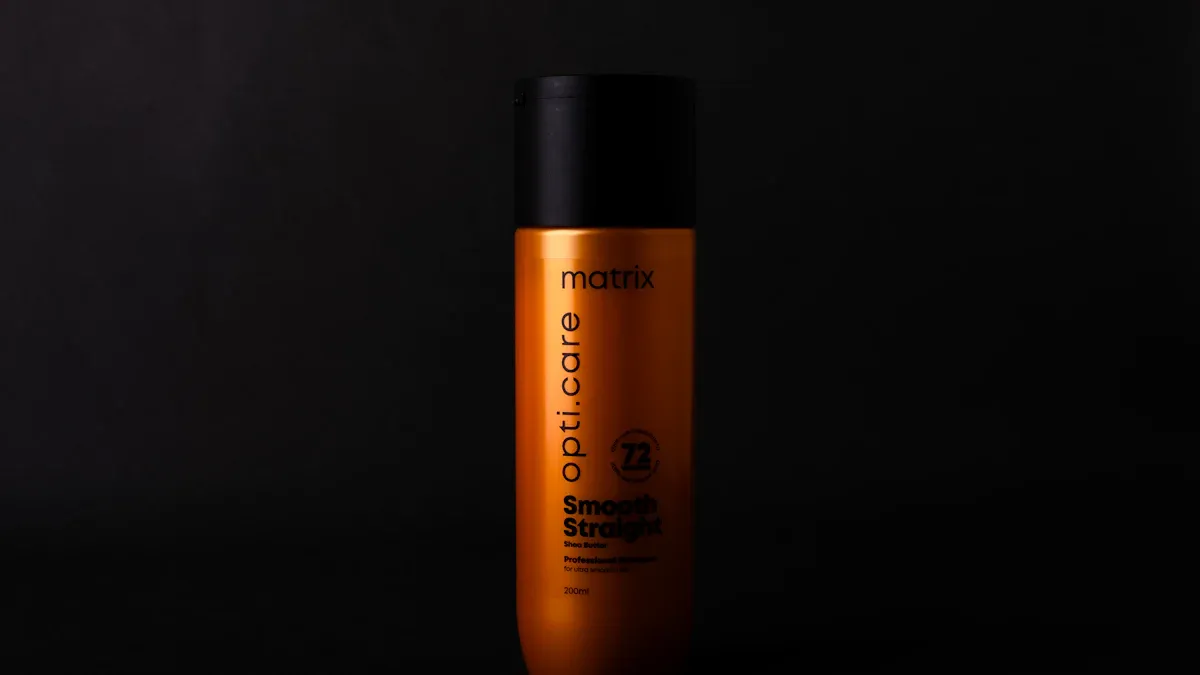
When it comes to haircare, choosing the right products makes all the difference. Each hair type has unique needs, so let’s break down what works best for you.
Products for Straight Hair
For straight hair, you want products that enhance shine without weighing it down. Look for shampoos and conditioners that contain:
Coconut oils
Almond oil
Vitamins B5, C, and E
These ingredients help maintain moisture and add a healthy glow. Avoid heavy products that can make your hair greasy. Instead, opt for lightweight formulas that cleanse gently and keep your hair looking sleek.
Products for Wavy Hair
Wavy hair thrives on moisture and definition. Here are some recommended products:
Shampoo: Lightweight, sulfate-free options like Nutricurls Shampoo for Waves.
Conditioner: Nutricurls Detangling Conditioner for Waves & Curls to manage knots.
Finisher: Nutricurls Milky Waves for added moisture without weight.
These products help define your waves while keeping them bouncy. Remember, you should always avoid heavy styling creams that can weigh your waves down.
Products for Curly Hair
Curly hair loves hydration! To enhance your curls, consider these products:
Jane Carter Solution Incredible Curls: Defines curls and reduces frizz.
Soultanicals Mango Dip Detangling Slip: A great detangler and curl definer.
Moroccanoil Curl Defining Cream: Provides bouncy curls with a long-lasting hold.
These products focus on moisture and curl definition, which are essential for keeping your curls looking their best.
Products for Coily Hair
Coily hair requires special care to prevent dryness and breakage. Here’s what to avoid:
Sulfates
Silicones
Drying alcohols
Instead, look for products that are rich in moisture and free from harsh chemicals. Ingredients like shea butter and aloe vera are fantastic for keeping your coils hydrated. Always choose products designed specifically for coily hair to maintain its health and vibrancy.
By choosing the right products for your hair type, you can keep your hair looking fabulous and healthy. Remember, it’s all about finding what works best for you!
Building Your Haircare Routine
Creating an effective haircare routine is essential for maintaining healthy hair. It involves several key steps that cater to your specific hair type and needs. Here’s how to build a routine that works for you:
Cleansing
Cleansing your hair is the first step in any haircare routine. It removes dirt, oil, and product buildup. However, how often you wash your hair depends on your hair type. Here’s a quick guide:
Hair Type | Recommended Washing Frequency |
|---|---|
Fine or Oily Hair | Daily or every other day |
Thick or Coarse Hair | Every 3 to 4 days or once a week |
Curly or Textured Hair | Once a week or less |
Color-Treated or Chemically Processed Hair | Every 3 to 5 days with gentle shampoo |
Make sure to choose a shampoo that suits your hair type. For instance, if you have coily hair, opt for a sulfate-free shampoo that won’t strip your hair of its natural oils.
Conditioning
Conditioning is crucial for keeping your hair hydrated and manageable. Different hair types require different conditioning practices. Here’s a breakdown:
Hair Type | Washing Frequency | Deep Conditioning Frequency | Additional Practices |
|---|---|---|---|
Type 1 (Straight) | Every 1-2 days | Once weekly | Use heat protection before styling, lightweight leave-in products for shine |
Type 2A (Slightly Wavy) | Every 1-2 days | Once weekly | Use heat protection before styling, lightweight leave-in products for shine |
Type 2B/2C (Wavy) | Every 2-3 days | 1-2 times weekly | Apply curl-enhancing products on damp hair, diffusing or air-drying |
Type 3A (Loose Curly) | Every 2-3 days | 1-2 times weekly | Use curl-enhancing products on damp hair, diffusing or air-drying |
Type 3B/3C (Curly) | Every 5-7 days | Weekly | Regular moisturizing and sealing with oils, protective styling |
Type 4 (Coily) | Every 5-7 days | Weekly | Regular moisturizing and sealing with oils, protective styling |
Deep conditioning treatments are especially important for curly and coily hair. They help lock in moisture and keep your hair looking vibrant.
Hydration
Hydration is key to maintaining healthy hair. For curly and coily hair, here are some effective hydration techniques:
Use gentle cleansing shampoos that do not strip natural oils.
Incorporate deep conditioning treatments with nourishing ingredients like olive leaf extract and aloe.
Apply leave-in conditioners for added moisture protection throughout the day.
Look for hydrating ingredients such as jojoba oil and hyaluronic acid.
Establishing a consistent hydration routine will help your hair maintain its elasticity and prevent breakage.
Styling
When it comes to styling, you want to minimize damage while enhancing your hair’s natural beauty. Here are some styling tips for different hair types:
For straight hair, use lightweight styling products that add shine without weighing it down.
For wavy hair, consider using lightweight mousses or sea salt sprays to enhance texture.
For curly hair, apply curl creams or gels that define curls without making them crunchy.
For coily hair, use styling creams that provide moisture and hold.
Limiting heat styling is crucial. Whenever possible, let your hair air dry or use a diffuser on low settings to reduce frizz.
Treatments
Regular treatments can repair damage and keep your hair healthy. Here are some recommended treatments for various hair types:
Product Name | Description |
|---|---|
Ultimate Repair Mask | Deep repairing hair mask suitable for all hair types, leaving hair healthy, shiny, and smooth. |
Ultimate Repair Miracle Hair Rescue | Leave-on spray that repairs hair damage in 90 seconds, making hair 12x smoother and reducing breakage by 99%. |
Fusion Intense Repair Conditioner | Conditioner enriched with silk amino acids that protects against breakage and detangles hair. |
Fusion Intense Repair Mask | Designed to repair damaged hair and protect against breakage. |
Incorporating these treatments into your routine will help maintain moisture and promote healthy hair.
Trimming
Regular trims are essential for maintaining healthy hair. They help prevent split ends and keep your hair looking fresh. Here’s a guideline for trimming frequency based on hair type:
Hair Type | Recommended Trim Frequency |
|---|---|
Damaged Hair | Every 6 weeks |
Curly Hair | Every 8-12 weeks |
Coily Hair | Every 12 weeks |
Thin Hair | Every 6-8 weeks |
Regular Hair | Every 6-8 weeks |
Trimming your hair regularly enhances manageability and styling ease. It also helps maintain your preferred hairstyle.
Building an effective haircare routine involves understanding your hair type and needs. By following these steps, you can ensure your hair remains healthy and vibrant.
Understanding your hair type is key to building a tailored haircare routine. When you know what your hair needs, you can enjoy long-term benefits like stronger, healthier hair and boosted confidence. Here are some reasons to embrace your unique hair:
You’ll see sustained improvements in hair health.
A personalized routine reduces breakage and prolongs color retention.
Embracing your natural hair can enhance your self-esteem and reduce anxiety.
So, don’t hesitate! Experiment with different products and techniques. Celebrate your hair’s uniqueness, and watch it thrive!
FAQ
What is my hair type?
To determine your hair type, observe its texture, curl pattern, and thickness. You can also try the “hair strand test” by comparing your hair to the classifications: straight, wavy, curly, or coily.
How often should I wash my hair?
Washing frequency depends on your hair type. Generally, straight hair can be washed every 1-2 days, while curly and coily hair may only need washing once a week to maintain moisture.
Can I use the same products for different hair types?
While some products may work for multiple hair types, it’s best to choose products specifically formulated for your hair type. This ensures you meet your hair’s unique needs for moisture, definition, and shine.
How can I reduce frizz in my hair?
To reduce frizz, use a hydrating conditioner and apply a leave-in product. Avoid heat styling and opt for air drying or using a diffuser on low heat to maintain your hair’s natural texture.
Is it necessary to trim my hair regularly?
Yes! Regular trims help prevent split ends and keep your hair looking healthy. Depending on your hair type, aim for trims every 6-12 weeks to maintain your desired style.