Maintaining healthy hair at home is essential for your overall appearance and confidence. It can make a big difference in how you feel about yourself. Many people prioritize their haircare routines for different reasons. For instance, 38% of men say family influences their grooming habits, while 32% feel pressure from social media. Additionally, 62% are motivated by signs of aging, like grey hairs and wrinkles. By following a personalized haircare guide, you can achieve vibrant, healthy hair that reflects your personality.
Key Takeaways
Identify your hair type to choose the best products and techniques for your needs.
Create a personalized haircare routine that includes washing, conditioning, and styling tailored to your hair type.
Incorporate regular trims and deep conditioning treatments to maintain vibrant and healthy hair.
Adopt a healthy lifestyle with a balanced diet and hydration to support hair health.
Use natural ingredients for DIY treatments to nourish your hair and scalp without harsh chemicals.
Understanding Hair Types
Knowing your hair type is crucial for effective haircare. It helps you choose the right products and techniques tailored to your specific needs. Here’s a breakdown of the four main hair types:
Straight Hair
Straight hair lacks natural waves or curls. It often appears sleek and shiny, but it can sometimes look flat. If your hair falls straight without any bends, you likely have straight hair. This type tends to be less prone to frizz, making it easier to manage.
Wavy Hair
Wavy hair falls between straight and curly. It forms gentle waves that add texture and volume. If you notice soft, S-shaped waves when your hair is dry, you have wavy hair. This type can be versatile, allowing for various styles, from beachy waves to sleek looks.
Curly Hair
Curly hair features distinct curls or coils. The texture can range from loose curls to tight coils. If your hair bounces back into spirals when wet, you probably have curly hair. This type often requires more moisture and care to keep curls defined and healthy.
Coily Hair
Coily or kinky hair has tight, spiral curls and is very textured. If your hair forms small, tight curls that shrink when dry, you have coily hair. This type is often the most voluminous and can be prone to dryness, so it benefits from regular moisturizing treatments.
Understanding these hair types allows you to select the right products and routines. Dermatologists emphasize that familiarity with your hair type helps in choosing appropriate shampoos and conditioners. Tailoring your haircare routine to your specific type can lead to healthier, more vibrant hair.
Healthy Hair Care Routines
Creating a consistent hair care routine is essential for maintaining healthy hair. By following specific washing techniques, conditioning methods, and drying and styling tips, you can keep your hair looking its best. Let’s dive into each aspect of your routine!
Washing Techniques
Washing your hair might seem straightforward, but how often you wash it can significantly impact its health. Different hair types require different washing frequencies. Here’s a handy table to guide you:
Hair Type | Recommended Washing Frequency |
|---|---|
Curly Hair | Every wash with moisturizing shampoo |
Straight and Wavy | Every 2 or 3 days |
Normal to Dry Scalp | Every 3 to 4 days |
Super Oily Scalp | Every other day |
Super Dry Scalp | Once a week |
Dandruff | Three times a week |
When washing, use a gentle shampoo that suits your hair type. Avoid harsh sulfates, as they can strip your hair of its natural oils. Consider incorporating a scalp detox into your routine. This process removes product buildup, excess oil, and dead skin cells, promoting a healthier scalp. Benefits of a scalp detox include:
Improved scalp health by easing irritation and inflammation.
Enhanced hair growth due to a healthier scalp environment.
Balanced oil production, helping to regulate sebum levels.
Conditioning Methods
Conditioning is crucial for keeping your hair moisturized and manageable. Different hair types benefit from various conditioning methods. Here are some effective ingredients to look for:
Aloe vera for soothing and hydration
Coconut oil and avocado oil for moisture retention
Banana and honey for softness and elasticity
Shea butter for nourishment and shine
Hydrolyzed proteins for strength and repair
To maximize the benefits of your conditioner, apply it from roots to ends, focusing on the driest areas. For optimal absorption, consider these guidelines based on your hair’s porosity:
Low porosity: Every 10 to 14 days, use heat or steam for better absorption.
Medium porosity: Weekly treatments maintain moisture balance.
High porosity: Once or twice weekly to repair and retain hydration.
Drying and Styling Tips
How you dry and style your hair can affect its health. After washing, gently pat your hair dry with a microfiber towel instead of rubbing it vigorously. This helps prevent breakage. When styling, avoid excessive heat. If you must use heat tools, always apply a heat protectant first.
Consider air-drying your hair whenever possible. If you use a blow dryer, keep it on a low heat setting and maintain a distance of at least six inches from your hair. This minimizes damage while still allowing you to achieve your desired style.
By following these healthy hair care routines, you can ensure your hair remains vibrant and strong. Remember, consistency is key!
Hair Care Tips and Product Recommendations
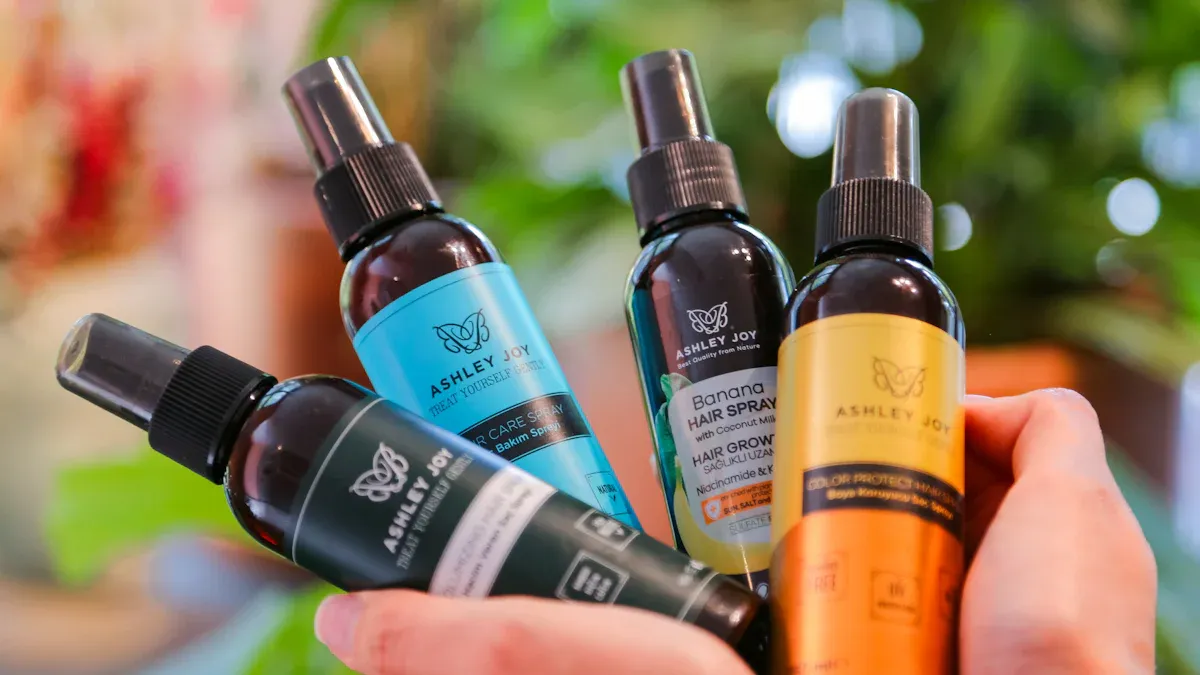
Choosing the right products for your hair can make a world of difference. Here’s a breakdown of what to look for in shampoos, conditioners, styling products, and treatments based on your hair type.
Shampoos and Conditioners
When selecting shampoos and conditioners, consider your hair type. Here’s a handy table of some top-rated products:
Product Name | Hair Type | Key Benefits |
|---|---|---|
Pattern Beauty Hydration Shampoo | Curly and Coily | Defines and hydrates curls, contains plant-based oils, and effectively removes product buildup. |
Virtue Curl Shampoo | Curly | Maintains curl definition and volume, gently removes excess oils, and protects hair from heat damage. |
Avoid ingredients like parabens and alcohols, which can irritate sensitive scalps and lead to dryness. Instead, look for nourishing ingredients that promote shiny hair and overall health.
Styling Products
Styling products can help you achieve your desired look while keeping your hair healthy. Here are some effective options:
Oribe Curl Control Silkening Crème: Defines and softens curls while reducing frizz.
Curlsmith Hold Me Softly Style Balm: Lightweight and enhances shine without greasiness.
Mielle Organics Pomegranate & Honey Coil Sculpting Custard: Super moisturizing and limits breakage.
These products not only help with styling but also contribute to maintaining shiny hair.
Treatments and Masks
Deep conditioning is essential for all hair types. Regular treatments can restore moisture and repair damage. Consider using a hair mask once a week. Look for masks that contain natural oils, proteins, and vitamins. These ingredients can help nourish your hair and keep it looking vibrant.
Don’t forget about regular trims! Trimming your hair every 6-8 weeks helps eliminate split ends and promotes healthier growth.
By following these hair care tips and choosing the right products, you can achieve the healthy, shiny hair you desire!
DIY Hair Treatments
Creating your own hair treatments at home can be fun and rewarding. You can use natural ingredients that nourish your hair and scalp without harsh chemicals. Here are some fantastic options to consider!
Natural Ingredients
Using natural ingredients in your haircare routine offers numerous benefits. Here’s why you should consider them:
Aloe Vera: Reduces scalp inflammation and dandruff. It moisturizes hair strands, preventing dryness and breakage.
Coconut Oil: Penetrates the hair shaft to reduce protein loss. It strengthens hair from within.
Honey: Attracts moisture to your hair, keeping it hydrated and shiny.
These ingredients not only promote healthy hair growth but also help manage issues like dandruff. They provide deep hydration and strengthen your hair, making it look glossy and vibrant.
Recipes for Hair Masks
Here are some popular DIY hair mask recipes that you can easily whip up at home:
Hair Type | Ingredients | Benefits |
|---|---|---|
Dry Hair | Honey, Avocado, Eggs, Coconut Oil | Adds shine, reduces frizz, revives dry locks |
Oily Hair | Yogurt, Lemon Juice | Exfoliates scalp, regulates oil production |
Frizzy Hair | Eggs, Olive Oil, Honey | Smooths frizz, adds protein |
Thinning Hair | Cinnamon, Yogurt | Increases blood flow, promotes hair growth |
All Hair Types | Rice Water | Strengthens hair, boosts shine, encourages growth |
Many users report that the honey and avocado mask significantly improves shine and reduces frizz. The yogurt and lemon mask is effective in controlling oiliness and clarifying the scalp.
Scalp Treatments
Taking care of your scalp is just as important as caring for your hair. Homemade scalp treatments can improve scalp health effectively. Here are some ideas:
Tea Tree Oil: Mix with a carrier oil to soothe irritation and reduce dandruff.
Apple Cider Vinegar: Dilute with water to balance scalp pH and remove buildup.
Studies show that homemade scalp treatments can significantly improve scalp health. Many users have experienced reduced redness and flakiness after using natural remedies.
By incorporating these DIY treatments into your routine, you can enjoy healthier hair and scalp. Plus, you get to customize your haircare to fit your unique needs!
Common Hair Issues and Solutions
Dryness and Damage
Dryness and damage can make your hair look lifeless and dull. You might notice split ends, frizz, or brittleness. Common causes of hair dryness and damage include:
Common causes of hair dryness and damage identified by dermatologists include:
Environmental Factors: UV rays from the sun lead to dryness and brittleness, damaging the hair’s structural proteins and lipids.
Chemical Treatments: Procedures like perms, straightening, and hair dyes alter the hair’s chemical structure, causing significant damage.
Heat Application: Tools such as blow-dryers and curling irons can reach high temperatures, leading to hair damage.
Physical Processes: Actions like vigorous brushing and rough towel drying can contribute to hair breakage.
To combat dryness and damage, consider these effective solutions:
Brush less: Minimize brushing to prevent damage; brush before washing and only when necessary.
Tie up your hair: Use a ponytail or loose bun to prevent tangling during activities.
Pay attention to moisture: Use leave-in conditioners or detanglers if your hair lacks natural oils.
Wash less: Reduce shampooing frequency to retain natural oils and moisture.
Use a shampoo and conditioner for dry hair: Opt for moisturizing products to prevent oil stripping.
Use jojoba oil: Strengthens and rehydrates hair, can be added to conditioners or used directly.
Rinse with cold water: Helps close the hair cuticle and retain moisture.
Try an apple cider vinegar rinse: Restores pH balance and adds shine.
Use Argan oil: Moisturizes and prevents breakage, can be applied to damp hair.
Eat a balanced diet: Nutrients like biotin and vitamins A and C are essential for healthy hair.
Protect from the sun: Use hats or UV protection to prevent brittleness.
Avoid harsh styling products: These can dry out hair and lead to breakage.
Skip chemical treatments and heat styling: Allow your hair to recover from damage.
Dandruff and Scalp Health
Dandruff affects about half of adults, with men experiencing it more than women. This condition can lead to itching and flaking, which can be embarrassing. Effective treatments for dandruff include antifungal creams like ketoconazole and keratolytic agents such as salicylic acid. These help manage the condition effectively.
To maintain a healthy scalp and prevent dandruff, follow these tips:
Practice scalp hygiene: Avoid touching or scratching your scalp to prevent irritation and dirt buildup.
Find the right shampooing balance: Use shampoo to manage oils but avoid excessive product use that can irritate.
Reduce stress: Manage stress to help prevent dandruff, as it can worsen symptoms.
Get fresh air: Regular outdoor exposure can help reduce oil buildup on the scalp.
Massage your scalp: Regular scalp massages may alleviate dandruff symptoms.
Brush your hair: Brush damp hair at least twice daily to promote scalp health.
Protect your scalp from the sun: Wear a wide-brimmed hat to shield your scalp from UV rays.
Avoid oiling your scalp, as excess oils can worsen dandruff by feeding the Malassezia fungus. Instead, use oil-free scalp products with humectants like glycerin or hyaluronic acid to maintain moisture without adding oils.
Hair Loss and Thinning
Hair loss and thinning can be distressing, affecting both men and women. Various factors contribute to this issue, including:
Cause | Description |
|---|---|
Hereditary hair loss | The most common cause of hair loss worldwide, affecting both men (male pattern) and women (female pattern). |
Age | Hair growth slows with age, leading to thinning and loss of hair. |
Alopecia areata | An autoimmune condition where the immune system attacks hair follicles, causing hair loss. |
Cancer treatment | Chemotherapy or radiation can lead to significant hair loss. |
Childbirth, illness, stress | Hair loss can occur after childbirth, illness, or significant stress. |
Hair care practices | Damage from chemical treatments can lead to hair loss over time. |
Traction alopecia | Tight hairstyles can cause permanent hair loss due to constant pulling on the scalp. |
Hormonal imbalance | Conditions like PCOS can lead to hair loss due to hormonal changes. |
To address hair loss and thinning, consider these treatments:
Treatment | Description |
|---|---|
Rogaine | An established topical treatment effective for hair loss, widely available and affordable. |
Propecia | An oral medication containing finasteride, effective for male hair loss, affordable and readily available. |
PP405 | A new treatment inducing dormant hair follicles into the growth phase, currently in phase III trials. |
ET-02 | A topical ointment correcting defective hair follicle stem cells, showing promise in phase I trials. |
Fatty Acids | Studied for their potential to block enzymes causing hair thinning and activate dormant hair follicles. |
You can also make lifestyle changes to help prevent hair issues. Eating a balanced diet rich in vitamins and minerals, staying hydrated, and developing a gentle hair care plan can all contribute to healthier hair.
By understanding these common hair issues and implementing the suggested solutions, you can maintain healthy hair and a healthy scalp.
Taking care of your hair is essential for maintaining its health and beauty. Here are some key takeaways to remember:
Know Your Hair Type: Understanding your unique hair characteristics helps you choose the right products.
Personalized Routine: Tailor your haircare routine based on your specific needs for optimal results.
Regular Maintenance: Schedule trims and deep conditioning treatments to keep your hair looking vibrant.
Healthy Lifestyle: A balanced diet and hydration play a crucial role in hair health.
By implementing these tips, you can enjoy healthier, more beautiful hair. Remember, consistency is key! So, start your personalized haircare journey today and embrace the transformation.
FAQ
How often should I wash my hair?
You should wash your hair based on your hair type. For example, curly hair benefits from less frequent washing, while oily hair may need washing every other day. Adjust your routine to keep your hair healthy.
What products should I use for dry hair?
For dry hair, look for moisturizing shampoos and conditioners. Ingredients like coconut oil, shea butter, and aloe vera can help hydrate and nourish your hair, making it softer and more manageable.
Can I use heat styling tools on my hair?
Yes, but use them sparingly. Always apply a heat protectant before styling. Try to keep the heat setting low and avoid using tools on wet hair to minimize damage.
How can I prevent hair loss?
To prevent hair loss, maintain a balanced diet rich in vitamins and minerals. Avoid harsh treatments, manage stress, and use gentle hair care products. Regular trims can also help keep your hair healthy.
What are the benefits of DIY hair treatments?
DIY hair treatments allow you to use natural ingredients tailored to your hair’s needs. They can be cost-effective and free from harsh chemicals, promoting healthier hair and scalp.