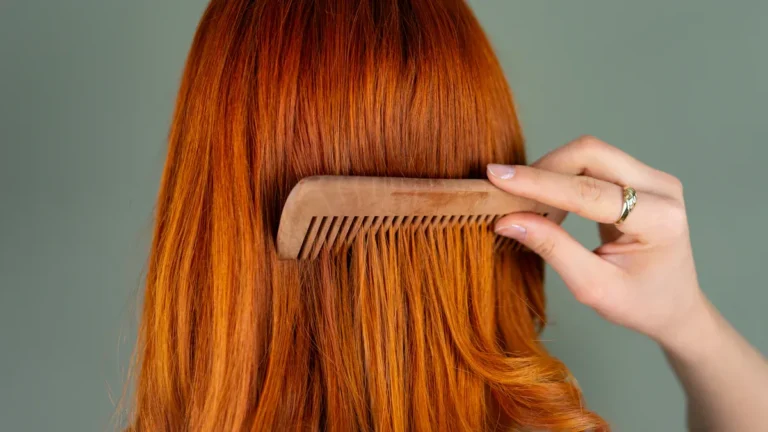
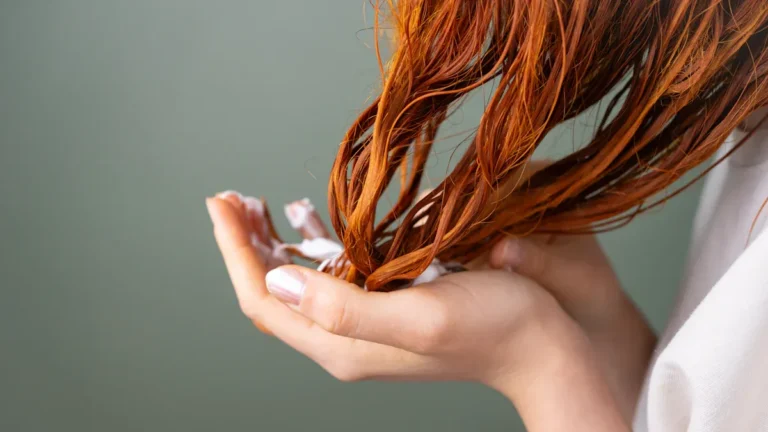
Do you ever wonder why your hair feels dry or brittle? Finding the right balance between protein and moisture is essential for healthy hair. Many people struggle to identify their hair’s specific needs, leading to frustration and ineffective treatments. Scientific studies highlight that maintaining a proper balance between protein and moisture is crucial for hair health. Treatments that restore lost proteins and enhance moisture retention can significantly improve the condition of hair. Understanding these two components can guide you toward achieving optimal hair balance.
Key Takeaways
Finding the right balance between protein and moisture is essential for healthy hair.
Signs of protein deficiency include thinning hair, brittleness, and slow growth. Address these by increasing protein intake.
Moisture deficiency can lead to dry, frizzy hair and split ends. Use hydrating products to restore moisture.
Regularly assess your hair’s needs by stretching a strand. This helps determine if it needs more protein or moisture.
Use the right products and routines to maintain balance. Alternate between protein and moisturizing treatments for optimal results.
Understanding Protein
Signs of Protein Deficiency
You may notice several signs if your hair lacks protein. These symptoms can appear both at the microscopic and macroscopic levels. Here are some common indicators:
Thinning Hair: Your hair may become noticeably thinner, leading to a less voluminous appearance.
Brittleness: Hair can feel dry and break easily, making it more prone to damage.
Loss of Elasticity: If your hair lacks protein, it may lose its ability to stretch without breaking.
Slow Growth: You might experience slower hair growth or even hair loss.
Discoloration: Hair may appear dull or lose its natural shine.
Research shows that protein deficiency can lead to significant changes in hair structure. For instance, a lack of essential amino acids can impede the formation of hair follicles, resulting in reduced hair density and shorter strands. Dermatologists report that many individuals consume less than half of the recommended daily protein intake, leading to various hair issues, including thinning and discoloration.
Effects of Protein Overload
While protein is essential for hair health, too much can be harmful. Here are some effects of protein overload:
Dryness: Excess protein can strip your hair of its natural moisture, leading to dryness.
Brittleness: Overuse of protein treatments can make your hair stiff and prone to breakage.
Dullness: Hair may lose its shine and appear lifeless.
Weight: Protein buildup can weigh down your hair, making it harder to manage.
Color-treated hair is particularly susceptible to protein overload. Increased porosity can lead to excessive absorption of protein, resulting in stiff and brittle strands. Studies indicate that individuals using protein-based products often experience symptoms like increased breakage and worsened tangles. To maintain healthy hair, you must find a balance between protein and moisture.
Understanding Moisture
Moisture plays a vital role in maintaining healthy hair. It keeps your hair hydrated, flexible, and manageable. When your hair has the right amount of moisture, it feels soft and looks shiny. However, when moisture levels drop, you may notice several signs that indicate your hair is suffering.
Signs of Moisture Deficiency
If your hair lacks moisture, you might observe the following signs:
Dry, Frizzy Hair: Your hair may feel rough and look frayed.
Split Ends: Increased breakage can lead to split ends.
Dull Appearance: Hair may lose its shine and appear lackluster.
Increased Tangling: You might find it difficult to detangle your hair.
Flaky Scalp: A dry scalp can sometimes lead to oiliness.
When moisture levels are low, your hair becomes brittle and prone to breakage. Research shows that dry hair can appear frizzy and rough, making it challenging to manage. The cuticle, which protects the hair shaft, can become damaged, leading to a loss of softness and shine.
Effects of Moisture Overload
While moisture is essential, too much can also harm your hair. Here are some effects of moisture overload:
Excessive Softness: Your hair may feel overly soft and limp.
Lack of Curl Definition: Curls may lose their shape and bounce.
Increased Frizz: You might notice more frizz and flyaways.
Difficulty Holding Shape: Hair may stretch without bouncing back.
When hair absorbs too much moisture, it can become weak and elastic. This condition makes it difficult for your hair to maintain its style. To restore balance, you should focus on reintroducing protein into your hair care routine.
A study on hair moisture levels revealed that chemical treatments can significantly reduce moisture retention. This reduction leads to dryness and brittleness, common issues for those with chemically treated hair. Maintaining proper moisture levels is crucial for flexibility and manageability.
Achieving Hair Balance
Finding the right balance of protein and moisture is crucial for healthy hair. You can achieve this balance by using the right products and assessing your hair’s needs regularly.
Best Products for Protein and Moisture
To restore the balance of protein and moisture in your hair, consider these effective products:
For protein overload, use a protein-free deep conditioner like Double Cream.
For moisture overload, start with a protein treatment such as Bond Curl Rehab Salve.
You can also follow this routine for optimal results:
Cleanse with Rich Rice Shampoo Concentrate.
Deep treat with Rice Water Protein + Moisture Strengthening Treatment.
Finish with Super Moisture Conditioner to maintain balance.
How to Maintain Balance
To assess whether your hair needs more protein or moisture, follow these steps:
Gently stretch a strand of hair, wet or dry.
If it hardly stretches and breaks, you may need more moisture.
If hair falls out while combing, it indicates a need for protein.
You can also refer to this table for quick reference:
Hair Condition | Symptoms | Needs |
|---|---|---|
Dehydrated Hair | Snaps quickly, feels dry, brittle, or rough | More moisture |
Lack of Protein | Stretches but doesn’t bounce back, feels gummy or mushy | More protein |
Maintaining the right balance of protein and moisture is essential for healthy hair. Regularly assess your hair’s condition and adjust your hair care routine accordingly.
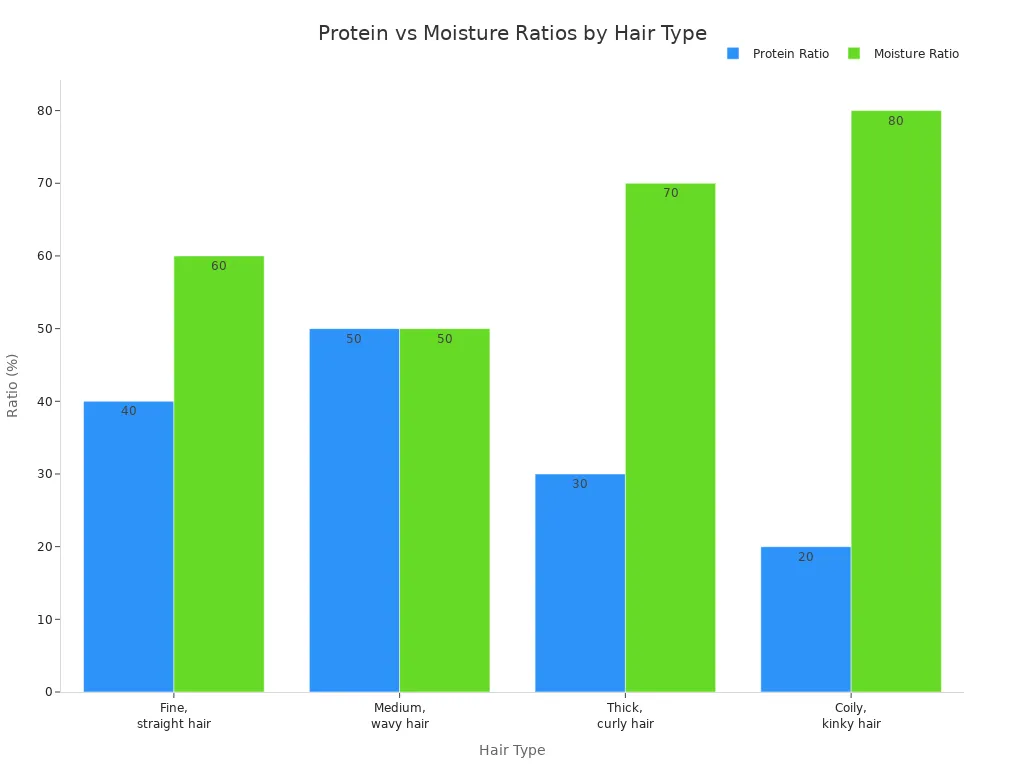
This chart shows the recommended ratios of protein to moisture for various hair types. Understanding these ratios can help you choose the right products for your specific hair needs.
Hair Type | Protein Ratio | Moisture Ratio |
|---|---|---|
Fine, straight hair | 40% | 60% |
Medium, wavy hair | 50% | 50% |
Thick, curly hair | 30% | 70% |
Coily, kinky hair | 20% | 80% |
By using the right products and regularly assessing your hair’s needs, you can achieve and maintain a healthy balance of protein and moisture.
Practical Tips for Hair Care
Avoiding Protein Overload
To maintain healthy hair, you must avoid protein overload. Here are some practical steps you can take:
Identify and stop using products that contain protein ingredients like keratin or amino acids.
Switch to protein-free products that provide moisture.
Use a clarifying shampoo to remove excess protein buildup from your hair.
Focus on moisturizing techniques, including a hydrating shampoo and deep conditioner.
You should also alternate protein shampoos with moisturizing ones. Limit protein treatments to once a week or as recommended on the product packaging. This approach helps you maintain balance and prevents signs of not enough protein, such as brittleness and breakage.
Preventing Moisture Overload
Preventing moisture overload is equally important for your hair’s health. Follow these strategies to keep your hair in check:
Hydrate and Seal: Use hydrating shampoos and conditioners with humectants like glycerin. After washing, apply a leave-in conditioner or lightweight hair oil to seal in moisture.
Avoid Heavy Products: Steer clear of thick creams or serums. Opt for lighter formulations like mousses or gels.
Use Anti-Frizz Products: Invest in products labeled as anti-humidity to create a moisture barrier.
Protective Hairstyles: Style your hair in braids or buns to minimize humidity exposure.
Limit Heat Styling: Embrace your natural texture and use low-heat methods. If you must use heat tools, apply heat protectants.
Understanding how to tell if your curls need more moisture is crucial. Signs of not enough moisture include dryness, frizz, and increased tangling. Regularly assess your hair’s condition to ensure you provide the right treatment.
By following these tips, you can effectively manage your hair care routine and maintain a healthy balance of protein and moisture.
Balancing protein and moisture is vital for your hair health. Regularly assess your hair’s needs to determine whether it requires more protein or moisture. Signs of imbalance can lead to issues like breakage or dullness. Adjust your hair care routine based on these assessments. For instance, if your hair feels limp, it may need protein treatments to enhance moisture absorption. Remember, maintaining this balance leads to stronger, healthier hair over time.
Tip: Check your hair every few weeks to ensure it remains in optimal condition.
FAQ
What are the signs your hair needs moisture?
You may notice dryness, frizz, and increased tangling. If your curls feel rough or lack shine, these are clear signs your hair needs moisture. Regularly assess your hair to ensure it stays hydrated.
How can I tell if my hair needs protein?
Signs your hair needs protein include brittleness, thinning, and loss of elasticity. If your curls stretch without bouncing back, it’s time to introduce more protein into your routine for better manageability.
How often should I use a moisturizing shampoo?
Use a moisturizing shampoo every time you wash your hair, especially if you have curly hair. This helps maintain hydration and prevents dryness. Adjust frequency based on your hair’s specific needs.
Can I use both protein and moisture treatments together?
Yes, you can use both treatments, but space them out. For example, use a protein treatment one week and a moisturizing treatment the next. This approach helps maintain balance and keeps your curls healthy.
What products are best for maintaining hair balance?
Look for products specifically designed for curly hair. Use a moisturizing shampoo and a protein treatment that suits your hair type. Regularly assess your hair needs to choose the right products for optimal hydration and strength.