Makeup for mature skin often looks best when the finish supports softness rather than contrast. Satin and natural radiant formulas tend to flatter through reflecting light in a gentle way, while dewy textures can add freshness if used carefully. The real challenge is matching finish to skin type and feature, from foundation to lips and eyes, to create a smoother result that still looks like skin.
What Makeup Finishes Flatter Mature Skin?
Satin, natural radiant, and soft-radiant finishes tend to flatter mature skin because they reflect light gently and create a smoother, more refined look without emphasizing fine lines.
Their finish luminosity supports texture refinement via softening the appearance of uneven areas while preserving a natural, lived-in elegance. These finishes help skin look cared for, not masked, which can feel reassuring for those who want to belong to a polished, age-inclusive beauty standard.
Compared with harsh matte or overly glossy effects, they offer balance and control. A luminous satin can also lend a subtle glass-skin impression, while natural radiant formulas keep coverage believable.
The result is a fresh, comfortable finish that respects skin texture and boost confidence.
Best Makeup Finishes for Mature Skin
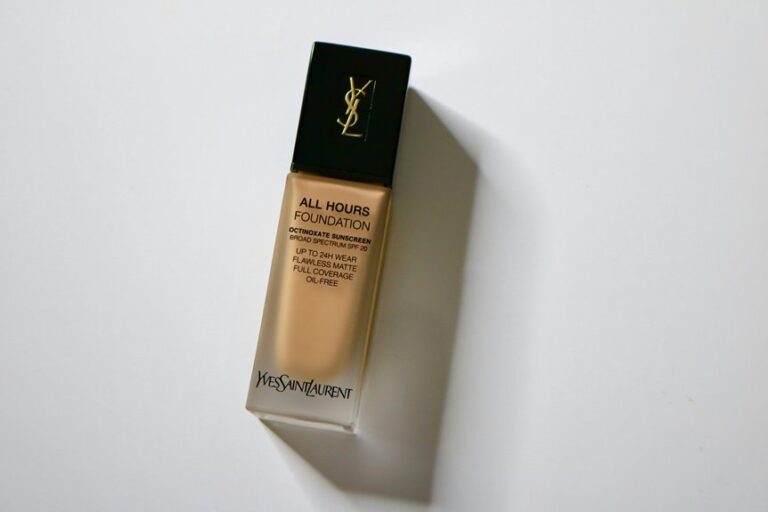
Satin foundation finishes are often favored for mature skin because they softly reflect light and help blur the appearance of fine lines without adding excess shine.
Soft glow powders can then be used sparingly to set makeup while preserving a smooth, natural-looking finish.
Together, these finishes support a refined look that feels polished rather than heavy.
Satin Foundation Finishes
A satin foundation finish is often one of the most flattering choices for mature skin because it reflects light softly, helping fine lines appear less pronounced without creating excess shine.
Its satin finish benefits include a balanced, refined look that feels polished yet approachable, making skin appear smoother and more even.
The satin foundation texture is usually lightweight and comfortable, allowing makeup to move with the face rather than settle into creases.
This finish suits those who want gentle luminosity without the slick effect of heavier formulas.
Buildable coverage helps maintain a natural appearance, so features remain visible and skin looks cared for.
For many, satin foundation offers the familiar confidence of makeup that supports, rather than masks, mature skin.
Soft Glow Powders
This approach suits those who want polish and ease in equal measure, especially whenever the goal is to feel presentable and at home in their look. Soft-focus powders work best over hydrating foundation or tinted moisturizer, where they amplify radiance rather than mute it, supporting a smooth, comfortable finish throughout the day.
How to Match Finish to Skin Type
Oily skin often benefits from a satin or soft-radiant finish that controls shine without appearing flat.
Dry skin usually looks best in luminous satin or hydrating serum formulas that add comfort and avoid emphasizing texture.
Combination skin calls for a balanced finish that keeps the complexion refined in some areas while maintaining a natural glow in others.
Oily Skin Finishes
For skin that trends oily, finish matters as much as formula: satin and soft-radiant textures usually offer the best balance, controlling shine without flattening the complexion. With thoughtful oily skin prep, the canvas stays smoother, and makeup sits more evenly through the day.
Lightly primed areas, strategic powder only where needed, and other shine control methods help preserve polish without pushing the face into a flat matte effect. Buildable liquid or serum bases tend to suit this skin type well, because they refine rather than mask.
A natural radiant finish can look fresh and cohesive, especially if applied in thin layers. The goal is a confident, refined appearance that feels current, comfortable, and easy to wear in any setting.
Dry Skin Finishes
Whenever skin leans dry, the most flattering finishes are typically satin, soft-radiant, and luminous satin, because they reflect light gently without emphasizing texture. These finishes suit mature complexions that want comfort and refinement, not shine or heaviness. Hydrating primers and moisturizing skincare bases help create a smoother canvas, allowing cream or serum formulas to sit evenly and feel familiar on the skin.
| Finish | Effect | Best Use |
|---|---|---|
| Satin | Softens lines | Everyday polish |
| Soft-radiant | Balanced glow | Long wear |
| Luminous satin | Fresh luminosity | Evening elegance |
Very matte and powder-heavy products can look dry, while lighter, buildable textures keep the result flattering and inclusive.
Combination Skin Balance
Combination skin often benefits from finishes that stay balanced across changing zones of the face, rather than leaning too matte or too shiny.
For mature skin, a soft-radiant or satin finish usually delivers that middle ground, offering oil control in the T-zone while preserving hydration balance on drier cheeks.
Lightweight liquid, cream, or serum-based formulas can be built where needed, then pressed thinly to avoid texture buildup.
A natural radiant base often flatters wrinkles by reflecting light gently, without slipping into excess dewiness.
Powder-heavy products might settle into lines, while very matte finishes can make the complexion look tired.
A careful, refined application helps the face look cohesive, comfortable, and polished, so each area feels included and supported.
Why Dewy Foundation Works for Mature Skin
A dewy foundation can work well on mature skin because it reflects light softly, which helps blur the look of fine lines and texture without creating a flat, dry finish.
Its hydrating finish benefits are especially useful whenever skin needs comfort, suppleness, and a more youthful appearance.
The result is glow without heaviness, allowing features to look fresh rather than masked.
Lightweight liquid or serum formulas often suit this effect best, since they move with the skin and keep makeup looking natural through the day.
Applied in thin layers, a dewy base can create a polished, approachable look that feels current yet familiar.
For many, it offers a balanced sense of radiance and belonging without drawing attention to texture.
When Satin Foundation Is the Sweet Spot
Satin foundation often lands in the sweet spot for mature skin because it offers a soft, light-reflective finish without veering into excess shine. It creates a silk reflection balance that helps skin look polished, not masked, while preserving a subtle lit texture that feels current and approachable. For many, this finish supports belonging by making makeup feel refined yet effortless.
- It softens the look of fine lines.
- It blends easily with lightweight, buildable formulas.
- It keeps the complexion comfortable through the day.
Cream, liquid, and serum-based options suit this finish well, especially whenever the goal is refinement over coverage. Satin foundations can deliver elegance without stark contrast, making them a dependable choice for mature skin.
Use Powder Finishes Sparingly
Powder finishes should be used sparingly on mature skin because heavier applications can settle into fine lines and highlight texture rather than smooth it. Many setting powder myths suggest more powder means longer wear, yet excess can dull the complexion and erase the skin’s natural light.
A light veil of translucent finishing dusts could be useful only where shine needs soft control, especially around the T-zone. Finely milled formulas work best when pressed on with a small brush or puff, then blended out until barely visible.
The goal is refinement, not masking, so skin keeps a comfortable, polished look that feels modern and familiar. Where powder is needed, restraint helps mature features remain fresh, cohesive, and quietly confident throughout the day.
How to Choose Blush for Mature Skin
Blush for mature skin works best when the shade is soft and natural, adding warmth without overpowering the complexion.
Cream formulas are often favored over powder because they blend smoothly and avoid settling into fine lines.
Placement also matters, with a gentle lift toward the cheekbones helping to refresh and define the face.
Blush Shade Selection
For mature skin, the most flattering blush shades are those that add warmth and lift without looking stark or overly bright. Soft peach, muted rose, and gentle apricot tend to harmonize with changing complexions, especially whenever chosen with attention to blush undertones. A cool pink can work, but it should be softened so it reads as a healthy flush rather than a contrast.
Proper blush placement matters as much as color:
- Sweep color slightly upward on the cheeks for a subtle lift.
- Keep intensity light near the apples to preserve a natural effect.
- Blend toward the temples to create cohesion and belonging in the finished look.
The goal is refinement, not correction, allowing the skin to appear fresh, confident, and quietly polished.
Cream Vs Powder
Cream formulas often suit mature skin best because they melt into the complexion, add hydration, and create a softer, more natural flush without settling into lines. They tend to work well for those seeking a finish that feels fresh, refined, and easy to wear.
Cream blush formulas also allow gradual buildup, so the color can stay sheer or become more defined without looking harsh. Powder can still have a place, especially where the skin is set lightly or where extra longevity is desired. In that case, powder layering techniques should remain minimal and delicate, preserving a smooth effect rather than a dry one.
The most flattering choice usually depends on skin texture, but cream typically offers the most forgiving, polished result.
Placement For Lift
Once a cream formula has been chosen for its softness and ease of blending, placement becomes the next step in creating a lifted effect on mature skin. Blush should sit slightly higher on the cheek, angled toward the temple, rather than centered low on the face. This supports lift enhancing contour mapping and keeps the complexion open, fresh, and connected. Strategic highlight placement above the cheek color can further brighten without emphasizing texture.
- Apply blush to the upper apples, then sweep outward.
- Blend upward, following the cheekbone, not downward.
- Add highlight sparingly at the top of the cheekbone.
This approach helps mature skin feel polished and included, with color that refines rather than settles.
Best Lip Finishes for Softer Definition
Soft, balanced lip finishes tend to flatter mature skin most whenever they create definition without drawing attention to texture. Lip balms with a cushioned sheen can soften the lip line and keep the mouth looking comfortable and polished.
Satin lipstick is especially effective because it reflects light gently, adding shape without the flatness of matte formulas or the heaviness of high gloss. Sheer, buildable color usually appears more refined than opaque coverage, since it lets natural lip character remain visible.
Neutral rose, muted berry, and warm nude tones often feel familiar and flattering, helping the face look cohesive. A light lip liner can preserve softness while preventing color from feathering, giving mature features a graceful, belonging sort of finish.
Eye Makeup Finishes That Open the Eyes
After the lips, the eyes benefit most from finishes that lift and brighten without adding heaviness. For mature complexions, open eye makeup usually relies on soft-reflective shadows, not glitter or flat matte color. Satin and luminous satin finishes catch light gently, helping lids look smoother and more awake. A flattering eyeliner finish is best if it is smudged, thin, and slightly lifted at the outer corner, creating shape without harshness.
- Choose taupe, soft brown, or rose shades with light sheen.
- Keep liner close to the lash line for quiet definition.
- Finish with lengthening mascara to frame the eyes.
These choices support a polished, approachable look that feels current and inclusive, while avoiding heaviness that can close the eye area.
Tips for Smoother, Radiant Makeup
Smoother, radiant makeup for mature skin starts with formulas that refine rather than conceal. Thoughtful skincare prep for makeup helps create a hydrated base, allowing complexion products to glide more evenly and sit comfortably through the day.
Soft-radiant and satin finishes are especially effective, since they catch light gently and soften the look of texture without adding heaviness. Lightweight layers, applied with buildable intent, maintain a polished result that feels modern and welcoming.
Application tools for seamless blending, such as dense brushes or damp sponges, can press product into the skin with less disruption. The result is a finish that looks naturally luminous, never masked, and supports a sense of ease and confidence that many seek in mature beauty.
Best Product Types and Formulas to Try
Once the base is prepped for a smooth, radiant result, the next step is choosing formulas that work with mature skin rather than against it.
Lightweight, skincare-infused textures tend to feel most supportive, especially those with hyaluronic acid, peptides, or antioxidants. Satin and natural radiant finishes soften fine lines without looking shiny, helping the complexion stay polished and familiar.
- Primer serums: These smooth texture and add hydration before foundation.
- Tinted moisturizers: These provide sheer coverage, comfort, and a natural, skin-like finish.
- Serum or liquid foundations: These build easily, avoid heaviness, and keep makeup looking refined.
Cream blushes and hydrating concealers also belong in a mature-skin routine, since they blend seamlessly and preserve a fresh, confident look throughout the day.
Frequently Asked Questions
How Do I Prevent Foundation From Settling Into Fine Lines?
Hydration is the name of the game. Smooth moisturized skin, then use lightweight foundation with hydration techniques and application tools like a damp sponge. Build thin layers, avoid powder overload, and fine lines stay softer.
Can Primer Improve the Look of Makeup on Mature Skin?
Yes, hydrating primers and blurring primers can improve makeup on mature skin by smoothing texture, adding comfort, and helping foundation glide evenly. They support a refined natural finish without emphasizing fine lines or dryness.
Should Mature Skin Use Liquid, Cream, or Powder Products?
Liquid and cream product formats usually suit mature skin best. Like silk over stone, they follow texture choices gently, hydrate well, and avoid settling into lines. Powder can work sparingly, but light, buildable application flatters most.
How Do I Make Makeup Last Longer Without Looking Cakey?
They should layer lightweight hydrating formulas, set only the T zone, and avoid powder heavy buildup. For humidity proof wear, makeup touch up tips include blotting initially, then pressing on a satin setting powder sparingly.
What Ingredients Help Makeup Look Smoother on Aging Skin?
Hyaluronic acid and peptides help makeup appear smoother on aging skin. Nearly 80 percent prefer radiant finishes. Hydrating makeup bases with antioxidants and light diffusing pigments soften texture, plump lines, and create a polished inclusive glow.