Makeup after Botox is usually possible, but timing remains essential. Most clinicians advise waiting at least four hours, and many prefer a full 24 hours to limit irritation, redness, and infection risk. Pressure, rubbing, and contaminated tools can interfere with healing around injection sites. The initial day requires restraint and careful skin handling. What happens next depends on how the skin responds and which products are used.
When Can You Wear Makeup After Botox?
After Botox, makeup should generally be delayed for at least 4 hours, with many practitioners recommending 24 hours for the safest result.
This Botox aftercare timeline reflects the brief period while injection sites are still closing and post treatment makeup safety is most vulnerable. In the initial hours, any cosmetic product can introduce bacteria, friction, or pressure, all of which may increase irritation or interfere with settling.
For most patients, a gentle return to makeup after the initial wait is appropriate, provided clean tools and light, non-comedogenic formulas are used. The treated area should not be rubbed or pressed. If uncertainty remains, individualized guidance from the injector helps each person follow a routine that supports healing and preserves confidence in the result.
Why Your Skin Needs a Break After Botox
After Botox, the injection sites remain temporarily sensitive and more vulnerable to irritation. Makeup applied too soon can introduce bacteria, add friction, and interfere with the settling process.
A brief pause supports ideal healing and reduces the risk of avoidable complications.
Injection Site Sensitivity
In the hours following Botox injections, the treated skin remains unusually sensitive because the injection sites are still closing and the micro-punctures have not fully stabilized. This post procedure sensitivity is expected and reflects a brief window in which the skin is adjusting.
Clinicians advise localized skin care only, favoring a calm, hands-off approach that supports recovery and helps patients feel secure in their aftercare choices. During this period, even light cosmetic contact can feel more noticeable than usual. The tissue around the sites can remain reactive for several hours, so restraint is medically prudent.
Allowing the area to settle initially helps preserve comfort, protects the treatment plan, and aligns with the shared goal of clean, uncomplicated healing among those following professional Botox guidance.
Risk Of Irritation
Even though Botox injections are well tolerated, the treated skin remains vulnerable to irritation because the micro-punctures are still closing and the area has not fully settled. During this interval, makeup irritation can occur as pigments, preservatives, or friction contact the skin. Increased skin sensitivity can also make stinging, redness, or warmth more noticeable in patients seeking a polished, secure return to routine.
| Concern | Effect |
|---|---|
| Rubbing | Increases redness |
| Heavy formulas | Trap residue |
| Dirty tools | Raise contamination |
A short pause from cosmetics supports comfort and helps the face remain undisturbed. Gentle care allows individuals to feel included in standard aftercare while minimizing avoidable discomfort and visible flare.
Allowing Optimal Healing
Allowing a brief break from makeup gives the treated skin time to close micro-punctures, settle, and begin the initial healing phase without added pressure or contamination. During this interval, the skin follows its best healing timeline, reducing the chance that bacteria, friction, or heavy product will disrupt recovery. This measured pause is a standard part of post treatment recovery care and supports a smoother, more predictable result.
It also helps preserve the intended placement of Botox while redness, swelling, or pinpoint marks resolve. For patients who value safe, shared routines, this brief restraint is not exclusionary; it is practical. Once the surface is intact and comfortable, gentle cosmetic use can usually resume with less risk and greater confidence.
What Happens If You Apply Makeup Too Soon?
Applying makeup too soon after Botox can increase the risk of irritation and infection because the injection sites could still be open or fragile. During this initial window, bacteria prevention and micro puncture care are essential for safe recovery and for supporting a patient community that values careful aftercare.
| Effect | Clinical concern |
|---|---|
| Redness | Initial inflammation could intensify |
| Bacteria entry | Infection risk rises |
| Pressure | Botox could shift |
| Heavy layering | Healing becomes less visible |
Touching, rubbing, or masking the face could also obscure swelling or bruising, delaying recognition of complications. Gentle restraint during the initial hours helps preserve treatment accuracy and reinforces shared confidence in the recovery process. Most providers advise waiting until the punctures have closed before any cosmetic application, with 24 hours offering the most conservative protection.
How to Clean Your Face After Botox
After Botox, cleansing the face should be delayed until the injection sites have had time to close, typically at least several hours, with many providers recommending a full 24 hours for added safety.
When post botox cleansing begins, the process should be limited to gentle face washing using lukewarm water and a mild, fragrance-free cleanser. The skin should be patted dry with a clean towel rather than rubbed, and pressure should not be applied to treated areas. Harsh scrubs, cleansing brushes, and exfoliating acids should be avoided during the initial day.
This approach supports the shared goal of protecting healing skin, reducing irritation, and preserving treatment results. Should redness, swelling, or tenderness persist, the provider’s instructions should guide the next cleansing step.
Safe Makeup Tips for the First 24 Hours After Botox
During the initial 24 hours after Botox, any makeup should be applied only with gentle, minimal contact to avoid disturbing treated tissue.
All tools must be clean to reduce the risk of bacterial contamination and irritation.
Pressure should be avoided over injection sites, especially whenever blending or covering sensitive areas.
Gentle Application Only
Gentle application is the safest approach for makeup use in the initial 24 hours after Botox. During this period, the skin might still be vulnerable, so makeup hygiene remains essential to reduce irritation and bacterial transfer.
A light hand helps preserve treated areas and supports the settling process. Product texture should be selected carefully; lightweight, non-occlusive formulas are preferred because they place less stress on healing skin and are easier to place without pressure.
Dabbing is preferable to rubbing, pressing, or repeated blending. Heavy layers, aggressive coverage, and any motion that disturbs injection sites should be avoided.
For patients seeking a polished but cautious result, restraint offers the most reliable path to comfort, safety, and a smooth cosmetic result.
Clean Tools First
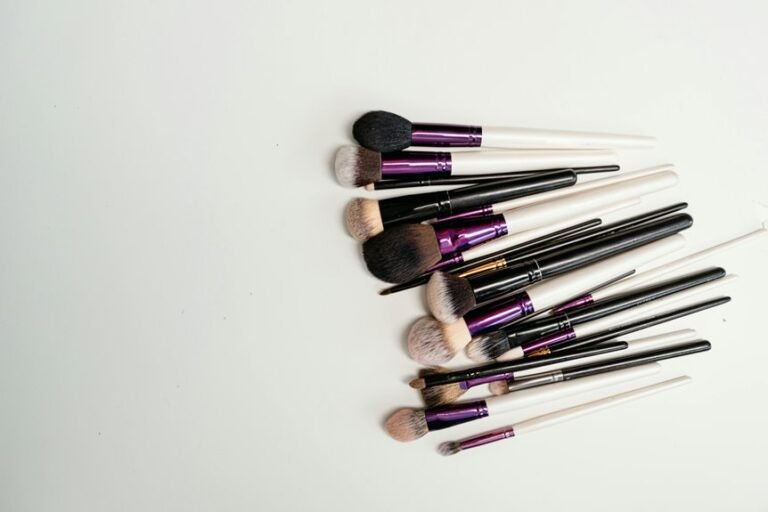
Clean tools are essential in the initial 24 hours after Botox because newly treated skin remains vulnerable to bacterial contamination and irritation. Proper tool hygiene reduces avoidable complications and supports a smooth recovery. Brush sanitation should be verified before any product contact, especially whenever users wish to maintain a polished routine without compromising healing.
- Use freshly cleaned brushes and sponges only.
- Disinfect handles, palettes, and applicators before use.
- Replace visibly worn or contaminated tools promptly.
- Store makeup items in a dry, protected place.
A sterile approach helps treated individuals feel included in safe, disciplined aftercare while limiting exposure to microbes. Gentle, clean application is the standard during this period, and it aligns with clinical guidance that prioritizes skin closure and stability over cosmetic convenience.
Avoid Pressure Areas
Pressure should be avoided on treated areas for the initial 24 hours after Botox because compression, rubbing, and repeated contact can irritate injection sites and increase the risk of Botox migration.
During this period, makeup should stay clear of pressure zones such as the forehead, glabella, and periorbital skin, where even light force might disturb settling.
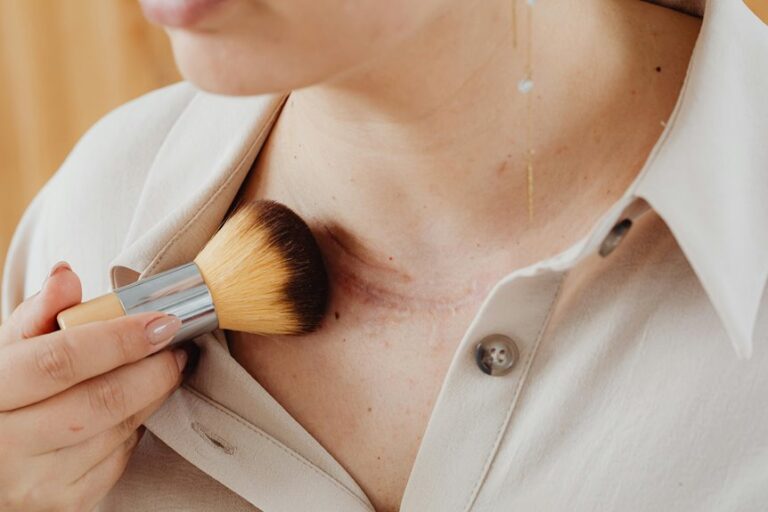
Should cosmetic application be necessary, it should be limited to adjacent areas and performed with a clean brush using minimal contact.
Avoiding compressed skin supports healing, reduces redness, and helps preserve treatment accuracy.
Patients who follow this approach usually experience fewer complications and a smoother recovery.
Gentle technique is not restrictive; it is a practical standard that aligns with safe post-procedure care and protects results.
Which Makeup Products Are Best After Botox?
- Mineral foundation with sheer coverage
- Fragrance-free concealer in thin texture
- Powder blush applied with a clean brush
- Oil-free setting powder, used sparingly
These products reduce clogging risk and limit pressure on healing skin. Clean tools remain essential, because contaminated applicators can introduce bacteria.
Heavy creams, dense balms, and full-glam palettes are less appropriate during the initial healing period, as gentle application is still clinically preferable and complications are best avoided.
How to Cover Redness Without Irritating Skin
Redness after Botox is best covered with a gentle, non-comedogenic concealer that offers light coverage without heavy occlusion.
Application should be minimal and low-contact, using a clean brush or fingertip to dab product only after the treated skin has adequately closed.
Excessive rubbing, layering, or blending over injection sites can increase irritation and should be avoided.
Gentle Concealer Choices
Gentle concealer selection after Botox should prioritize low-irritation, lightweight formulas that can mask residual redness without requiring pressure or heavy blending. A non comedogenic concealer reduces the likelihood of pore blockage, while mineral based coverage might suit sensitive, post-procedure skin. The most suitable products are fragrance-free, buildable, and designed for calm, even correction rather than full camouflage.
- Choose peach or neutral tones for localized redness.
- Prefer cream-to-light liquid textures over thick balms.
- Select ophthalmologist-tested options when the treated area is near the eyes.
- Use clean packaging to support a shared standard of hygiene.
Such restrained choices help individuals feel composed and included while protecting the healing skin barrier.
Low-Contact Application Tips
A low-contact approach helps reduce irritation while covering redness after Botox through minimizing pressure, friction, and repeated passes over treated skin. The safest method relies on minimal touch techniques: a lightly loaded brush or sponge is tapped, not dragged, across areas adjacent to injection sites.
Clean applicator hygiene is essential; tools should be freshly washed or disposable to limit bacterial transfer. Product should be deposited sparingly, then blended with short, controlled motions that avoid rubbing. Non-comedogenic formulas are preferred because they sit lightly and reduce congestion.
When redness remains visible, it is better to build coverage gradually than to press harder. This disciplined method supports healing, preserves comfort, and helps individuals maintain a polished appearance while respecting the skin’s recovery process.
What to Avoid Near Botox Injection Sites
For the initial 24 hours after Botox, the treated areas should be kept free of makeup, scrubbing, facial massage, heavy blending, and any product applied with dirty tools or sponges, since these can introduce bacteria, increase irritation, and create pressure that could alter toxin placement. This period is best treated as a recovery window for anyone seeking predictable results and a sense of shared confidence.
- No thick foundation near injection points
- No reused brushes, sponges, or applicators
- No rubbing, pressing, or circular buffing
- No heavy product buildup over tender skin
Such precautions reduce makeup contamination risks and support avoiding heavy product buildup. Gentle, clean practice helps the skin settle without unnecessary disturbance, allowing individuals to return to their routine with greater reassurance and fewer complications.
How to Tell Your Skin Is Ready for Makeup
Skin is generally ready for makeup once the injection points are closed, there is no active tenderness or bleeding, and visible swelling or redness has begun to settle.
Additional skin readiness cues include a smooth surface without warmth, stinging, or bruising that appears to be expanding. Provided the area tolerates light cleansing and brief contact from a fingertip without discomfort, makeup might be introduced cautiously.
A makeup compatibility trial on a small, less visible area can confirm that the skin accepts product without irritation. Clean tools, lightweight formulas, and gentle dabbing are preferred.
Belonging in a polished routine is best preserved through moving slowly, observing the skin closely, and choosing restraint over coverage whenever any sensitivity remains.
When to Call Your Injector About Skin Concerns
Contact the injector promptly if redness, swelling, tenderness, or bruising worsens instead of improving, or when the treated area becomes warm, painful, or increasingly irritated after makeup use.
These changes might indicate inflammation or signs of infection, and timely assessment supports safe recovery.
- Increasing pain or heat
- Spreading redness or swelling
- Pus, drainage, or fever
- New asymmetry after product application
Whenever any of these occur, contact your injector rather than applying more cosmetics or trying to mask the area.
Prompt communication helps the patient remain informed, protected, and included in a shared recovery plan.
Gentle monitoring is appropriate, but worsening symptoms should not be ignored.
Timely review allows prompt guidance, reduces complication risk, and preserves ideal Botox results.
Frequently Asked Questions
Can I Wear Sunscreen With Makeup After Botox?
Yes, sunscreen can be worn with makeup after Botox once injection sites have closed, usually after several hours. Sun protection should be applied gently initially. Cosmetic layering should remain light, clean, and nonrubbing.
Does Sweating Affect Makeup After Botox?
Yes, sweat can blur foundation like rain on fresh paint, causing sweat and makeup transfer and post Botox skin irritation. Clinicians advise avoiding heavy exertion for 24 hours to preserve clean, settled skin and minimize complications.
Can I Use a Makeup Sponge After Botox?
A makeup sponge should be avoided for several hours after Botox because sponge contamination risk and pressure can irritate punctures. After waiting, only clean, dry tools with strict makeup tool hygiene should be used gently.
Should I Change My Skincare Routine Before Makeup?
Yes, your routine should be streamlined with a gentle cleanser, bland moisturizer, and no active exfoliants before makeup. Like a locked gate, treated skin benefits from skincare adjustments that preserve makeup compatibility, reducing irritation and promoting calm healing.
Can I Wear Makeup if I Have Minor Bruising?
Yes, minor bruising can be covered once the injection sites have closed, typically after several hours. Bruise coverage should use gentle application with clean tools, avoiding pressure, friction or heavy blending to preserve healing and reduce irritation.