Makeup shelf life varies by formula, packaging, and storage conditions. Powder products often outlast liquids, while mascara remains one of the shortest-lived items in a routine. Foundation, concealer, lipstick, and color cosmetics each follow different replacement windows, and those limits are not always obvious at initial glance. The useful question is not whether makeup looks usable, but whether it still performs safely and consistently.
How Long Does Makeup Last?
How long makeup lasts depends on the product type, its formula, and whether it has been opened.
Powder formulas usually remain stable longer than liquids when makeup storage is dry and sealed, supporting product hygiene and limiting contamination.
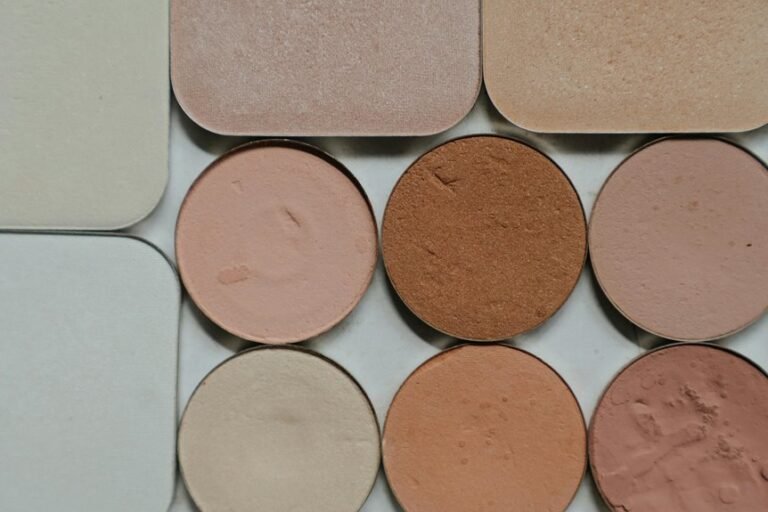
Face palettes and pressed powders generally last 12 to 24 months, while eyeshadow powders are best used within 12 months around the eyes.
Powdered blush often remains usable for 1 to 2 years, and mineral powders can last 2 to 3 years provided kept free of moisture.
Loose mineral powder can last indefinitely while protected from humidity.
Expiration is signaled by odor, clumping, or texture change, indicating a shared need for replacement.
How Long Does Foundation Last?
Foundation wear time typically ranges from 6 to 24 months after opening, with many liquid formulas reaching peak usability at about 6 to 12 months.
Longevity is influenced by formulation, storage conditions, and exposure to air, heat, and contamination.
Signs that touch-ups or replacement are needed include separation, color shift, and an off odor.
Average Foundation Wear Time
Liquid foundation generally remains usable for 6 to 24 months after opening, with many formulas showing a practical lifespan of about 6 months once in use. This average wear duration reflects a stable period for daily application, while coverage longevity typically holds through a standard day when the product is stored and applied properly.
In the shared routine of consistent makeup use, users often regard this window as the point at which texture and performance remain dependable. Some liquid foundations are labeled for about one year, and unopened containers may remain usable longer.
Once the product is opened, the expected service period shortens. For a crowd seeking reliable results, the key benchmark is consistent finish retention rather than maximum calendar life.
Factors That Affect Longevity
Longevity depends primarily on storage conditions, exposure to air, and contamination introduced during use. For liquid foundation, product ingredients strongly influence stability, especially water content, oils, and preservative systems. Communities that prioritize reliable routines observe these controls:
- Keep caps sealed tightly after each use.
- Store products in cool, dry storage conditions.
- Avoid heat, humidity, and direct sunlight.
- Use clean hands or tools to limit contamination.
- Track opening dates to estimate remaining usability.
Liquid formulas usually remain usable for 6 to 24 months after opening, with many lasting about 6 months in regular rotation.
Unopened bottles could persist longer, but once exposed, oxidation and microbial risk increase. Powder formats are generally more durable because reduced moisture limits degradation and supports a steadier performance profile.
Signs It Needs Touch-Ups
A foundation’s need for touch-ups is typically signaled via visible breakdown in coverage, texture, or wear. Whenever pigment begins to fade around the nose, cheeks, or chin, or whenever product collects in pores and fine lines, the finish is no longer uniform. Excess oil creating a reflective surface indicates reduced midday shine control, especially in combination or oily skin.
Patchiness, transfer onto clothing, and oxidation-driven color shift also suggest the formula is reaching its practical wear limit. In a well-maintained routine, touch up frequency should be guided by these changes rather than with the clock alone. Lightweight blotting, then strategic reapplication, helps restore cohesion without layering excess product. This approach supports a polished appearance while preserving skin-like texture and a stable, camera-ready finish.
How Long Does Concealer Last?
Concealer typically lasts about 6 to 24 months, depending on the formula and ingredients, though many liquid concealers have a shorter practical lifespan of around 6 months after opening. For users seeking reliable performance, monitoring coverage consistency and concealer texture is essential, since separation, thickening, or odor changes often signal degradation.
- Liquid formulas: about 6 months
- Typical concealers: about 1 year
- Ingredient-sensitive formulas: 6 to 24 months
- Powdered concealers: 1 to 2 years
- Unopened shelf life: up to 3 years
A well-maintained product supports a smoother, more unified appearance, helping individuals feel included in a polished routine. Stored tightly closed, away from heat and moisture, concealer retains better stability and daily usability for longer.
How Long Does Powder Makeup Last?
Powder makeup generally has a longer usable life than liquid formulas because the lower water content reduces microbial risk and slows formula breakdown. In most powder formula types, longevity depends on pigment load, binder strength, and exposure to moisture.
Pressed face powders and palettes usually remain stable for 12 to 24 months, while powdered blush often performs well for 1 to 2 years. Eyeshadow powders are best treated more conservatively, with about 12 months of safe use near the eyes.
Mineral loose powders can last indefinitely provided they are kept dry, and mineral makeup often remains serviceable for 2 to 3 years. Careful powder storage, including tight lids and dry applicators, helps preserve texture, performance, and the shared confidence of a polished routine.
How Long Does Mascara Last?
Mascara typically has a shelf life of about one year unopened and roughly three months after initial use.
Expiration is indicated by changes in texture, odor, or performance, including clumping, dryness, or irritation during application.
For safety, replacement at the three-month mark is generally recommended to reduce contamination risk and preserve eye health.
Mascara Shelf Life
Product longevity in mascara is typically short because the formula is applied close to the eyes and is prone to bacterial contamination and drying. In practical terms, the tube is usually most reliable for about 3 months after initial use, with some products remaining acceptable up to 6 months if storage hygiene is disciplined. Users who value routine consistency often protect formula integrity by limiting air exposure and minimizing brush contamination.
- Unopened shelf life: about 1 year
- After opening: about 3 months
- Extended use: up to 6 months
- Wipe wand periodically
- Never share the tube
This timeline helps individuals align with shared safety standards while maintaining a polished appearance.
Signs Of Expiration
Whenever mascara begins to expire, the change is usually evident in both texture and scent: the formula may thicken, dry out, separate, or develop an unusual odor.
These texture changes often reduce even application and indicate that the emulsion is no longer stable. Clumping, flaking, and uneven pigment transfer are common signals that the product is past its prime.
A noticeable unusual odor suggests microbial growth or ingredient degradation, especially once the tube has been opened repeatedly. For users who value a polished, shared beauty routine, these signs matter because they affect performance, comfort, and eye safety.
Any mascara that shows persistent separation, altered consistency, or scent distortion should be treated as expired, even though some product remains inside the tube.
Safe Replacement Timing
- Opened lifespan: about 3 months
- Unopened shelf life: about 1 year
- Typical practical use: up to 6 months
- Clean wand with alcohol every 2–3 uses
- Never share mascara with others
Consistent sanitation habits reduce contamination risk, while replacement alerts help maintain disciplined rotation. When texture thickens, odor changes, or application becomes uneven, disposal should occur immediately, regardless of date.
How Long Does Eyeliner Last?
Eyeliner lifespan depends on the formula, with pencil liners typically lasting 1 to 2 years and sharpened pencils remaining usable for up to 2 to 3 years, while liquid eyeliners generally expire after about 3 to 6 months from initial use. For winged liner styles, precision declines as pigments dry or applicators fray. Pencil sharpening tips improve hygiene and restore a clean point, reducing bacterial buildup. | Type | Typical life |
| — | — |
|---|---|
| Pencil | 1–2 years |
| Sharpened pencil | 2–3 years |
| Liquid or gel | 3–6 months |
Users who prefer dependable results should inspect texture, odor, and glide; changes signal replacement. Stored capped and cool, formulas retain performance longer. Shared kits should be avoided, since eye-area contamination can spread quickly among close circles.
How Long Does Lipstick Last?
Lipstick typically remains wearable for 6 to 18 months after opening, although formula type and storage conditions can shift that range.
Longevity is reduced by heat exposure, frequent use, and contamination from direct application or shared use.
Reapplication becomes necessary once color intensity fades, texture becomes uneven, or the finish no longer adheres uniformly.
Typical Lipstick Wear Time
Typical lipstick wear time is generally 12 to 18 months after opening, although some formulas should be replaced after about 6 months because the product can begin to deteriorate. In practical use, wear time and shelf life differ; a tube might remain serviceable while still failing to deliver consistent all day comfort or controlled color transfer.
- Cream formulas often feel most balanced.
- Matte formulas might appear stable longer.
- Gloss hybrids usually show faster change.
- Strong odor shifts signal degradation.
- Texture separation indicates replacement is due.
For users who want reliable performance, inspection should be routine: smooth application, even payoff, and stable scent indicate acceptable condition. Whenever these markers decline, the lipstick no longer supports dependable wear or a polished shared standard.
Factors Affecting Longevity
Product longevity depends on formula composition, storage conditions, and frequency of use, with wax- and oil-based blends generally holding stability longer than softer emulsions.
For lipstick, the practical lifespan usually falls between 12 and 18 months, though some sticks might remain usable up to two years provided handled consistently.
Heat, humidity, and repeated exposure to air accelerate ingredient separation and pigment drift.
Tight caps, minimal twist-up exposure, and hygienic application reduce contamination, especially in shared beauty routines where product integrity supports a polished, cohesive look.
Packaging design also matters: airtight barrels and sturdy closures protect volatile oils and maintain texture.
Dark, cool storage conditions preserve color fidelity and scent, helping lipstick perform predictably across daily wear cycles.
Signs It Needs Reapplying
As lipstick starts to fade, feather, or transfer noticeably onto cups, masks, or skin, reapplication is usually warranted. In technical terms, coverage failure appears as fade and patchiness at the inner lip, loss of edge definition, and reduced color depth after speech, eating, or drinking. Oily breakthrough can accelerate breakdown, especially on emollient formulas and unblotted lips.
- Check for uneven color loss.
- Inspect lip borders for feathering.
- Observe transfer after one sip or kiss.
- Reapply whenever comfort declines or dryness appears.
- Replace layering whenever texture turns thick or gritty.
For those wanting a polished, included look, a thin fresh coat restores symmetry and keeps the finish cohesive. Whenever color no longer reads uniformly, the formula has likely exceeded its practical wear window.
How Long Do Blush, Bronzer, and Highlighter Last?
Blush, bronzer, and highlighter are generally powder products with a shelf life of about 1 to 2 years after opening, though mineral-based versions can last up to 2 to 3 years provided kept dry and uncontaminated. Within a makeup community, reliable use depends on careful inspection and Powder pan hygiene.
| Product | Typical lifespan | Key check |
|---|---|---|
| Blush | 12–24 months | Texture consistency |
| Bronzer | 12–24 months | Shade shift updates |
| Highlighter | 12–24 months | Surface integrity |
Compressed powders usually expire sooner provided exposed to moisture, oils, or repeated brushing across the surface. Mineral formulas resist degradation longer, but performance still declines whenever binders deteriorate. A secure routine includes monitoring odor, payoff, and color fidelity. Once the finish becomes uneven or the tone changes, replacement is the technically sound choice for continued, shared confidence.
How Can You Make Makeup Last Longer?
Makeup lasts longer as exposure to air, heat, moisture, and contamination is minimized, since these factors accelerate oxidation, separation, microbial growth, and texture breakdown. Practical makeup storage tips preserve formula integrity and support a polished routine for a shared beauty standard.
- Keep lids tightly sealed after each use.
- Store products in a cool, dry drawer.
- Avoid bathroom humidity and direct sunlight.
- Use clean brushes, sponges, and applicators.
- Apply primers and setting sprays as application prep tricks.
These controls reduce product stress and improve adhesion, finish consistency, and wear time across liquids, creams, and powders. Sanitized tools also limit transfer of oils and debris, helping formulas remain stable. Coordinated habits like these allow makeup to perform more predictably and help users feel prepared, composed, and included throughout the day.
When Should You Toss Expired Makeup?
Even with careful storage and hygienic application, makeup should be discarded once its expected lifespan has passed or its formula shows signs of deterioration. Expiration is not determined solely by the printed PAO symbol; product class, storage conditions, and hygiene practices alter usable duration.
Liquid foundations, concealers, mascaras, and gel or liquid eyeliners warrant closer inspection because instability, separation, odor shifts, or texture changes signal microbial risk. Powders tolerate longer use when kept dry, but caking, discoloration, or eye-area irritation justify disposal.
Lip products should be replaced if waxes deteriorate or scent changes. For a community that values safe routines, adherence to these limits supports consistent performance and reduces exposure to contamination, especially near mucous membranes. If in doubt, discard.
Frequently Asked Questions
Can Makeup Expire Before the Printed Expiration Date?
Yes, makeup can expire before the printed date. Exposure, contamination, heat, and air undermine product stability which makes expiration myths misleading. Users should inspect texture, scent, and separation to support safe and informed decisions.
Does Storing Makeup in Heat Shorten Its Shelf Life?
Indeed, storing makeup in heat shortens shelf life. Heat damage effects accelerate separation, oxidation, and microbial growth, while warm storage risks compromise texture and safety. When properly kept, formulas remain stable and users stay informed together.
How Often Should I Clean Makeup Brushes?
Brush cleaning frequency is typically weekly for frequently used brushes, with deep cleaning methods every two to four weeks. This routine reduces contamination, preserves performance, and helps users feel included in a hygienic routine.
Can I Use Old Makeup if It Still Looks Normal?
No, looks can be deceiving. Old makeup might appear normal while ingredient separation, texture changes, or odor indicate instability. Users should discard expired formulas, especially eye products, to confidently reduce the risk of irritation and infection.
Is It Safe to Share Makeup With Others?
It is generally unsafe to share makeup with others because makeup hygiene declines and contamination risks rise. Shared applicators can transfer bacteria, viruses, and eye infections. Personal products better protect group inclusion and skin health.