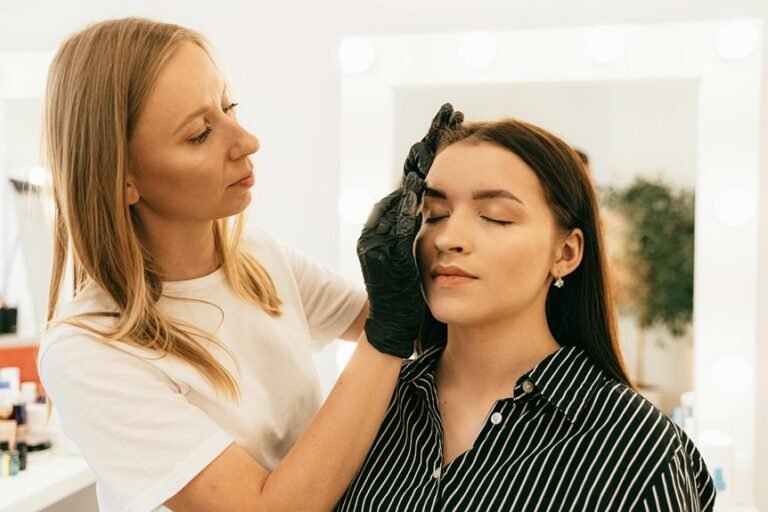
Have you ever noticed how your makeup looks different in various lighting? Lighting plays a crucial role in how you apply and evaluate your makeup. It can change the way you perceive colors and textures, making your foundation appear lighter or your blush more vibrant.
Consider these questions:
What type of lighting helps you achieve the best makeup look?
How do different environments affect your final appearance?
Understanding how lighting affects makeup can transform your beauty routine.
Key Takeaways
Natural daylight is the best lighting for makeup application. It reveals true colors and textures, helping you achieve a flawless look.
Use daylight-mimicking bulbs (5000K–6500K) to ensure accurate color representation. This helps avoid mismatched makeup choices.
Position your lighting at face height and use side lighting to minimize shadows. This creates a more flattering and even application.
Avoid applying makeup under harsh artificial lights, like fluorescent bulbs. They can distort colors and wash out your features.
Experiment with different lighting conditions to find what works best for your makeup. This can enhance your overall appearance.
Why Lighting Matters
Lighting significantly impacts how you perceive your makeup. It can alter the colors and textures, leading to different results than you expect. Understanding these changes can help you achieve a flawless look.
Color Perception Changes
Different lighting types can dramatically shift how colors appear on your skin. For example, warm indoor lighting can make a foundation look darker or more orange than it truly is. Conversely, cool lighting can wash out your complexion, making it difficult to see the true shades of your makeup.
Lighting Type | Effect on Color Perception |
|---|---|
Warm Light (below 3500K) | Adds yellow/red tones to skin, distorting foundation shade |
Cool Light (above 6500K) | Can make skin look washed out and flat |
Daylight (5000K–6500K) | Reveals true colors and undertones, ideal for makeup application |
Natural daylight is the best option for makeup application. It provides a balanced spectrum that accurately represents colors. Using lights that are too warm or too cool can lead to mismatched makeup choices.
Texture Visibility Issues
Lighting also affects how textures appear on your skin. Proper lighting helps blend makeup with your natural skin tone, creating a smooth finish. When you apply makeup under poor lighting, imperfections can become more visible. Shadows can exaggerate flaws, making your skin look uneven.
Good lighting diffuses across makeup layers, enhancing the overall appearance. It minimizes the visibility of imperfections, allowing your makeup to look vibrant and fresh. To achieve the best results, use lighting that mimics natural daylight. This approach ensures that you see how your makeup truly looks, helping you avoid harsh lines and unflattering textures.
Natural vs. Artificial Lighting
When it comes to makeup application, understanding the differences between natural and artificial lighting is essential. Each type of lighting has its unique effects on how your makeup appears, influencing your choices and the final look.
Benefits of Natural Light
Natural daylight is often considered the gold standard for makeup application. Here are some key benefits:
True Color Representation: Natural light provides a balanced spectrum that reveals the true colors of your makeup. This clarity helps you choose the right shades for your skin tone.
Flattering Illumination: Daylight enhances your complexion, making your skin look fresh and vibrant. It minimizes shadows and highlights, allowing for a more even application.
Consistency: Natural light remains consistent throughout the day, helping you maintain a cohesive look whether you’re indoors or outdoors.
Studies show that daylight is crucial for accurate makeup application. It allows you to see how your makeup will look in various environments, ensuring you avoid mismatched colors.
Drawbacks of Artificial Light
While artificial lighting can be convenient, it often falls short compared to natural light. Here are some drawbacks:
Color Distortion: Many artificial lights, especially warm bulbs (2700K-3000K), can distort colors. They may make your foundation appear more orange or yellow, leading to poor shade selection.
Inconsistent Quality: Different types of artificial lights produce varying results. For example, fluorescent bulbs emit a bluish tint that can misrepresent your makeup colors. In contrast, incandescent bulbs provide a warm glow but may not reflect true colors accurately.
Limited Spectrum: Artificial lights often lack the full spectrum of daylight, which can lead to an inaccurate representation of your makeup. This limitation can make it challenging to assess how your makeup will look in natural settings.
Light Type | CRI | R9 | Spectral Characteristics |
|---|---|---|---|
Incandescent | High | High | Warm light, enhances makeup in low light |
Fluorescent | <85 | <20 | Poor color rendering, bluish tint |
LED | High | High | Mimics natural light, ideal for makeup |
LED lights are particularly beneficial for makeup application. They provide bright, white illumination that closely resembles natural daylight. This consistency allows you to see how your makeup will appear in various settings, ensuring a more natural look.
Perfect Makeup Lighting Tips
Creating the perfect makeup lighting setup can significantly enhance your makeup application experience. Follow these tips to optimize your space and choose the right light bulbs.
Setting Up Your Space
To achieve the best lighting for makeup, consider these steps:
Choose balanced, daylight-mimicking bulbs (5000K–6500K, 90+ CRI) for true-to-life color representation.
Opt for front-facing, diffused light sources to minimize shadows on your face.
Invest in wide, adjustable mirrors and portable options for versatility in different settings.
Regularly check and clean your setup to ensure optimal lighting conditions.
Proper placement of mirrors and light sources can make a big difference. Avoid overhead lighting, as it shines directly down and creates shadows. Instead, use side lighting that mimics natural sunlight. This type of illumination enhances your facial contours and provides a more flattering look.
Position lighting at face height and angle it slightly forward to minimize shadows.
Use vertical LED strips or globe bulbs on both sides of the mirror to prevent shadows in common areas like the jawline and cheekbones.
Ensure that lighting shines directly onto your face for an even view of your features.
Choosing Light Bulbs
Selecting the right light bulbs is crucial for achieving perfect makeup lighting. Here are some tips to guide your choice:
The ideal color temperature for makeup lighting falls between 3000K and 5000K. This range closely mimics natural daylight and enhances the visibility of skin tones and makeup colors.
Professional makeup artists recommend using light sources that emit between 1000 to 1400 lumens. This brightness ensures accurate color representation, which is essential for achieving your desired look.
Aim for bulbs with a Color Rendering Index (CRI) as close to 100 as possible. A higher CRI allows for better color accuracy, making it easier to see the true colors of your makeup products.
When natural light is unavailable, opt for white light that closely mimics daylight. Avoid applying makeup during golden hour or under fluorescent lighting, as these conditions can distort colors. For bathroom lighting, create cross illumination or side lighting to ensure even light distribution. Soft lights can provide a flattering effect, giving your skin a smooth appearance.
By following these tips, you can create a makeup space that maximizes the benefits of lighting. This setup will help you achieve a flawless look every time you apply your makeup.
Lighting Effects on Final Look
Makeup Under Different Conditions
Different lighting conditions can significantly change how your makeup appears. Here are some common environments and their effects:
Natural Light: This is the best option for makeup application. It provides a balanced color spectrum, allowing you to see true shades and textures. You can achieve a flawless look when applying makeup near windows during the day.
Incandescent Light: This warm light enhances skin tones but can create shadows. It may misrepresent colors, making your foundation look darker than it is.
Fluorescent Light: This type of lighting is cooler and harsher. It often washes out colors, leading to unflattering effects. Avoid applying makeup under fluorescent lights if possible.
LED Light: These lights mimic natural light effectively. They are versatile and energy-efficient, making them a great choice for makeup application.
Remember, bright, natural light may make your makeup look flawless, while candlelight can soften your appearance. Quality lighting minimizes harsh shadows, helping to disguise imperfections.
Adjusting for Theatrical Lighting
Theatrical lighting presents unique challenges for makeup application. Here are some adjustments you can make to ensure your makeup looks great on stage:
Use darker and warmer foundation to counteract bright stage lighting.
Ensure your makeup is bold and visible from a distance. This helps your features stand out under intense lights.
Reflect the character’s traits through your makeup choices. This adds depth and authenticity to your performance.
Adapt your makeup style based on the type of performance. For example, a dramatic look may require more intense colors.
Choose high-pigment, long-lasting products to withstand the rigors of stage lighting.
Aspect | Description |
|---|---|
Makeup Testing | Test your makeup under actual performance lighting. |
Intensity Adjustment | Adjust makeup intensity based on different lighting. |
Lighting Types | Different stage lights affect makeup appearance. |
Color Principles | Consider color absorption and reflection in lighting. |
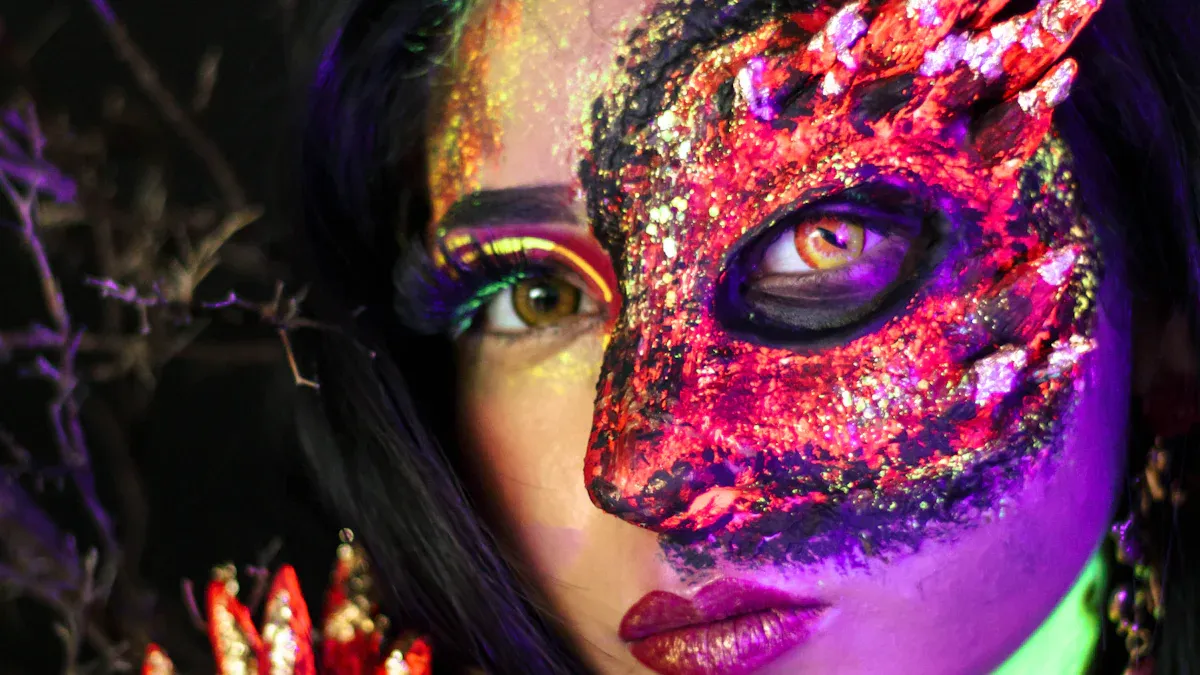
Special Effects | Use reflective or UV-reactive elements for impact. |
By understanding how different lighting conditions affect your makeup, you can make informed choices that enhance your overall appearance.
Lighting plays a vital role in how your makeup appears. Proper positioning and consistent lighting can enhance visibility and reduce shadows. Remember, the ideal color temperature for makeup lies between 3000K and 5000K. Experiment with different lighting conditions to discover what works best for you. Many in the beauty community share their journeys and tips on social media, emphasizing the importance of connection and collaboration.
Share your experiences with lighting and makeup! What have you learned about how lighting affects your look?
FAQ
What type of lighting is best for applying makeup?
Natural daylight is the best lighting for makeup application. It provides a balanced spectrum that reveals true colors and textures, helping you achieve a flawless look.
How can I improve my makeup lighting at home?
Use daylight-mimicking bulbs (5000K–6500K) and position them at face height. Avoid overhead lighting and opt for side lighting to minimize shadows.
Why does my makeup look different in photos?
Different lighting conditions can distort colors and textures. Bright, natural light enhances your makeup, while harsh artificial light may wash out your features.
Can I use LED lights for makeup application?
Yes! LED lights mimic natural daylight effectively. They provide bright, consistent illumination, making them ideal for accurate makeup application.
How do I adjust my makeup for stage lighting?
Use darker and bolder colors to counteract bright stage lights. Test your makeup under similar lighting conditions to ensure it looks great on stage.