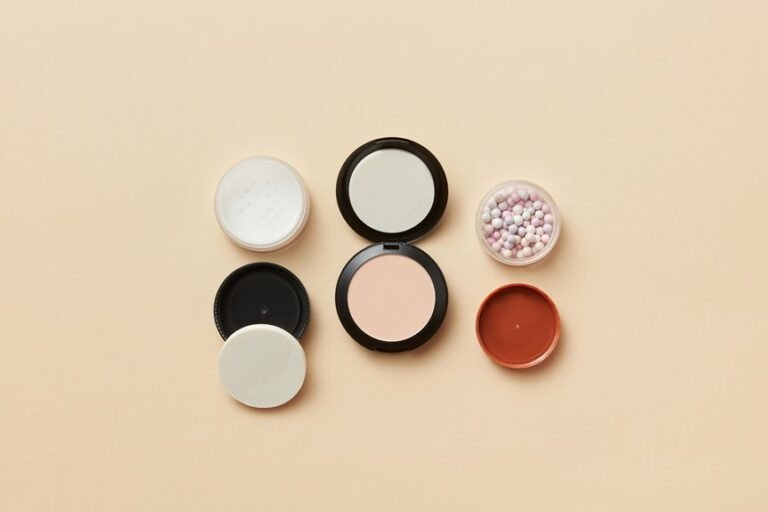
Contour makeup helps you shape your face with soft shadow, not heavy color. Whenever you place it under your cheekbones, along your jaw, or near your nose, you can make features look more defined without looking harsh. The trick is choosing the right shade and blending it well, so the effect feels natural, not painted on. Once you know how contour differs from bronzer and highlight, the rest starts to make a lot more sense.
What Is Contour Makeup?
Contour makeup is a smart way to shape the face with shadow. You use a shade 1 to 2 tones deeper than your skin to add depth, while keeping the result soft and real.
In contour makeup history, artists used this trick in classic film and stage work, and stars like Audrey Hepburn and Marilyn Monroe helped make it familiar. Later, celebrity contour evolution brought it into everyday routines, so you could try the same polished look without feeling out of place.
As you understand contour, you join a style that many people already love. It’s not about hiding yourself. It’s about working with your features, feeling seen, and building confidence with makeup that fits your face and your mood.
How Contour Makeup Makes Features Stand Out
When you place shade in the right spots, your face can look instantly more defined without looking overdone. You guide the eye where you want it to go, and that shift creates facial dimension.
Darker color in the hollows under your cheekbones, along the temples, and near the jaw makes those areas recede a little. As a result, your natural bone structure shows up more clearly.
Careful shadow placement also helps your features feel balanced, so your eyes, nose, and lips seem to stand out in a softer way. As you blend the edges, the effect still looks like you, just a bit more polished.
That’s the sweet spot, because you can join the sculpted look without feeling masked.
Contour Makeup vs. Bronzer and Highlight
Contour sits in the hollows and shadow zones of your face, while bronzer warms the skin and highlight pulls your best features forward.
Once you place contour with care, you can shape cheekbones, slim the jaw, and soften the forehead without looking heavy. Then a light highlight adds dimension, so your face still looks natural, balanced, and bright.
Contour Placement Basics
Although contour, bronzer, and highlight all shape the face, they each do a different job, and grasping that difference makes the whole process feel a lot less confusing. With contour mapping, you place shadow where your face naturally falls back, so you build face balance without guessing. Try this simple guide:
- Sweep under the cheekbone.
- Tap along the temples.
- Trace the jawline softly.
- Blend beside the nose in case needed.
These spots help you see where your features can look a little more defined, but still like you. Keep the color close to your skin’s depth, then soften every edge with a brush or sponge. Once you work this way, your makeup feels easy, familiar, and made for real life, not a stage.
Bronzer Vs. Contour
Bronzer and contour can look similar at initial glance, but they do very different jobs on your face. Bronzer adds warmth, so you get a sun kissed finish and a soft warm glow that feels like you just got back from a good day outside. Contour works by creating shadow, which helps your features look more shaped and defined.
Whenever you want that easy, real-life look, choose bronzer for the places where the sun would naturally hit. Use contour in the hollows or along edges where you want gentle depth. As you pair the two well, your makeup feels balanced, friendly, and polished, not heavy or obvious. That mix helps you look like yourself, just a little more put together.
Highlight For Dimension
Once you’ve added bronzer for warmth and contour for shadow, highlight brings the whole look to life by pulling light to the places you want people to notice initially. You don’t need a stripe of sparkle; you need a soft reflective sheen that supports facial balance and keeps your features looking like they belong together. Try this:
- Tap it on the tops of your cheekbones.
- Place a little on the bridge of your nose.
- Brighten the center of your forehead.
- Finish with a touch on your chin and cupid’s bow.
Each spot lifts the face without shouting.
As you blend well, you’ll look fresh, open, and part of the group, even in bright light. Keep the glow subtle, so your skin still looks like skin.
Choose the Right Contour Makeup Shade
Choosing the right contour makeup shade starts with one simple rule: your contour should look like a real shadow, not like a second foundation.
Start with undertone matching, because a cool or neutral shade usually blends into skin more naturally.
When your seasonal skin tone changes through the year, examine your shade on your jaw in daylight, not on your hand.
You want a soft, believable depth that feels like it belongs on your face.
For fair skin, choose a light taupe. For medium skin, try a muted mocha. For deep skin, look for rich espresso tones with no red cast.
Whenever you feel unsure, pick the softer option initially.
A gentle shade gives you room to build confidence without looking obvious.
Pick the Best Contour Makeup Formula
Picking the best contour formula starts with how you want your makeup to wear, because cream and powder each give you a different feel and finish.
You’ll also want to consider shade depth, since a contour that’s only 1 to 2 shades deeper than your skin tone looks more natural and believable.
From there, focus on blendability and finish so your contour softens easily and still leaves your features looking defined, not harsh.
Cream Vs Powder
When it comes to contour makeup, the best formula often depends on your skin and the finish you want, because cream and powder each create a different kind of shadow. If you like a soft, blended look, cream contour hugs the skin and melts in easily. If you want fast definition, powder contour gives you clean edges with less effort. Consider it like picking the right jacket for the day.
- Cream feels smooth on dry skin.
- Powder works well on oily skin.
- Cream blends like a whisper with a damp sponge.
- Powder sweeps on like a soft veil with a fluffy brush.
You don’t need to choose sides forever. Many people mix both, so you can feel confident, polished, and part of the contour club.
Shade Depth
Shade depth is the quiet secret that makes contour look believable instead of painted on. You want a shade that fits your depth matching, not a random brown that fights your face. Consider it like a soft shadow at dusk.
| Skin tone | Good depth | Mood |
|---|---|---|
| Fair | 1 shade deeper | Soft |
| Light-medium | 1 to 2 shades deeper | Natural |
| Deep | Rich neutral depth | Seamless |
| Warm olive | Cool or neutral depth | Balanced |
Undertone selection matters too. Should your skin read cool, reach for a taupe contour. Should it lean warm, choose a muted neutral so you don’t look muddy. This is how you join the “my contour just works” club. With the right depth, your features stay yours, only a little more defined.
Finish And Blendability
A contour can look perfect in the pan and still fall apart on your face whenever the formula fights your skin, so finish and blendability matter just as much as the shade itself. Whenever you choose the right finish quality, you help your features look like they belong to you, just a little more defined.
Creams melt in, powders stay crisp, and both can feel natural whenever you move them with care.
- A damp sponge gives soft edges.
- A dense brush presses color where you want it.
- A fluffy brush adds seamless diffusion around the cheek hollow.
- A light powder sets the shape without killing glow.
If your contour glides, builds, and softens, you’ll feel confident in any room, because your makeup won’t look separate from you.
Apply Contour Makeup to Your Cheeks
Blend with a brush or sponge until the edge melts into your skin, but don’t erase it fully. That gentle blur creates lifted cheek contour and helps your face look shaped, not marked. Should you’re nervous, build slowly. A little depth goes a long way, and you’ll fit right in with that polished, effortless vibe everyone notices.
Contour Your Jawline, Nose, and Forehead
Once your cheeks have that soft lift, you can shape the rest of your face so everything feels balanced and natural.
For jawline definition, trace shadow under the edge of your jaw and toward the chin, then keep it soft so you still look like you. For forehead slimming, add contour along the temples and hairline where light would skip over the skin.
To help you imagine it, consider of: 1. a gentle frame at the jaw, 2. a cool shadow near the ears, 3. a narrow band at the hairline, 4. a light touch beside the nose.
These small moves keep your features connected, not separate. You’ll look polished, welcome in every room, and still completely yourself, which is really the point.
Blend Contour Makeup for a Natural Finish
Blending is where contour makeup starts looking like real skin, because soft edges let the shadow do its job without shouting for attention. You want seamless blending, so use a damp sponge or dense brush and tap, then sweep, until the color melts into your skin.
Keep the contour where you placed it, but blur the borders so your face still shows shape and lift. Work in thin layers, since you can always add more for a natural finish.
Check your makeup in daylight should you be able to, because it helps you see whether the shadow looks smooth and not patchy. As you blend with patience, you stay in control and your features feel polished, comfortable, and part of the room.
Fix Common Contour Makeup Mistakes
Even the best contour can go sideways fast, but the fix is usually simpler than it feels.
If you see contour patchiness, stop adding more product and press a damp sponge over the area. If the shade looks too dark, soften the edges with your base, not more bronzer. For overblending mistakes, rebuild shape with a small brush and a light hand.
- Imagine a shadow under the cheekbone.
- Trace a soft line at the hairline.
- Buff upward, not downward.
- Set with a veil of powder.
You’re not alone if one side looks off. Match both sides in the mirror, then step back and check the whole face.
Small fixes keep your contour looking like you belong in your own skin, not like you borrowed someone else’s brush.
Frequently Asked Questions
How Do I Contour Different Face Shapes?
You contour by matching contour placement symmetrically to your face shape balance. Shade temples, cheek hollows, and jaw for round or heart faces. Soften square angles. Keep contouring on oval faces subtle. Blend upward for lift and harmony.
Can Contouring Look Natural in Daylight?
Yes, you can keep contouring natural in daylight using subtle daylight shading and soft focus blending. You will want a cool, light hand, then blend until your features look quietly defined, not obviously painted.
What Tools Work Best for Contour Application?
You’ll get the easiest contour with cream sticks and angled brushes. The sticks place shadow fast, and the brushes blend it seamlessly. Add a damp sponge if you want softer edges and a more natural, like-you finish.
How Much Contour Product Should I Use?
Use a tiny amount. Start with a pea-sized dot per cheek, plus a touch on the forehead or jaw. Follow a product amount guide, then add buildable contour layering slowly until you feel confident and included.
How Do I Contour Mature Skin Without Patchiness?
You can contour mature skin without patchiness by using hydrating cream formulas on moisturized skin, then building soft diffused layers with a damp sponge. Keep edges blurred, set lightly, and avoid overworking areas.