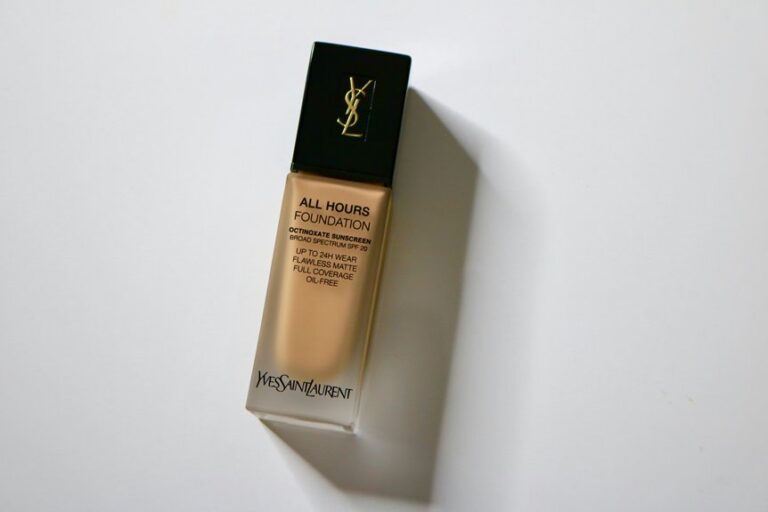
Your foundation can look right in the bottle and still turn off once it touches your skin, because undertone shifts how every shade behaves. Once you know whether your skin leans warm, cool, or neutral, you can narrow the field fast instead of guessing and hoping for the best. Then you can match depth, trial on your jawline, and spot the shade in daylight before a small mismatch turns into a face that looks a little too keen to stand out.
Identify Your Foundation Undertone
The initial step in finding your best foundation match is learning your undertone, because it shapes how every shade looks on your skin. You can check jewelry tone clues by trying gold and silver; gold often flatters warm skin, while silver often suits cool skin. Should both look good, you might be neutral.
Next, notice your sun reaction clues. Should you tan easily, you likely lean warm. Should you burn or look pink fast, you might lean cool. These hints help you speak the shade language that fits you, so you’re not guessing in the store.
You’re not behind, and you’re not picky. You’re just learning what makes your skin feel seen, and that matters.
Find Your Foundation Depth Match
Once you know your undertone, depth becomes the next piece of the puzzle, because a shade can have the right warmth but still be too light or too deep. You can use a shade depth scale to see where you sit, then compare foundation numbering systems across brands. That helps you avoid guessing and feeling left out at the mirror.
| Depth | Look | Clue |
|---|---|---|
| 1 | Very light | Soft, pale finish |
| 3 | Medium | Balanced everyday match |
| 5 | Deep | Rich, fuller tone |
If you’re between numbers, choose the closer depth and keep records on what feels like you. Your best match should let your skin look comfortable, natural, and part of the room.
Test Foundation on Your Jawline
Swiping foundation along your jawline gives you one of the clearest signs of whether a shade will באמת blend with both your face and neck. Use a jawline comparison with two or three close shades, then step back and see which one disappears fastest.
You want neck harmony, not a line that makes your face feel cut off from the rest of you. Apply each shade in a clean strip, and blend it lightly so you can judge the finish, not the blob.
Should one shade look too pink, yellow, or flat, trust that signal. You deserve a match that feels easy and natural, so choose the one that helps your skin look like it belongs exactly where it is.
Check the Shade in Natural Light
Natural daylight shows your foundation’s true color, so step near a window or outside to check how it really looks on your skin.
Indoor lights can change a shade fast, making it seem warmer, cooler, or a little off, like it’s wearing a disguise.
If you compare it in window light, you’ll spot the match that blends best with your jawline and neck.
Natural Daylight Check
How can you tell whether a foundation shade truly works? Step outside or near open shade and look at your face in honest daylight. Indoor bulbs can hide a mismatch, but sunlight shows the truth fast. Keep your lighting consistency steady through checking the same point on your skin each time. Watch for a daylight color shift, because a shade that seems perfect indoors can turn too orange, pink, or gray outside.
| What to notice | Why it matters |
|---|---|
| Seamless jawline blend | It should disappear, not stand out |
| Neck harmony | Your face and neck should look connected |
| No dull cast | Your skin should still look alive |
| Natural finish | The shade should feel like you, just smoother |
If you feel unsure, trust the light and your own comfort. You belong in a shade that looks easy.
Window Light Test
Can you trust the shade you picked just because it looked good indoors? Step to a window and check it in soft natural light. This quick trial helps you spot how the color sits on your skin without the yellow glow of lamps.
Hold a small mirror near the glass, then turn your face a little and watch the window reflections. When the shade blends cleanly into your jaw and neck, you’re closer to your match. When it looks too gray, too peach, or too heavy, keep looking.
Also, compare it with your indoor daylight contrast, since that shift can hide small differences. You deserve a foundation that feels like it belongs with you, not one that only plays nice at night.
True Shade Accuracy
A shade that looks perfect under store lights can still fool you once you step outside, so this is where the real trial begins. Step into natural light and check your jawline, because that area shows how the color meets your face and neck. Good shade matching accuracy depends on undertone calibration, not just depth, so watch for yellow, pink, or gray shifts.
- Stand near a window or outside in open shade.
- Look for a soft blend, not a sharp line.
- Wait a few minutes, since some formulas darken.
When you evaluate this way, you join the crowd that gets it right the initial time. Should the shade disappear into your skin, you’ve found a match that feels like yours, not someone else’s.
Pick a Formula That Affects Shade Wear
The formula you pick can change how your foundation looks after it sits on your skin, so the finish matters more than you could anticipate. Full coverage can shift the tone a bit, while lighter coverage often lets your natural skin show through and keeps the shade softer.
Also, some formulas wear down or deepen over time, so you’ll want one that stays true from morning to night.
Formula Finish Matters
Just as undertone and depth help you find the right foundation color, finish changes how that color shows up on your skin, so you’ll want to think about that before you buy. Your formula texture can feel silky, creamy, or airy, and that feel often shapes the finish impact you see in the mirror.
A soft matte can make your match look steady, while a dewy glow can bring it forward a bit more. To choose well, check how the finish works with your skin’s natural look.
- Matte finishes can stay calm on oily areas.
- Satin finishes often feel balanced and friendly.
- Dewy finishes can add warmth, but they might change shade wear.
When you try, wear the shade for a few hours. That way, you’ll know it still feels like you.
Coverage Changes Tone
When you love a shade in the bottle but it looks different on your face, coverage is often the reason. Sheer formulas let more of your skin show through, so the undertone can read warmer or cooler. Medium and full coverage can mute redness, freckles, or uneven patches, which makes the same shade look deeper or flatter.
Wear Time Shifts Shade
Wear time can change how your foundation looks, so the shade you love at 8 a.m. may not look quite the same at lunch. You’re not imagining it. Some formulas warm up, darken, or sink into skin as the day goes on, and that oxidation shift can throw off your match.
- Pick formulas that stay close to their initial swipe.
- Evaluate color settling on your jaw and wear it for a few hours.
- Check the shade in daylight before you commit.
When you choose well, your face feels more like you and less like a guessing game. Should you’ve ever felt left out because a foundation turned too orange or too flat, you’re in good company. A steady formula helps you show up with confidence, and that matters.
Choose a Foundation for Your Skin Type
Your skin type matters just as much as your shade match, because the right foundation should work with your skin instead of fighting it. For skin type compatibility, pick formulas that feel like they belong on your face.
In case your skin runs dry, choose a creamy, hydrating base that won’t cling to flakes. In case it’s oily, look for matte or oil-free options that stay in place. For combo skin, a balanced formula can keep both zones happy.
Your foundation texture choice matters too, because liquid, cream, and powder each sit differently and change how natural you look. Try a small amount, then check how it wears after a few hours. At the time the formula fits your skin, your makeup feels easier, and you do too.
Adjust for Seasonal Skin Changes
Your skin doesn’t stay the same all year, so your foundation shouldn’t either. In summer, sun exposure can deepen your tone and add warmth, while winter often leaves your skin a little lighter and more neutral.
When you check your shade as the seasons change, you can keep your base looking smooth instead of a little off, which is a small win your mirror will thank you for.
Summer Shade Shifts
Summer often changes more than your plans, and it can shift your skin tone too. As sun exposure builds, your face may deepen faster than your neck, so check your match in natural light. A seasonal tan can make your usual foundation look too light, which can leave you feeling off. To stay in sync, try this:
- Try one shade deeper on your jawline.
- Blend and wait a few minutes for the color to settle.
- Keep a second shade ready for peak heat weeks.
You don’t need to guess alone. As you adjust with care, your base feels more like you, and that helps you walk out feeling seen. If your skin changes again, try again before you restock, because small shifts can matter.
Winter Skin Tone Changes
As the weather cools and the sun stays lower, your skin can lose some of that warm summer color and look lighter, softer, or a bit more neutral.
That winter undertone shift is normal, so don’t chase the shade you wore in July. Instead, check your jawline in daylight and see whether your face now needs a slightly lighter or warmer match.
You might also notice cold weather skin dullness, which can make foundation look flat should you keep using the same formula. To stay in sync with your skin, keep a winter bottle ready, and try it after moisturizer.
Should your neck and face differ, blend toward the deeper area. Small changes help you feel polished, comfortable, and right at home in your own skin.
Avoid Common Shade-Matching Mistakes
Even the best foundation plan can fall apart should a few small mistakes sneak in, so it helps to know what to avoid before you buy. You want your match to feel like it belongs with your skin, not fight it. Watch for shade mismatch causes like trying only on your hand, choosing according to bottle color, or skipping undertone checks. Also, don’t ignore oxidation surprises, since some formulas deepen after they set.
- Check your jawline in natural light.
- Notice whether gold, silver, or both suit you best.
- Wait a few minutes before you decide.
Should you skip these steps, your base can look off toward midday. But once you stay patient, you give yourself a smoother, more confident match that feels easy to wear.
Use Samples Before You Buy
Trying a foundation in a real sample can save you from a costly guess, and it gives you a much clearer feel for how the shade will live on your skin. Ask for sample sachets at the counter or order them online, then wear each one in daylight and indoor light.
That way, you can see whether the color feels like you, not a stranger in the mirror. Do patch testing on a clean spot initially, so you can check for irritation and keep your skin safe. Try the sample for a full day, because a shade that looks right at noon can shift later.
Once you try this way, you join a smarter crowd of shoppers who trust their own face. It’s simple, and it saves money too.
Blend Foundation for a Seamless Finish
A smooth foundation finish starts with how you apply and blend it, because the shade can look perfect in the bottle but patchy on the skin once you rush.
You belong in that polished, effortless look, and a few steady moves help you get there. Use foundation blending techniques that build coverage in thin layers, so your skin still shows through naturally. Then tap, not drag, with a damp sponge or soft brush.
- Blend from the center of your face outward.
- Check your jawline in daylight for seamless edge control.
- Press extra product into spots that need more coverage.
If you work slowly, the foundation settles into your skin instead of sitting on top. That little patience lift can save your whole face from looking like it got dressed in a hurry.
Frequently Asked Questions
How Do I Match Concealer Without Looking Cakey?
You’ll keep concealer seamless like silk on skin by choosing a close shade, using hydration prep, and applying thin layers only where you need it. Blend well, set lightly, and you won’t look cakey.
Can I Mix Two Foundation Shades Together?
Yes, you can mix two foundation shades together to create better shade blending and undertone balance. You will get a more natural match especially when one shade is too light, warm, cool, or deep for you.
What if My Neck Is a Different Color?
Match your foundation to your neck tone as well as your face to maintain balance between your face and neck and avoid a harsh line. If the tones are very different, try shades on your jaw and upper chest.
How Do I Match Foundation for Body Makeup?
You’ll match body makeup by swatching along your jawline and upper chest, then choosing the shade that creates body tone continuity and smooth décolletage blending. Check it in daylight, let it oxidize, and adjust seasonally.
Which Foundation Shades Photograph Best on Camera?
You’ll photograph best in medium coverage natural to matte shades; they resist camera flash effects and keep your skin looking real not ghostly. Choose a matte finish formula that matches your undertone so you’ll belong on camera.