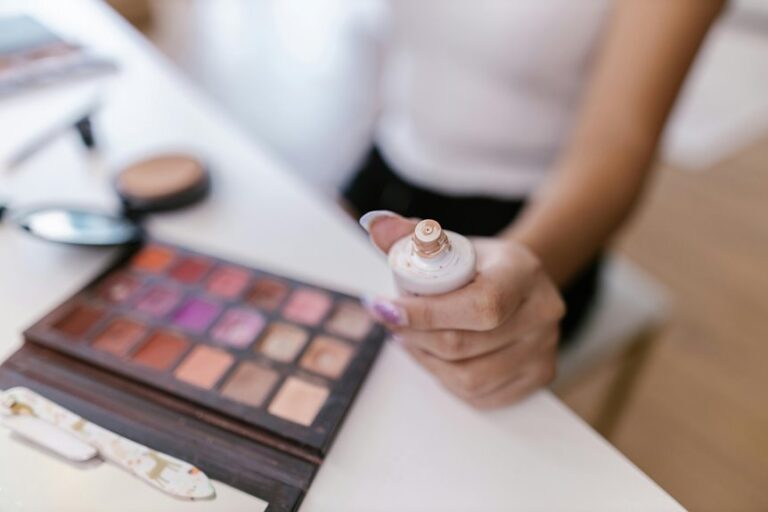
Makeup is not inherently harmful, but certain ingredients can disrupt skin function. Fragrance, harsh surfactants, heavy oils, and some preservatives might trigger irritation, clogged pores, dryness, or allergic reactions. The risk rises in sensitive, acne-prone, dry, or eczema-prone skin. Careful product selection and removal habits can reduce these effects, yet the line between safe use and skin trouble is often narrower than expected.
What Makes Makeup Bad for Skin?
Makeup can be problematic for skin whenever it contains ingredients that disrupt the skin barrier, trigger inflammation, or enter the body through absorption.
In practice, ingredient safety depends on more than a single label claim; formulation complexity determines how preservatives, surfactants, fragrances, and pigments interact on skin. Some compounds can irritate, increase permeability, or provoke allergic responses, especially in people with sensitive or compromised skin. Others may absorb more readily when applied repeatedly or under occlusive layers.
For individuals seeking to feel comfortable and included in their appearance choices, the relevant standard is not avoidance of makeup itself, but careful selection of products with transparent ingredient lists, lower irritancy profiles, and evidence-based safety examination.
In this setting, thoughtful use supports skin health without undermining social belonging.
Which Makeup Ingredients Cause Breakouts?
Breakouts are often linked to ingredients that clog pores, increase skin irritation, or alter the skin barrier. In clinical terms, comedogenic ingredients such as heavy oils, waxes, and occlusive emollients can trap sebum and debris within follicles, encouraging acne lesions in susceptible skin. Certain pigments and thickening agents may also function as breakout triggers if they create a dense film that resists cleansing. Repeated friction from layered makeup can further disrupt the barrier, allowing inflammation to persist.
Individuals who seek a clear, comfortable complexion often benefit from noncomedogenic formulas, lightweight textures, and careful patch evaluation. Evidence suggests that ingredient load, not makeup itself, is often the primary factor in whether a product contributes to breakouts.
Why Do Fragrance and Preservatives Irritate Skin?
Even while products do not visibly clog pores, fragrance and preservative systems can still provoke skin irritation through distinct mechanisms.
Fragrance mixtures contain many small, volatile compounds that can penetrate the outer barrier and act as sensitizers. With repeated exposure, susceptible individuals can develop allergic contact dermatitis, often following recognizable fragrance sensitization patterns that include redness, itching, and scaling.
Preservatives are added to limit microbial growth, yet some, such as formaldehyde releasers, can directly irritate or trigger immune responses. Risk rises during the barrier is already compromised by dryness, cleansing, or prior inflammation.
For people seeking products that feel safe and socially comfortable, fewer unnecessary additives and patch-tested formulas generally reduce the chance of visible discomfort and help skin remain calm.
How Do Heavy Formulas Clog Pores?
Heavy, occlusive formulas can obstruct the normal flow of sebum and dead skin cells within hair follicles, especially while applied in thick layers or left on the skin for extended periods.
In pore occlusion mechanics, formula density and spreadability determine whether pigment, waxes, and emollients settle into follicular openings rather than distributing evenly across the surface.
Products with high viscosity might form a surface film that traps debris, increasing the likelihood of comedone formation in predisposed skin.
Repeated application, especially on areas with active oil production, can intensify blockage and promote localized inflammation.
For individuals seeking a skin-safe routine, lighter textures and careful removal support follicular patency.
Evidence suggests that non-comedogenic labels are helpful, though not absolute, because interactions between formulation and skin vary across users.
When Does Makeup Dry Out Your Skin?
Makeup can also dry out the skin whilst it strips surface lipids, increases water loss, or contains ingredients that disrupt the moisture barrier. Dryness is more likely after prolonged wear, frequent cleansing, alcohol-based sprays, and formulas with SLS, propylene glycol, or fragranced preservatives. These agents can accelerate hydration loss and leave the skin feeling tight or visibly flaky.
| Trigger | Effect |
|---|---|
| Alcohol-heavy finishers | Faster evaporation |
| Harsh surfactants | Lipid removal |
| Fragrance/preservatives | Barrier stress |
When the moisture barrier is compromised, transepidermal water loss rises and comfort declines. Regular use of gentle cleansers, non-irritating moisturizers, and well-formulated cosmetics supports skin resilience. Individuals seeking clearer routines can benefit from checking labels and choosing products that prioritize hydration retention over cosmetic performance alone.
Which Skin Types React Most to Makeup?
Skin types with weakened barriers tend to react most strongly to makeup, especially sensitive, dry, eczema-prone, and acne-prone skin. In these groups, small exposures to fragrance, preservatives, or surfactants can more readily provoke sensitive skin reactions because the barrier permits greater penetration and less efficient recovery.
Dry skin often experiences increased irritation from lipid-stripping formulas, while eczema-prone skin might respond to allergens with inflammation. Acne-prone skin is also vulnerable, since occlusive products and heavy pigments can contribute to acne prone flareups through trapping sebum and debris. Individuals with rosacea or a history of contact allergy might react similarly.
A practical approach is to favor simpler, nonfragranced formulas and patch testing, allowing people to feel included while reducing avoidable exposure and supporting tolerance over time.
What Are the Signs Makeup Is Hurting Your Skin?
Common warning signs include new or worsening redness, stinging, itching, dryness, and scaling after application. Persistent redness that lasts beyond brief flushing suggests irritation or contact dermatitis, especially whenever it recurs with the same product. Unusual itching, burning, tightness, or swelling could indicate barrier disruption or allergy.
Small bumps, acne-like eruptions, or darkened patches can reflect clogged pores, inflammatory response, or post-inflammatory pigmentation. Cracking, oozing, or tenderness are more concerning and could signal a stronger skin reaction. Should symptoms improve when makeup is stopped and return with reapplication, the product is a likely trigger.
People in shared skin-care communities often recognize these patterns sooner, which helps reduce ongoing injury and supports prompt evaluation whenever changes persist.
How Do You Choose Skin-Friendly Makeup?
Choosing skin-friendly makeup starts with reading the ingredient list and avoiding formulas that commonly irritate, sensitize, or disrupt the skin barrier. A practical approach begins with ingredient label basics: identify fragrance, formaldehyde-releasing preservatives, SLS, propylene glycol, phthalates, and high-risk colorants or aerosols.
Mineral pigments and simpler emollient systems are often better tolerated, but individual sensitivity still matters. A patch trial routine can reduce uncertainty: apply a small amount behind the ear or along the jaw for several days and monitor for redness, itching, burning, or delayed rash.
Products labeled noncomedogenic and fragrance-free are often preferable for acne-prone or reactive skin. Consistent selection of shorter ingredient lists helps many users feel informed, protected, and included.
What Makeup Habits Protect Your Skin?
Protective makeup habits begin with gentle daily removal to reduce residue that can obstruct follicles, irritate the barrier, and worsen inflammation.
Clean brush practices also matter, because contaminated applicators can transfer bacteria, oil, and debris back to the skin and raise the risk of breakouts or dermatitis.
Consistent attention to these steps supports barrier integrity and lowers avoidable skin stress.
Gentle Daily Removal
| Practice | Effect | Rationale |
|---|---|---|
| Mild cleanser | Low irritation | Preserves lipids |
| Soft cotton | Less friction | Limits inflammation |
| Pat dry | Barrier support | Reduces rubbing |
Consistent removal before sleep lowers exposure time and can reduce acneiform lesions and post-inflammatory discoloration.
Clean Brush Practices
Beyond nightly removal of makeup, brush hygiene also affects skin exposure to irritants and microbes. Clean tools reduce brush contamination risks that can worsen acne, dermatitis, and folliculitis. Evidence supports regular brush washing frequency: weekly for liquid and cream products, every two weeks for powder use, and immediately after shared application.
- Use mild soap or a brush cleanser, then rinse until water runs clear.
- Dry brushes flat, with bristles over the edge, to limit moisture retention.
- Replace damaged brushes, because frayed fibers trap debris and increase irritation.
For communities that value healthy skin and shared routines, these habits support a cleaner baseline and lower the chance that makeup application becomes a source of inflammation. Consistency matters more than perfection; routine care helps the skin barrier remain more stable.
How Do You Remove Makeup Safely?
Safe makeup removal begins with minimizing skin barrier disruption: a gentle, fragrance-free cleanser or micellar product should be applied with soft pressure rather than vigorous rubbing, since friction can worsen irritation and post-inflammatory hyperpigmentation.
Micellar cleansing can lift pigment and sunscreen without excessive scrubbing, making it suitable for sensitive skin. When heavy or waterproof products are used, double cleansing may improve residue removal: an oil-based first step dissolves makeup, followed by a mild water-based cleanser to clear remaining film.
Lukewarm water is preferable, and soft cloths or fingertips should replace abrasive tools. Pat skin dry, then apply moisturizer to support barrier recovery. Consistent, careful removal helps the skin stay comfortable, balanced, and ready for shared routines without unnecessary inflammation or clogged pores.
When Should You Stop Using a Product?
A product should be discontinued if it causes persistent redness, burning, itching, swelling, acne flares, or new rashes, as these findings suggest irritant or allergic contact dermatitis.
If symptoms worsen with repeated use, or if pigment changes and barrier damage appear, continued exposure may increase inflammation and post-inflammatory hyperpigmentation.
Prompt cessation and evaluation are warranted when reactions are recurrent, severe, or involve the eyes or breathing.
Signs Your Skin Reacts
Skin reactions to a cosmetic product often appear as redness, itching, burning, stinging, swelling, dryness, or an acne-like flare, and these signs can indicate irritant or allergic contact dermatitis. These skin irritation clues should be recorded as possible product intolerance. Common allergic reaction symptoms also include rash, hives, and persistent tenderness.
- Symptoms limited to the application area suggest direct irritation.
- Worsening with repeated use can reflect sensitization to fragrance, preservatives, or colorants.
- Facial eczema, scaling, or papules can signal barrier injury.
In clinical practice, a reaction that recurs after each application supports a causal link. A person comparing experiences with others can find that shared patterns are common and manageable. Observation of timing, location, and severity helps identify whether the skin is signaling a problem with the formulation.
When To Discontinue Use
Discontinue use immediately when a product causes persistent redness, itching, burning, swelling, hives, or an acne-like flare, especially if symptoms worsen with repeated applications or spread beyond the original site. Clinical guidance also supports stopping when worsening breakouts, scaling, or eye irritation appear, since these may signal irritant or allergic contact dermatitis. | Stop Now | Typical Concern |
| — | — |
|---|---|
| Persistent redness | Barrier injury |
| Worsening breakouts | Occlusive or inflammatory response |
| Swelling or hives | Hypersensitivity |
If symptoms persist after cleansing, a dermatologist should evaluate for fragrance, preservative, surfactant, or dye sensitivity. Patch testing might identify the trigger and help users return to products that fit their skin and support a sense of ease. Until then, the safest approach is avoidance, because continued exposure can amplify inflammation and prolong recovery.
Frequently Asked Questions
Can Makeup Ingredients Affect Hormones Over Time?
Like unseen clockwork, some makeup ingredients can alter hormone balance over time. Preservatives such as parabens, triclosan, and phthalates are associated with endocrine disruption, although the risk depends on dose, frequency, and individual susceptibility.
Are Aerosol Makeup Products More Harmful to Breathe In?
Yes, spray particle exposure from aerosol makeup can be more concerning to breathe in than non spray formats. Inhalation safety depends on ventilation and formula. Fine particles can carry solvents, fragrances, and preservatives into the airways.
Can Makeup Worsen Hyperpigmentation in Darker Skin Tones?
Yes, makeup can worsen hyperpigmentation in darker skin tones, especially through post inflammatory triggers such as irritation, friction, and breakouts. Shade matching issues could increase overuse or rubbing, raising inflammation and visible darkening.
Does Repeated Use Increase the Chance of Allergic Sensitization?
As the saying goes, “the more one is exposed, the greater the risk.” Repeated use can increase allergy risk and skin sensitization, especially with fragrances, preservatives, and dyes, according to clinical evidence.
Can Certain Preservatives Release Formaldehyde in Cosmetics?
Yes, some cosmetic preservatives are formaldehyde releasers, including imidazolidinyl urea and DMDM hydantoin. They can slowly emit formaldehyde, increasing risks of irritation, allergic dermatitis, and sensitization in susceptible skin.