Should your makeup slips or clings to dry spots, primer can help you turn that around. Initially, you need clean, moisturized skin, and you should let sunscreen settle so the layers don’t slide. Then pick a primer that matches your skin, press on a pea-size amount in thin lines, and focus on pores or texture. Give it a moment to set, and your foundation can grip better and look smoother all day.
How Primer Improves Makeup Wear
Whenever you apply primer the right way, it helps your makeup stay put longer and look smoother from the start.
You’re not just adding another layer, because primer gives your skin a light shield that supports your skin barrier and helps makeup longevity. It grips foundation, so color settles evenly instead of slipping or patching. It also softens the look of pores and fine lines, which makes your base feel more polished and less fussy.
For best results, use a small amount and press it in with your fingertips. Then let it sit briefly before your foundation. That little pause helps your makeup bond better and keeps your look fresh, even whenever your day gets busy and your mirror says, “nice work.”
Prep Your Skin Before Primer
Start with a gentle cleanse so your skin feels fresh, not stripped.
Then hydrate it well, because primer sits better on skin that’s soft and comfortable.
Give your moisturizer and sunscreen a few minutes to absorb before you reach for primer, or you could end up with patchy makeup that acts like it has plans of its own.
Cleanse Gently First
Before you reach for primer, cleanse your skin gently so you’re not trapping dirt, oil, or leftover makeup underneath it. Use gentle cleansing with a soft, pH-balanced wash, then rinse with lukewarm water and pat dry. This keeps your skin barrier calm, so your face feels comfortable instead of stripped.
If you wear sunscreen or long-wear makeup, take a little extra time to lift it away without scrubbing. You want skin that feels fresh, not tight. After that, let your face settle for a minute so primer can sit smoothly.
When you start with clean skin, you give your makeup a better chance to look even, wear longer, and feel more like you. That simple step helps you feel ready.
Hydrate Skin Well
Now that your skin is clean, give it the moisture it needs so primer can glide on instead of clinging to dry spots. You’re not just helping makeup; you’re joining the smooth-skin club with everyone else who wants a fresh, easy finish. For best skin hydration, use a light moisturizer that matches your skin type and keeps moisture balance steady. | Step | What to do | Why it helps |
| — | — | — |
|---|---|---|
| 1 | Apply a small amount | Keeps skin comfy |
| 2 | Smooth it evenly | Helps primer spread |
| 3 | Focus on dry areas | Prevents patchy cling |
| 4 | Let it sit briefly | Supports even wear |
| 5 | Check for softness | Shows readiness |
When your face feels cushioned, primer can sit better and your foundation can look calmer, smoother, and more like you.
Let Skincare Absorb
Once your moisturizer has settled, give it a few quiet minutes so it can sink in and do its job. This skincare wait helps your primer grip better and keeps makeup from sliding. Good absorption timing matters, because damp products can pill and make your base patchy.
- Envision soft skin, not a shiny film.
- Suppose your face feeling calm, not crowded.
- Consider makeup resting on a smooth canvas.
If you’ve used sunscreen, let that layer absorb too before you move on. You’re not stalling; you’re setting up a better finish. Once you respect the pause, you join the team of people who get that fresh, even look without the fuss.
Then your primer can spread easily, blur nicely, and stay put all day.
Choose the Right Makeup Primer
Choosing the right makeup primer can make the rest of your routine feel a lot easier, because the best formula works with your skin instead of fighting it. Check primer ingredients and skin type compatibility initially, so you feel confident, not stuck guessing. When your skin runs oily, pick a water-based primer. When you want extra smoothness, a silicone base can help soften pores. For dry skin, choose a cushy, hydrating formula that won’t cling.
| Skin need | Best primer feel | What it helps |
|---|---|---|
| Oily | Light, water-based | Less shine |
| Dry | Moisturizing | Smoother finish |
| Textured | Silicone-based | Blurred pores |
When you choose well, your makeup joins your skin like a team, and that’s a pretty nice club to be in.
Apply Primer in Thin, Even Layers
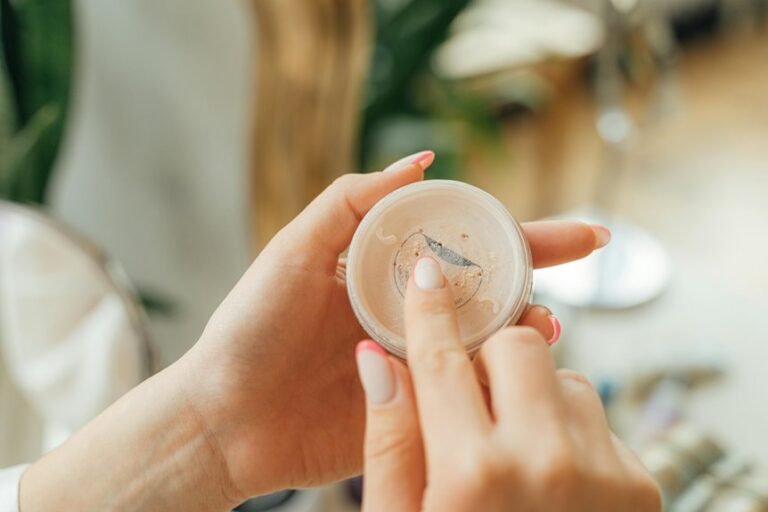
A small amount of primer can make a big difference, so start with just a pea-sized dot on your fingertips and warm it between your fingers initially. Then press it onto your skin with gentle thin layering for sheer coverage. You want a light touch, not a thick coat that sits on top and feels heavy.
- Consider a soft veil over fresh skin.
- Visualize a smooth canvas before the initial brushstroke.
- Envision your face glowing, not masked.
Work in small strokes and let each pass melt in before the next. That way, you keep the finish even and friendly-looking, like you belong in your best skin.
Should one spot looks streaky, smooth it again with your fingertips. You’ll get a clean base that feels comfortable and looks polished all day.
Focus Primer on Problem Areas
Around the nose, chin, and any spots that feel extra textured, primer works best when you give it a little more attention. You don’t need to cover every inch again, just press a touch more into those areas with your fingertips.
That small move gives you targeted pore blur and spot specific smoothing, so your base looks calmer and more even. When your pores seem obvious or a patch feels rough, tap the product in instead of rubbing it around.
You’re not trying to pile it on, just help the formula settle where it matters most. That way, your skin still looks like yours, only a little more polished and ready for the rest of your makeup.
Let Primer Set Before Foundation
Let your primer fully dry before you reach for foundation, because a tacky layer can make makeup slide or cling in the wrong spots. Check the texture with a light touch, and provided it still feels damp, give it a little more time.
Once you wait, your base goes on smoother and stays put longer, so you don’t have to wrestle with patchy coverage later.
Wait for Full Drying
Once you’ve spread primer evenly, give it a full minute or two to set before you reach for foundation.
That drying time matters because product setting helps the base grip your skin instead of sliding around. You want the primer to feel calm and settled, not slick.
While you wait, you can let your face breathe and get ready for the next step.
- Consider a soft satin finish, not a wet sheen.
- Envision your skin turning from tacky to smooth.
- Envision foundation gliding on like it belongs there.
As soon as you rush, makeup can bunch up and feel off. As soon as you pause, you help your routine work with you.
That small wait can make your whole look feel more polished, more comfortable, and more like your skin, only smoother.
Check Primer Texture
How do you know whether primer is truly ready? To begin, look at the primer consistency on your skin. It should feel smooth, not sticky or wet. Then use gentle texture checking with one fingertip. Tap a small area on your cheek or forehead. Whenever it glides without grabbing, you’re in good shape.
You want a soft, even film that feels like part of your skin, not a layer sitting on top. Should it still slip around, give it a little more time. That pause helps your base look calm and polished, and it lets you feel confident before the next step. Once the finish feels velvety and settled, you can move on with ease and join the rest of your routine.
Avoid Early Foundation
Should you rush into foundation too soon, the primer can still be sitting on top of your skin instead of working with it. Give it a minute to settle, and you’ll help your makeup layering feel smoother and look more like you belong in the glow-up club. Good foundation timing matters because primer needs to grip, blur, and dry down before you add color. If you move too fast, your base can slip, pill, or cling to dry spots.
- Envision a fresh canvas that no longer feels tacky
- Visualize foundation gliding on like silk over skin
- Consider pores looking softer, not crowded
Then tap foundation on gently, and let the finish build in calm, even layers.
Pair Your Primer With Foundation
Whenever you pair primer with foundation the right way, your makeup looks smoother and lasts longer without feeling heavy. Start with a tiny amount of primer, then let it settle so your base stays calm and even.
Should your foundation feel thick, try makeup mixing with a dab of primer for gentle foundation thinning. You’ll keep coverage while making the texture easier to spread.
Should you prefer a more polished finish, apply primer ahead of foundation, then press foundation on top with clean fingers or a sponge. This helps your skin look united with the rest of your routine, not masked via it.
You can also blend a cream foundation with primer for a softer, more natural glow that still feels like you.
Avoid Common Primer Application Mistakes
Even a great primer can miss the mark when you rush the process or use too much, so it helps to spot the small mistakes before they turn into a cakey mess. You’re not alone whenever your base looks patchy at times. Keep it simple and kind to your skin.
- Use a pea-size amount, not a heavy swipe.
- Blend from the nose out with your fingertips.
- Choose the right texture for your skin, since using wrong formula can clog the vibe fast.
Whenever you’re overapplying primer, makeup can slide instead of settle. So, tap on a thin layer and let it hug your skin. Whenever you skip blending around the cheeks, forehead, and chin, you’ll see uneven spots. A light touch gives you that smooth, “I woke up like this” finish without the drama.
Keep Primer Working All Day
To keep your primer working all day, start by giving it the right base, because primer can only do its job once your skin is ready for it. Let your moisturizer and sunscreen sink in, then press a thin layer of primer with your fingertips from the nose outward. Use less product, so your makeup stays light and smooth, not mask-like.
After foundation, lock everything in with setting spray. If you get shiny later, blot gently instead of rubbing. For a midday makeup refresh, add a small mist of setting spray touch ups and tap it in with clean fingers. That keeps the finish fresh and helps your makeup stay with you through meetings, errands, and every busy moment.
Frequently Asked Questions
Can Primer Help Reduce the Appearance of Fine Lines?
Yes, primer can help reduce fine lines by creating fine line blurring and texture smoothing so your makeup sits more evenly. You’ll get a softer, smoother finish that feels polished and confident all day.
Should Eye Primer Be Thicker Than Face Primer?
Yes, you should use eye primer that is thicker than face primer because its texture differences help prevent creasing and enhance color. Apply it after skincare and before shadow so you will feel confident and supported all day.
Can Primer Be Mixed Directly With Foundation?
Yes, you can mix primer directly with foundation. It can soften cakey coverage and improve foundation blending. Like morning mist over glass, it smooths makeup texture, helping you feel polished, included, and confidently ready.
Does Primer Work Differently on Oily Versus Breakout-Prone Skin?
Yes, it does. You’ll usually want water-based primer for oily or breakout-prone skin because it supports oil control, while silicone-based formulas often shine at pore blurring. That helps you feel included, polished, and comfortable.
Can Primer Be Used on Lips or Eyelashes?
Yes, you can use lip primer and lash primer. You will smooth lips before applying color and coat lashes before mascara, and both help makeup last longer. Consider them as your beauty team enhancing confidence together.