Makeup refers to cosmetics used on the face, and sometimes the body, to color, refine, or alter appearance. It can be simple or more elaborate, shaped through personal taste, daily routine, and cultural practice. For some, it is a tool for polish and confidence; for others, it is expression or tradition. The real significance of makeup becomes clearer as its many uses are looked at more closely.
What Is Makeup?
Makeup refers to cosmetics applied to the face, and sometimes the body, to color, beautify, or alter appearance.
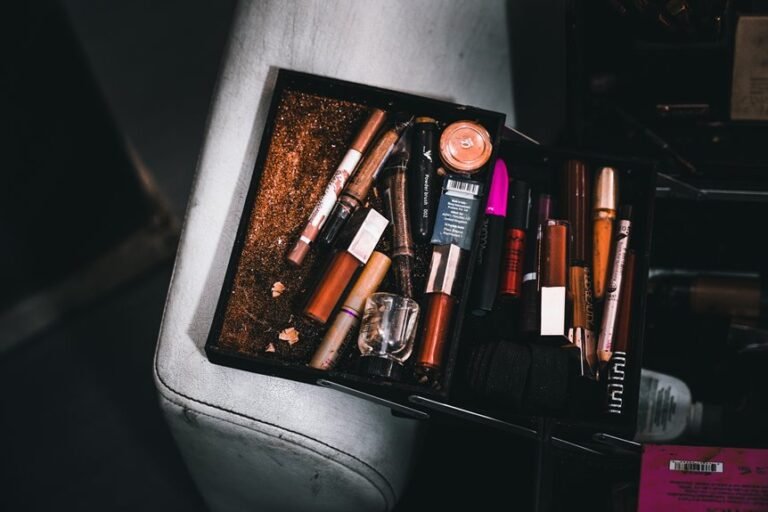
It includes products such as lipstick, mascara, eye shadow, foundation, and blusher, each contributing to a coordinated effect that can refine features or create a chosen look.
In makeup history, cosmetic application has shifted from ancient kohl and other ritual uses to wider acceptance, though it was once associated chiefly with stage cosmetics and performance.
Such materials might also support costuming, helping a person appear distinct yet aligned with a group or setting.
The term describes both the products themselves and the composed result they produce, offering a practical way to improve presence while supporting confidence and belonging.
What Makeup Means in Daily Life
In daily life, makeup is often used as a subtle tool for presenting a polished, natural-looking appearance.
Its daily meaning extends beyond color alone, becoming part of a personal routine that helps shape how someone enters shared spaces.
Used lightly, it can support a sense of neatness, readiness, and quiet confidence.
- It adds structure to an everyday look.
- It can soften minor skin variations.
- It helps create a consistent appearance.
- It can reflect care and attention.
- It supports belonging in social settings.
In this way, makeup functions as a small but meaningful practice.
Rather than drawing attention by itself, it often works with natural features to create an image that feels settled, approachable, and personally familiar.
Why People Wear Makeup
People wear makeup for several reasons, including self-expression, enhancing natural features, and meeting social or cultural expectations.
It can be used to highlight the eyes, lips, or complexion while also shaping a distinct personal image.
In many settings, makeup serves both practical and symbolic roles, reflecting individual identity and shared norms.
Self-Expression and Identity
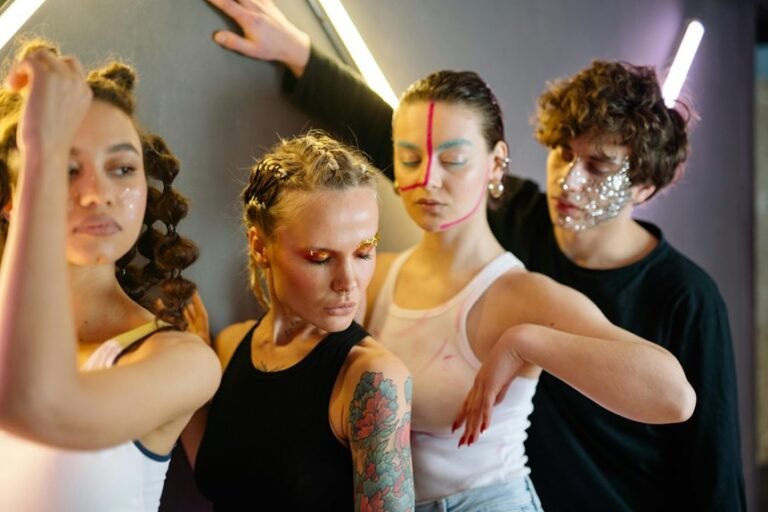
For many, cosmetics serve as more than decoration; they function as a means of self-expression and a visible part of personal identity. Through shade, texture, and placement, individuals communicate mood, values, and affiliations without speaking. Makeup can signal confidence, creativity, or membership in a shared style community, helping people feel seen and included. It also offers room for creative expression, allowing choices that range from subtle to bold.
- It supports personal identity.
- It reflects cultural belonging.
- It communicates individual taste.
- It can reinforce social confidence.
- It allows deliberate presentation.
In this way, cosmetics become a personal language, shaping how individuals present themselves and connect with others while preserving autonomy and distinctiveness.
Enhancing Natural Features
Although makeup can be expressive and symbolic, it is often worn to enhance natural features and create a more polished appearance.
Through careful natural feature highlighting, makeup can draw attention to eyes, lips, cheekbones, and skin tone without changing a person’s core appearance. A light foundation may smooth uneven areas, while mascara can define lashes and lipstick can add gentle color.
These choices often support subtle facial balance, helping facial proportions appear more refined and cohesive. The result is typically understated rather than dramatic, offering a sense of freshness and confidence.
For many, this approach allows the face to look rested, cared for, and comfortably presentable in everyday settings, while still remaining recognizable and authentic.
Social and Cultural Reasons
Makeup is often worn for social and cultural reasons that extend beyond simple beautification. In many communities, it serves as cultural symbolism, reflecting identity, tradition, and group affiliation. Social expectations also shape its use, especially in workplaces, ceremonies, and public gatherings where appearance can signal respect and readiness.
- Signals belonging to a community
- Supports shared beauty ideals
- Marks special occasions and rituals
- Helps meet professional norms
- Expresses personal style within accepted boundaries
These influences can make makeup feel like a practical social tool as well as an aesthetic choice. In aligning with familiar customs, individuals can feel more confident, recognized, and included. In this way, makeup becomes part of everyday participation in culture and society.
Most Common Types of Makeup
Among the most common types of makeup are foundation, lipstick, mascara, eye shadow, blush, and lip gloss, each serving a distinct purpose in enhancing appearance. Foundation evens tone, while lip makeup adds color and definition. Eye makeup draws attention to the eyes, supporting expressive style.
| Type | Main Use | Common Effect |
|---|---|---|
| Foundation | Face coverage | Smooths tone |
| Lipstick | Lips | Adds color |
| Mascara | Lashes | Darkens and thickens |
| Eye shadow | Eyelids | Adds depth |
| Blush | Cheeks | Creates warmth |
These products often work together to help individuals feel polished and included in social settings. Their use ranges from subtle daily wear to more pronounced looks, allowing personal expression without losing a sense of shared beauty.
Makeup Basics for a Natural Look
A natural makeup look focuses on subtle improvement rather than dramatic change, using light coverage and soft color to create a fresh, balanced appearance. It relies on sheer coverage, allowing skin texture to remain visible while gently evening tone.
- Moisturized skin helps products blend smoothly.
- Tinted base or concealer can soften minor imperfections.
- Neutral blush adds quiet warmth.
- Mascara can define lashes without heavy emphasis.
- Lip color in muted shades completes the effect.
This approach supports minimal touchups through the day and suits settings where effortless polish feels welcoming. Through emphasizing comfort and restraint, the look helps individuals appear refined while still looking like themselves, which can encourage confidence and a sense of belonging.
Full-Face Makeup for Special Occasions
Eyes and facial dimension are then highlighted with careful shading, highlighting, and defined lashes to produce a more polished effect.
A long-wear finish supports the look throughout the event via improving durability and maintaining color intensity.
Occasion-Ready Base
For special occasions, an occasion-ready base provides a smooth, even canvas that supports the rest of the makeup look while enhancing entire appearance. The event base choice often depends on lighting, duration, and desired finish, helping the wearer feel polished and included.
A smooth primer layer can refine texture and improve wear, making the complexion appear more unified.
- Creates a refined starting point
- Helps makeup appear more consistent
- Supports a confident, social presence
- Reduces visible unevenness
- Adapts to formal settings
When applied with care, the base works quietly beneath the surface, allowing the face to look balanced without drawing attention to itself. This approach suits gatherings where belonging, presentation, and lasting comfort matter.
Eyes And Dimension
This approach supports a shared sense of occasion, where the face looks intentional and confidently composed among others. The result is not theatrical excess, but a refined refinement that keeps attention on expression, symmetry, and presence. In formal settings, such detailing helps makeup become part of the whole ensemble, matching attire and mood with quiet assurance.
Long-Wear Finish
A long-wear finish gives special-occasion makeup the staying power needed to remain polished through hours of movement, light, and changing conditions. It supports a full-face look that feels cohesive, confident, and suited to shared celebrations.
Long wear formulas help foundation, blush, and color stay balanced, while transfer resistance protects clothing, hands, and close contact.
- Maintains even coverage
- Reduces midday fading
- Supports photographs and evening light
- Resists smudging during greetings
- Preserves a refined impression
This finish is often chosen whereas the wearer wants to belong in formal settings without constant touch-ups. It allows makeup to elevate appearance, correct minor imperfections, and remain presentable from arrival to departure.
How Makeup Shows Self-Expression
Makeup serves as a visible form of self-expression through allowing individuals to shape how they present themselves to others. Through color, finish, and placement, it can reflect personal style and signal a creative identity without words. A bold lip, defined lashes, or a softly blended eye look might communicate confidence, restraint, or playfulness, depending on how the wearer chooses to combine products.
This flexibility makes makeup useful for people seeking a sense of belonging, because it can adapt to different settings while still feeling personal. It also supports experimentation, letting individuals adjust their look as moods, goals, or self-image change. In this way, makeup becomes more than decoration; it functions as a practical, expressive tool for everyday presentation.
Makeup in Culture and Tradition
Beyond individual self-expression, cosmetic practices have long carried cultural and traditional meaning, reflecting the values and customs of different societies. In many communities, makeup serves traditional ceremonial use, marking rites of passage, weddings, festivals, and public celebrations with shared symbolism. It can signal belonging, status, or respect for ancestral heritage, while also preserving cultural beauty customs passed from one generation to the next.
- Colors can represent joy, purity, or protection
- Specific patterns can identify region or group
- Application methods often follow inherited rituals
- Cosmetics can honor deities, elders, or ancestors
- Shared practices can strengthen community identity
Seen this way, makeup becomes more than adornment; it is a visible link between personal appearance and collective memory, helping individuals feel connected within a wider cultural story.
Daily Makeup Routines That Work
For many people, a daily makeup routine works best provided that it is simple, repeatable, and suited to the demands of the day. A practical sequence often begins with light coverage, followed in which mascara, a touch of color on the lips, and a soft blush or rouge that adds warmth without looking heavy.
These morning time savers help create a polished appearance while leaving space for comfort and speed. In busy settings, the routine supports a sense of being put together with minimal effort. Later, a five minute refresh can restore color and definition before meetings, errands, or evening plans.
Provided that kept consistent, the routine becomes familiar and reassuring, helping individuals feel included in everyday social spaces.
How to Choose Makeup for You
Selecting makeup begins with matching formulas to skin type, since different textures and finishes perform better on oily, dry, or sensitive skin. It also depends on purpose and occasion, as everyday wear, professional settings, and special events often call for different levels of coverage and color.
A thoughtful choice balances comfort, durability, and the intended effect.
Skin Type Match
How should makeup be matched to skin type? It begins with close observation of texture, oil level, and sensitivity, so each choice supports comfort and confidence. Undertone matching helps foundation, blush, and lip color blend naturally, creating a look that feels authentic rather than forced.
For dry skin, cream and hydrating formulas usually sit better; for oily skin, matte or long-wear products often remain steadier. Sensitive skin benefits from simpler ingredient lists and allergy checking before regular use.
- Dry skin: choose moisture-rich textures
- Oily skin: prefer shine control
- Combination skin: balance products per zone
- Sensitive skin: check before full use
- Deeply personal choices: match comfort with identity
Purpose And Occasion
Makeup choice depends on the purpose it is meant to serve and the occasion it is meant for.
For daily wear, subtle products can soften features, even skin tone, and support a natural look that feels familiar and polished.
For formal gatherings, stronger color, defined lashes, and balanced contouring might better suit the mood and dress code.
Occasion planning helps determine whether the result should remain understated or become more expressive.
Event styling also guides color choices, finishes, and intensity so the face matches the setting.
Whether the goal is confidence at work, elegance at a celebration, or creative change onstage, makeup should complement personal identity and help the wearer feel comfortably included.
Makeup Tips for Beginners
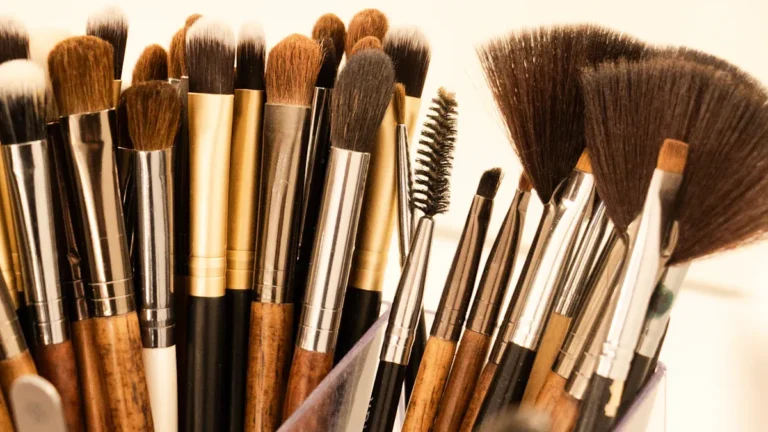
For beginners, makeup is most effective if applied with restraint and purpose, since a light touch can improve features without masking them. A small set of makeup tools, such as a sponge, brush, and mascara wand, helps create control and consistency. Common beginner mistakes include using too much foundation, skipping skin preparation, and selecting shades that do not match undertones.
- Start with clean, moisturized skin.
- Build coverage in thin layers.
- Practice one feature at a time.
- Use natural light to check blending.
- Remove makeup gently at day’s end.
With patience, beginners often learn to see makeup as a shared language of self-presentation, where subtle choices support comfort, confidence, and belonging.
Frequently Asked Questions
Can Makeup Be Used for Stage Costumes and Theatrical Roles?
Yes, makeup can support stage realism and costume transformation, helping performers embody theatrical roles. It can shape features, highlight expressions, and complete an ensemble, creating a convincing character appearance that feels inclusive onstage.
When Did Makeup Become Acceptable for Everyday Use?
It became acceptable for everyday use in the late 1800s and early 1900s as social acceptance grew and beauty routines normalized. Once considered vulgar, makeup gradually shifted from stage only practice into common daily appearance.
What Ancient Cosmetics Are Still Used in Modern Makeup?
Ancient cosmetics still used in modern makeup include kohl eyeliner and mineral pigments, both valued for defining eyes and coloring skin. Their enduring appeal lies in subtle improvement, cultural continuity, and accessible self expression today.
Does Makeup Include Products for Covering Body Marks?
Yes, makeup can include products for covering body marks. Body concealer and skin camouflage help conceal birthmarks, scars, or discoloration, creating a smoother appearance. Such products support confidence, natural blending, and comfortable social belonging.
Can Makeup Refer to a Replacement in Other Contexts?
Yes. In other settings, makeup can mean a replacement or substitute, such as an event arranged after cancellation or a material used in repair. This word substitution supports conflict resolution and continuity.