Makeup hygiene tips play a crucial role in keeping your skin healthy. Poor practices can lead to breakouts, irritation, and other skin issues. Many consumers worry about toxic ingredients in their makeup. In fact, 45% of people express concern about harmful products.
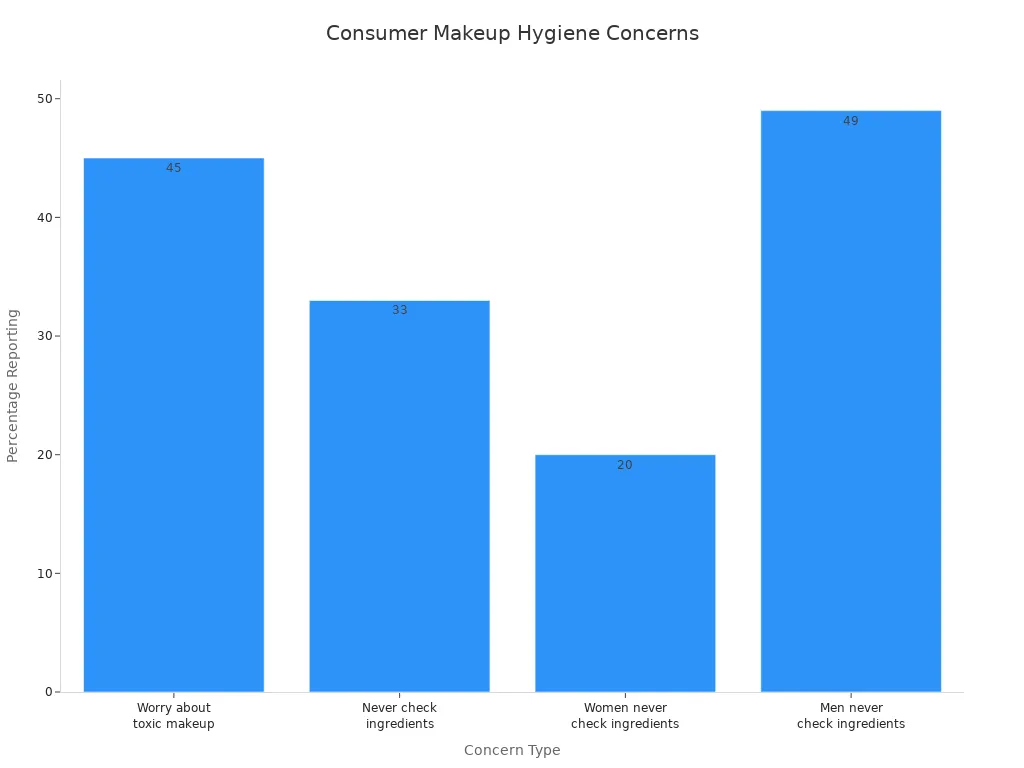
To protect your skin, it’s essential to follow makeup hygiene tips, understand the ingredients you use, and maintain proper hygiene.
Key Takeaways
Choose makeup products with dermatologist-approved ingredients like retinoids and niacinamide for healthier skin.
Regularly clean your makeup tools to prevent bacteria buildup and skin irritation.
Always remove makeup before bed to avoid clogged pores and promote skin recovery overnight.
Makeup Hygiene Tips for Product Selection
Choosing the right makeup products is essential for maintaining your skin health. The ingredients in your cosmetics can significantly impact your skin, either positively or negatively. Here are some tips to help you make informed choices when selecting makeup.
Ingredients to Seek
When shopping for makeup, look for ingredients that dermatologists recommend for healthy skin. Here’s a handy table showing some of the top ingredients and their approval ratings:
Ingredient | Dermatologist Approval (%) |
|---|---|
Retinoids (Retinol/Tretinoin) | 94% |
Niacinamide | 91% |
Hyaluronic Acid | 89% |
Vitamin C | 87% |
Salicylic Acid | 85% |
These ingredients can help improve your skin’s texture and appearance. For instance, niacinamide is known for its versatility and benefits, including reducing inflammation and improving skin barrier function. Retinoids can help with cell turnover, making your skin look fresher and more youthful.
Tip: Always check the ingredient list on your products. If you see these beneficial ingredients, you’re on the right track!
Non-Comedogenic Choices
You might have heard the term “non-comedogenic” thrown around in beauty circles. But what does it really mean? Non-comedogenic products are formulated to avoid clogging your pores, which is crucial for preventing acne. Here are some key points to consider:
Over 90% of products labeled as non-comedogenic can still cause microcomedone formation.
In studies, 75% of tested non-comedogenic products led to significant increases in microcomedones.
Regular products may contain comedogenic ingredients that can worsen acne and clogged pores.
Using non-comedogenic makeup can help reduce the frequency of breakouts, especially if you have oily or sensitive skin. Dermatologists often recommend these products to individuals prone to acne. Ingredients like salicylic acid and benzoyl peroxide are common in non-comedogenic options and can help manage acne severity.
Note: Always remember that just because a product is labeled non-comedogenic doesn’t guarantee it won’t cause issues. It’s essential to pay attention to how your skin reacts.
By following these makeup guidelines and choosing products wisely, you can support your skin health and enjoy your beauty routine without worry.
Makeup Shelf Life and Guidelines
Understanding the shelf life of your makeup products is crucial for maintaining healthy skin. Using expired products can lead to skin irritations, breakouts, and even infections. So, how do you keep track of when to toss your makeup? Let’s dive into some essential tips.
Expiration Awareness
Most makeup products come with a recommended shelf life. Here’s a quick reference table to help you remember how long you can safely use your favorite items:
Product | Expiration |
|---|---|
Lipstick | 18–24 months |
Foundation & Concealer | 12–18 months |
Mascara | 3–6 months |
You might be surprised to learn that 87% of consumers are aware of makeup expiration dates. However, over 80% know about these dates but still don’t discard old makeup. This can be risky, especially with products like mascara, where only 20% of users throw it away within the recommended time.
Tip: Always check the packaging for expiration dates. If you can’t find one, consider marking the date of purchase on the product.
Recognizing Deterioration
Even if you’re aware of the expiration dates, it’s essential to recognize signs of product deterioration. Here are some common indicators that your makeup may have gone bad:
Changes in Texture: If your foundation has separated or your lipstick feels grainy, it’s time to say goodbye.
Unusual Odors: A strange smell can indicate bacterial growth. Trust your nose!
Color Changes: If your eyeshadow or blush has changed color, it’s likely no longer safe to use.
To maximize the shelf life of your products, store them properly. Keep them in a cool, dry place away from humidity and heat. High temperatures can degrade active ingredients, while excessive moisture can promote bacterial growth.
Here are some best practices for storing your makeup:
Keep a small bottle of 70% isopropyl alcohol and disposable makeup wipes handy for quick sanitization.
Track the lifespan of your products to avoid skin irritations.
Understand Period-After-Opening (PAO) symbols to know when to replace products.
Regularly check products for changes in texture or smell.
By following these shelf-life guidelines, you can ensure your makeup remains effective and safe to use. Remember, your skin deserves the best care!
Healthy Makeup Habits for Application
Maintaining healthy makeup habits during application is just as important as choosing the right products. You want to ensure that your skin stays healthy and free from irritation. Let’s dive into some essential practices.
Tool Hygiene
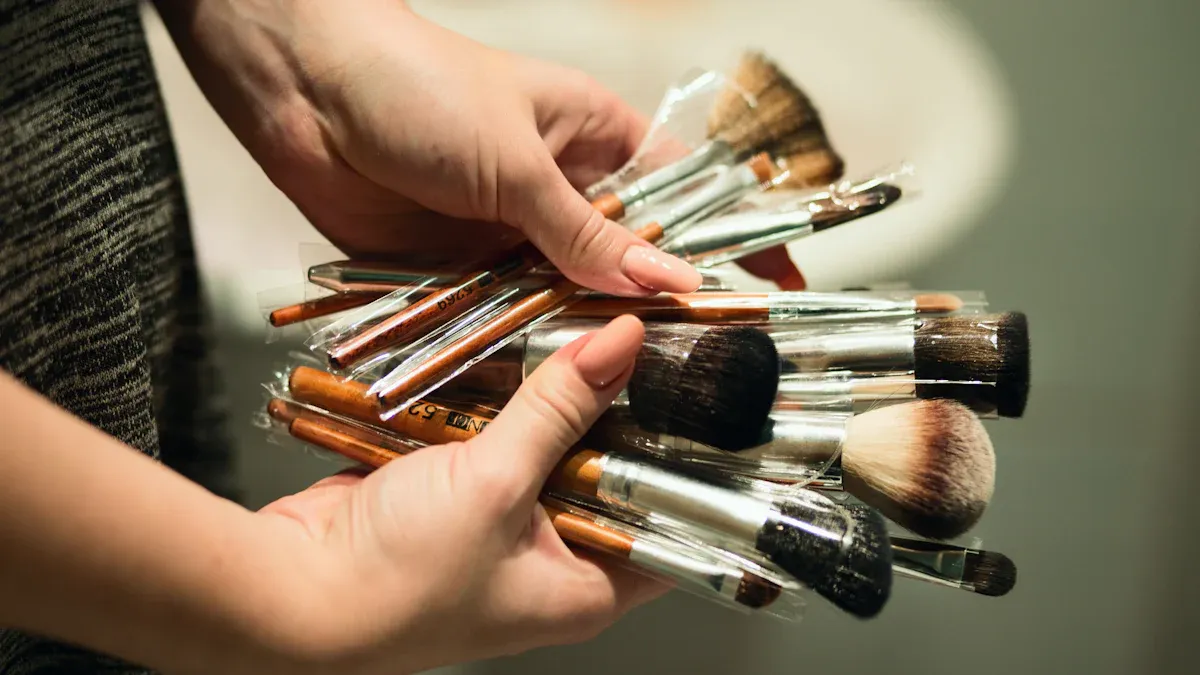
Using clean tools is crucial for preventing skin infections and breakouts. Here’s how to keep your brushes and sponges in top shape:
Rinse the tip of your makeup brush under warm water.
Apply a drop of mild soap to your palm and gently rub it into the brush.
Wash the brush under warm water, using your fingers to remove the soap.
Repeat until the water runs clear.
Squeeze out any extra water.
Lay the brush flat on a clean towel to dry overnight.
Tip: Brushes used with wet products should be washed once a week, while those for dry cosmetics can be cleaned once a month. Dr. Piliang emphasizes, “Your eyes are more prone to infection, so makeup brushes you use in that area should be washed regularly.”
Application Techniques
Starting with a clean face is key. Cleansing removes dirt and oil, allowing makeup to adhere better without causing irritation. Here are some effective techniques to keep in mind:
Technique | Description |
|---|---|
Always Start with Clean Skin | Cleansing prepares your skin for makeup, reducing the risk of irritation. |
Use Clean Tools and Brushes | Regular cleaning prevents bacteria transfer, protecting your skin from breakouts. |
Invest in Sunscreens | Applying broad-spectrum sunscreen protects against sun damage, which can worsen skin issues. |
By adopting these proper hygiene practices and application techniques, you can enjoy your makeup routine while keeping your skin healthy and radiant.
Proper Makeup Removal Practices
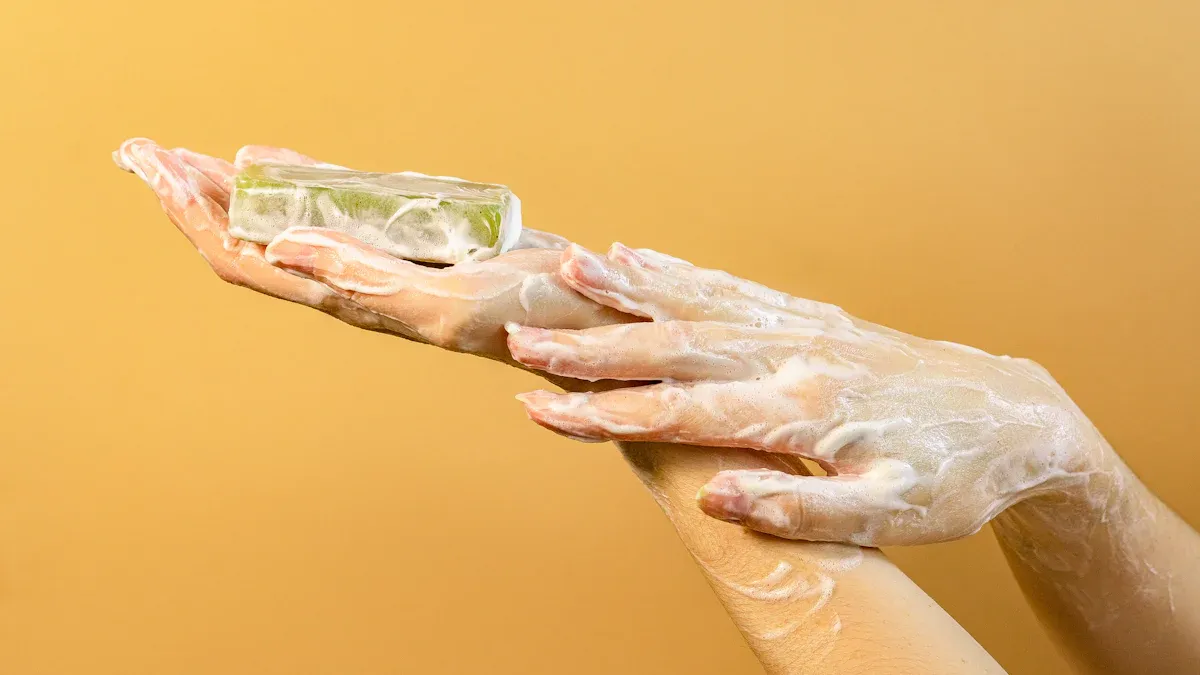
Removing your makeup before bed is essential for maintaining healthy skin. Failing to do so can lead to clogged pores, skin irritation, and even acne flare-ups. In fact, many people experience issues like uneven skin tone and weakened eyelashes when they skip this crucial step. So, let’s explore effective cleansing methods and a solid nighttime routine to keep your skin health first.
Cleansing Methods
Using the right cleansing products can make a big difference. Here’s a table summarizing some effective options:
Evidence Type | Description |
|---|---|
Cleansing Oil | A cleansing oil with high cleansing ability can effectively remove makeup without irritation. |
Mild Skin Cleansers | Mild cleansers prevent damage to your skin’s barrier function, reducing irritation risk. |
Liquid Facial Cleansers | These are gentler than soap and help maintain your skin barrier while cleansing effectively. |
When cleansing your skin, remember to use clean hands to reduce bacteria. Avoid excessive rubbing, as this can irritate your skin, especially if you have acne-prone skin.
Nighttime Routine
A good nighttime routine can enhance your skin’s recovery while you sleep. Follow these steps for optimal makeup removal:
Eye Makeup Removal: Use a gentle eye makeup remover with a cotton pad to dab away makeup without harsh pulling.
Cleansing: Start with an oil-based cleanser to remove makeup, then follow with a water-based facial cleanser to wash away sweat and dirt.
Toning: Apply an alcohol-free toner to remove any remaining impurities and even out your skin tone.
Serum Application: Use a serum targeted for hydration or oil control.
Facial Oil: Optionally, apply a small amount of facial oil for added moisture.
Night Cream: Finish with a night cream to lock in moisture and support skin regeneration overnight.
By adopting these cleansing methods and a consistent nighttime routine, you can effectively remove makeup and promote healthier skin.
Prioritizing your skin health through proper makeup hygiene is essential. Unsafe beauty trends can lead to serious issues, like infections from tightlining or allergic reactions from eyeliner tattoos. To keep your skin glowing, remember to:
Remove contact lenses and makeup before bed.
Apply cosmetics away from your eyes.
Regularly replace eye products.
Stay mindful of your choices for healthier skin! 🌟
FAQ
How often should I clean my makeup brushes?
You should clean your makeup brushes weekly to prevent bacteria buildup and keep your skin healthy.
Can expired makeup harm my skin?
Yes, using expired makeup can lead to skin irritations, breakouts, and infections. Always check expiration dates!
What’s the best way to remove makeup?
Use an oil-based cleanser followed by a gentle water-based cleanser for effective makeup removal without irritating your skin.