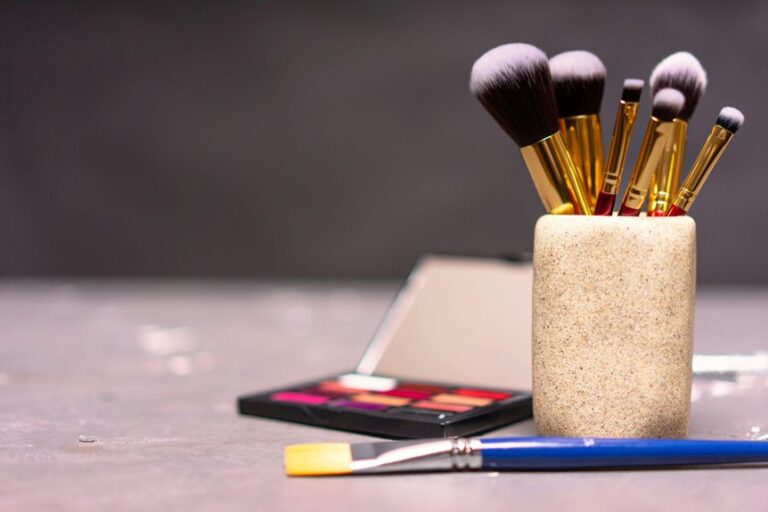
Makeup does not directly age skin, but daily wear can change how skin looks over time. Heavy formulas might dry the barrier, clog pores, and settle into fine lines, creating dullness and texture that resemble aging. Sleeping in makeup can worsen these effects. The real question is not whether makeup causes wrinkles, but which habits around it protect skin and which ones quietly work against it.
Can Makeup Age Your Skin?
Makeup itself does not directly age the skin, but prolonged wear, poor removal habits, and unsuitable formulas can contribute to visible aging over time.
Clinical evidence suggests that makeup perception often reflects residue, dehydration, and irritation rather than intrinsic aging alone.
Whenever skin compatibility is low, products might accentuate fine lines, texture, or dullness, making the face appear older in social settings where belonging and confidence matter.
Drying or pore-clogging formulations can worsen these effects, especially on sensitive or acne-prone skin.
Proper cleansing and selection of non-irritating, hydrating products help preserve barrier function and maintain a smoother appearance.
In practical terms, risk depends less on makeup itself than on how well it matches skin needs and daily care.
How Daily Makeup Affects Skin
Daily makeup can affect skin through pore-clogging residues that increase blackheads, acne, and a duller texture.
Repeated exposure to drying or irritating formulations can stress the skin barrier, worsening dehydration and making fine lines more apparent.
Nightly makeup removal remains critical because leaving residue on the skin interferes with cleansing, renewal, and recovery processes.
Pore Clogging Risks
Heavy or oil-based cosmetics can clog pores whenever worn regularly, especially if they are not removed thoroughly at the end of the day. Dermatologic evidence indicates that oil based formulas and occlusive pigments might trap sebum and keratin within follicular openings, increasing blackhead formation and occasional acne lesions.
Whenever pores remain blocked, the skin surface can appear uneven, congested, and less refined, which might make a person seem older than peers who maintain clearer complexions. The risk is higher in acne-prone users, but any routine that leaves residue behind can contribute to visible dullness.
Careful cleansing and choosing non-comedogenic products support a cleaner, more confident appearance. For many individuals, this approach helps preserve the smooth, balanced look associated with healthy skin.
Skin Barrier Stress
Repeated exposure to drying formulas, harsh surfactants, and insufficient removal can stress the skin barrier through stripping lipids and increasing transepidermal water loss.
Once the barrier is compromised, skin becomes less able to retain moisture, regulate irritation, and maintain a smooth surface.
Over time, this can heighten sensitivity, dullness, and the appearance of fine lines, especially in people already prone to dryness.
Clinical evidence supports barrier recovery through gentle cleansing, humectant-rich hydration, and lipid support from ceramides, cholesterol, and fatty acids.
For individuals who wear makeup daily, compatibility matters: formulas that respect barrier function are more likely to preserve comfort and resilience.
In practical terms, the goal is not avoidance, but maintaining skin that feels balanced, supported, and visibly healthier over time.
Makeup Removal Importance
Even while makeup is well tolerated during the day, leaving it on overnight can interfere with normal skin recovery by trapping sebum, pigment, and environmental debris against the surface. Whenever residue remains, pores are more likely to become congested, inflammation can increase, and the complexion may appear dull or uneven.
Repeated neglect also supports dehydration, which can make fine lines more noticeable and reduce the skin’s sense of resilience. For this reason, gentle cleansing before bed is considered a core part of nightly skincare. It helps remove film-forming ingredients without unnecessary irritation and allows overnight renewal processes to proceed normally.
Consistent removal is not cosmetic excess; it is a practical habit that supports healthier-looking skin and helps individuals feel aligned with a routine that protects their shared standards.
How Daily Makeup Can Dry Skin Out
Daily makeup use can dry out the skin as products are worn for long periods without adequate cleansing and hydration, allowing moisture loss to accumulate across the day. This prolonged exposure can weaken the moisture barrier, reducing the skin’s ability to retain water and stay resilient.
Drying formulas, especially matte or alcohol-heavy products, could intensify hydration loss and leave the surface feeling tight, rough, or sensitive. Over time, repeated dryness could make fine lines more noticeable and compromise a healthy, even complexion.
Evidence-based skin care practices support choosing non-drying products, cleansing at night, and replenishing moisture with compatible hydrators. With consistent care, daily wear can fit into a routine that protects comfort, supports barrier function, and helps skin remain balanced and familiar.
Why Clogged Pores Make Skin Look Dull
Clogged pores disrupt normal light reflection at the skin surface, making the complexion appear uneven and dull.
Heavy makeup and incomplete removal can leave residue in pores, increasing blackheads, congestion, and visible texture changes.
Over time, this buildup contributes to an older, less refreshed appearance.
Pore Blockage and Dullness
Pore obstruction can make skin appear visibly dull because trapped oil, dead cells, and makeup residue alter surface texture and reflect less light evenly. As oil buildup increases, pore congestion enlarges openings and creates a rougher, less radiant finish. Clinically, blocked pores are associated with microcomedones, uneven tone, and a fatigued appearance that can make healthy skin seem less vivid.
In daily wearers, the effect is often gradual, so it can go unnoticed until dullness becomes persistent. Evidence suggests that regular cleansing and compatible formulas help maintain clearer pores and a smoother light-reflecting surface. For people seeking to look refreshed and feel confident among peers, minimizing blockage supports a brighter, more even complexion without changing natural skin quality.
Makeup Residue Buildup
When makeup is not fully removed, residue accumulates on the skin surface and in follicular openings, where it can trap oil, dead cells, and environmental debris. These lingering makeup particles contribute to residue buildup effects that narrow pores and disrupt normal cell turnover.
As congestion increases, light reflects unevenly, and the complexion often appears flat, rough, and less luminous. Clinical observation links this pattern to a dull, tired look rather than true intrinsic aging, although repeated blockage can aggravate inflammation and breakouts.
Over time, compromised cleansing routines may weaken the skin barrier, making texture irregularities more visible. For individuals seeking healthier-looking skin and a sense of shared confidence, nightly removal remains a practical, evidence-based step that supports clarity, smoothness, and renewal.
Does Sleeping in Makeup Speed Up Aging?
Sleeping in makeup can speed up visible skin aging because it interferes with overnight repair and increases dehydration, irritation, and pore obstruction.
During sleep, the skin normally supports renewal; when cosmetics remain in place, that process is less efficient, and sleep hygiene is undermined.
Residual pigments and emollients might trap moisture loss, accentuate fine lines, and contribute to a dull, fatigued appearance that many people want to avoid.
In susceptible skin, prolonged contact can also trigger inflammation and collagen disruption, which can reduce firmness over time.
Heavy or drying formulas can worsen these effects, particularly in individuals with sensitive or acne-prone skin.
Nightly cleansing and compatible products help preserve a smoother, healthier-looking complexion and support the shared goal of long-term skin resilience.
Why Removing Makeup Matters
Removing makeup before bed helps preserve the skin’s natural repair cycle via reducing residue, dehydration, and irritation. Nighttime cleansing is clinically crucial because cosmetics left on the face can trap debris, impair barrier function, and limit overnight recovery.
With gentle removal, the skin is less likely to experience friction, redness, or extra dryness, all of which can make fine lines appear more noticeable over time. Consistent cleansing also supports a clearer texture and a calmer complexion, helping individuals feel confident in routines that protect both appearance and comfort.
For those seeking to maintain skin health while fitting in socially and professionally, removing makeup is a practical, evidence-based habit. It aligns daily wear with skin’s biology and reduces avoidable stress on the surface.
Which Makeup Ingredients Are Hardest on Skin?
The hardest makeup ingredients on skin are typically those that dehydrate, irritate, or clog pores. Clinical reviews most often implicate alcohol-heavy bases, strong fragrance, and certain preservatives when fragrance sensitivity or preservative irritation is present.
| Ingredient type | Common effect | Skin response |
|---|---|---|
| Drying alcohols | Barrier stress | Tightness |
| Fragrance compounds | Sensitization | Redness |
| Heavy oils/waxes | Pore blockage | Breakouts |
These formulas can leave skin less resilient, especially for people seeking a routine that feels safe and inclusive. High-foam cleansers and harsh surfactants can also strip moisture, while some preservatives trigger low-grade inflammation. Over time, repeated exposure can amplify dullness and uneven texture. Selecting noncomedogenic, fragrance-free, and balanced products helps maintain comfort without excluding sensitive skin types from daily wear.
How Foundation Can Emphasize Fine Lines
Foundation can make fine lines more visible once it dries the skin’s surface and accentuates existing texture.
As the product settles into creases, it can create contrast that draws attention to wrinkles rather than smoothing them.
Heavy coverage often intensifies this effect, particularly if the formula is matte or poorly matched to the skin’s hydration level.
Dryness And Texture
Once skin is already dehydrated, foundation and other dry or mattifying formulas can settle into fine lines and make surface texture appear more pronounced. In this setting, hydration balance becomes central: whenever the stratum corneum lacks water, light reflects unevenly and the complexion reads as rougher than it is.
Formula texture also matters; powders and long-wear liquids often contain absorbent agents that reduce surface slip, which can highlight flaking, patchiness, and micro-relief. Evidence-based skin care recommends applying makeup over well-moisturized skin and choosing non-drying products suited to the skin type.
For those seeking a cohesive, polished appearance, supportive hydration helps the face look smoother, healthier, and more uniform throughout the day.
Settling Into Creases
Once makeup settles into expression lines, it can visually amplify creases rather than cause them directly. In clinical terms, line settling occurs as foundation migrates into fine folds as the skin moves, dries, or loses surface moisture.
This crease collection is more noticeable around the eyes, mouth, and forehead, where repeated facial motion creates natural channels. Formulas with a drier finish, inadequate blending, or excess product increase this effect, making skin appear older under normal light.
Evidence indicates that well-hydrated skin and compatible textures reduce visible accumulation. For people seeking a polished, cohesive look, the aim is not to avoid age expression, but to minimize emphasis on it through careful application, balanced hydration, and formulas that move more gracefully with the skin.
Heavy Coverage Effects
Heavy coverage can intensify the appearance of fine lines as foundation sits heavily on the skin’s surface rather than blending into its natural texture. Clinical observation suggests that dense pigment and matte binders create shadows in microfolds, especially whenever hydration is low. A careful coverage balance supports a smoother finish without masking identity in full face looks.
| Factor | Effect | Clinical note |
|---|---|---|
| Heavy pigment | Settles in lines | Increases contrast |
| Dry formula | Highlights texture | Reduces flexibility |
| Layering | Builds thickness | Raises visibility of creases |
| Hydrated skin | Improves glide | Softens surface appearance |
For individuals seeking polished, inclusive routines, lighter application and skin-compatible formulas reduce visual aging while preserving natural expression and group belonging.
How to Wear Makeup Without Damaging Skin
Wearing makeup without damaging skin depends on product selection, hygiene, and consistent removal. Evidence supports choosing non-comedogenic, non-drying formulas matched to skin type, because harsh or oil-heavy products can increase congestion and visible irritation. Careful shade matching tips reduce the need for heavy layering, helping complexion products look natural rather than mask-like.
Makeup tool hygiene is equally vital; brushes and sponges should be cleaned regularly to limit bacteria, residue, and inflammatory exposure. Fragrance-free, barrier-friendly products are preferable for sensitive users. Daily wear should end with thorough cleansing to remove pigments, waxes, and pore-clogging residues.
With these measures, makeup can support a polished appearance without compromising skin integrity, allowing individuals to feel included and confident in their routine.
Daily Habits That Keep Skin Healthy Under Makeup
Daily habits play a central role in preserving skin health under makeup, especially whenever product choices have already been matched to skin type. Evidence supports gentle cleansing each evening to remove residue, limit irritation, and support overnight repair.
Regular hydration layering, beginning with a light humectant and followed by a barrier-supportive moisturizer, helps maintain suppleness beneath cosmetics and reduces the look of fine lines. Daytime consistency matters as well: cleansing the face without stripping, applying sunscreen, and using non-drying formulas all help protect the skin’s moisture balance.
For individuals seeking to feel confident within their routine, these measures create a steady, skin-friendly foundation. Over time, such habits help makeup sit more evenly, while supporting healthier texture, comfort, and a calmer appearance.
When To Change Your Makeup Routine
When skin begins to feel persistently dry, irritated, or breakout-prone, the makeup routine likely needs adjustment. Clinicians treat these changes as signs to update products, especially when wear is followed through tightness, flaking, or clogged pores. The right routine reset timing often comes after seasonal shifts, new medications, or repeated sensitivity to the same formulas.
- Review cleanser, foundation, and remover for drying or pore-clogging ingredients.
- Replace mattifying or heavy products with hydrated, non-comedogenic options.
- Reassess nightly cleansing and moisturization to support barrier repair.
For people seeking skin that looks clear and feels included in the same standard of care, routine changes should be prompt, not reactive. Initial correction reduces irritation, supports recovery, and helps prevent visible aging from dehydration and inflammation.
Frequently Asked Questions
Can Makeup Make Mature Skin Look Older?
Yes, makeup can make mature skin look older because coverage texture is heavy or drying and finish effects highlight lines. Well hydrated, compatible formulas and thorough removal reduce irritation, dullness, and visible aging.
Do Mineral Cosmetics Age Skin Less?
Mineral cosmetics might age skin less, especially when mineral ingredients are non drying and the skin barrier remains intact. Evidence suggests fewer irritants and better moisture retention reduce fine lines, supporting a smoother, more acceptable appearance.
How Often Should Makeup Brushes Be Cleaned?
Makeup brushes should be cleaned weekly. Brush hygiene and cleaning frequency matter because residue, oil, and bacteria accumulate quickly. Consistent washing supports clearer skin, reduces irritation, and helps users feel confident, cared for, and included.
Does SPF in Makeup Reduce Aging Risk?
Yes; SPF in makeup can reduce aging risk, yet protection depends on adequate SPF coverage, not brand prestige. Applied consistently, it supports aging prevention. Worn sparingly or unevenly, its benefit diminishes, leaving skin vulnerable.
Can Sensitive Skin Tolerate Daily Foundation Wear?
Sensitive skin can tolerate daily foundation wear when skin barrier support is prioritized and fragrance free formulas are chosen. Proper cleansing, hydration, and non irritating ingredients reduce redness, dryness, and breakout risk, supporting comfortable, consistent wear.