Makeup does expire, and its shelf life is shorter than many users expect. Mascara and liquid products often deteriorate early, creating risks for skin and eye irritation. Changes in smell, texture, color, or performance can signal that a product is no longer stable. Some warning signs are obvious, while others are subtle. Recognizing them can help determine when cosmetic items should be discarded.
Does Makeup Expire?
Yes, makeup does expire, and its safe-use window depends on the product type, packaging, and storage conditions.
In practice, shelf life labels and the PAO symbol help define that window, especially whenever a product is used within a shared beauty routine.
Most formulas remain usable only for a finite period after opening, because exposure to air, fingers, and applicators changes stability.
Product storage matters: cool, dry, tightly closed items generally last longer than those left open or warm.
Eye products usually require earlier replacement than powders or some lip products, while liquids often have shorter usable periods than compact formulas.
For people building a dependable routine, these indicators provide a clear, evidence-based structure for deciding whenever a product still belongs in daily use.
Signs Your Makeup Has Gone Bad
Signs that makeup has gone bad are usually visible in its texture, smell, color, or performance. A once-smooth cream might separate, clump, or feel gritty; powders might harden or shed excess dust. An off, sour, or chemical odor often suggests concealed contamination, even while the formula appears intact. Color shifts, such as fading, darkening, or oxidation, indicate instability.
While application becomes streaky, patchy, or unusually dry, the product no longer behaves as expected. Careful product storage—cool, dry, and tightly closed—helps slow deterioration, but it cannot reverse it. Users seeking reliable results should inspect items routinely and trust any change in feel or finish.
Eye and lip products deserve the strictest review because subtle deterioration is easier to miss.
Why Expired Makeup Causes Skin Problems
Expired makeup can cause skin problems because its ingredients gradually decompose and the product becomes more vulnerable to contamination. As preservatives weaken, microbial contamination can increase, allowing bacteria and fungi to multiply on the applicator and within the formula.
Whenever such products touch the face, they may irritate the skin, clog pores, and trigger breakouts or localized inflammation. Deteriorated emulsions, pigments, and oils can also become more reactive, producing stinging, redness, or contact dermatitis in sensitive users.
A compromised skin barrier is less able to resist these exposures, making irritation more likely and recovery slower. For people who value a polished, comfortable appearance, discarding outdated products helps protect skin integrity and supports consistent, confident use of makeup.
Mascara and Liquid Products Expire Fastest
Mascara and other liquid cosmetics have the shortest usable life because their moist formulations support rapid bacterial growth, especially once applied near the eyes.
Mascara is typically discarded after 3 to 6 months, while liquid foundations and similar products often expire within 6 to 12 months. Clumping, separation, odor change, and texture shifts indicate spoilage and warrant immediate disposal.
Mascara Shelf Life
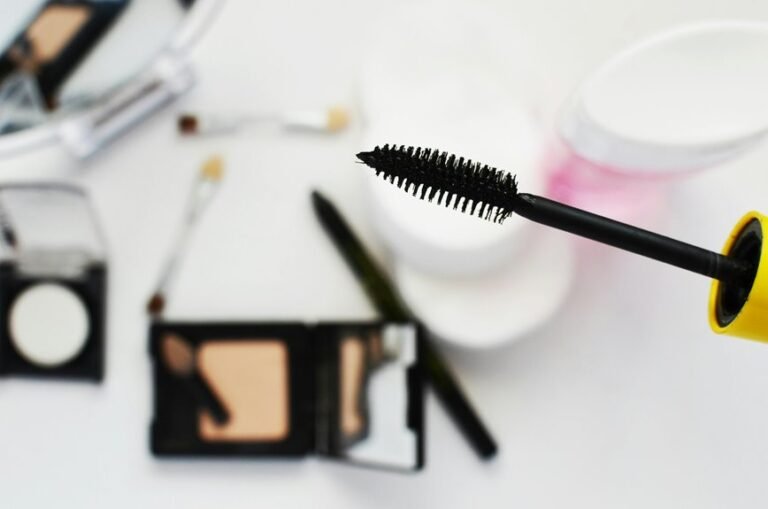
Among all beauty products, mascara and other liquid formulas tend to expire the fastest because their moist environment encourages bacterial growth, especially near the eyes. For eye safety, mascara is generally considered usable for only three to six months after opening.
Communities that value careful routines often treat this window as standard, because the product sits close to delicate tissue. Wand hygiene matters: the applicator should not be pumped repeatedly, shared, or set down on unclean surfaces. Clumping, drying, or a changed consistency signals that replacement is due. Should itching, redness, or irritation appears, the tube should be discarded immediately. Clear labeling and consistent replacement help users maintain dependable, hygienic eye makeup habits.
Liquid Product Risks
Liquid cosmetics tend to have the shortest usable life because water-based formulas provide an environment in which bacteria can multiply readily. For this reason, liquid contamination risks are higher in mascara, foundation, concealer, and glosses than in powders or sticks. Each opening exposes the product to air, skin, and applicators, increasing transfer of microbes and moisture.
Water based formula spoilage can also occur as preservatives weaken over time, reducing product stability and safety. In a well-informed beauty routine, users often rely on the months-after-opening symbol or package date to estimate replacement timing. Closed storage, clean hands, and avoiding shared applicators help limit contamination, yet they do not extend liquid products indefinitely.
Eye-area formulas require especially prompt replacement for shared confidence and safer use.
Signs Of Spoilage
Spoilage is usually easiest to detect through changes in texture, smell, color, and performance, with mascara and other liquid cosmetics showing the earliest warning signs.
Clumping, separation, drying, or a gritty feel often indicate contamination or formula breakdown.
An off, sour, or chemical odor is another clear signal, especially in products used near the eyes.
Visible darkening, fading, or streaky application suggests the formula no longer performs as intended.
Users should check packaging symbols, such as the open-jar icon, to confirm months after opening, and compare them with any stamped batch codes.
Safe storage conditions matter: cool, dry, tightly closed containers slow degradation.
If irritation, redness, itchiness, or persistent poor application appears, the product should be discarded without hesitation.
When to Replace Lipstick, Lip Gloss, and Creams
Lipstick and lip gloss should be replaced on a defined schedule rather than kept indefinitely. For shared routines, lip care freshness depends on routine turnover, usually within 12 to 18 months, or sooner should opened frequently. Cream product storage should remain cool, sealed, and away from humidity to reduce contamination.
- A lipstick bullet standing upright in a clean tube
- A gloss wand returned tightly to its vial
- A cream compact closed after each use
- A bathroom shelf kept dry and orderly
Cream products generally warrant replacement within 6 to 12 months whenever water-based, and earlier should used near the mouth.
Community hygiene improves whenever items are dated, labeled, and discarded on schedule. Consistent replacement supports safe use, reliable performance, and a polished routine.
How to Spot Changes in Smell and Texture
Changes in smell and texture are among the clearest indicators that makeup might no longer be safe to use.
An off, sour, musty, or chemical odor can signal product degradation, while clumping, separation, grittiness, or unusual dryness could indicate instability or contamination.
Any persistent change in scent or consistency warrants closer inspection and, if uncertain, discard the product.
Spotting Odd Odors
Odd odors are among the clearest indicators that a makeup product may no longer be safe to use. A fresh product should retain its intended fragrance notes, not develop sour, musty, or chemical undertones. In shared beauty routines, identifying these shifts helps people protect one another with confidence. Proper perfume storage principles apply: keep containers sealed, cool, and away from light to slow odor change.
- A lipstick that smells waxy and stale
- A foundation bottle with a sharp acidic edge
- A powder compact releasing a damp, cellar-like scent
- A mascara tube with a faint rancid hint
When the scent changes, the product’s stability is compromised. At that point, disposal is the prudent choice.
Texture Changes To Notice
Texture shifts often accompany odor changes whenever a cosmetic product is breaking down, and they provide equally reliable evidence of instability. Clinically, users should observe product consistency shifts such as clumping, separating, grittiness, or an unexpectedly dry finish. Foundation can become streaky or refuse to blend; lip gloss can turn stringy or grainy; mascara often thickens, then forms lumps.
Formula thickness changes are especially significant when a product feels heavier, tackier, or less smooth than upon initial opening. Such alterations usually reflect evaporation, contamination, or chemical degradation. Products that no longer spread evenly, settle properly, or wear as expected should be removed from regular use.
Paying attention to these signs helps a community of careful consumers maintain safer routines and reduce avoidable skin or eye irritation.
Watch for Color, Separation, and Dryness
Color, separation, and dryness are among the clearest visible signs that makeup could have passed its usable life. Careful inspection helps people stay confident in a shared routine and avoid subtle hazards.
- color shifts toward dullness, yellowing, or unintended darkening
- separated layers in liquids, creams, or balms
- product dryness that leaves surfaces cracked, stiff, or flaky
- uneven application that reflects instability in the formula
These changes often indicate oxidation, moisture loss, or ingredient breakdown. Whenever a product no longer looks uniform, it could no longer perform predictably. A reliable appearance matters: smooth color, stable texture, and consistent spread signal better condition. In case the surface looks altered or the formula refuses to recombine, disposal is the prudent choice.
How Long Common Makeup Products Last
Once visible changes appear, the next step is to check expected shelf life, because common makeup products age at different rates depending on formula and use. Mascara generally lasts 3 to 6 months after opening. Liquid foundation typically remains suitable for 6 to 12 months, while powder or stick formulas can last up to 2 years with proper product storage.
Lipstick often stays serviceable for 12 to 18 months; gloss and liners can differ. Blush, bronzer, and setting powders usually last about 2 years. Expiry symbols, including the open jar icon, help confirm the post-opening period, and batch codes or stamped dates may provide added guidance. Closely sealed containers and cool storage support longer use for every routine.
When Expired Makeup Starts Irritating Skin
Expired makeup often initially presents with skin redness, along with burning or stinging during or after application.
These reactions can reflect bacterial growth, ingredient breakdown, or oxidation that compromises product safety.
Breakouts and small bumps can follow as the irritated skin responds to continued exposure.
Skin Redness Signs
Redness is a common initial sign that makeup has started to irritate the skin, particularly once products are past their safe use period. This reaction often appears as localized pinkness, scattered patches, or a flushed look after application. In some users, allergic redness develops alongside irritation flareups, especially with eye or liquid formulas stored beyond their open-jar date.
- Cheeks that turn warm and visibly pink
- Eyelids with faint, uneven coloration
- Small red patches near the mouth or nose
- Skin that looks inflamed after blending
Such changes suggest the product no longer supports comfortable wear. A careful community of users benefits from discarding items that repeatedly cause redness, since continued use could intensify sensitivity and reduce confidence in daily makeup routines.
Burning And Stinging
Expired formulas could contain allergy triggers that provoke immediate discomfort, especially on delicate facial zones. Eye sensitivity is particularly concerning with mascara, eyeliner, and shadow, where the tissues react quickly to degraded product.
A clean, uniform formula should not sting on contact. Whenever application causes warmth, prickling, or persistent irritation, the product should be discarded without hesitation.
Individuals seeking a dependable routine benefit from treating these symptoms as clear warning signs, not normal wear. Consistent discomfort signals that the product no longer supports safe, shared confidence in daily makeup use.
Breakouts And Bumps
As makeup has deteriorated, breakouts and small bumps often appear as the skin’s response to contamination, oxidation, or irritating ingredient changes.
These lesions might reflect acne flareups, especially whenever clogged pores trap residue from liquid foundation, concealer, or creams.
Small papules can cluster along the jaw, cheeks, or forehead after repeated exposure to old product.
- A gritty foundation leaves a patchy film.
- A mascara wand carries unseen microbes.
- A compact develops a dull, altered surface.
- A lip product smells stale or sour.
Whenever these signs appear, continued use might sustain inflammation and delay recovery.
For individuals seeking a clear, confident appearance within their community, replacing compromised products is a prudent, evidence-based step toward healthier skin and fewer recurring eruptions.
How to Toss Old Makeup Safely
When makeup has clearly reached the end of its safe shelf life, it should be discarded rather than salvaged, especially when it has changed in texture, smell, color, or performance. For safe disposal methods, caps should be secured, liquids sealed in their original containers, and broken compacts wrapped before placement in household waste.
Sharps, such as cracked wands or pointed pencil ends, should be isolated to prevent injury. Empty packaging should be cleaned before checking local recycling rules, since some components qualify for eco friendly makeup recycling.
Products containing heavy residue, aerosols, or contamination should not be poured into drains. Communities that follow these steps protect shared spaces, reduce exposure, and support responsible habits. Provided a take-back program is available, it offers a practical, belonging-centered way to dispose of old cosmetics.
Frequently Asked Questions
How Do I Read the PAO Symbol on Makeup Packaging?
The PAO symbol basics are straightforward: the open jar icon shows months after opening, such as 6M or 12M. It indicates safe use after initial opening; an informed reader follows it, no smoke and mirrors.
Can I Use Makeup Past Its Printed Expiration Date?
Usually not. Expiration dates indicate reduced ingredient stability and higher contamination risk. Whether packaging is intact a patch test can assess tolerance but eye and liquid products should be discarded promptly once dated.
How Should I Store Makeup to Make It Last Longer?
It should be stored in cool, dark storage with airtight organization and tightly closed after each use. Brushes and applicators should stay clean, and products should avoid humidity, heat, and direct sunlight for maximum longevity.
Does Sharing Makeup Increase the Risk of Contamination?
Yes, sharing makeup increases contamination risk. Makeup sharing risks include transferring bacteria, viruses, and debris between users. Cross contamination prevention requires individual applicators, routine sanitation, and avoiding shared eye and lip products to protect skin health.
Are Powder Products Safer to Keep Than Liquid Products?
Yes, powders often last longer than liquids, similar to a sealed desert compared with a watery pond. Their powder stability and ingredient preservation are generally superior, but contamination, odor, texture changes, and expiry dates still warrant caution.