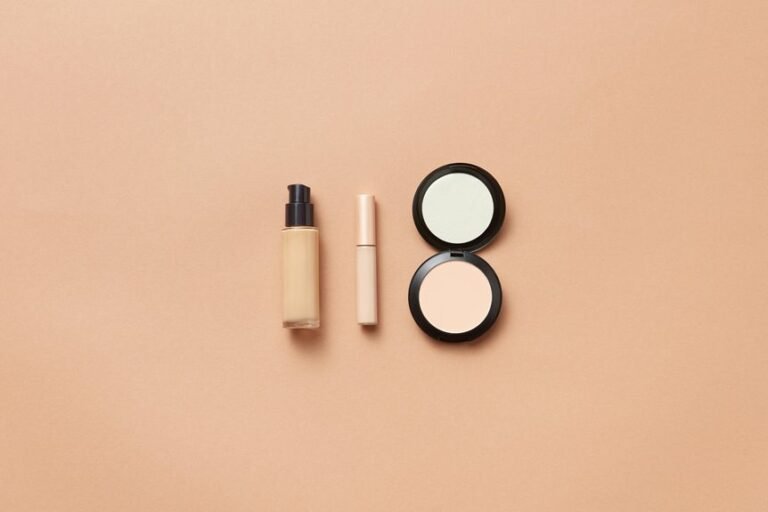
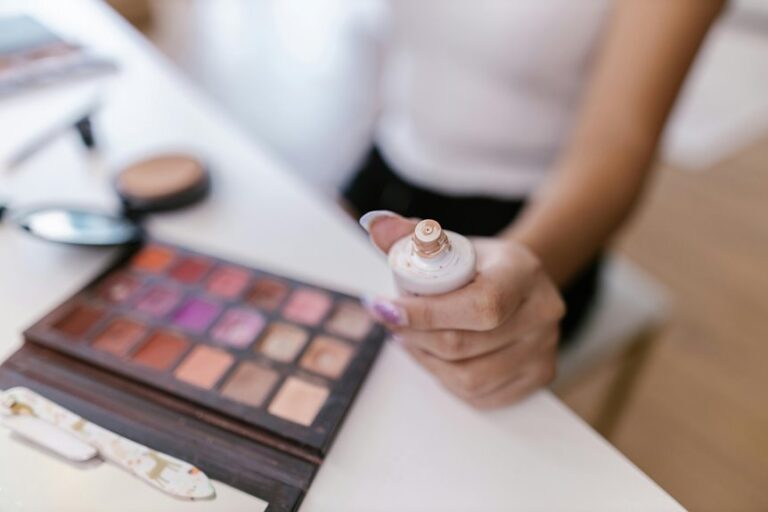
Mineral makeup is a finely milled powder built from ingredients like zinc oxide, titanium dioxide, mica, and iron oxides. It is designed to offer coverage without the weight of a traditional liquid. The finish often looks soft, natural, and quietly luminous. What makes it feel different is not only the formula, but the way it sits on skin. That subtle shift raises a larger question about comfort, wear, and who it suits best.
What Is Mineral Makeup?
Mineral makeup is a finely milled powder made from natural earth minerals such as titanium dioxide, zinc oxide, mica, and iron oxides.
In mineral makeup basics, it is understood as a formula designed to deliver coverage and a smooth finish in a lightweight powder that can be brushed on with ease.
Its mineral makeup history is rooted in the search for simpler, skin-conscious cosmetics that feel more natural and less burdensome.
For many, it offers a quiet sense of confidence, as though the complexion can look refined without losing authenticity.
The result is a soft, luminous effect that sits comfortably on the skin, helping users feel included in a beauty approach that values ease, balance, and a polished appearance.
Key Ingredients in Mineral Makeup
Behind mineral makeup’s soft, luminous finish lies a carefully selected blend of finely milled ingredients that shape both its look and its skin-friendly feel. At the center are mineral pigments, usually iron oxides, which deliver believable color and seamless tone matching. Titanium dioxide and zinc oxide add coverage while offering mineral-based sun defense. Mica lends radiance, creating the light-reflecting veil many wearers seek. Ingredient purity matters here: formulas often avoid talc, parabens, and synthetic dyes, allowing the complexion to feel part of a considerate routine.
- Titanium dioxide for coverage
- Zinc oxide for calm, protective wear
- Mica and iron oxides for glow and color
This composition gives makeup lovers a refined, familiar finish that feels quietly inclusive.
Mineral Makeup vs. Liquid Makeup
In contrast to liquid formulas, mineral makeup is typically prized for its lightweight, powder-based feel and its ability to deliver coverage without a heavy or occlusive finish. For readers comparing textures, a finish comparison often shows mineral options appearing softer and more natural, while liquid bases can read more dewy or saturated.
| Format | Coverage | Finish |
|---|---|---|
| Mineral powder | Buildable | Soft-focus |
| Liquid foundation | Variable | Satin to dewy |
| Brush application | Diffused | Airy |
| Sponge application | Blended | Polished |
| Layering | Controlled | Even |
Different application techniques shape the result, with minerals favoring buffing and liquids relying on brushes, sponges, or fingers. Those seeking a polished, inclusive complexion narrative often appreciate mineral makeup for its restrained elegance and adaptable, skin-friendly appearance.
Why Mineral Makeup Feels Lighter
What gives mineral makeup its airy feel is its powder-based structure, which sits lightly on the skin rather than layering on heavy oils or emollients. Finely milled minerals settle into a weightless texture, creating breathable wear that feels almost unnoticeable through the day.
Because the formula relies on pigments and light-reflecting minerals, it offers coverage without the dense, coated sensation many associate with traditional makeup. It also aligns with a preference for skin that looks polished yet still belongs to itself.
- A soft veil over the complexion
- A fresh finish that moves with the face
- A barely-there comfort from morning to evening
Who Should Use Mineral Makeup?
Mineral makeup is especially well suited to people who want coverage that feels gentle, breathable, and uncomplicated. It often appeals to those with sensitive skin benefits in mind, since its simpler formulas might reduce irritation and create a calmer daily routine.
It also aligns well with acne prone skin needs, because a non-comedogenic texture can support a clearer-looking complexion without adding unnecessary heaviness. Those who prefer a natural finish, light-to-medium coverage, and a polished look that still feels like skin might find it especially fitting.
Mature skin can also appreciate its soft, light-reflecting effect, while busy individuals value makeup that feels dependable and easy to belong with in everyday life.
How to Apply Mineral Makeup for a Natural Finish
A natural mineral makeup finish begins with clean, well-prepped skin so the powder can sit smoothly rather than cling to texture.
It is then best applied in light layers, buffed gradually into the complexion until the coverage appears seamless and even.
A final mist can help meld the minerals with the skin, leaving a soft, polished result.
Prep Bare Skin
Before application, bare skin should be clean, lightly moisturized, and fully absorbed so the powder can adhere evenly and look seamless. A simple hydration routine helps create a calm, comfortable base, while skin priming can refine texture without adding weight.
Mineral makeup tends to sit best on skin that feels balanced, not slick or dry, allowing the finish to read as naturally part of the face.
- Wash away residue with a gentle cleanser.
- Apply a thin moisturizer and let it settle.
- Wait until the surface feels smooth, then begin.
This quiet preparation supports a finish that looks polished, breathable, and familiar, as though it belongs there. Once the base is ready, mineral pigments can settle more gracefully, helping the complexion appear even and effortless.
Buff In Layers
Using a soft brush, the powder is best buffed onto the skin in thin, circular layers, allowing the minerals to diffuse evenly rather than sit heavily on the surface.
This layering technique helps the complexion look seamless, as each pass builds coverage without masking natural texture. Light brush pressure matters; a gentle hand keeps the finish airy and prevents pigment from gathering around pores or dry spots.
Mineral makeup responds well to this patient method because the finely milled particles blend into the skin’s own tone, creating a soft-focus effect that feels quietly polished. With each added layer, the result remains breathable and familiar, offering the sense of being put together while still looking like one belongs in their own skin.
Set With Mist
Once the mineral layers have been buffed into place, a light mist can help settle the finish into the skin for a more natural effect. In setting with mist, the powder softens, edges blur, and the complexion reads as lived-in rather than coated.
A finishing spray glow can also bridge the gap between coverage and skin, especially whenever the goal is quiet confidence and ease.
- Hold the spray at arm’s length for an even veil.
- Close the eyes and mist in a gentle crosshatch motion.
- Allow the skin to dry untouched, so minerals bind smoothly.
This final step supports the airy, breathable feel mineral makeup is known for, while helping the wearer look composed, polished, and comfortably part of the moment.
Common Mineral Makeup Mistakes to Avoid
Even the most refined mineral makeup can disappoint when applied incorrectly, and the most common mistakes are often the simplest to avoid. Overapplying powder is a frequent error; it can mute the skin’s natural radiance and create a heavy finish that feels less like belonging and more like masking. Ignoring skin prep is another misstep, because even breathable minerals need a smooth, hydrated base to sit well.
Skipping moisturizer or letting skincare remain tacky can lead to uneven pickup and patchy coverage. Another common issue is using the wrong brush, which prevents seamless blending. Rushing application also leaves product sitting in lines.
With a light hand, thoughtful prep, and patient buffing, mineral makeup keeps its airy appeal and polished, second-skin effect.
How to Choose the Right Mineral Makeup
Choosing the right mineral makeup begins with matching the formula to skin type, coverage needs, and finish preference. For a seamless result, skin tone matching should rely on iron oxides that echo undertones rather than masking them. Ingredient sensitivity evaluation matters, especially for reactive, acne-prone, or mature skin seeking comfort and confidence.
- Oily skin often benefits from breathable powder with zinc oxide and kaolin clay.
- Dry skin might prefer mineral blends with added hydration and a soft, luminous mica finish.
- For fuller coverage, buildable powders offer control without a heavy, cakey look.
A well-chosen mineral foundation can feel like a second skin, providing clarity, balance, and a polished finish that lets the wearer feel included, seen, and at ease.
Frequently Asked Questions
Can Mineral Makeup Work With Sensitive Skin Conditions?
Yes, mineral makeup can suit sensitive skin because its minimal ingredients often reduce skin irritation. The gentle and non comedogenic formula helps support comfort and confidence, offering a breathable finish that feels reassuringly inclusive.
Does Mineral Makeup Contain SPF, and How Much Protection?
Yes, mineral makeup often contains SPF through zinc oxide and titanium dioxide, though SPF effectiveness varies according to formula and application. Not all sunscreen claims guarantee full protection. Dependable coverage requires enough product and reapplication.
How Long Does Mineral Makeup Typically Last on Skin?
Mineral makeup typically lasts eight hours, sometimes longer, depending on skin type, application, and climate. Wear time is strong, while touch up frequency remains low. Oily skin might need a midday refresh.
Is Mineral Makeup Suitable for Humid or Sweaty Weather?
Absolutely, mineral makeup often suits humid, sweaty weather, offering humidity resistance and sweat control. It stays put while the chips are down, feeling breathable and lightweight, helping wearers look composed, confident, and included.
Can Mineral Makeup Be Layered With Other Skincare Products?
Yes, mineral makeup can be layered with skincare if the layering order is respected and product compatibility is considered. Applied after moisturizer and sunscreen, it settles smoothly, preserving comfort, belonging and a natural finish.