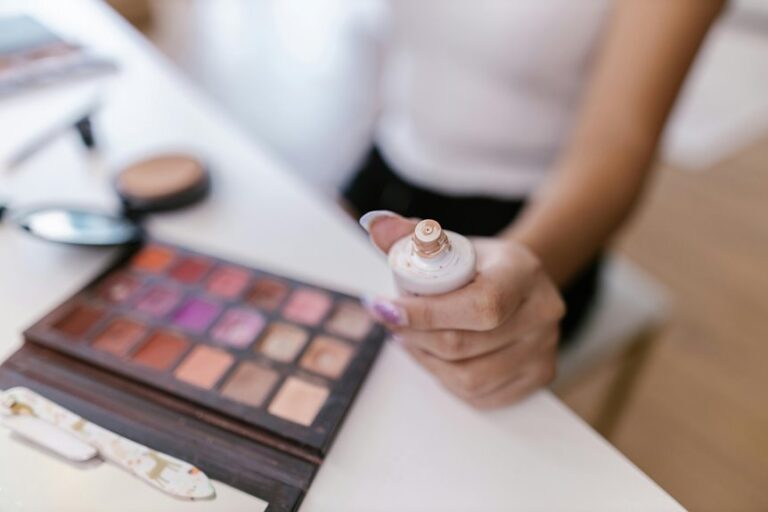
Choosing the right makeup for your skin tone and undertone can make a world of difference. When you choose makeup that matches your unique shades, it not only enhances your natural beauty but also boosts your confidence. Imagine walking into a room and feeling your best because your makeup complements your skin perfectly. Recent studies show that makeup can significantly influence how others perceive attractiveness. In fact, faces with well-applied makeup often receive higher ratings than those with little or no makeup. So, take the time to choose makeup that suits your unique complexion. You’ll be glad you did!
Key Takeaways
Identify your undertone using simple tests like the vein test to choose the right makeup shades.
Understand your skin tone type—light, medium, or deep—to select the best foundation and colors.
Test foundation shades on your jawline in natural light for a perfect match and seamless blending.
Choose makeup colors that complement your undertone for a radiant and confident look.
Avoid common mistakes like using the wrong shade or skipping skin prep to achieve a polished appearance.
How to Find Your Undertone
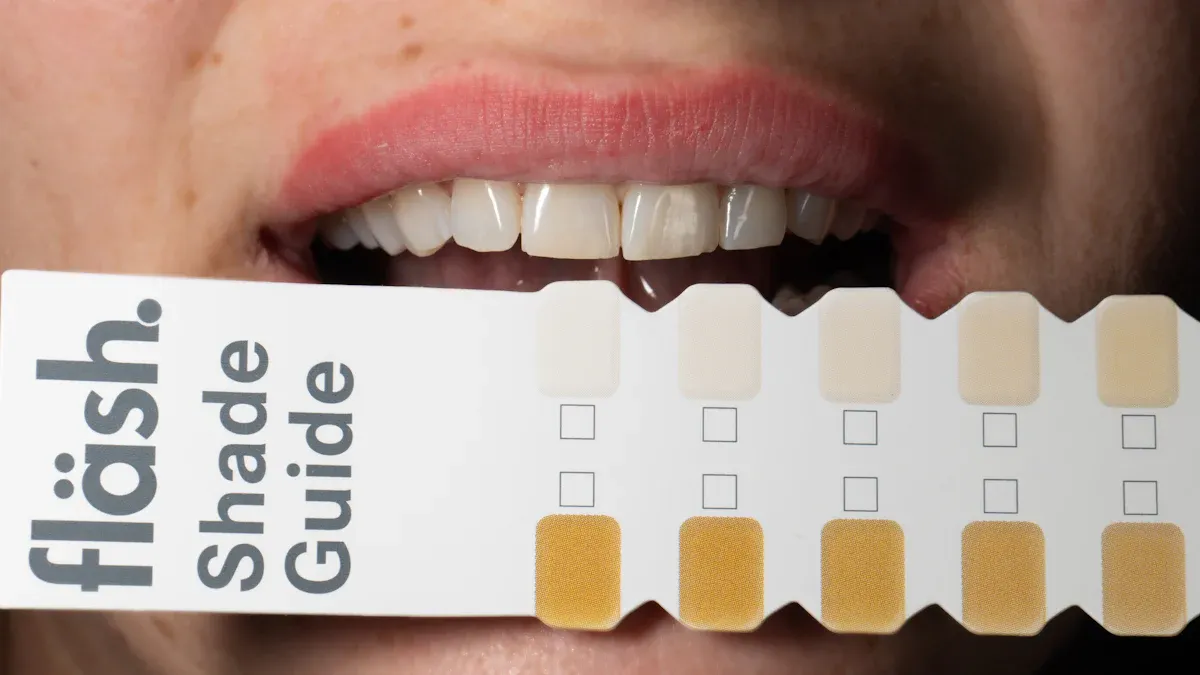
Finding your undertone is essential for choosing makeup that truly complements your skin. It helps you select shades that enhance your natural beauty. Here are some effective methods to determine your undertone:
The Vein Test
One of the simplest ways to identify your undertone is the vein test. Here’s how to do it:
Look at the veins on the inside of your wrist: If your veins appear blue or purple, you likely have a cool undertone. If they look greenish, you probably have a warm undertone.
Put white paper next to your face: If your skin looks pinkish against the white paper, you have cool undertones. A yellowish cast suggests warm undertones.
Look behind your ear: A yellowish tint indicates warm undertones, while a pinkish hue suggests cool undertones.
Other Methods to Determine Undertone
If the vein test doesn’t give you a clear answer, try these additional methods:
Consider your jewelry preferences: Do you prefer gold or silver? Gold jewelry tends to flatter warm undertones, while silver suits cool undertones.
Keep your hair and eye color in mind: People with cool undertones often have gray, blue, or green eyes. Warm undertones usually have hazel or amber eyes.
Think about how the sun affects you: If you tan easily, you likely have warm undertones. If you burn quickly, you might have cool undertones.
Take stock of your closet: A wardrobe filled with stark blacks and whites may indicate cool undertones. If you lean towards browns and off-whites, warm undertones are likely.
Assess which colors complement your complexion: If you feel great in cooler hues, you probably have cool undertones. If warmer shades look better on you, you likely have warm undertones.
Understanding your undertone can significantly improve your makeup shopping experience. When you choose products that match your undertone, you’ll feel more satisfied with your purchases. This leads to better customer relationships and enhances brand reputation. Plus, wearing the right shades boosts your confidence and creates a fulfilling makeup experience.
Skin Tone Types
Understanding your skin tone is crucial for selecting the right foundation shade. It helps you avoid mismatches and enhances your natural beauty. Here’s a breakdown of the three main skin tone types: light, medium, and deep.
Light Skin Tone
If you have a light skin tone, you might find that your complexion ranges from very fair to pale white. People with light skin often experience sunburn easily and may struggle to find the right makeup shades. Here are some tips for choosing makeup:
Best Colors: Soft pinks, tawny, and beige work well for you. These shades can brighten your complexion without overwhelming it.
Common Issues: You might look washed out with frosty finishes or overly bright colors.
Recommendations: Avoid reddish-orange shades, as they can clash with your natural tone.
Skin Tone | Best Colors | Common Issues | Recommendations |
|---|---|---|---|
Light | Soft pink, tawny, beige | Can look washed out with frosty finishes | Avoid reddish-orange colors |
Medium Skin Tone
Medium skin tones can vary widely, often falling between light brown and olive shades. This skin tone can tan easily and may have both warm and cool undertones. Here’s how to navigate makeup choices:
Best Colors: Depending on your undertones, you can choose rosy colors for cool undertones or apricot and peach for warm undertones.
Common Issues: You might find that some foundations turn orange or ashy on your skin.
Recommendations: Always test your foundation in natural light to ensure it complements your undertones.
Skin Tone | Common Problem | Better Approach |
|---|---|---|
Medium | Turning orange or ashy | Focus on getting undertones right; test in natural light |
Deep Skin Tone
Deep skin tones range from rich brown to very dark brown and black. This skin tone often has a beautiful richness that can be highlighted with the right makeup. Here’s what to consider:
Best Colors: Look for rich, pigmented colors that enhance your natural glow. Shades with red or golden undertones work best.
Common Issues: You may find that some foundations appear gray or unnatural against your skin.
Recommendations: Opt for formulas that are highly pigmented to avoid dullness.
Skin Tone | Best Colors | Common Issues | Recommendations |
|---|---|---|---|
Deep | Rich, pigmented colors | May appear gray or unnatural | Look for red or golden undertones |
Identifying your skin tone not only helps you select the right foundation but also enhances your overall makeup experience. By understanding your unique characteristics, you can refine your choices and steer clear of colors that clash with your natural complexion. This leads to a more harmonious and natural appearance.
Global Distribution of Skin Tones
It’s interesting to note how skin tones vary globally. Populations near the equator tend to have darker skin due to higher UV radiation exposure, while those near the poles generally have lighter skin. Here’s a quick overview:
Type | Also called | Sunburning | Tanning behavior |
|---|---|---|---|
I | Light, pale white | Always | Never |
II | White, fair | Usually | Minimally |
III | Medium white to light brown | Sometimes | Uniformly |
IV | Olive, moderate brown | Rarely | Easily |
V | Brown, dark brown | Very rarely | Very easily |
VI | Very dark brown to black | Never | Rarely |
Understanding your skin tone and undertone is essential for selecting the right foundation shade. It allows you to refine your choices and avoid colors that clash with your natural complexion, resulting in a more harmonious and natural appearance.
Choosing the Right Foundation
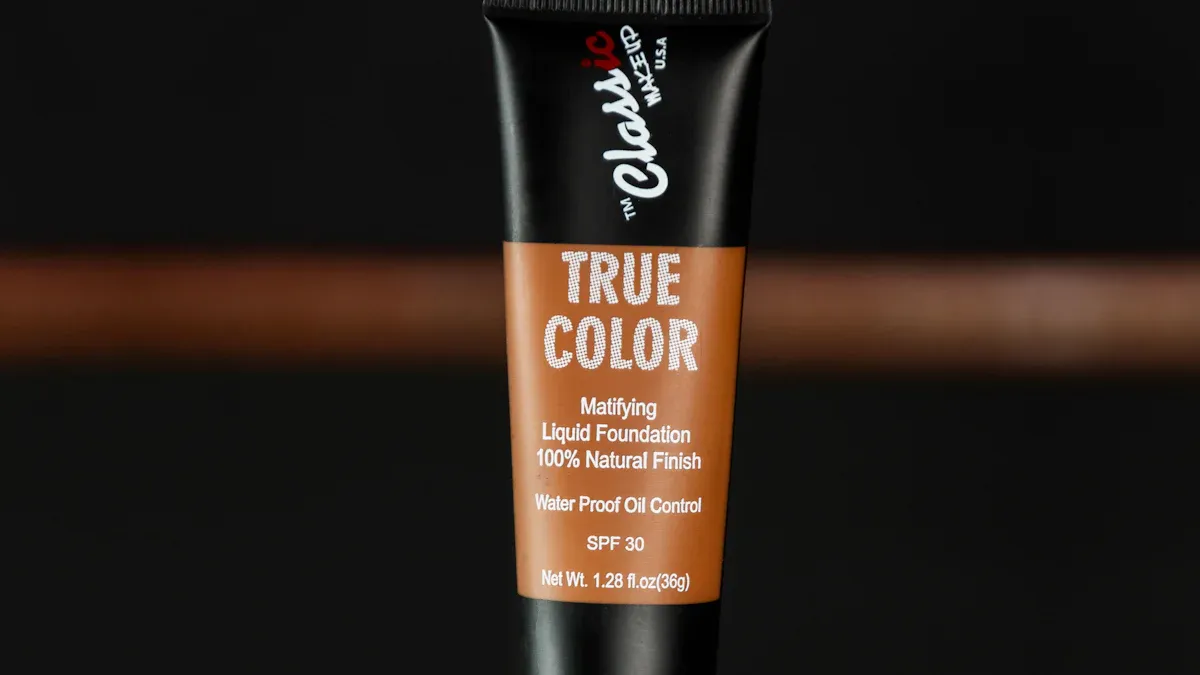
Finding the right foundation is key to achieving a flawless look. You want a foundation that matches your skin tone and undertone perfectly. Here’s how to find your foundation shade and understand coverage levels.
How to Find Your Foundation Shade
To find your perfect foundation shade, follow these steps:
Test on Your Jawline: Apply a small amount of foundation on your jawline. This area helps you see how the shade blends with both your face and neck.
Check in Natural Light: Always check your foundation in natural daylight. Artificial lighting can distort how the shade looks on your skin.
Look for Seamless Blending: The right shade should disappear into your skin without leaving visible lines. If it looks too yellow, pink, or gray, keep searching!
Tip: If you struggle to find the right foundation, consider lighter-coverage products like tinted moisturizers or BB creams. These options are easier to blend and apply.
Coverage Levels and Oxidation
Understanding coverage levels is essential. Different coverage levels can affect how your skin looks:
Coverage Level | Effect on Skin Tone |
|---|---|
Sheer Coverage | Enhances natural skin while minimizing minor imperfections. |
Medium Coverage | Covers uneven skin tone and light blemishes. |
Full Coverage | Masks discoloration, scars, or severe blemishes. |
When testing foundation, remember that oxidation can change the shade after application. Some foundations may darken or change color due to ingredients like titanium dioxide and iron oxides.
Common mistakes people make when choosing foundation include:
Using the wrong shade that doesn’t match your undertone.
Skipping skin prep, leading to patchiness.
Applying too much product, which can create a heavy look.
Forgetting to set with powder, causing smudging.
By avoiding these pitfalls, you can achieve a more natural and polished appearance.
Finding your foundation shade doesn’t have to be overwhelming. With these tips, you’ll be well on your way to selecting the perfect foundation that enhances your natural beauty!
Makeup Tips for Your Skin Tone
Choosing the right makeup shades can elevate your look and enhance your natural beauty. Here are some tips based on your undertone:
Best Colors for Warm Undertones
If you have warm undertones, you’ll want to embrace colors that complement your skin’s natural warmth. Here are some recommended shades:
Foundation: Look for shades like golden beige, honey, or caramel.
Blush: Choose peach, coral, or terracotta for a fresh pop of color.
Eyeshadow: Gold, bronze, copper, and olive green will make your eyes shine.
Lipstick: Opt for warm nude, peachy pink, terracotta, or copper brown to complete your look.
These colors will harmonize beautifully with your complexion, making you look radiant.
Best Colors for Cool Undertones
For those with cool undertones, selecting the right shades can create a stunning contrast. Here’s what to consider:
Foundation: Choose foundations labeled as ‘cool,’ ‘rosy,’ or ‘pink’ to match your skin.
Concealer: Look for pink or peach undertones to brighten your complexion.
Blush: Soft pinks and berry shades work wonders.
Eyeshadow: Try cool-toned shades like silver, lavender, or deep blues.
These colors will enhance your natural glow and keep your makeup looking fresh.
Universal Shades for Neutral Undertones
If you have neutral undertones, you’re in luck! You can wear a variety of shades. However, keep these tips in mind:
Foundation: Look for shades that balance both warm and cool tones.
Blush: Soft mauves and rosy shades will flatter your cheeks.
Eyeshadow: Earthy neutrals like taupe and soft browns are versatile.
Lipstick: You can play with both warm and cool shades, but try to avoid extremes.
Remember, the key is to avoid chasing trendy colors that don’t suit your undertone. Stick to what feels right for you!
By understanding your undertone, you can choose makeup that enhances your natural beauty and boosts your confidence.
Choosing the right makeup starts with understanding your skin tone and undertone. This knowledge helps you select shades that harmonize with your natural beauty. Here are some key takeaways:
Knowing your undertone helps you choose makeup that fits your color palette.
Understanding your skin tone is useful for everyday choices, from makeup to outfits.
Identifying your specific skin tone allows you to find the right foundation and concealer for a seamless look.
So, don’t hesitate to experiment with different shades and products. You’ll discover what works best for you and enhances your confidence! 🌟
FAQ
What is the best way to match makeup to your skin tone?
To match makeup to your skin tone, identify your undertone first. Then, choose shades that complement it. Testing products on your jawline in natural light helps ensure a good color match.
How can I tell if I have the wrong foundation shade?
If your foundation looks too dark, light, or leaves a noticeable line on your jaw, you likely have the wrong foundation shade. Always test shades before purchasing to avoid mismatches.
What should I consider when choosing the right foundation formula?
When choosing the right foundation formula, consider your skin type. For oily skin, opt for matte formulas. For dry skin, hydrating foundations work best. Always test for color match and coverage.
Can I use the same foundation for different seasons?
Yes, you can use the same foundation for different seasons, but you may need to adjust the shade. Your skin tone can change with sun exposure, so check your color match regularly.
How do I avoid a cakey makeup look?
To avoid a cakey makeup look, start with a good moisturizer and primer. Use a lightweight foundation and blend well. Setting with a light powder can help without adding heaviness.