

Cracked fingertips show up at the worst moments: after a long shift with gloves, mid-typing on a cold morning, or right when you reach for a recipe card. The right cream matters because knuckles, cuticles, and finger pads crack differently than palms. This roundup rounds up ten targeted formulas, from thick overnight ointments to fast-absorbing urea sticks, so you can match your routine to how your hands actually behave.
The Essentials At A Glance

Glysomed Hand Cream Mix Pack (250mL Tube + 50mL Mini)

O’Keeffe’s Working Hands Hand Cream (3 oz Tube, 2 Pack)

O’Keeffe’s Working Hands Hand Cream, 3.4 oz Jar
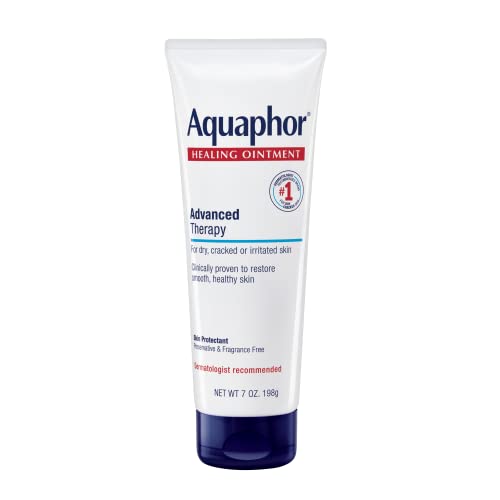
Aquaphor Advanced Therapy Healing Ointment (7 oz)

Gold Bond Healing Hydrating Lotion with Aloe (5.5 oz)

O’Keeffe’s Working Hands Cream (6.8 oz Value Size)

O’Keeffe’s Working Hands Cream, Pumpable Jar (10 oz)

OUKEYA Urea Cream 42% (Cracked, Rough Skin)

OUKEYA 42% Urea Cream, 3 oz Tube

OUKEYA Urea Cream Stick 40% (Foot & Hand Balm)
A Closer Look At Each Pick
Most hand creams assume you have one place to live. The Glysomed Mix Pack flips that script by pairing a generous 250mL tube with a 50mL mini that lives in a gym bag or laptop sleeve. You keep the larger size at the kitchen sink, where you rinse and reapply after dish duty, and toss the travel size into a jacket pocket for cold commutes.
The formula leans on glycerin (a humectant that pulls water into the skin), chamomile, and silicone, which together create a protective but breathable layer over the knuckles and finger pads. It’s a sensible pick for people who wash their hands often and want a single product that covers the car, the desk, and the bedside table.
A Favorable Mix
- Two sizes in one order keeps your home and bag stocked at the same time
- Glycerin and chamomile combo suits sensitive, eczema-prone skin
- Non-greasy enough that you can use a phone or turn a page minutes after applying
- Silicone layer helps seal in moisture against repeated hand washing
Things To Consider
- Not thick enough for deep fissures that need a heavy overnight occlusive
- Mini tube caps can loosen in a backpack pocket over time
- Larger 250mL size takes a while to use up before it ages out
Who It Suits Best
Office workers and frequent travelers who want a gentle cream at home and a reliable backup tube on the road.
Consider Something Else When
For deeper cracks that need an overnight barrier, Aquaphor Advanced Therapy Healing Ointment is a stronger fit.
The first thing you notice about O’Keeffe’s Working Hands is the texture: dense, almost waxy, with no fragrance to compete with workshop smells. It belongs in the category of concentrated moisturizers that aim to repair, not just coat, the surface of the skin.
The cream forms a thin, occlusive (air- and water-blocking) layer over cracked fingertips and cuticles. That barrier helps lock in the skin’s natural moisture between washes, which matters if your day involves solvents, gardening gloves, or constant sanitizer use. Two tubes mean you can keep one at the workstation and one by the front door.
Points In Its Favor
- Concentrated formula spreads far, so a pea-sized drop covers both hands
- Two-pack format suits households with more than one rough-handed adult
- Fragrance-free, a plus for people sensitive to scented lotions
- Forms a lasting protective layer that survives several hand washes
- Tube packaging keeps the cream sanitary in shared workshops
Trade Offs
- Texture can feel tacky for a few minutes after applying
- Less suited as a daytime lotion if you handle paper or fabric
- Squeeze tubes sometimes split near the crimp once nearly empty
Made For
Tradespeople, gardeners, and anyone whose hands see water, dirt, or detergent daily and need a no-nonsense repair cream.
Where Another Pick Suits Better
For someone who needs a lighter, faster-absorbing daytime lotion, the Gold Bond Healing Hydrating Lotion with Aloe is a more comfortable fit.
Same trusted formula as the tube version, but in a wide-mouth jar that sits on a bathroom counter like a small tub of butter. The 3.4 oz size feels generous without becoming a countertop hog, and you scoop what you need with dry fingers rather than squeezing.
The jar format makes sense when you apply right after a shower, while skin is still slightly damp. The cream spreads easily over knuckles and the sides of fingers where cracks tend to settle in. Compared with the 2-pack tubes, this option suits a single user who keeps a stable, dependable location for the product.
The Helpful Details
- Jar opening lets you scoop exactly the amount you need, no waste
- Wide base keeps the jar stable on a wet sink edge
- Same concentrated base as the tube for consistent results
- Good fit for nightstand use where you apply before sleep
Points To Note
- Dipping fingers introduces moisture and contaminants over time
- Not as portable as the tube version for a purse or backpack
- Lid seal can loosen in humid bathrooms
Right Fit For
Singletons who want a single, generously sized jar parked next to the soap at home.
Skip It When
For anyone who wants a tube they can toss in a work truck, the O’Keeffe’s Working Hands 3 oz Tube (2 Pack) is a cleaner fit.
Aquaphor sits in a different category than most picks on this list. It’s not a cream so much as a semi-permeable shield: a thick petrolatum-based ointment (41% petrolatum, the brand’s named hero ingredient) that sits on top of the skin and stops moisture from evaporating while the air around it still circulates.
That makes it ideal for the deepest cracks, the ones that sting when you bend a knuckle or grip a steering wheel. Apply a thin layer before bed, slip on cotton gloves if you have them, and the ointment does its quiet work overnight. The 7 oz tube is large enough to double as a multi-purpose household jar for lips, heels, and elbows too.
Positive Points
- Occlusive barrier holds moisture in for hours, ideal under cotton gloves
- Fragrance- and preservative-free formula is gentle on reactive skin
- 7 oz size covers hand, foot, and lip use without running out quickly
- Squeeze tube keeps the ointment clean for the life of the product
- Trusted by dermatologists for post-procedure and cracked-skin care
A Few Limitations
- Greasy texture rules it out for daytime typing or driving
- Takes a few minutes to warm up and spread on cold fingers
- Not a quick fix; you need consistent nightly use for results
Who Should Grab It
Anyone dealing with painful fissures that need a heavy overnight barrier rather than a daytime lotion.
Reach For A Different Pick When
For daytime wear under a keyboard, OUKEYA 42% Urea Cream, 3 oz Tube absorbs faster and stays workable.
Where O’Keeffe’s works on problem areas at night, Gold Bond Healing Hydrating Lotion fits into the daytime slot. The texture is a thin body lotion, not a balm, with aloe on the label and a blend of seven moisturizers plus three nourishing vitamins listed in the formula.
It absorbs in well under a minute, which matters if you answer emails or handle paperwork right after applying. The 5.5 oz bottle is small enough for a gym locker or a kitchen shelf, and the pump-style cap keeps one hand free for use. It’s the kind of cream you can reapply at lunch without anyone noticing.
Noteworthy Benefits
- Light, fast-absorbing texture suits daytime wear under keyboards
- Dermatologist-tested and hypoallergenic formulation
- Pump bottle helps with quick, one-handed use
- Versatile enough for hands, arms, and legs in one bottle
Minor Gripes
- Lighter hydration means you may need more frequent reapplication
- Not designed to address deep fissures or calluses
- Pump can clog if the bottle sits unused for weeks
The Right Fit
Office workers and home cooks who want a light, pleasant-smelling hand lotion to use between tasks.
A Better Fit Elsewhere
For people with rough, callused fingertips, the OUKEYA Urea Cream 42% offers more targeted exfoliation.
The 6.8 oz value tube is the same trusted O’Keeffe’s Working Hands cream in a larger squeeze. It appeals to anyone who treats hand cream like a workshop consumable: reapply after every wash, share with a partner, top up the kitchen and garage without rationing.
The trade-off is portability: this tube is too bulky for a laptop bag, so it lives in one place. For a family, a shared studio, or a small-business counter where multiple hands reach for the same cream, the bigger size keeps restocking intervals spaced further apart.
Notable Gains
- Larger size lowers cost per ounce for heavy daily users
- Stands upright on a counter without a separate holder
- Same concentrated formula as the smaller tube options
- Suitable for sharing in a multi-person household
Possible Compromises
- Bulky tube is awkward in a purse or daily commuter bag
- Heavy use can empty it faster than you might expect
- Cap area can collect residue if not wiped occasionally
Whose Shelf It Belongs On
Families or shared workspaces where one large tube replaces several smaller ones at the sink.
Look Elsewhere When
For single-user portability, the O’Keeffe’s 3 oz Tube (2 Pack) keeps a backup ready in the truck or bag.
The pumpable jar is a 10 oz format that solves the dipping problem of a regular jar. A pump on top delivers a measured dose without fingers ever touching the contents, so the cream stays cleaner over weeks of daily use.
It’s a smart fit for a busy kitchen or a workshop counter where several people grab cream throughout the day. You get the same concentrated Working Hands base, just in a hygienic dispenser that doesn’t slow anyone down.
Real Benefits
- Pump mechanism keeps contents sanitary in shared spaces
- 10 oz capacity outlasts most other formats between refills
- One-handed dispensing works even with greasy or wet fingers
- Wide jar base resists tipping in a busy work area
Details To Watch
- Pump can stiffen if the jar sits in a cold garage overnight
- Too bulky for a bathroom shelf without dedicated counter space
- Refilling the jar takes more planning than a tube
Built With In Mind
Workshops, commercial kitchens, and busy households where one central dispenser serves multiple hands.
Swap It Out When
For a single user who wants bedside convenience, the O’Keeffe’s 3.4 oz Jar is a more compact fit.
OUKEYA’s 42% urea formula belongs to a different category than the creams above. Urea at this concentration is a keratolytic agent, meaning it softens and loosens hardened, thickened skin rather than just coating it. Paired with 2% salicylic acid, this cream both moisturizes and gently exfoliates the rough patches that build up on fingertips, knuckles, and heels.
The added glycerin, camellia extract, peppermint extract, and aloe vera round out the formula so the surface stays hydrated while the active ingredients do the heavy lifting. It’s designed for feet, hands, elbows, and knees, which means one jar can replace several single-purpose products.
Everyday Perks
- 42% urea concentration softens thick, callused skin over time
- Salicylic acid supports gentle exfoliation of flaking patches
- Multi-area formula covers hands, feet, elbows, and knees
- Plant extracts like aloe and camellia add soothing hydration
Worth Bearing In Mind
- Higher urea strength can tingle on freshly broken or inflamed skin
- Not the right choice for very young children without guidance
- Stronger formula requires more consistent use for visible results
Best Suited To
Adults with callused fingertips, cracked heels, or thickened knuckles who want a single cream that softens and repairs.
Another Choice May Suit
For gentler everyday hydration without exfoliation, the Glysomed Hand Cream Mix Pack offers a milder approach.
Same active formula as the larger OUKEYA jar, repackaged into a 3 oz squeeze tube that fits inside a work-glove drawer or a commuter backpack. The tube format keeps the cream sanitary for daily use and lets you dose exactly what you need without contaminating the rest.
The 42% urea concentration still softens rough skin, and the 2% salicylic acid still supports gentle exfoliation, but the lightweight texture absorbs quickly. You can apply it before slipping into gloves for a long drive or a hike, and the cream absorbs without leaving a film behind.
Reasons It Performs
- Squeeze tube keeps the formula clean for the life of the product
- Same 42% urea plus 2% salicylic acid blend as the jar version
- Fast-absorbing, non-greasy texture for daytime wear
- Pocket-friendly size fits a purse, glove box, or tool drawer
Trade-Offs To Consider
- Smaller tube needs replacing sooner for high-use scenarios
- Active ingredients can sting on freshly cracked or bleeding skin
- Scent profile may not appeal to those used to fragrance-free creams
Who Will Love This
Active adults who want a urea-based treatment they can carry to the gym, the trail, or the office without bulk.
Where A Sibling Pick Shines
For a tube you can apply without any tingling on sensitive skin, O’Keeffe’s Working Hands is the safer everyday choice.
The cream stick format is the most portable option in this roundup. Twist-up balms feel familiar to anyone who has used a deodorant stick, and they apply in seconds without rubbing cream between your palms first. The 40% urea concentration softens hardened skin while the stick design keeps the formula off your fingers.
It works well for dry heels, rough fingertips, and stubborn patches on the sides of fingers where cracks tend to settle. For most desks and commutes, the slim profile slips into a jacket pocket or a center console without taking up space.
Practical Pluses
- No-mess application ideal for commutes, flights, and shared desks
- 40% urea softens rough patches over consistent use
- Stick format keeps the formula sanitary through repeated use
- Compact size fits inside a jacket pocket or small bag
- Targets heels, knuckles, and fingertips with precision
Potential Sticking Points
- Stick surface can collect lint or debris in a pocket
- Less effective for full-hand coverage than a cream or jar
- Lower urea percentage than the jar version, so results build slowly
Perfect Match For
Frequent flyers, commuters, and travelers who want targeted relief without carrying a tube of cream.
Not Your Match When
For full-hand overnight treatment, Aquaphor Advanced Therapy Healing Ointment covers more surface area in one pass.
What To Weigh Before Picking A Hand Cream For Cracked Fingers
Match The Formula To The Crack
The first decision is whether your fingers are simply dry or actually cracked. Dry, tight skin responds to humectant-rich creams (those that pull water into the skin, like glycerin or hyaluronic acid) and emollients (softer-feeling moisturizers like shea butter) like Glysomed or Gold Bond. Deep fissures, bleeding splits, and callused patches need something more: an occlusive barrier like Aquaphor or a keratolytic agent like urea.
Consider The Lifestyle Context
Where and when you apply matters as much as the formula. A cream that takes ten minutes to absorb fails in a typing-heavy job. A tiny purse tube fails in a workshop that goes through cream weekly. Match the format (jar, tube, stick, pump) to your daily touchpoints: desk, sink, glove box, gym bag.
Account For Skin Sensitivity
Fragrance, dyes, and certain preservatives can sting on broken skin. For cracked, sensitive hands, fragrance-free creams and ointments like Aquaphor or O’Keeffe’s Working Hands tend to be gentler. Urea and salicylic acid add exfoliation, which helps rough skin but can sting fresh cracks. In most cases, you’ll want to apply urea-based creams only after the skin has begun to close up.
Things To Keep In Mind Across These Picks
Common Shopping Slip Ups
The biggest mistake is reaching for a heavy ointment when you actually need a daytime cream, or vice versa. A jar of Aquaphor at your desk feels greasy and slows you down, while a light Gold Bond lotion does little for a deep fissure at night. Most cracked-finger routines call for two products: a daytime hydrator and an overnight occlusive. Another pitfall is ignoring format: a jar is great at home, frustrating on the road, so plan where the cream will live before choosing size and packaging.
Where The Extra Money Goes
Higher-priced options in this category tend to invest in active ingredients like urea at clinically relevant percentages, or in occlusive technology like petrolatum-rich formulas. The value-sized O’Keeffe’s tubes and the OUKEYA urea creams sit at different points on that spectrum. When paying more makes sense: when previous mild creams haven’t softened calluses, or when overnight repair has stalled. When paying more is less important: when your hands are dry but not damaged, and a basic glycerin-rich cream already does the job.
Frequently Asked Questions
How often should creams for cracked fingers be applied?
Most creams for cracked fingers work best with at least twice-daily application, once after washing in the morning and once before bed. Thicker ointments like Aquaphor are typically reserved for nighttime under cotton gloves, while lighter lotions can be reapplied after every hand wash during the day.
Can urea cream make cracked fingers worse at first?
Urea at concentrations above 20% acts as a keratolytic, so a brief tingling on freshly broken skin is normal. Most users find the sensation fades once the surface begins to close up. Anyone with deep, bleeding cracks may want to start with a gentler cream and add urea after the skin has begun to heal.
Are creams for cracked fingers safe during pregnancy?
Most hand creams and ointments on this list use ingredients commonly considered safe for routine external use, though anyone pregnant should review the specific label and check with their own clinician if uncertain. Petrolatum, glycerin, urea, and aloe are all widely used in pregnancy-safe skincare, but individual guidance always wins.
How long before a hand cream repairs cracked fingers?
Most creams for cracked fingers show visible improvement within one to two weeks of consistent use, with full repair of deeper fissures often taking three to four weeks. Heavy overnight occlusives and urea-based exfoliants may show faster softening of callused areas, while mild creams work gradually on everyday dryness.
Do creams for cracked fingers expire?
Yes, most hand creams and ointments carry a printed expiration or period-after-opening symbol. A 7 oz Aquaphor tube in daily use typically lasts several months, while a small 50 mL travel tube may age out before you finish it. Store tubes away from direct sunlight and heat to keep the formula stable.
Closing Remarks
Cracked fingers come back to the same three questions: how deep is the crack, when do you apply, and where does the cream live. Start with a gentle hydrator for daily use, layer an overnight occlusive when fissures appear, and add a urea-based exfoliant once the skin has closed. The right combo usually beats any single product, no matter how concentrated.
