

Breakouts shouldn’t dictate what goes on your face in the morning. The right concealer evens out a red patch or an active blemish without sinking into the pore, sliding off by lunch, or quietly feeding new spots. For acne-prone complexions, that means balancing pigment load, breathability, and skin-friendly ingredients in a single tube.
This roundup walks through nine formulas worth a real look, from a salicylic-acid-tinted treatment stick to a Korean triple-pot color-corrector. Each entry covers what the formula does well, where it makes trade-offs, and who it’s genuinely built for.
An Overview Of The Picks

Neutrogena SkinClearing Blemish Concealer Buff 09

Anastasia Beverly Hills Magic Touch Liquid Concealer

Covergirl Smoothers Moisturizing Concealer Stick Light

Clinique Even Better All-Over Full Coverage Concealer
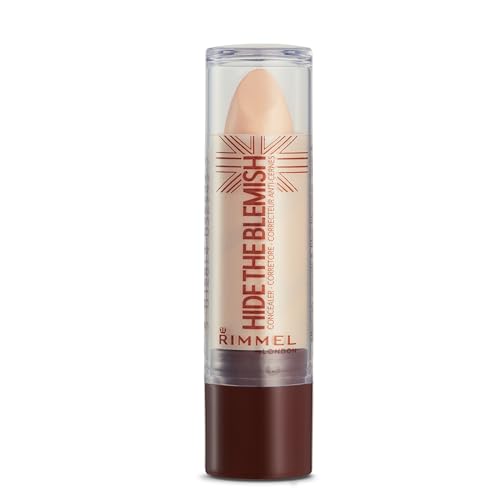
Rimmel London Hide the Blemish Concealer Stick Soft Honey
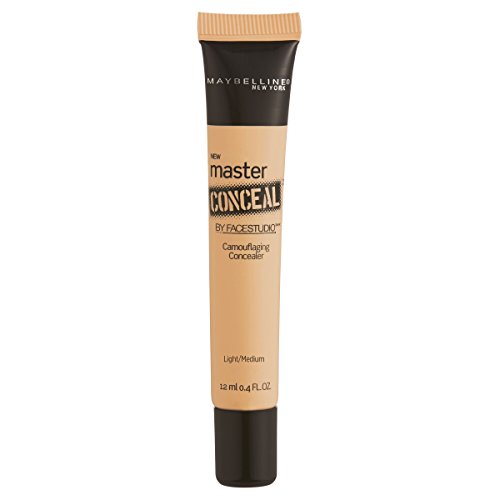
Maybelline Facestudio Master Conceal Light/Medium

THESAEM Cover Perfection Triple Pot Concealer Palette

THESAEM Cover Perfection Pot Concealer Green Beige
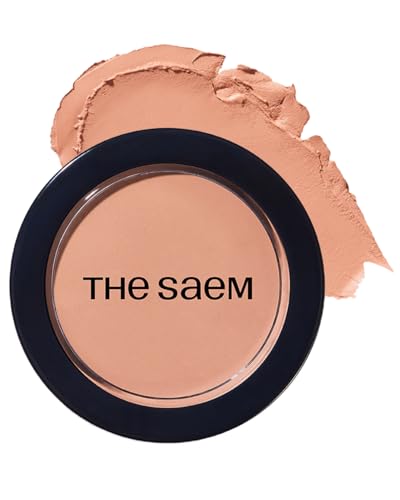
THESAEM Cover Perfection Pot Concealer Peach Beige
The Picks, Examined More Closely
This is a treatment-leaning concealer in disguise. Neutrogena builds salicylic acid into the formula, so every dab over a blemish doubles as a small dose of acne care. The Buff 09 shade sits in the light-medium range, which works for plenty of fair-to-tan complexions.
The finish is light, almost lotion-like, and the 0.05 oz tube disappears fast under a real skin-flush routine. Compared to the heavier pigment of the Anastasia formula a few entries down, this is the choice for someone who wants coverage without the feel of makeup.
Good Reasons To Consider
- Built-in salicylic acid treats the spot while covering it, cutting a step from your morning
- Sheer, breathable texture won’t smother a freshly-cleaned breakout
- Tiny tube travels easily in a gym bag or work pouch
- Doubling as spot treatment means fewer products competing for shelf space
Things To Consider
- Coverage is light, so deep red marks may still peek through without a layered approach
- The tube runs out faster than a standard concealer stick because the formula is thinner
- Only one shade in the Buff range, so deeper skin tones may find the match limited
Best Suited To
Teen and adult users who want a low-fuss, two-in-one spot solution and don’t need dramatic coverage on heavy breakouts.
Consider Something Else When
The Rimmel London Hide the Blemish stick is a better match if you want creamier pigment in a fuss-free crayon format.
Where the Neutrogena leans light, the Magic Touch leans into pigment. The formula aims for medium-to-full coverage with a soft-focus matte finish that resists the cakey look some full-coverage concealers fall into. Botanical glycerin and licorice root hydrate and visually calm redness.
The trade-off is texture. A few swipes cover a large blemish or a full undereye, so you can thin your routine and skip extra layers. For acne-prone skin, that means less product piled onto the area, which some dermatologists prefer.
The Case For It
- High pigment means fewer layers to get an even finish on raised or pigmented spots
- Soft-matte finish stays put through a humid commute or gym session
- Built-in botanical hydration supports skin that flakes after strong acne treatment
Worth Noting
- Higher pigment can highlight dry patches, so exfoliation matters before application
- The shade range skews lighter and may run cool on deeper neutral skin tones
- Priced above the drugstore picks in this list, so a single tube lasts longer but costs more upfront
Feature Snapshot
Who Should Grab It
Anyone who needs true coverage for cystic breakouts, post-acne marks, or redness, and prefers to do it in one pass.
Reach For A Different Pick When
The Covergirl Smoothers stick makes more sense if your skin flares at fragrance or heavy pigment and you want a gentler option.
This stick is built around comfort. Ginseng, vitamin E, and chamomile condition the skin while the concealer itself fades dark circles and small imperfections. The Light shade suits fair complexions, and the fragrance-free, hypoallergenic formula is formulated for skin that reacts easily.
Compared to the Magic Touch a slot up, this gives up some pigment density for a kinder ingredient list. Many owners pair it with a separate acne treatment rather than expecting the stick to do double duty.
Real-World Strengths
- Botanical blend keeps dry, post-treatment skin from flaking under pigment
- Twist-up stick format means no sharpening and no messy pot to clean
- Lightweight feel disappears into the skin, ideal under a tinted moisturizer
- Fragrance-free design helps avoid the stinging some users feel from perfumed concealers
Room For Improvement
- The Light shade leans very fair, so medium and tan skin may need to blend carefully
- Coverage is on the lighter side, so deep post-acne marks may show through
Made For
Anyone managing sensitive, reactive, or recently-treated skin who wants a comforting stick that won’t sting on contact.
Look Elsewhere When
The THESAEM Triple Pot palette is the better call if you want three tones to mix your own custom shade.
Clinique’s full-coverage formula leans into the skincare side of concealer. Hyaluronic acid holds moisture, and caffeine helps wake up tired undereyes. The result is a creamy stick that handles dark circles, blemishes, and dullness in one sweep.
It lands between the Covergirl stick and the Anastasia liquid on the coverage scale. The added hydration means it tends to behave well under powder for those with oilier T-zones.
What Helps Most
- Hyaluronic acid pulls moisture into the area, easing the dry, tight feeling common after benzoyl peroxide
- Caffeine adds a subtle brightening boost that undereye concealers often promise but rarely deliver
- Long-wear claim holds up through long workdays for most owners
A Few Limitations
- Twist-up format can waste product at the very end of the stick
- Coverage is full, so blending quickly matters before it sets
Perfect Match For
Office workers and students with full days ahead who want a single concealer to carry from morning meetings to evening plans.
Swap It Out When
The Maybelline Master Conceal is worth a look if you want a thinner liquid format with a doe-foot applicator instead of a stick.
This is a no-nonsense spot-cover stick. Soft Honey is a warm, light-medium shade, and the ultra-creamy formula blends out without tugging. Rimmel targets five-hour wear, which lines up with a standard workday.
It’s the kind of stick that disappears into a backpack or a gym bag and gets pulled out without ceremony. The 0.16 oz size is generous compared to the smaller tubes higher on the list.
Practical Pluses
- Creamy glide means less pulling on tender, freshly-popped blemishes
- Warm Soft Honey shade fits a wide range of medium skin tones
- Generous 0.16 oz size lasts longer than most drugstore sticks
- Twist-up format is straightforward, no sharpener required
Minor Gripes
- No active acne treatment built in, so pair with your own salicylic or benzoyl routine
- Five-hour wear is realistic for normal days but may fade faster in heavy sweating
Right Fit For
Students, gym-goers, and anyone who wants a dependable, easy-to-find stick without paying for premium branding.
A Better Fit Elsewhere
The Neutrogena SkinClearing pick makes more sense if you want the concealer to help treat the breakout, not just hide it.
Master Conceal is the most liquid option on this list. The 0.4 fl oz bottle gives you real volume to work with, and the formula is built around concentrated pigment. The Light/Medium shade suits a broad slice of the population.
Unlike the balm pots from THESAEM later in the roundup, this is a true fluid. That changes the application: a thin line, a quick blend, and the formula sets without the thick feeling some cream sticks leave behind.
Everyday Perks
- Liquid format allows precise placement along the undereye curve and around the nostril
- Highly pigmented, so a small drop covers a sizable mark
- Bottle is refillable in feel, since a little goes a long way
- Buildable texture lets you start light and layer for tough spots
Honest Caveats
- Liquid formulas can settle into fine lines around the eyes without a setting step
- Applicator requires a steady hand for the cleanest results, so it isn’t as quick as a twist-up stick
Whose Shelf It Belongs On
Anyone with a steady hand who prefers a liquid finish and wants a bottle that lasts through months of daily use.
Where A Sibling Pick Shines
The Clinique Even Better stick is the upgrade path if you want hyaluronic acid and caffeine built into your concealer.
This palette is a different category of product. Three shades in one compact let you color-correct, cover, and contour from a single pot. Sweet almond oil in the balm keeps the texture creamy rather than chalky, and the 0.48 oz size gives serious value.
The trade-off is learning curve. Unlike the single-shade sticks above, this one expects you to pick which color does what. Owners tend to settle into a personal mixing pattern within a week or two.
A Strong Showing
- Three shades let you handle blemishes, undereye circles, and contouring in one compact
- Sweet almond oil gives the balm a smooth, non-drying feel
- Large 0.48 oz size outlasts every other product on this list
- Correct Beige tone is designed around medium skin (typically 21-23 ranges)
Things To Weigh
- Palette format means you need a brush or fingertips, not a quick stick swipe
- Color-matching is more involved than picking a single shade off the shelf
Feature Snapshot
Made For
Anyone building a fuller routine around color correction who wants one product to handle multiple skin concerns.
Not Your Match When
The Rimmel Hide the Blemish stick wins if you’d rather skip brushes and just twist, swipe, and go.
Green-toned correctors are a specific tool. Green sits opposite red on the color wheel, so a green-beige balm neutralizes the look of redness before a second layer of concealer goes on top. This THESAEM pot is built as a single-purpose corrector with a dense, balm-like texture.
It’s not a finishing concealer on its own. Pair it with one of the skin-tone picks above (the Maybelline or Clinique work well) for a complete result.
The Value In It
- Green-beige tone visibly calms the look of red blemishes and rosacea-prone patches
- Dense balm texture holds pigment where you place it without sliding around
- 0.14 oz pot is small enough to toss in a travel pouch for touch-ups
- Single-purpose design means it pairs with whatever skin-tone concealer you already use
Where It May Fall Short
- Alone, the green tone is too cool to wear as a finishing concealer
- The dense texture takes a bit of warmth from fingertips to soften before blending
Best Suited To
Anyone whose acne shows up as visible red patches, or who has rosacea on top of blemish-prone skin.
Another Choice May Suit
The THESAEM Peach Beige pot is the better choice if your concern is dark circles and bluish tones rather than redness.
Peach-toned correctors counter the blue-purple look of dark circles. This sibling to the Green Beige pot follows the same dense-balm format but swaps the green undertone for peach. The result is a corrector that warms up a tired undereye before a final layer of concealer.
For acne-prone skin, the appeal is the targeted application. You’re not layering a tinted product across the whole face, you’re placing pigment only where it’s needed.
Notable Gains
- Peach tone visibly neutralizes bluish discoloration under the eyes
- Balm texture stays put once warmed and placed, no slipping during blending
- Compact 0.14 oz size keeps it economical despite a small pot
- Layered design pairs naturally with the Maybelline Master Conceal for finishing
Small Caveats
- Alone, the peach tone reads too warm for daytime wear, so a layering step is required
- Better suited to lighter-to-medium skin, since peach can look ashy on deeper tones
Who Will Love This
Anyone whose mornings start with stubborn bluish dark circles alongside the occasional breakout.
Skip It When
The Clinique Even Better concealer is the better single-product pick if you’d rather skip a separate corrector step.
How To Pick A Concealer Your Skin Will Tolerate
Acne-prone skin has its own rules. The right concealer has to handle coverage without suffocating the area, which means looking past marketing and into the actual format, pigment load, and ingredient list.
Coverage Format Matters More Than Color
Sticks feel quicker and more hygienic in a shared bathroom. Liquids blend more naturally into the undereye. Balm pots give you control but ask for a brush or fingertip. Think about the moment you’ll actually use it: a commute, a gym session, or a slow morning with a mirror in good light.
Active Ingredients Aren’t Always a Plus
A concealer with salicylic acid can help treat a breakout while covering it, but only if your skin tolerates that ingredient in a leave-on format. If you’ve already got a separate acne treatment in your routine, doubling up may be unnecessary. Watch for fragrance and heavy oils if your skin leans reactive.
Shade Range Is a Real Filter
Fair shades dominate most drugstore concealers, with deeper tones often limited. If your skin tone falls in the medium-to-deep range, single-shade sticks can leave you searching. The THESAEM palette and the Clinique line tend to offer more shade flexibility than the classic drugstore picks.
Pigment Load vs. Breathability
High-pigment concealers like the Anastasia Magic Touch cover more in one pass, but heavier pigment can highlight dry patches and settle into fine lines. Lighter formulas like the Neutrogena SkinClearing breathe better, though you may need to layer. Match the formula to your skin’s current state, not just your ideal finish.
What To Watch For Before You Click Buy
Wrong Turns To Avoid
A common slip-up is reaching for the fullest-coverage concealer first. Heavy pigment on inflamed skin can trap heat and make the area feel worse. A second mistake is skipping shade testing: concealers that look fine in a tube can read ashy or pink once blended on real skin. Patch-test on the jawline or inner wrist before committing.
The Case For Spending Up
Higher-priced concealers like the Anastasia Magic Touch earn their keep through pigment density and ingredient quality. One bottle can replace a cheaper tube that runs out twice as fast, and the added botanicals support skin that’s been through harsh acne treatment. For everyday use, the extra cost often shows up in wear time and finish, not just branding.
Frequently Asked Questions
Can concealer make acne worse?
A heavy, occlusive concealer layered on a fresh breakout can trap oil and slow healing. Non-comedogenic formulas with breathable textures tend to behave better on active spots.
Is salicylic acid safe in a concealer?
Salicylic acid is a common acne-fighting ingredient used in leave-on products. If your skin already tolerates a separate salicylic treatment, a concealer that includes it can be convenient.
Should I use a color corrector under my concealer?
A color corrector helps when redness or bluish tones don’t respond to a single layer of concealer. Green-beige neutralizes red, while peach-beige handles blue-purple dark circles.
How do I keep concealer from clogging pores?
Cleanse thoroughly at the end of the day, avoid layering multiple heavy products over the same spot, and choose formulas labeled non-comedogenic when you can.
Do I need a different concealer for under my eyes?
Under-eye skin is thinner and more delicate than the rest of the face. A dedicated undereye formula tends to be more hydrating and less matte than a spot concealer.
Closing Thoughts
The right concealer for acne-prone skin works with your routine, not against it. Match the format to how you actually apply makeup, the pigment load to how your skin feels that day, and the ingredient list to what your skin already tolerates. Any of these nine can earn a spot in your bag; the honest read is which one fits the way you live.
