

A wiper swipe at the wrong moment, a gritty cloth on a windshield, a kid’s toy dragged across a shower door. Glass scratches happen quietly, then stare back at you in every reflection. The right compound, pad, or tool can soften those marks without making things worse, and this list rounds up nine options that handle different jobs, from boat gelcoat to car paint near glass trim, with realistic expectations set for each.
A Side-By-Side Look

SONAX Perfect Finish 250ml Scratch & Swirl Remover

3M Perfect-It Gelcoat Heavy Cutting Compound 1 Quart
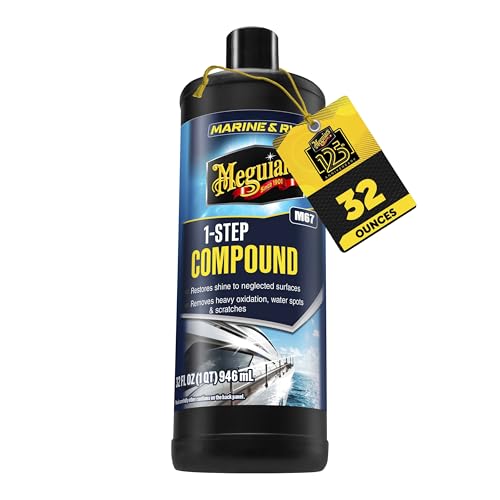
Meguiar’s M67 Marine/RV One-Step Compound 32oz
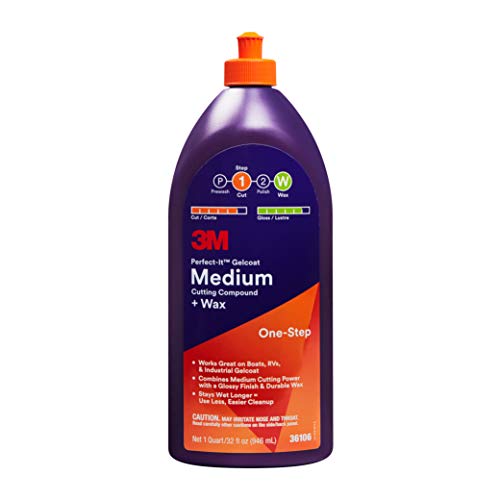
3M Perfect-It Gelcoat Medium Cutting Compound + Wax 36106
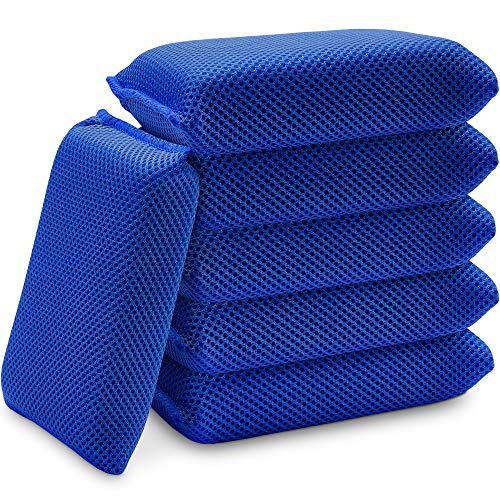
Relentless Drive Bug Sponge 6-Pack

SPTA Red T10 Ultra-Fine Finishing Pad 3-Pack

The Rag Company Eagle Edgeless 500 Towel 4-Pack

AstroAI 27″ Detachable Snow Brush & Ice Scraper

zipelo 3-Piece TPU Rubber Squeegee Kit
A Closer Look At Each Pick
SONAX Perfect Finish sits in the middle of a paint correction session, doing the work that normally takes two separate products. It targets light scratches, swirl marks from automatic car washes, and minor haze on dark paint where every imperfection shows up. The formula leans toward finish polishing rather than aggressive cutting, which means you can run it with a dual-action polisher and still walk away with a gloss that looks close to factory fresh.
For detailers working close to glass, the low-dust behavior is genuinely useful. The polish stays where you put it instead of drifting into trim or onto the windshield, and cleanup with a clean microfiber takes only a minute. Owners of darker daily drivers tend to appreciate it most, since the haze left by cheaper polishes is what makes black paint look tired after one bad hand wash.
What Makes Sense
- Single-step approach cuts down on compounding and finishing stages
- Hologram-free formula suits dark paint where swirl marks show up easily
- No fillers, so what you see after polishing is what you actually have
- 250ml bottle covers a full sedan with compound to spare
- Low dust means less cleanup around glass and trim edges
Trade-Offs To Consider
- Not designed for deep scratches that catch a fingernail
- Works best with a machine polisher, not by hand
- Results on heavy oxidation require a prior cutting step
Key Product Details
Best Suited To
Detailers and enthusiast owners with a dual-action polisher who want one product to handle light-to-moderate paint defects around glass trim.
Consider Something Else When
You are restoring a heavily oxidized boat hull, where the 3M Perfect-It Gelcoat Heavy Cutting Compound offers the cutting power this polish cannot match.
Boat owners know the look: a chalky hull that has lost its shine after one too many seasons in the sun. The 3M Perfect-It Gelcoat Heavy Cutting Compound is built for that job specifically, and it is one of the more aggressive options in the 3M marine lineup. It chews through P800 and finer scratches, oxidation, and the scuff marks that show up on trailered boats from dock contact.
Because gelcoat is far thicker than automotive clear coat, you can lean on a heavy cut without worrying about burning through the surface. Most owners follow this compound with a finishing polish and a wax to lock in the shine. Compared to SONAX Perfect Finish, which targets light paint defects, this one is in a completely different weight class.
A Strong Showing
- Designed specifically for gelcoat, not adapted from automotive formulas
- Handles P800 and finer scratch patterns in fewer passes
- Leaves a finish that is ready for a follow-up polish and wax
- Quart size suits full-hull restoration projects
Some Limits To Know
- Marketed for industrial and occupational use, not casual weekend wiping
- Requires a machine polisher for realistic results on large areas
- Not intended for automotive clear coat finishes
Right Fit For
Boat owners and marine detailers restoring heavily oxidized or scratched gelcoat hulls, deck surfaces, and transoms before seasonal launch.
Look Elsewhere When
You want a gentler approach on automotive paint, where Meguiar’s M67 Marine/RV One-Step Compound handles moderate wear in a single pass.
Meguiar’s M67 has been a go-to for RV and boat owners who want decent results without staging a three-step correction. It blends cutting and polishing into one product, so a weekend touch-up on a faded fiberglass cap or an aging gelcoat side panel becomes a one-product project. The 32oz bottle covers a moderate-sized RV front cap several times over.
It lands in the middle of the marine compound world, more aggressive than a finishing polish but gentler than the 3M heavy cut. For most RVers working on their own rigs, that middle ground is what actually gets used, since heavy compounding on large surfaces is exhausting without proper equipment.
The Practical Payoff
- One-step formula saves time on large RV and marine panels
- Works across gelcoat and fiberglass surfaces
- Decent results achievable with a dual-action polisher
- 32oz size suits multiple seasonal touch-ups
Worth Noting
- Won’t match the cutting power of the 3M heavy compound on severe oxidation
- Best paired with a foam cutting pad for predictable results
Feature Snapshot
Made For
RVers and boat owners who want a single product to handle moderate oxidation and light surface scratches across large gelcoat panels.
Swap It Out When
The surface is severely chalked and needs a true heavy cut, in which case the 3M Perfect-It Gelcoat Heavy Cutting Compound is the better starting point.
Where the heavy cut goes after chalk and P800 scratches, the 3M medium cutting compound steps in for the more common case: a hull that is dull, lightly oxidized, and weathered but not destroyed. The +Wax version folds a durable protective layer into the same step, so you compound and seal in one motion on moderate surfaces.
For owners with smaller boats or RVs who want a clean shine without staging a three-step weekend, the combined approach is appealing. You trade some of the depth of a separate polish-and-wax routine for a faster path to a presentable finish, and on storage-covered boats that is usually the better trade.
Reasons It Performs
- Combines medium cutting and waxing into one pass
- Removes moderate oxidation, dulling, and chalking efficiently
- Quart size covers mid-sized hulls and RV sidewalls
- Professional-grade marine formulation from 3M
Points To Keep In Mind
- Wax layer means a follow-up polish for show-quality finish is still recommended
- Won’t reach heavy oxidation that needs the 3M heavy cutting compound first
Whose Shelf It Belongs On
Boat and RV owners dealing with moderate weathering who want a one-step compound-and-protect routine without separate polishing stages.
A Better Fit Elsewhere
You are after maximum cutting aggression on neglected gelcoat, where the 3M Perfect-It Gelcoat Heavy Cutting Compound gives you more room to work.
The Relentless Drive bug sponge does not remove scratches, but it prevents the kind you do not want. Road-trip bugs, tree sap, and tar bond to paint and glass in ways that a regular wash mitt cannot lift, so people drag grit across the surface and end up adding swirls. The ultra-soft mesh design on this sponge handles that pre-wash step without scoring clear coat or windshield glass.
For anyone who drives highway miles in summer or parks under trees, the six-pack format keeps a rotation going. Toss a used one aside, grab a fresh one, and avoid the cross-contamination that ruins microfiber mitts over time. The honest read is that prevention is the cheaper side of scratch care.
Points In Its Favor
- Mesh design lifts bug residue and tar without grinding it into paint
- Safe on glass, chrome, clear coat, and delicate trim
- Six-pack supports rotation and reduces cross-contamination
- Lint-free finish leaves windows ready for a final wipe
Honest Caveats
- Not a scratch remover on its own, a pre-wash tool only
- Mesh wears out faster than a microfiber mitt with heavy use
Spec Overview
Who Should Grab It
Daily drivers and road-trippers who want a pre-wash tool that removes bug splatter and tar without laying down the swirls a regular sponge would.
Reach For A Different Pick When
You already have scratches to fix rather than prevent, in which case SONAX Perfect Finish is the closer match for actual paint correction.
A finishing pad is the difference between a polish that looks okay in the garage and one that looks right under shop lights. The SPTA Red T10 is built for that final stage, where you chase ultra-fine swirl marks and chase the gloss that a cutting pad cannot deliver. The 5.5-inch face fits a 125mm backing plate, which is the common size on dual-action polishers in enthusiast garages.
The grooved face design stores excess polish and keeps air circulating, so the pad does not glaze over mid-pass. Owners commonly report that pairing this with a finishing polish brings out depth on dark colors that a cutting pad leaves flat. Three pads in a pack means you can stage a full correction without stopping to wash between panels.
Well-Handled Touches
- Ultra-fine foam targets swirl marks that cutting pads leave behind
- Grooved face prevents polish saturation and improves airflow
- Three-pack covers a full sedan correction in one session
- Works with both rotary and dual-action polishers
Practical Considerations
- Not a cutting pad, requires an earlier compound stage for deeper defects
- Foam needs cleaning between panels to avoid cross-contamination
Perfect Match For
Polishers chasing final-stage gloss and ultra-fine swirl removal on dark paint, especially after a cutting compound pass.
Where A Sibling Pick Shines
You need the compound itself, not just the pad, in which case SONAX Perfect Finish pairs naturally with this pad for full paint correction.
Every polishing job ends the same way: wipe the residue off before it dries into the paint. The Rag Company’s Eagle Edgeless 500 is built for exactly that step, and the edgeless design matters more than people expect. A stitched edge on a cheaper towel is what drags across soft paint and leaves the very micro-marring you just spent an hour polishing out.
The 16×16 size fits comfortably in hand, the four-pack supports a full detail without laundering mid-job, and the microfiber softens with each wash rather than degrading. It is the kind of towel that gets used for everything from glass cleaning to wax removal once it is in the garage.
Strong Points
- Edgeless construction prevents the swirls stitched borders can cause
- Works with detailing sprays, no-rinse products, waxes, and polishes
- Softens with repeated washing rather than wearing out
- Four-pack covers a full vehicle detail in one session
Small Caveats
- Edgeless towels can fold at the corners during heavy wiping
- Requires separate washing from cotton shop towels to stay lint-free
Who It Suits Best
Detailers and enthusiasts who want a reliable wipe for residue removal and final buffing on paint, glass, and trim after polishing.
Not Your Match When
You need a winter ice tool for frozen windshields, where the AstroAI Snow Brush handles frost removal without the wet-towel approach.
Winter introduces a different kind of glass scratch: the kind you create yourself clearing frost with a stiff scraper. The AstroAI 27-inch tool splits into a brush head and an ice scraper, and the bristles are designed to clear snow without scoring the windshield. Owners in snowy regions report that the soft bristle pattern matters once you see how gritty a regular brush can be on a frosted surface.
The detachable joint also handles thick ice that bristles cannot shift, so you can break through with the scraper end without switching tools. For most commuters in cold climates, the 27-inch length reaches the roof of an SUV without dragging a step stool out of the trunk.
Useful Strengths
- Bristle design clears snow without scratching glass or paint
- Detachable joint switches between brush and scraper modes
- 27-inch reach covers most sedans and SUVs comfortably
- Durable joint helps break through thick ice buildup
Things To Weigh
- Limited use outside of winter months
- Bristles can flatten with heavy seasonal use and need replacement
Built With In Mind
Winter drivers in snow-belt regions who want to clear frost and snow off windshields without dragging grit across the glass.
Skip It When
You live in a warm climate year-round, since the Relentless Drive bug sponge makes more sense for warm-weather pre-wash care.
TPU stands for thermoplastic polyurethane, and the reason it shows up in squeegees is flexibility with toughness. The zipelo kit ships three sizes, so the large blade pushes water and bubbles across wide window panels, the medium handles standard car glass, and the small one works edge details on tint and vinyl. The flexible edge grips uneven surfaces without scratching, which is what makes it useful during vinyl wrap installs.
For detailers and tint shops, the three-size spread replaces a stack of single-purpose tools. Weekend users will likely keep the medium on the glass and leave the others in the drawer, but the kit pricing makes the extras a small add. Compared to harder plastic squeegees, TPU flexes around curved glass without digging in.
Everyday Advantages
- Three sizes cover large panels, standard glass, and fine edges
- TPU material flexes without scratching paint or film
- Useful for vinyl wrap, tint installation, and general glass cleaning
- Wear-resistant design holds up through repeated detailing sessions
Possible Compromises
- Smaller sizes are easy to misplace in a busy shop
- Not a substitute for proper polishing on scratched glass
Who Will Love This
Vinyl wrappers, tint installers, and detailers who need flexible squeegees in multiple sizes for both installation work and routine glass cleaning.
Where Another Pick Suits Better
You are working on actual paint scratches rather than water and bubbles, where SONAX Perfect Finish targets the surface correction job properly.
Picking the Right Product for Your Surface and Skill Level
Scratch removal lives on a spectrum. Light hazing and swirl marks respond to a finishing polish paired with a soft pad, while deeper scratches that catch a fingernail need a heavier compound first, then refinement. Surface matters just as much, because gelcoat on a boat tolerates aggressive cutting that automotive clear coat cannot handle, which is why marine and automotive products rarely cross over cleanly.
The honest read on most DIY scratch work is to start with the least aggressive product that could fix the issue, then escalate only if results fall short. That is the path that protects your clear coat, your gelcoat thickness, and the surrounding glass. Beginners usually do best with an all-in-one polish and a finishing pad, while experienced detailers with a polisher in the garage can stage a multi-step correction.
Glass itself is a different conversation. True scratch removal from glass typically requires cerium oxide compounds and felt wheels, not the polishes on this list, so most of these picks are best understood as tools for the paint and gelcoat that sit beside your glass and influence how the whole surface looks.
Key Considerations Across These Picks
Where Shoppers Go Wrong
The most common slip in this category is reaching for a heavy cutting compound when a finishing polish would do the job, and burning through clear coat in the process. Clear coat is thin, sometimes only a few microns deep, and aggressive products remove material fast. Start gentle, then escalate. The other trap is using the wrong pad with the wrong compound, which leads to hazy finishes that look worse than the original scratches.
What The Higher Tier Buys
Spending more in this category usually means finer abrasives, more consistent polish suspension, and bottles that stay workable on the pad longer. Premium polishes like SONAX Perfect Finish are popular because they collapse two stages into one, and that efficiency adds up across a full vehicle. The honest case for spending up is when you detail often enough to notice the difference between a polish that finishes clean and one that leaves micromarring you have to chase with another pass.
Frequently Asked Questions
Can these products actually remove scratches from glass? Most of these picks target paint and gelcoat, not glass itself. True glass scratch removal usually requires cerium oxide and felt pads, so for actual windshield scratches you may need a glass-specific kit.
Do I need a machine polisher to use these? For best results, yes, especially with compounds and finishing polishes. Hand application can help with light swirls but rarely matches the correction a dual-action or rotary polisher delivers.
How do I know if a scratch is too deep to fix? Run a fingernail across the scratch. If your nail catches, the scratch is likely too deep for polishing alone and may need touch-up paint or professional refinishing.
Are marine compounds safe on car paint? Generally no, since gelcoat is much thicker than automotive clear coat. Marine compounds are formulated to cut harder and can quickly remove clear coat if used on a car.
How often should I polish a car to fix scratches? Polishing removes a small amount of clear coat each time, so most detailers recommend polishing only when needed, perhaps once or twice a year, and using a finishing polish for routine gloss between deeper corrections.
The Takeaway
Glass scratch work splits into prevention, paint correction, and gelcoat restoration, and the right pick depends on which job you are actually facing. Match the product to the surface and to your skill level, and you will spend less time chasing results and more time enjoying a cleaner finish.
