

If your bathroom shelf is starting to look like a chemistry lab and your mirror still shows the same lines, you’re in good company. Mature skin responds best to a retinol serum that delivers active Vitamin A derivatives alongside buffering hydrators, and choosing the wrong strength or vehicle means weeks of peeling for nothing. This lineup focuses on formulas built around real aging concerns: firmness, fine lines, uneven tone, and barrier resilience.
The Lineup, Simplified

BIYSBER Retinol Collagen Peptide Serum 1.7 Fl Oz

TATCHA The Longevity Serum

Evolve Beauty Bio Retinol C Booster 15 ML

La Roche-Posay Pure 12% Vitamin C Serum

Prequel Skin Retinal Serum 0.1% Gel

No7 Protect & Perfect Intense Advanced Serum 1 Fl Oz
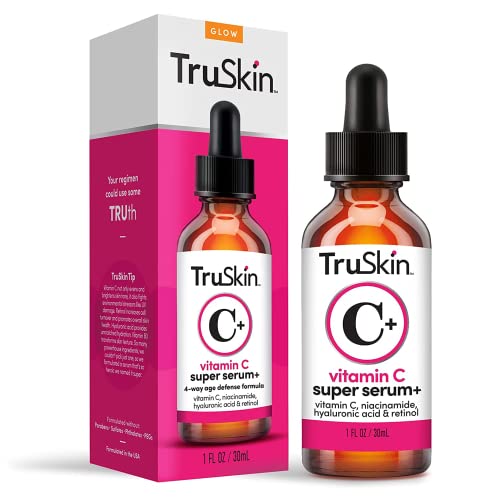
TruSkin Vitamin C Super Serum 1 fl oz

TruSkin Serum Trio Vitamin C, Retinol, Hyaluronic Acid

TruSkin Retinol Serum with Hyaluronic Acid & Cica 1 fl oz
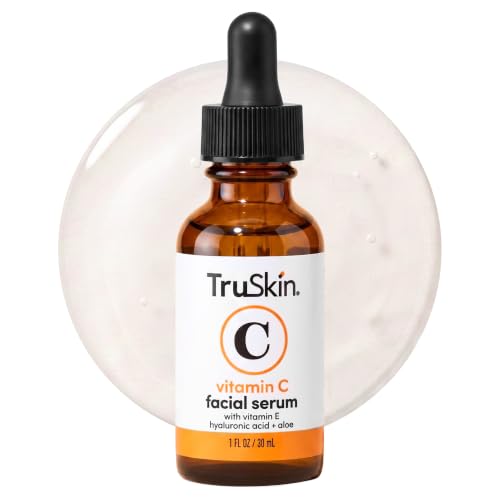
TruSkin Brightening Vitamin C Serum 1 fl oz
A Deeper Look At The Lineup
BIYSBER’s 1.7 fl oz bottle positions itself as a gentle entry point for anyone dipping a toe into retinoids. The formula combines retinol with collagen-supporting peptides and hyaluronic acid, layering hydration underneath the active so your face doesn’t feel stripped.
For most mornings, two to three drops spread over cleansed skin absorb quickly without that tight, plasticky finish some serums leave behind. Peptides (short chains of amino acids that signal skin to produce more collagen) soften the look of fine lines around the eyes and mouth, while retinol does the deeper renewal work overnight. Compared to the heavier luxury picks later in this list, this one feels like a practical starter bottle you can finish before it loses potency.
A Few Strong Suits
- Hyaluronic acid buffers retinol dryness, so flaking stays minimal in dry climates.
- Peptide pairing supports firmness without forcing you to commit to high-strength retinoids.
- The 1.7 fl oz size outlasts a typical 30 ml starter, giving your skin time to adapt.
- Doubles as a day-and-night serum in a stripped-down routine.
Worth Noting
- The source doesn’t disclose retinol concentration, so experienced users may want something stronger after a few months.
- Dropper hygiene matters; wipe the tip weekly to keep the formula from oxidizing faster.
Who It Suits Best
First-time retinoid users in their thirties or early forties who want wrinkle care without the classic peeling phase.
Look Elsewhere When
Shoppers ready to commit to a stronger retinoid profile should reach for the Prequel Skin Retinal Serum, which uses retinaldehyde for more noticeable renewal.
TATCHA’s longevity-focused serum targets skin resilience rather than just surface smoothing. The brand leans on its Japanese botanical heritage, and this formula is built around supporting a stronger barrier so skin holds up against environmental stressors that age you faster.
The serum feels luxe going on, almost like a featherweight oil, and absorbs into a soft satin finish that wears well under sunscreen. Mature shoppers dealing with reactive, sensitized skin in cooler months will appreciate that the formula resists the stinging some retinoid-heavy options cause. The catch is the price tier, which lands well above the drugstore options in this roundup.
Advantages To Know
- Barrier-strengthening focus helps reactive skin tolerate active routines longer.
- Lightweight texture layers under makeup without pilling.
- Comes from a brand with a long track record in ritualistic Japanese skincare.
Honest Caveats
- Sits at the top of the budget range, so the cost-per-ounce is steep.
- Owners commonly report the bottle runs out faster than expected with daily twice-a-day use.
Core Details
Made For
Shoppers with reactive, mature skin willing to invest in a prestige serum that prioritizes barrier health.
Consider Something Else When
Budget-conscious shoppers layering a Vitamin C AM serum should consider TruSkin’s Brightening Vitamin C Serum for similar brightening benefits at a much lower cost.
Evolve Organic Beauty delivers one of the smallest bottles in this roundup at 15 ml, but the format is a deliberate choice. This product is a booster, designed to mix a few drops into your existing serum or moisturizer rather than replace it.
Shoppers committed to clean beauty routines will appreciate the third-party organic certification and cruelty-free stance. The booster pairs a bio-retinol alternative with Vitamin C, so you’re getting a brightness nudge and a renewal signal in the same dropper. For anyone whose current routine feels static, dropping this in twice a week gives a controlled way to escalate actives without buying a whole new bottle.
Why It Works Well
- Drops into existing serums, so you don’t waste product you’re already using.
- Third-party certified organic claims add transparency to the ingredient list.
- No animal testing aligns with cruelty-free shoppers’ values.
- Bio-retinol offers a gentler alternative for sensitive skin types.
Trade-Offs To Consider
- The 15 ml size is small, so the cost-per-milliliter runs higher than full-size serums.
- Bio-retinol alternatives tend to deliver slower visible results than true retinol, so patience matters.
Best Suited To
Clean beauty devotees who already love their current serum and want a gentle, certified-organic way to add age-fighting actives.
A Better Fit Elsewhere
Shoppers wanting a stronger, single-step retinoid experience will find more punch in the Prequel Skin Retinal Serum with its 0.1% retinaldehyde gel.
La Roche-Posay’s serum swings toward brightening more than rebuilding, with a 12% Vitamin C concentration front and center. The formula layers that active with hyaluronic acid for slip and salicylic acid (a beta-hydroxy acid that gently exfoliates inside the pore) to keep congestion from dulling your glow.
Shoppers in their forties and beyond who notice their skin looking tired rather than wrinkled will appreciate the radiance-forward approach. The texture is lightweight and absorbs cleanly under moisturizer, and the brand ships two formulas so normal and oily skin types can pick a finish that suits them. Unlike the BIYSBER pick, this one isn’t a retinol carrier, so pairing it with a PM retinol step gives you both worlds.
The Practical Payoff
- Hyaluronic acid keeps the high Vitamin C concentration from feeling stripping on dry patches.
- Salicylic acid helps oilier complexions stay clear while brightening.
- Two formula options mean you can match your skin type without guesswork.
- Packaging from a derm-recommended brand tends to keep the Vitamin C stable longer.
Room For Improvement
- High Vitamin C percentages can sting on freshly exfoliated skin, so ease in slowly.
- Not a retinol product, so you’ll want a separate PM step for line-targeting.
The Right Fit
Mature shoppers whose main concern is dullness and uneven tone rather than deep wrinkles.
Swap It Out When
Anyone wanting a single bottle that combines Vitamin C and retinol in one step should consider TruSkin’s Vitamin C Super Serum, which layers five actives in one formula.
Prequel takes a deliberate step beyond standard retinol by using retinaldehyde, a Vitamin A derivative that’s closer in the conversion chain to retinoic acid (the form skin actually uses). At 0.1% in a gel vehicle with ectoin and cica oil, the formula aims for stronger renewal without the irritation a higher retinol percentage might cause.
The gel texture feels cooler going on than cream-based serums, which mature shoppers with oily or combination skin tend to prefer. Ectoin is an extremophile-derived molecule known for helping cells hold onto hydration under stress, and combined with cica (centella asiatica, a calming botanical), it gives the active ingredient some cushion. If your current retinol feels like it’s stalled, this is a sensible upgrade.
What Pays Off
- Retinaldehyde works faster than retinol because skin needs fewer conversion steps to use it.
- Stabilized gel vehicle keeps the active potent longer than many water-based serums.
- Cica and ectoin help offset the dryness that often sidelines stronger retinoids.
- Positioned as beginner-friendly despite the more advanced active.
Potential Drawbacks
- Retinaldehyde still causes purging for some users in the first two to three weeks.
- PM-only use is essential since the active degrades in sunlight.
Whose Shelf It Belongs On
Shoppers who’ve outgrown entry-level retinol and want a clinical-feeling upgrade without jumping to prescription strength.
Reach For A Different Pick When
Anyone needing barrier repair more than active renewal should consider TATCHA’s The Longevity Serum, which centers resilience over turnover.
No7’s Protect & Perfect line has been around long enough that “Intense Advanced” carries real weight with returning shoppers. This 1 fl oz serum leans on peptides and a proprietary complex called Matrix 3000+, alongside hyaluronic acid for plumpness.
The formula targets the visible signs of aging around the mouth and forehead where crepey texture shows up first. Dry, mature skin types will find the hydration levels more forgiving than a stripped-down retinol-only product. Owners commonly report the serum layering cleanly under a richer night cream without balling up.
Good Reasons To Consider
- Peptide blend signals collagen production without the retinoid adjustment period.
- Hyaluronic acid gives immediate plumpness while peptides work longer-term.
- The brand is widely stocked, so replacing the bottle is straightforward.
A Few Limitations
- Peptide serums work gradually, so expect a longer timeline before visible change.
- The 1 fl oz bottle runs out faster than some larger-format competitors in this list.
Quick Facts
Perfect Match For
Mature shoppers with dry, crepey texture who want a peptide-led alternative to harsher retinoids.
Where Another Pick Suits Better
Shoppers wanting a stronger retinoid effect should consider the Prequel Skin Retinal Serum for more direct wrinkle-targeting action.
TruSkin’s Super Serum earns its name by stacking Vitamin C, retinol, niacinamide, hyaluronic acid, and squalane into a single bottle. For shoppers who don’t want to juggle five different droppers, this consolidates the basics into one step.
The 1 fl oz format is approachable for first-time serum shoppers, and the multi-actives approach means less layering confusion. Niacinamide (a form of Vitamin B3) helps with tone and pore appearance, while squalane (a skin-identical lipid) keeps the retinol side from drying out the formula. For most people juggling a morning routine, this is a reasonable one-and-done approach, though serious retinoid users may want something more targeted later.
What Stands Out
- Five actives in one bottle simplify routines for time-pressed mornings.
- Squalane cushions the retinol component, reducing typical flaking.
- The price lands far below the prestige picks in this lineup.
- Works as a standalone day or night serum.
Things To Weigh
- Concentrations of each active are necessarily lower than single-purpose serums.
- Layering five actives at once can overwhelm reactive skin if you rush into daily use.
Who Should Grab It
Busy shoppers who want a single bottle covering brightening, hydration, and gentle renewal without multiple steps.
Skip It When
Anyone needing higher concentrations of any single active should reach for the La Roche-Posay Pure 12% Vitamin C Serum for a stronger brightening dose.
TruSkin’s Trio splits a complete routine across three coordinated bottles: Vitamin C for morning, retinol for night, and hyaluronic acid for hydration any time. Each bottle is 1 fl oz, so the set covers a few months of consistent use.
The appeal is structure. Mature skin often responds better when actives are timed correctly, and this set hands you the schedule without guesswork. Compare that to the TruSkin Super Serum, which crams everything into one bottle: here, each active gets its own vehicle for better stability. The honest read is that the trio costs more upfront but lasts longer across a full routine.
A Strong Showing
- Separating Vitamin C and retinol protects each active from degrading the other.
- Three matching bottles keep a tidy shelf rather than a mismatched collection.
- The hyaluronic acid step can be doubled up in dry weather for extra cushion.
Honest Caveats
- Owners commonly note the bottles are tall and narrow, so they tip easily on crowded vanities.
- Three-step commitment requires consistency to see payoff.
Built With In Mind
Routine-focused shoppers who want a complete AM/PM system without hand-picking each serum separately.
Not Your Match When
Minimalists who prefer a single-bottle approach should consider TruSkin’s Vitamin C Super Serum instead.
TruSkin’s dedicated retinol serum keeps the focus narrow: a PM formula built around retinol, hyaluronic acid, cica, and Vitamin E. The combination is intentional, with cica doing the soothing work while retinol does the resurfacing.
Shoppers already using a Vitamin C serum in the morning (like TruSkin’s Brightening option) will find this PM pairing clicks into place cleanly. The texture is light enough to wear alone or under a richer night cream, and the cica helps offset the tightness that often shows up after the first week of retinol use. For most people starting a PM retinoid routine, this is a sensible, no-drama workhorse.
The Case For It
- Cica softens the retinoid learning curve for newer users.
- Vitamin E adds antioxidant support for the daytime damage retinol works to undo.
- Single-purpose bottle is easier to layer than multi-active formulas.
Softer Spots
- Strict PM use only, since retinol breaks down under UV exposure.
- The dropper can clog if the bottle is stored in a steamy bathroom, so keep it cool.
Key Attributes
Right Fit For
Shoppers with an established Vitamin C morning step who need a focused, PM-only retinol companion.
Another Choice May Suit
Anyone wanting brighter skin in the same routine should pair this with TruSkin’s Brightening Vitamin C Serum rather than a separate purchase decision.
TruSkin’s Brightening serum rounds out the routine as the AM counterpart to its retinol sibling. The formula layers Vitamin C with hyaluronic acid, Vitamin E, aloe vera, and jojoba oil, which together aim for glow without stripping.
Mature shoppers dealing with sun-related dark spots and a generally dull finish will appreciate how the formula wears under sunscreen. Aloe and jojoba give the serum a comfort level that pricier Vitamin C products sometimes lack. Compared to the La Roche-Posay pick, this one runs at a friendlier price tier, though the Vitamin C concentration is also lower.
The Helpful Details
- Aloe vera and jojoba oil ease the sting higher Vitamin C percentages can cause.
- Vitamin E adds antioxidant backup alongside the brightening active.
- The lightweight finish works under makeup and SPF without piling.
Some Limits To Know
- The lower Vitamin C concentration means slower brightening than clinical-strength options.
- Owners commonly report the dropper requires a firm squeeze, so watch your grip.
Product Snapshot
Best Suited To
Shoppers building an AM/PM system around the TruSkin family who need a daily brightening step.
A Better Fit Elsewhere
Anyone wanting a higher Vitamin C percentage for faster visible results should consider La Roche-Posay’s Pure 12% Vitamin C Serum instead.
Shopping For Retinol Serums Without The Guesswork
Retinol (Vitamin A) is the workhorse ingredient here, and the percentage listed on the label determines how aggressive the formula will feel. Lower concentrations (around 0.025% to 0.05%) suit first-time users or anyone with reactive skin. Mid-range options (0.1% retinol or equivalent) work well for established routines. Retinaldehyde, like the Prequel pick, delivers more visible change per use because skin converts it faster than plain retinol.
The vehicle matters as much as the percentage. Serums in gel form absorb quickly and suit oily or combination complexions, while cream-based formulas cushion drier skin. Cica, hyaluronic acid, peptides, and squalane all act as buffers, reducing the peeling and tightness that scare new users off. Buffered formulas like the BIYSBER pick or TruSkin’s retinol serum are smart starting points.
Pairing matters too. Vitamin C and retinol can coexist in a routine but shouldn’t share a bottle, since each active degrades the other. Splitting them AM and PM, the way the TruSkin Trio does, gives both ingredients room to work. Niacinamide plays well with retinol and helps with tone, which is why it shows up in several of these formulas.
SPF is non-negotiable. Retinol increases photosensitivity, so any morning routine using these serums needs broad-spectrum sunscreen to protect the investment. Shoppers who skip sunscreen will undo the wrinkle-smoothing benefits by accumulating new UV damage.
Where Shoppers Go Wrong With Anti-Aging Serums
Mistaking Higher Percentages For Faster Results
Jumping straight to a strong retinol percentage often backfires. The adjustment period involves flaking, redness, and sometimes breakouts as skin speeds up cell turnover. Starting with a buffered formula (like BIYSBER or TruSkin’s retinol serum) and escalating every few months gives skin time to build tolerance. Stronger doesn’t mean better when the barrier is compromised.
Skipping Sunscreen During The Day
Retinol increases how vulnerable skin is to UV damage. Using these serums without daily broad-spectrum SPF essentially cancels out the collagen-supporting benefits while adding new damage. Sunscreen isn’t optional pairing; it’s the other half of the routine.
Mixing Too Many Actives At Once
Layering Vitamin C, retinol, AHAs, and BHAs in the same routine can leave skin sensitized and reactive. Pick two or three actives that target your main concern, and give each one space. The TruSkin Trio approach (separate AM and PM bottles) makes this easier to manage than cramming everything into a single bottle.
The Upgrade Payoff
Where Higher Spending Actually Pays Off
Premium options like TATCHA’s The Longevity Serum invest in barrier-supporting ingredients and refined textures. The upgrade is worth it for shoppers with reactive skin who can’t tolerate harsher formulations, or anyone who values the sensory experience of skincare. Higher-tier retinoid products also tend to use stabilization technology that keeps the active potent longer, which matters if you use a bottle slowly.
The honest read: budget-friendly options like the TruSkin family deliver real active ingredients at concentrations that work for most people. Spending more primarily buys texture, packaging, brand experience, and sometimes gentler formulations for sensitive skin. For most shoppers, a well-chosen mid-range serum produces the same visible results as a prestige one, with more cash left for sunscreen.
Frequently Asked Questions
How long does retinol take to show visible results?
Most retinol users notice changes in texture and tone within four to eight weeks, with deeper wrinkle improvement building over three to six months of consistent use. Results depend on concentration, frequency, and how well skin tolerates the active.
Can retinol and Vitamin C be used in the same routine?
They can, but the cleanest approach is Vitamin C in the morning and retinol at night. Layering both at once can degrade each active and increase irritation, especially when you’re just starting.
What concentration should a retinol beginner choose?
Look for formulas at or below 0.05% retinol, or buffered options that pair retinol with hydrating ingredients. Buffered serums like the BIYSBER pick let skin adapt without the heavy peeling that scares people off.
Is retinaldehyde stronger than retinol?
Yes, retinaldehyde sits one step closer to retinoic acid (the form skin actually uses), so it converts faster and works more efficiently per application. Products like the Prequel pick deliver more visible change at lower listed percentages.
Should retinol serums be avoided around the eyes?
The eye area is more delicate, so most dermatologists recommend lighter concentrations or buffering with moisturizer around the orbital bone. Some shoppers reserve their regular retinol for the rest of the face and use a gentler peptide serum on eye skin.
Closing Remarks
Mature skin rewards consistency more than intensity. Pick a formula that matches your skin type, commit to daily SPF, and give the bottle at least two months before deciding whether it works. The right serum for you is the one you’ll actually use every night without dreading the mirror.
