

Azelaic acid has quietly become a staple for anyone wrestling with persistent redness, post-blemish marks, or reactive skin that flares at the smallest provocation. The trick is finding a formula strong enough to make a visible difference without tipping into irritation, especially when skin is already on edge.
This roundup looks at ten options worth a spot on a crowded shelf, from gentle K-beauty hybrids to higher-strength picks aimed at stubborn discoloration. Each entry is judged on ingredient transparency, texture, real-world layering behavior, and how it treats sensitive or blemish-prone skin over time.
Your Options, Compared

SKIN&LAB Azelaic Acid 10% Balancing Serum 30ml

AROMATICA Azelaic Acid 10% Serum

THOME Azelaic Acid, Niacinamide & Centella Serum

Dr.Ceuracle Azelaic Acid 10 & Madecassoside Ampoule

daymellow Azelaic Acid 10% Balancing Serum

Anua PDRN Hyaluronic Acid Capsule 100 Serum

Proactiv Clean Azelaic Pore Perfector 3oz
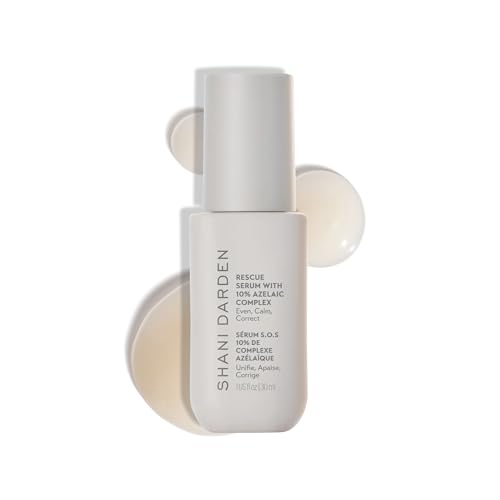
Shani Darden Rescue Serum 10% Azelaic Complex

Anua Azelaic Acid 10 Hyaluron Redness Soothing Serum

Anua Niacinamide 10 + TXA 4 Serum
Taking A Closer Look At The Options
Kick things off with a formula built for reactive skin that needs gentle persuasion, not punishment. The SKIN&LAB Azelaic Acid 10% Balancing Serum layers a 10% azelaic acid concentration alongside bifida ferment lysate and arbutin, the kind of supporting cast that softens the active ingredient’s edge.
Reactive complexions dealing with post-acne marks and uneven tone tend to respond well to this kind of hybrid approach, especially in cooler months when the skin barrier is already on high alert. For most routines, a pea-sized amount morning or night is plenty.
Where It Excels
- Bifida ferment lysate helps reinforce the skin barrier while azelaic acid does the heavy lifting
- Arbutin adds a brightening dimension that pairs naturally with mark-fading goals
- Lightweight texture layers under moisturizer and sunscreen without pilling
- Comes in a 30ml bottle that should last several weeks of daily use
Things To Consider
- No niacinamide in the formula, so pairing with a separate brightening step may be necessary for some routines
- Patch testing matters here since 10% azelaic acid can tingle on freshly exfoliated skin
Whose Shelf It Belongs On
Anyone new to azelaic acid with sensitive, blemish-prone skin looking for a balanced Korean-skincare entry point.
A Better Fit Elsewhere
For shoppers wanting a calming cica and ectoin pairing alongside their azelaic acid, the daymellow Azelaic Acid 10% Balancing Serum is the closer match.
AROMATICA leans into botanicals with this one, slotting a plant-derived PDRN sourced from tea tree alongside the 10% azelaic acid core. The result is a serum that aims to fade post-blemish marks while keeping the surrounding skin conditioned rather than stripped.
For most routines dealing with stubborn discoloration, the PDRN component acts as a quiet buffer, helping the formula feel less clinical. It absorbs cleanly and tends to play nicely under thicker creams, which matters for anyone running a multi-step evening regimen.
The Good Stuff
- Tea tree-derived PDRN adds a soothing, conditioning element unusual for this category
- Targets uneven tone and post-blemish marks without leaving a tacky finish
- Liquid texture spreads easily across the face, requiring only a few drops per application
Worth Noting
- The botanical angle means a slightly longer ingredient list to scan if you avoid certain plant extracts
- Results on deeper discoloration tend to require several weeks of consistent nightly use
Right Fit For
Shoppers curious about plant-derived actives who want a gentle, conditioning azelaic acid option for evening layering.
Skip It When
Those wanting a triple-active formula with niacinamide and centella should look at the THOME Azelaic Acid, Niacinamide & Centella Asiatica Serum instead.
THOME takes a more aggressive route, stacking azelaic acid, niacinamide, and centella asiatica into a single bottle. The pitch is efficiency: one step that calms, balances, and revives rather than three separate serums fighting for space in the routine.
For anyone whose skin swings between redness one week and dullness the next, this kind of combination cuts down on layering decisions. The 1.01oz format also means it slips into a travel bag without a second thought, useful for routines that move between climates.
Real Benefits
- Three actives target redness, dark spots, and barrier comfort in a single step
- Centella asiatica adds a soothing counterweight to the stronger azelaic and niacinamide pairing
- Standard 1.01oz size that travels well and fits on cluttered vanities
Trade Offs
- Higher active load means a careful patch test matters before full-face use
- The combined formula leaves less room to fine-tune individual ingredient percentages in your routine
Made For
Routines that want fewer bottles on the counter and a single multi-purpose serum for both dark spots and reactive flare-ups.
Not Your Match When
Anyone who likes keeping actives separate should consider the SKIN&LAB Azelaic Acid 10% Balancing Serum for a more streamlined single-active start.
Dr.Ceuracle leans into its derma-friendly identity with this ampoule, pairing 10% azelaic acid with madecassoside, a centella-derived compound known for its calming reputation. The ampoule format signals a concentrated, treatment-style approach rather than a casual daily serum.
Irritation-prone skin that flares at the first hint of a strong active tends to benefit from this pairing. The texture glides on smoothly without dragging, and a single dropper usually covers the full face, which makes the small 1.01oz bottle last longer than expected.
What Works In Its Favor
- Madecassoside offers a well-documented calming counterweight to azelaic acid
- Aim is to even out skin tone and reduce visible redness with a single targeted step
- Ampoule dropper format helps keep the formula stable and dosing consistent
Honest Caveats
- Smaller bottle size means repurchasing more often for daily users
- Those wanting additional brightening actives will need to layer a niacinamide step separately
Key Product Details
Best Suited To
Reactive, irritation-prone skin that wants a focused azelaic acid treatment with a built-in calming ingredient.
Where Another Pick Suits Better
For shoppers wanting a wider soothing lineup including cica, ectoin, and panthenol, the daymellow Azelaic Acid 10% Balancing Serum offers a broader calming base.
daymellow builds its serum around the idea that 10% azelaic acid alone can feel lonely on a stressed barrier, so it surrounds the active with cica, ectoin, niacinamide, and panthenol. The lineup reads like a recovery kit disguised as a dark-spot treatment.
Sensitive skin that has been through a rough exfoliation phase or a retinization period benefits most from this kind of buffered approach. The multi-hyaluronan hydration base keeps the formula from feeling tight after application, which matters during seasonal transitions when the barrier is already compromised.
Everyday Wins
- Cica and ectoin add a barrier-repair dimension beyond standard azelaic acid serums
- Niacinamide and panthenol round out the soothing lineup for reactive skin
- Multi-weight hyaluronic acids help maintain hydration alongside the active ingredient
Things To Consider
- The longer ingredient list takes more time to scan for sensitivities
- Layering this serum over strong exfoliants can still produce mild tingling in some routines
Perfect Match For
Sensitive or barrier-compromised skin that wants azelaic acid results without sacrificing comfort during the adjustment period.
Consider Something Else When
Those who prefer a tighter ingredient list and a simpler active profile may find the SKIN&LAB Azelaic Acid 10% Balancing Serum easier to slot into an existing routine.
Anua’s Capsule 100 serum steps slightly off the standard azelaic acid path and leans on PDRN, short for polydeoxyribonucleotide, a DNA-derived ingredient often used in Korean skincare for skin repair support, paired with hyaluronic acid. The microcapsule delivery system is built to release hydration gradually rather than all at once.
Dehydrated skin that wants a plumping, dewy finish benefits most from this format, particularly when morning routines need a quick-absorbing step before sunscreen. The lightweight feel makes it an easy layering partner rather than a standalone treatment.
What Pays Off
- Capsule delivery aims for a controlled, gradual release of hydration across the day
- PDRN and hyaluronic acid combine for a moisture-plumping, glow-focused finish
- Fast-absorbing texture keeps routines quick during busy mornings
Trade Offs
- Not positioned as a high-strength azelaic acid option for stubborn dark spots
- Best paired with a separate targeted treatment for dedicated blemish care
Who It Suits Best
Shoppers who want a hydration-led serum with PDRN support for plumping and a daily glow rather than aggressive mark correction.
Another Choice May Suit
Those committed to fading persistent post-blemish marks should consider the Anua Azelaic Acid 10 Hyaluron Redness Soothing Serum for a more treatment-focused option.
Proactiv Clean reworks the brand’s acne-care legacy into a milder, gentler format with this azelaic acid serum. Squalane and hyaluronic acid join the active ingredient to soften the experience for sensitive, acne-prone skin that flares under harsher treatments.
Adults revisiting acne care after years on benzoyl peroxide or salicylic acid tend to find this slower, gentler route easier to commit to. The 3oz bottle also outlasts most competitors on the shelf, which makes daily AM and PM use feel less wasteful.
A Few Strong Suits
- Squalane adds a non-greasy layer of moisture that sensitive acne-prone skin usually appreciates
- Larger 3oz size offers extended use before repurchasing
- Dermatologist-developed positioning aimed at milder acne and occasional breakouts
Room For Improvement
- Larger format means a bulkier bottle that takes up more counter space
- Lighter touch may not satisfy those wanting stronger, faster visible results
Feature Card
Who Should Grab It
Anyone with sensitive, acne-prone skin who wants a larger bottle and a gentler approach than traditional acne actives offer.
Reach For A Different Pick When
For shoppers wanting a multi-active Korean formula with cica and ectoin, the daymellow Azelaic Acid 10% Balancing Serum is worth a closer look.
Shani Darden’s Rescue Serum carries the signature of a licensed esthetician’s routine, built around a 10% azelaic complex rather than a single-ingredient formulation. Licorice extract, oat kernel, and aloe round out a vegan blend designed to refine texture while keeping the skin comfortable.
Anyone whose main concern is uneven texture and lingering post-blemish marks, rather than acute breakouts, tends to gravitate here. The 1oz format fits a curated shelf and the formula layers cleanly under richer night creams without pilling.
Notable Gains
- Licorice extract adds a botanical brightening element alongside the azelaic complex
- Oat kernel and aloe support a balanced, hydrated finish post-application
- Vegan formulation suits routines that avoid animal-derived ingredients
Points To Note
- Higher positioning in the category may push it out of casual daily-serum budgets
- Those wanting larger sizes will need to consider repurchase frequency with the 1oz format
Built With In Mind
Texture-focused routines from an esthetician-trained brand, especially for skin that needs refinement rather than aggressive correction.
Swap It Out When
Budget-conscious shoppers looking for a similar soothing ingredient profile should look at the AROMATICA Azelaic Acid 10% Serum as a friendlier entry point.
Anua returns to the azelaic acid category with a formula that pairs 10% azelaic acid with three different molecular weights of hyaluronic acid, plus panthenol. The pitch is a watery, fast-absorbing serum that fades marks without leaving skin tight or parched afterward.
Oily, blemish-prone skin that struggles with heavier serums benefits most from this lightweight texture. It layers seamlessly under moisturizer and sunscreen, which matters for routines that already run four products deep before noon.
Practical Advantages
- Three weights of hyaluronic acid target different layers of the skin’s surface
- Panthenol adds a softening, supportive ingredient for daily comfort
- Watery texture absorbs quickly and works well under sunscreen and makeup
Practical Considerations
- Lighter texture means some routines may want a richer follow-up cream in colder climates
- Not designed for heavy occlusion, so very dry skin may need additional layering
The Right Fit
Oily or combination skin that wants an azelaic acid serum with serious hydration support and a non-heavy finish.
Where A Sibling Pick Shines
For routines that prefer stronger brightening alongside soothing, the THOME Azelaic Acid, Niacinamide & Centella Asiatica Serum is the broader alternative.
Anua wraps up the roundup on a slightly different note. The Niacinamide 10 + TXA 4 Serum swaps azelaic acid for a niacinamide and tranexamic acid pairing (TXA is shorthand for tranexamic acid, an ingredient studied for its role in addressing discoloration), supported by hyaluronic acid and arbutin.
Dullness and dark spot care routines that don’t necessarily need azelaic acid benefit from this alternative angle. The glass-skin positioning reflects the lightweight, hydrating finish, and the formula layers neatly into routines already anchored by azelaic acid elsewhere.
Reasons It Performs
- Tranexamic acid adds a complementary discoloration-focused ingredient to niacinamide
- Arbutin extends the brightening profile for layered routines
- Lightweight, non-greasy texture absorbs fast and layers easily with other products
Worth Bearing In Mind
- No azelaic acid in the formula, so it works best paired with a separate targeted serum
- Multiple brightening actives require sunscreen commitment for visible results
Who It Suits Best
Routines chasing an even, glass-skin finish and willing to pair this serum with an azelaic acid step in a multi-product lineup.
Not Your Match When
Anyone wanting a single-bottle azelaic acid solution should return to the Anua Azelaic Acid 10 Hyaluron Redness Soothing Serum for an integrated approach.
What To Weigh Before Choosing Your Azelaic Acid Serum
Active Concentration and Skin Tolerance
Most azelaic acid serums in this roundup sit at the 10% mark, which is widely considered the strongest concentration available without a prescription. Higher isn’t automatically better, and sensitive or first-time users often find that 10% applied every other night for the first couple of weeks is plenty. Skin that has been retinized or is already comfortable with exfoliating acids can usually step up to nightly use faster, but the patch test still applies either way.
Supporting Ingredients That Soften the Bite
The supporting cast matters more than most labels suggest. Niacinamide adds brightening and barrier support, centella asiatica and madecassoside bring calming properties, and hyaluronic acid or panthenol keep the formula from feeling tight after application. Routines that already lean on retinol or strong exfoliants benefit most from a serum that bundles these soothers, while simpler routines can manage with a more stripped-back formula.
Texture, Layering, and Daily Routine Fit
A watery serum behaves differently from a creamy one, especially under sunscreen or makeup. Oily and combination skin tends to prefer the lighter Korean-skincare textures that absorb in seconds, while drier skin often does better with slightly richer formulas or with a thicker moisturizer layered on top. Daily sunscreen commitment is non-negotiable regardless of which serum lands on the shelf, because azelaic acid and brightening partners increase photosensitivity.
Smart Choices Across These Picks
Common Shopping Slip Ups
Reaching for the highest concentration without considering your skin’s current state is the most common stumble. Starting with daily 10% azelaic acid on freshly exfoliated skin is asking for redness. Skipping daily sunscreen is the other big misstep, since azelaic acid and brightening partners increase photosensitivity and can undo progress without UV coverage.
What The Higher Tier Buys
Premium positioning in this category usually means broader supporting ingredient lists, a more refined texture, or stronger brand backing. The Shani Darden Rescue Serum reflects that with its vegan formulation and esthetician-developed positioning. The honest read is that the upgrade pays off most for routines that want a more polished layering experience or that value brand transparency, while budget-friendly options cover the core mark-fading job just fine for most users.
Frequently Asked Questions
How often should I start using an azelaic acid serum?
Begin with every other night for the first two weeks, then reassess based on how your skin tolerates it. Sensitive or first-time users benefit from an even gentler ramp-up, while retinized skin can usually move to nightly use sooner.
Can azelaic acid be used with vitamin C or retinol?
Layering azelaic acid with vitamin C is generally fine, though some users prefer to separate them between morning and evening. Retinol pairing works for experienced users who alternate nights, and the supporting soothers in these formulas help buffer the combination.
Do I need sunscreen while using azelaic acid?
Yes, daily SPF is strongly recommended when using azelaic acid or any brightening active. Increased photosensitivity is a known consideration, and skipping sunscreen undermines the mark-fading progress these serums aim to deliver.
Is azelaic acid suitable for sensitive skin?
Azelaic acid is often considered one of the gentler treatment actives for sensitive skin, especially when paired with calming supporting ingredients like centella, cica, or panthenol. Patch testing remains important before full-face application regardless of skin sensitivity.
How long until I see results from an azelaic acid serum?
Visible improvements in redness and post-blemish marks typically require four to eight weeks of regular application. Darker or older marks may need longer, and consistency matters more than concentration increases during that window.
The Takeaway
Azelaic acid works best as a slow, steady habit rather than a quick fix, and the right supporting lineup makes that habit easier to keep. Match the formula to your skin’s current tolerance, commit to daily sunscreen, and give the routine at least a month before judging results.
