

Most of us ignore our feet until sandal season, dry winter air, or a long day in boots reminds us just how much dead skin builds up around the heels and balls. A reliable foot file turns a rough, callused heel into something you actually want to touch in a few minutes a week, and you don’t need a salon visit or an electric gadget to get there. The picks below cover the main approaches: two-sided steel scrapers, sandpaper-style files, a washable synthetic board, a massive professional rasp, a curved ergonomic rasp, and a graded set. Each one is a manual tool that works on dry or soaked feet, and the right call depends on how thick your calluses get and how much control you want.
A Quick View Of The Lineup

Waieoc 2-Sided Foot File & Callus Rasp

HOME-X Double-Sided Foot File 3″ Wide

P.Shine Beauty Foot Beige BF-80

Flowery Original Swedish Clover Red Foot File

ALOCKMA 2Pcs Colossal Stainless Foot Rasp
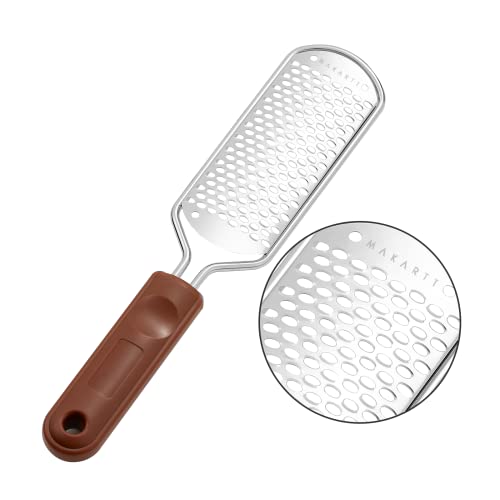
Makartt Colossal Stainless Foot File

Vive Foot File 3-Pack Graded Set
The Details Behind The Selections
Waieoc’s two-sided rasp is the kind of tool that fits on a bathroom shelf without taking up room in the drawer, and the design borrows from the professional rasps you may have seen at a nail station. The coarse blade side takes the first pass over thick heels, while the finer rasp face smooths the leftover texture so nothing feels snaggy when you run a sock over it. For most at-home routines, that two-step approach replaces the need for a separate file and shaver, which is why it sits at the top of this list.
Stainless steel construction means you can rinse it under the tap after each session and let it air dry, and the compact size travels well in a weekend bag. The build is closer to the Flowery classic than to the foam-based sandpaper files coming up next, so it tends to last longer between replacements.
Everyday Advantages
- Coarse blade side tackles thick, hardened skin in fewer passes than a sandpaper file
- Finer rasp face delivers a smooth finish without leaving a rough edge behind
- Stainless body holds up to repeated wet sessions without corroding
- Compact size slips into a toiletry bag for travel pedicures
- Replaces two tools, since scraping and smoothing happen on one device
Things To Consider
- Sharp blade side calls for a light touch, especially around thinner skin near the arch
- Too much pressure can leave micro-scratches, so short, controlled strokes work better than long drags
At A Glance
Who It Suits Best
Beginners and casual at-home users who want a single tool that handles both scraping and smoothing without buying a kit.
Consider Something Else When
Shoppers who prefer a softer, sandpaper-style feel should look at the HOME-X Double-Sided Foot File instead, since its texture is less aggressive on sensitive heels.
The HOME-X file takes a different approach from the steel rasps above. Both faces carry a sandpaper-like grit bonded to a long handle, which gives you a gentler contact surface that buffs rather than shaves. For someone new to foot exfoliation, that gentler action matters, because aggressive blades can feel intimidating when you can’t see exactly what you’re doing behind your foot. The wide 3″ filing surface covers more heel in each stroke, so a full pass takes only a minute or two.
The long ergonomic handle keeps your hands out of the work area, which doubles as a hygiene plus. Owners commonly mention the grit holding up well for months of weekly sessions, and replacement peel-and-stick pads tend to be available if the surface does eventually wear down.
Noteworthy Benefits
- Sand-like grit buffs away dead skin without the sharp-blade learning curve
- 3-inch filing width speeds up the routine on wide heels
- Long handle keeps fingers clear of the scrub area
Worth Noting
- Needs more passes than a steel rasp to clear very thick calluses
- Grit surface can wear down with heavy daily use, so a replacement plan helps long-term
Made For
People new to foot care who want a low-pressure introduction that smooths rather than shaves.
Skip It When
Heels with dense, year-old callus buildup will clear faster under the Waieoc 2-Sided Foot File’s coarse blade side.
The P.Shine BF-80 is the outlier in this lineup, and that’s part of the appeal. Instead of a steel rasp or a sandpaper file, it uses a polyethylene board, a rigid plastic material, which is gentle on skin and quiet in use. At 220mm long, 55mm wide, and only 18mm thick, the board slides easily into a carry-on, a gym bag, or a shower caddy. It weighs around 1.4 ounces, so you can forget it’s in your luggage until you actually need it.
Polyethylene gives the file a washable surface that rinses clean under the tap, and the beige color hides mild staining between scrubs. Compared to the steel tools above, the BF-80 trades raw removal power for a calmer, more controlled session, which is why regular travelers tend to keep one in their kit.
What Earns Its Place
- Polyethylene construction feels gentle on sensitive heels and diabetic skin
- Slim 18mm profile and 1.4-ounce weight pack flat in a bag
- Washable surface dries quickly and resists odor buildup
Trade Offs
- Will not power through years of built-up callus the way the steel picks can
- Plastic surface can show groove wear over many months of heavy use
Quick Facts
Right Fit For
Frequent travelers and anyone who wants a low-fuss file that works in a hotel shower without extra gear.
A Better Fit Elsewhere
Thick, cracked heels that need serious reduction will respond better to the ALOCKMA Colossal Stainless Foot Rasp’s oversized surface.
Flowery’s red clover file has been around long enough to feel like a fixture in the category, and the design is straightforward on purpose. Both faces are stainless steel etched with a 60/100 grit pattern, where the first number is the coarser side and the second is the smoother side, so the file handles removal and finishing without swapping tools. For someone with heels that build up quickly, the 60-grit side is the one doing the real work.
The body is unbreakable in normal use, fully waterproof, and washes clean under a tap. A quick rinse and a shake dry is the entire maintenance routine, and the build tends to outlast foam-based alternatives by years in a busy bathroom.
Where It Helps
- Dual-grit layout handles both heavy reduction and a soft finish on one body
- Stainless steel surface rinses clean and resists odor
- Unbreakable under normal pedicure pressure
Points To Keep In Mind
- Smaller surface area than the ALOCKMA colossal rasp, so each session runs a touch longer on very thick calluses
- Stainless edge can feel cold on first contact in winter
Feature Snapshot
Best Suited To
Owners who want a long-life steel file they can rinse and forget about, and whose heels need real grit.
Look Elsewhere When
If ergonomics matter more than grit, the Makartt Colossal Stainless Foot File’s curved body reaches awkward heel edges with less wrist strain.
ALOCKMA’s colossal rasp goes big in a category that usually trades in pocket-sized tools. The filing surface is noticeably wider and longer than the Flowery classic, so a single pass clears more dead skin on heels that have built up through seasons of neglect. The two-piece set means you can keep one in the shower and a backup in a travel kit, or rotate between two users without sharing tools. The microporous surface pattern is designed to grab dead skin efficiently while staying gentle on the live layer beneath.
Stainless steel construction handles wet and dry use, and the rasp rinses clean under the tap. For households where more than one person has callus issues, the dual-rasp setup removes the usual bottleneck of one tool being in the bathroom drawer while someone else is waiting for it.
Well-Handled Touches
- Extra-large filing surface covers more heel per stroke
- Two-rasp set covers separate users or separate rooms
- Microporous surface grips dead skin without roughing up healthy tissue
- Stainless build is washable and rust-resistant
Room For Improvement
- Larger body is harder to maneuver in narrow spaces like the arch or between toes
- Two-piece count adds bulk if you only need one file
Who Will Love This
Households with multiple users, or anyone whose callus buildup needs more surface area to clear in a single session.
Reach For A Different Pick When
For solo users who prefer a smaller grip, the Makartt Colossal Stainless Foot File’s 11-inch curved body is easier to control.
Makartt’s colossal rasp is the most ergonomic pick in this roundup, and the difference shows up in the 11-inch length with a curved filing surface. That curve lets the rasp sit at the right angle against a heel without forcing your wrist into a twist, which matters more than people expect during a slow pedicure session. The non-slip handle gives you a steady grip even when the file is wet, and the hanging hole at the end makes post-use drying simple.
A detachable blade pops off for rinsing or for a deeper clean in a sterilizing machine, which is the kind of feature you appreciate in shared bathrooms. For anyone whose hand strength or flexibility is limited, the long handle does a lot of the work for you.
Reasons It Performs
- Curved filing surface follows the heel’s natural shape
- 11-inch length keeps hands well clear of the work area
- Detachable blade rinses clean and can be sterilized
- Hanging hole in the handle speeds up drying
Potential Drawbacks
- Larger overall footprint takes up more drawer space than a credit-card-sized file
- Longer reach is overkill for very small, detailed work around the toes
Technical Highlights
Perfect Match For
Anyone with limited hand flexibility, plus users who want a longer handle and a curved surface for heel control.
Swap It Out When
Minimalists who want a single small file in the shower will find the P.Shine Beauty Foot Beige BF-80 easier to store.
Vive’s three-pack is built around the same idea as a manicure buffer set, but scaled for feet. You get a rough rasp for the first pass, a coarse file for general smoothing, and a fine rasp for finishing, and each grade does one job well instead of trying to do three jobs poorly. For anyone who likes a clear step-one, step-two, step-three routine, the progression maps cleanly onto a typical at-home pedicure.
Stainless steel construction handles wet and dry use, and the three-file layout means you can keep each grade dedicated to one job without cross-contaminating dead skin between rough and fine passes. Owners commonly report the files holding their edge across many months of weekly sessions.
Key Advantages
- Three graded files cover a full routine from reduction to finishing
- Dedicated rough, coarse, and fine tools prevent cross-contamination
- Stainless build works for both shower and dry sessions
Honest Caveats
- Three files take up more drawer space than a single two-sided option
- Requires remembering which file is which when you start a session
- Not as aggressive on dense callus as a dedicated colossal rasp
Built With In Mind
Routine-driven users who like working through clear steps and want a tool for each stage of the smoothing process.
Where A Sibling Pick Shines
For sheer reduction power on a single stubborn callus, the ALOCKMA 2Pcs Colossal Stainless Foot Rasp’s oversized surface gets the job done faster.
What Matters Most Before Choosing a Foot File
Grit, Texture, and How They Feel on Skin
Grit, the measure of how coarse an abrasive surface is, runs from rough (around 60) to fine (over 100), and lower numbers feel more aggressive. Steel rasps like the Flowery and ALOCKMA sit at the coarse end of the range, which is why they clear thick callus quickly. Sandpaper-style files like the HOME-X read more like medium grit, which trades speed for a calmer contact feel. First-timers usually prefer medium grit because the learning curve is shorter, while experienced users with dense callus often want the rough side of a steel rasp.
Wet Use vs. Dry Use
Wet feet, soaked for about ten minutes in a warm shower, soften up and let any file glide more easily, which lowers the risk of irritation. Dry feet let you see exactly what you’re removing, which helps with targeted work. All seven picks on this list handle either approach, but the stainless steel tools tolerate repeated wet sessions best, while the sandpaper surfaces will eventually need replacement. Pick a tool that matches the routine you actually keep, not the routine you wish you kept.
Handle, Shape, and Reach
Long, curved handles like the Makartt’s 11-inch body keep your hands out of the work area and reduce wrist strain, but they take up drawer space. Shorter credit-card-sized files are great for travel but tougher to control at awkward angles. A detachable blade, like the Makartt’s, also makes deep cleaning simpler, which matters in shared bathrooms.
Care, Cleaning, and Lifespan
Stainless steel and polyethylene tools rinse clean under a tap and air-dry in minutes, while sandpaper surfaces need gentle handling to avoid tearing the grit layer. A quick shake-dry after each session and a deep clean every few weeks keeps most files in good shape. The steel options tend to outlast sandpaper by years, while the sandpaper tools may need replacement every few months with heavy weekly use.
Key Considerations Across These Picks
Where Shoppers Go Wrong
Plenty of first-time shoppers reach for the most aggressive rasp they can find, then press too hard during the first session and leave tender skin behind. A lighter touch across more passes almost always works better than one heavy drag. Another common slip is buying a sandpaper-style file expecting it to clear a year of buildup in a single shower, when the tool is actually built for maintenance work. Match the grit to the callus level, and remember that thick buildup responds better to a steel rasp like the Flowery or ALOCKMA.
When Paying More Pays Off
The price gap between a basic foam file and a stainless rasp is meaningful, and the upgrade pays off in lifespan. A steel file tends to outlast a sandpaper surface by years, and the detachable-blade design on the Makartt adds a cleanability factor that cheaper picks don’t offer. For households with multiple users or heavy callus buildup, the higher-tier steel options earn their keep simply because they stay sharp and sanitary longer.
Frequently Asked Questions
How often should a foot file be used?
Most routines work well at once a week, with lighter buffing sessions in between for high-buildup areas. Over-filing can leave skin tender, so spacing sessions lets the new layer mature naturally.
Can a foot file be used on wet feet?
Yes, and the picks on this list all handle wet or dry use, though stainless steel tools tend to last longer under repeated water exposure. Sandpaper surfaces will eventually need replacement when the grit wears down.
Are metal foot files safe for sensitive or diabetic skin?
Diabetic skin benefits from gentle tools, so the polyethylene P.Shine BF-80 or the finer side of the Vive 3-pack is often a better starting point than an aggressive steel rasp.
How long do stainless steel foot files typically last?
With regular rinsing and air drying, stainless steel files commonly last several years, far longer than foam or sandpaper alternatives, which may need replacement every few months under heavy weekly use.
Should foot files be replaced or just cleaned?
Stainless steel and polyethylene tools are cleaned, not replaced, as long as the surface stays smooth and free of deep grooves. Sandpaper-style files, by contrast, get tossed once the grit wears flat, since a smooth surface stops doing its job.
Bottom Line
The right foot file comes down to how thick your callus gets and how much control you want during the session. Steel rasps like the Waieoc, Flowery, ALOCKMA, and Makartta handle dense buildup fastest, while the HOME-X and Vive set offer a gentler path for sensitive skin or weekly maintenance. The P.Shine BF-80 is the one to pack for travel, and the Makartt’s curved handle is the easiest on your wrists. Pick the tool that fits your routine, and your heels will thank you the next time you reach for sandals.
