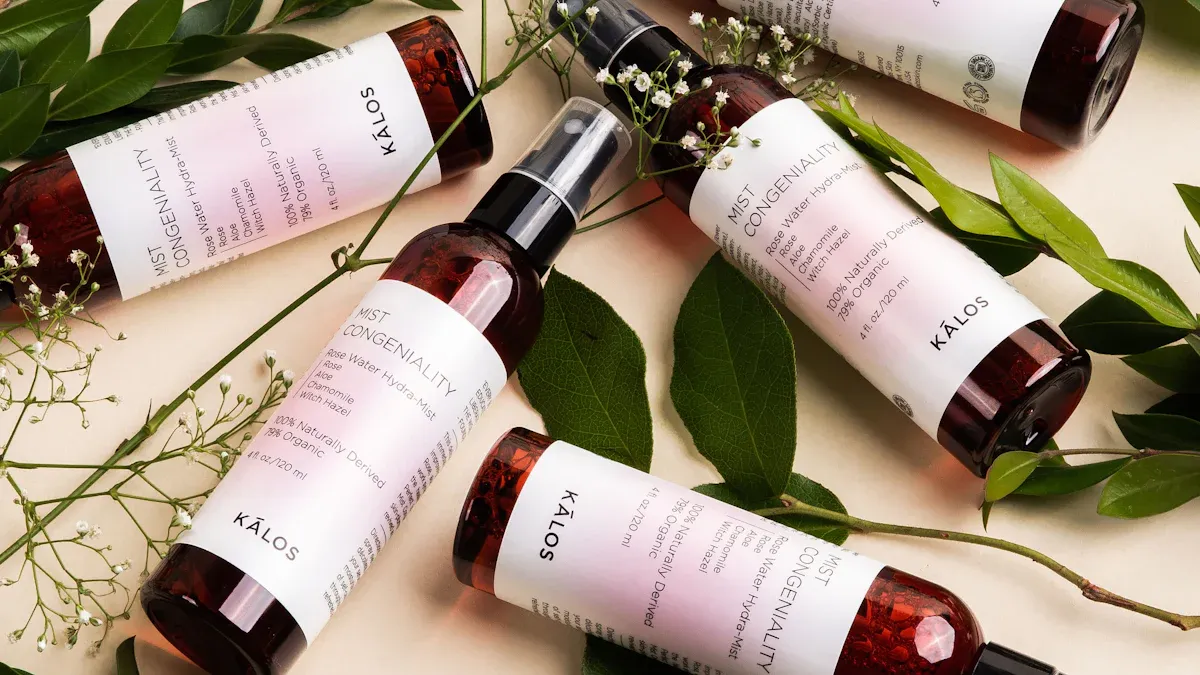
Understanding skincare ingredients is vital for maintaining healthy skin, and a comprehensive Skincare Ingredients Guide can help you navigate this essential aspect of beauty. You may not realize that 72% of consumers consider organic ingredients important when choosing products. Additionally, 65% of beauty buyers closely examine labels, while 66% want clear ingredient lists to identify harmful components. These statistics show that knowledge empowers you to make informed choices.
Specific ingredients highlighted in a Skincare Ingredients Guide can significantly impact your skin health. For instance, retinol stimulates cell turnover and improves texture, while vitamin C brightens your complexion and evens skin tone. By learning about these ingredients through a Skincare Ingredients Guide, you can enhance your skincare routine and address your skin’s unique needs effectively.
Key Takeaways
Understanding skincare ingredients helps you choose products that suit your skin type and needs.
Key ingredients like retinol, vitamin C, and niacinamide offer specific benefits, such as improving texture and reducing dark spots.
Always check ingredient lists to avoid harmful chemicals and allergens that can irritate your skin.
Layer your skincare products from thinnest to thickest for better absorption and effectiveness.
Perform patch tests before trying new products to prevent allergic reactions and ensure they work for your skin.
Importance of Skincare Ingredients

Understanding Skin Health
Understanding skincare ingredients is crucial for maintaining healthy skin. Each ingredient plays a unique role in supporting skin functions. For example, certain ingredients can enhance hydration, while others may protect against environmental damage. Here are some key benefits of specific ingredients:
Prebiotics nourish beneficial bacteria on your skin. They help maintain a diverse microbiome, which is essential for a healthy skin barrier.
Postbiotics are byproducts from probiotics that can improve skin health. They regulate pH, enhance moisture retention, and provide anti-inflammatory effects.
Fermented ingredients are broken down into smaller molecules. This process improves absorption and efficacy, strengthening the skin barrier and boosting hydration.
Research supports these benefits. A study showed that using Lactobacillus strains combined with topical ectoin led to significant improvements in skin hydration and elasticity. Another trial found that fermented lysates enhanced skin barrier function and reduced water loss. These findings highlight how specific ingredients can positively impact your skin health.
Making Informed Choices
When you understand skincare ingredients, you can make informed choices about the products you use. Ingredient awareness enhances your perception of quality, safety, and efficacy. Brands that emphasize specific ingredients often build consumer trust. Transparency about ingredient sourcing and benefits helps you feel confident in your product selections.
Choosing products without understanding their ingredient lists can lead to risks. Here are some potential dangers:
Risk Type | Description |
|---|---|
Health Hazards | Many skincare products contain harmful chemicals that can lead to long-term health issues. |
Allergic Reactions | Ingredients like fragrances and sulfates can trigger skin irritations and allergic responses. |
Misleading Marketing Terms | Terms like ‘natural’ can be misleading, as products may still contain harmful synthetic ingredients. |
By being aware of these risks, you can better protect your skin and overall health. Always check ingredient lists and choose products that align with your skin’s needs.
Essential Skincare Ingredients
Ceramides
Ceramides are essential lipids that play a crucial role in maintaining your skin barrier. They form a protective layer that locks in moisture and prevents environmental aggressors from penetrating your skin. Ceramides make up about 50% of the lipid matrix in your skin, acting as a ‘glue’ that holds skin cells together. This function enhances hydration and resilience against external stressors.
Deficiencies in ceramides can lead to various skin conditions, such as atopic dermatitis and psoriasis. By ensuring adequate levels of ceramides, you can effectively repair and maintain your skin barrier, reducing the risk of dryness and irritation. Products containing ceramides can significantly improve your skin’s hydration and moisture balance.
Retinoids
Retinoids, derived from vitamin A, are powerful ingredients known for their anti-aging properties. They stimulate collagen production and enhance skin cell renewal, which improves skin texture and firmness. Retinoids can also help reduce fine lines, wrinkles, and dark spots, making them a popular choice for those seeking youthful skin.
Clinical studies have shown that retinoids can lead to significant improvements in skin appearance. For example, a study found that retinol application resulted in a marked reduction in fine wrinkles after just 12 weeks. However, it’s essential to start with lower concentrations to minimize potential side effects, such as skin irritation and increased sensitivity to sunlight.
Antioxidants
Antioxidants are vital for protecting your skin from oxidative stress caused by environmental factors like pollution and UV rays. They work by neutralizing free radicals, which can damage skin cells and accelerate aging. Some of the most effective antioxidants include:
Vitamin C: This powerful antioxidant brightens your skin and improves skin tone. It also supports collagen production, helping to maintain skin elasticity.
Vitamin E: Often paired with vitamin C, it enhances skin hydration and strengthens the skin barrier.
Resveratrol: Found in red grapes, it protects against UV damage and reduces hyperpigmentation.
Incorporating antioxidants into your skincare routine can help improve skin texture and overall appearance. Research indicates that topical vitamin C can lead to significant improvements in skin color, elasticity, and smoothness.
Vitamin C
Vitamin C is a standout ingredient in skincare due to its ability to improve skin tone and texture. It combats free radicals, enhances collagen production, and reduces dark spots. Clinical studies show that consistent use of vitamin C can lead to visible improvements in skin appearance.
For optimal results, look for products with a concentration of around 15% vitamin C. This level is effective for absorption while minimizing irritation. Regular application can help diminish dark spots and improve overall skin radiance.
Niacinamide
Niacinamide, also known as vitamin B3, offers a multitude of benefits for your skin. It strengthens the skin barrier by increasing ceramide production, which helps retain moisture and protect against environmental damage. Additionally, niacinamide has anti-inflammatory properties that can alleviate redness and irritation, making it effective for conditions like acne and rosacea.
Here are some key benefits of niacinamide:
Regulates oil production: This is particularly beneficial for oily and acne-prone skin.
Improves skin elasticity: It enhances skin firmness and health.
Reduces hyperpigmentation: Niacinamide inhibits melanin synthesis, helping to achieve a more uniform skin tone.
Incorporating niacinamide into your skincare routine can lead to long-term improvements in skin health, making it a versatile ingredient for various skin concerns.
Best Ingredients for Skin Types
Oily Skin
If you have oily skin, you need ingredients that control excess oil and prevent breakouts. Here are some of the best ingredients for your skin:
Niacinamide (Vitamin B3): Regulates sebum production and minimizes pores.
Salicylic Acid (BHA): Penetrates pores to dissolve excess oil and prevent breakouts.
Zinc PCA: Reduces oiliness and soothes irritation.
Aloe Vera: Provides lightweight hydration without clogging pores.
Witch Hazel Extract: Tightens pores and reduces surface oil.
Salicylic acid is particularly effective. It prevents keratin buildup, allowing dead skin cells to shed easily. This action helps maintain normal sebum flow and reduces the risk of clogged pores. A 2015 study found salicylic acid effective in reducing inflammatory acne lesions.
Dry Skin
For dry skin, focus on ingredients that provide deep hydration and restore the skin barrier. Consider these options:
Hyaluronic Acid: Holds up to 1,000 times its weight in water, drawing moisture to the skin’s surface.
Ceramides: Improve skin barrier function and lock in moisture.
Argan Oil: Packed with vitamins, it helps counter dryness.
Shea Butter: Rich in fatty acids, it smooths and soothes the skin.
Glycerin: Reduces flakiness and balances skin’s pH levels.
Humectants like hyaluronic acid attract moisture, while emollients like shea butter soften and smooth the skin. Together, they help alleviate dryness effectively.
Sensitive Skin
Sensitive skin requires gentle ingredients that minimize irritation. Here are some suitable choices:
Aloe Vera
Calendula
Chamomile
Ceramides
Honey
These ingredients soothe and calm the skin. Aloe vera, for instance, hydrates while reducing redness. Ceramides strengthen the skin barrier, making it less prone to irritation.
Combination Skin
Combination skin needs a balanced approach. Look for ingredients that address multiple concerns:
Ingredient Combination | Benefits |
|---|---|
Niacinamide and Hyaluronic Acid | Calms irritation and hydrates, promoting a healthier complexion. |
Salicylic Acid and Niacinamide | Unclogs pores while calming and balancing oil, aiding in acne control. |
Peptides and Hyaluronic Acid | Supports skin structure and locks in moisture for plumper skin. |
Combining these ingredients can enhance their effectiveness, allowing them to work together to address various skin concerns.
Incorporating Ingredients into Your Skincare Routine
Layering Products
Layering your skincare products correctly can enhance their effectiveness. Follow this order for optimal results:
Cleanser: Start with a cleansing product to prepare your skin.
Toner: Apply toner after cleansing to remove any remaining impurities.
Spot Treatment: Use spot treatments for targeted issues right after cleansing or toning.
Serums: Apply serums next, as they contain high concentrations of active ingredients and are lightweight for better absorption.
Moisturizer: Follow with a moisturizer to lock in hydration.
SPF: Finish with sunscreen to protect your skin.
Remember to layer products from thinnest to thickest. Always apply products with the highest percentage of active ingredients first. This method ensures that your skin absorbs the beneficial components effectively.
Frequency of Use
Using active ingredients like retinoids and acids requires careful consideration of frequency. Here are some tips:
Start with a small amount of retinoid once a week. Gradually increase the frequency based on your skin’s tolerance.
Avoid mixing AHAs/BHAs with retinol in the same routine to prevent irritation.
Use acids on alternate nights or as a cleanser to minimize irritation when using retinol.
By following these guidelines, you can enjoy the benefits of your skincare routine without overwhelming your skin.
Patch Testing
Before introducing new ingredients, always perform a patch test. This simple step can save you from potential skin issues. Here’s why patch testing is essential:
Preventing Allergic Reactions: It helps identify allergens before they affect a larger area of skin.
Identifying Sensitivities: You can discover sensitivities to certain ingredients that may cause irritation.
Ensuring Treatment Efficacy: Negative reactions can hinder the effectiveness of skincare treatments.
By taking these precautions, you can ensure that your skincare routine works well for your skin type.
Understanding skincare ingredients empowers you to make informed choices. You can enhance your skin health by selecting products that contain beneficial components. Consider your skin type when exploring new products. For example, if you have oily skin, look for ingredients like salicylic acid. If your skin is dry, opt for hyaluronic acid or ceramides. By tailoring your skincare routine to your unique needs, you can achieve healthier, more radiant skin. 🌟
FAQ
What are the best ingredients for acne-prone skin?
For acne-prone skin, look for salicylic acid, niacinamide, and tea tree oil. These ingredients help reduce oiliness, unclog pores, and soothe inflammation.
How often should I use retinoids?
Start with retinoids once a week. Gradually increase usage to every other night as your skin builds tolerance. Always apply sunscreen during the day.
Can I mix different active ingredients?
Yes, but be cautious. Avoid combining strong acids with retinoids in the same routine. This can cause irritation. Instead, alternate their use.
What is the role of antioxidants in skincare?
Antioxidants protect your skin from free radicals caused by pollution and UV rays. They help prevent premature aging and improve overall skin health.
How do I know if a product is suitable for my skin type?
Check the ingredient list for components that target your specific concerns. For example, oily skin benefits from lightweight, oil-free products, while dry skin needs rich moisturizers.