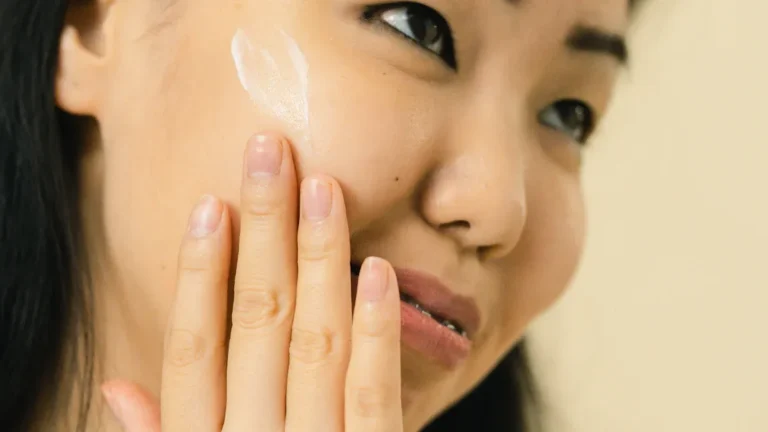
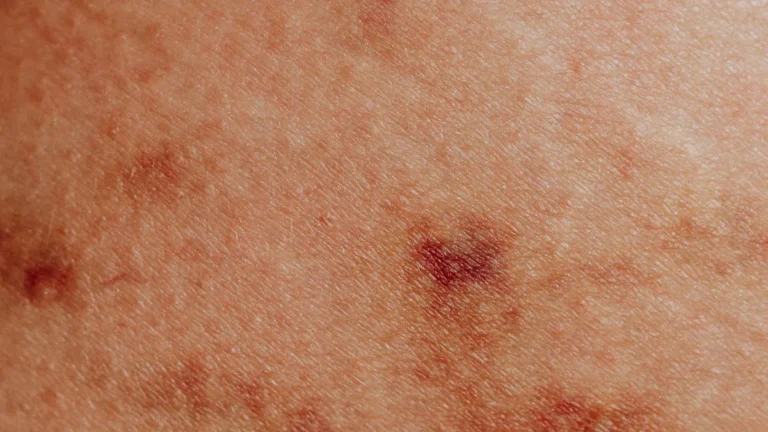
After a facial, skin often remains temporarily more permeable and reactive. Makeup might be tolerated the same day in some cases, but experts usually advise waiting 12 to 24 hours, with 24 hours offering the most caution. Deeper treatments can require longer. Redness, heat, stinging, or tightness suggest the barrier is still recovering. The next step depends on the type of facial and the products used.
Can You Wear Makeup After a Facial?
Yes—most skincare professionals recommend waiting 12 to 24 hours after a facial before applying makeup, allowing the skin barrier to settle, pores to tighten, and treatment products to absorb fully.
This makeup timing supports the post facial glow while reducing the chance of congestion, irritation, or breakouts, especially after exfoliation or extractions.
For many skin types, the following day is a practical return point, and gentle, hydrating facials might permit light coverage sooner unless redness has faded.
In group settings such as weddings or work events, the safest approach is to protect the freshly treated skin with minimal, non-comedogenic products and clean tools.
That approach helps maintain the shared goal of calm, resilient, camera-ready skin without undermining the facial’s benefits.
How Long Should You Wait Before Makeup?
Most professionals advise waiting 12 to 24 hours before applying makeup after a facial, with 24 hours serving as the safest general benchmark for skin recovery. This window supports makeup timing basics by allowing pores to settle, residue to clear, and products to integrate fully.
For many people, the following morning is acceptable after a mild treatment, while more intensive exfoliation usually warrants a longer pause. Early application can reduce post facial skin comfort by causing foundation to sit unevenly or clog freshly treated areas.
When makeup is resumed, lightweight, non-comedogenic formulas are generally preferred, especially in communal settings where skin can feel more exposed. A measured delay helps preserve treatment benefits and supports a calm, polished finish.
What Makes Skin Sensitive After a Facial?
After a facial, skin often becomes temporarily more reactive because the treatment has disturbed the surface barrier and accelerated cell turnover. This skin barrier disruption reduces the skin’s ability to retain moisture and defend against external irritants, making even routine products feel more noticeable.
Temporary redness sensitivity may also appear as blood flow increases in response to cleansing, exfoliation, or extractions. Whenever the outer layer is freshly refined, pores can remain more exposed and the skin can stingle more easily from pigments, fragrances, and occlusive textures.
For individuals seeking a polished result, this phase is usually short-lived, but it signals that the skin needs a calmer interval before makeup is applied. Gentle support during this window helps preserve comfort and maintains the treatment’s benefits.
Which Facial Types Need More Wait Time?
Deep cleansing facials, chemical peels, and microneedling typically require a longer makeup delay because they create more barrier disruption and post-procedure sensitivity.
Chemical peels, especially glycolic, lactic, or TCA-based treatments, might necessitate 24–48 hours or several days before cosmetics are resumed.
Microneedling recovery often warrants similar caution until erythema and surface irritation have resolved.
Deep Cleansing Facials
Facials involving intensive exfoliation, extractions, or chemical resurfacing generally require a longer recovery interval before makeup is applied.
Deep cleansing facials often leave the stratum corneum temporarily disrupted, so post facial redness and mild swelling might persist for several hours.
In that window, makeup can trap heat, increase occlusion, and irritate freshly treated pores.
Extraction recovery is especially vital because opened follicles remain more vulnerable to congestion and bacterial transfer.
Most skin types benefit from waiting 12 to 24 hours, and longer in case tenderness remains.
As soon as makeup must be worn sooner, light mineral or non-comedogenic formulas are best.
Shared guidance from clinicians helps individuals feel informed and included while protecting recovery, comfort, and the facial’s benefits.
Chemical Peel Treatments
Chemical peel treatments typically require the longest makeup-free recovery period because they intentionally exfoliate the skin at a controlled depth. Superficial glycolic or lactic peels often need 24–48 hours; medium-strength trichloroacetic acid peels usually require 7–10 days, or until peeling ends. | Peel type | Wait time | Rationale |
| — | —: | — |
|---|---|---|
| Light acid | 24–48 h | barrier is recovering |
| Medium acid | 7–10 d | visible shedding occurs |
| Deep peel | clinician directed | tissue remodeling continues |
| Sensitive skin | longer | irritation risk rises |
During this interval, post peel hydration supports barrier repair, while acid safe pigments and noncomedogenic formulas reduce clinging to dry patches. Professional guidance helps clients feel included without compromising results. Makeup should resume only as soon as stinging, flaking, and redness have settled, preserving both comfort and treatment benefit.
Microneedling Recovery
Microneedling generally requires a longer makeup-free recovery than a basic hydrating facial because the procedure creates controlled microchannels in the skin barrier. Clinical guidance typically favors 24 hours, and sometimes 48 hours, before cosmetics, allowing wound healing and skin barrier repair to proceed without added occlusion or contamination. This longer wait is especially relevant after deeper needle depths or visible erythema.
- Less redness means safer makeup tolerance
- Fewer clogged channels supports recovery
- Clean tools reduce bacterial exposure
- Minimalists feel included in calmer skin care routines
When makeup is resumed, mineral, non-comedogenic, lightweight formulas are preferred, with gentle application over intact areas only. Whenever stinging, swelling, or pinpoint bleeding persists, waiting longer is prudent. Individual response varies, so professional aftercare instructions remain the most reliable guide.
When Should You Skip Makeup After a Facial?
Makeup should be skipped for at least 12–24 hours after most facials, and longer after more intensive treatments, because the skin barrier needs time to recover and pores need time to settle.
This makeup free recovery period supports barrier repair and reduces the chance that products will sting or clog freshly treated skin.
Whenever post facial redness is still visible, applying foundation too soon could aggravate irritation, especially after exfoliation or extractions.
Mild hydrating facials might allow makeup the next morning, but chemical peels, glycolic treatments, and deeper resurfacing often require 24–48 hours or more.
A shared rule among skin-care professionals is simple: whenever tightness, heat, or flushing remains, makeup should wait until calm, comfortable skin returns.
What Makeup Is Best for Fresh Skin?
Fresh post-facial skin is generally best matched with mineral makeup, non-comedogenic formulas, and other low-irritation products.
Lightweight, light-coverage options such as tinted moisturizer or sheer foundation reduce pore occlusion and are less likely to accentuate exfoliated or sensitive areas.
Heavy, occlusive, or highly fragranced products are less suitable because they can increase irritation and compromise recovery.
Mineral Makeup Choices
Mineral-based makeup is often the most suitable option for skin that has recently undergone a facial, because it tends to be lighter, less occlusive, and less likely to aggravate sensitivity. Its finely milled pigments can support a calm mineral powder finish while preserving the post-treatment glow many people want to maintain.
Mineral blush benefits include softer color payoff and reduced friction during application.
- lower likelihood of heavy buildup
- easier blending over tender areas
- familiar comfort for cautious users
- a polished look without excess weight
Clinically, the priority is minimal disturbance: thin layers, clean tools, and avoidance of rubbing.
For individuals wanting to feel included and confident, mineral formulas can offer a reassuring bridge between recovery and social plans, without overpowering freshly treated skin.
Non-Comedogenic Formulas
These products typically rely on non comedogenic ingredients that limit heavy occlusives, making them more suitable for recently treated skin.
Breathable makeup formulas can help maintain comfort while allowing the complexion to recover without added strain.
Evidence-based guidance favors oil-free, fragrance-light, and dermatologist-tested options if makeup is necessary within the initial day after treatment.
This approach supports a cleaner finish and reduces the chance of irritation or post-facial breakouts.
For individuals seeking to feel included in a polished routine, selecting compatible formulas helps preserve results while still allowing confident public presentation.
Light Coverage Options
When makeup is necessary after a facial, light coverage is generally the most skin-compatible option. Sheer tint options and breathable base layers reduce friction, occlusion, and the likelihood of clogging freshly treated pores. Mineral tinted moisturizers, tinted SPF, and thin concealers typically outperform heavy foundation because they preserve the skin barrier and allow residual redness to settle. Application should remain localized, with clean tools and minimal layering over nonirritated areas.
- Softer finish
- Lower congestion risk
- Better comfort
- More confidence
Clinical guidance favors formulas labeled non-comedogenic, oil-free, and fragrance-light. Whenever exfoliation or extraction was performed, waiting longer remains prudent. For many patients, restraint supports both recovery and a polished appearance, helping them feel included without sacrificing skin health.
How Do You Apply Makeup Without Clogging Pores?
To reduce the risk of clogged pores after a facial, makeup should be applied sparingly with breathable, oil-free, non-comedogenic formulas that are less likely to occlude the skin. Lightweight mineral foundation, tinted moisturizer, or sheer concealer can create breathable makeup layers without heavy buildup.
Application should begin only after clean brush hygiene is confirmed; brushes, sponges, and hands should be washed and fully dried to limit bacterial transfer. Product should be pressed on in thin, even coats rather than rubbed, especially over areas treated with exfoliation or extractions.
High-pigment, long-wear, and rich cream textures are less suitable because they might trap residue within freshly opened pores. At removal, a gentle cleanser should be used to prevent leftover makeup from settling overnight and compromising recovery.
How Do You Know Your Skin Is Ready?
Skin readiness after a facial is best judged through visible and tactile signs rather than the clock alone. Clinicians assess skin readiness signs by noting whether redness has faded, stinging has stopped, and texture feels calm. Post facial comfort cues include reduced warmth, no tightness, and even hydration across the cheeks and T-zone.
- Skin appears uniformly settled
- Touch produces no tenderness
- Moisturizer absorbs without burning
- Exfoliated patches are no longer visible
When these findings are present, light, non-comedogenic makeup is usually tolerated. Should active peeling, persistent flushing, or sensitivity remains, application ought to wait.
This approach protects barrier recovery and helps people feel included in a routine that respects skin health while still allowing a polished appearance.
Frequently Asked Questions
Can I Wear Makeup if My Facial Included Extractions?
No, makeup is usually best delayed 24 hours after extractions. About 70 percent of clients notice redness initially. Extraction healing improves once pores close, skin sensitivity settles, and only non comedogenic products are resumed.
Does Sweating After a Facial Affect Makeup Application?
Yes, sweating after a facial can disrupt makeup setting by increasing sweat irritation, loosening product, and clogging pores. Waiting until the skin cools and dries, then using lightweight, non-comedogenic formulas, best preserves comfort and makeup longevity.
Should I Use Primer After a Facial?
Primer should usually wait after a facial because freshly treated skin can rebel dramatically. Allow skin prep to settle for 12 to 24 hours then choose a non comedogenic gentle primer only provided no irritation remains.
Can I Apply Sunscreen Instead of Foundation Post-Facial?
Yes, sunscreen can replace foundation after a facial provided skin tolerates it. Mineral broad spectrum formulas offer sunscreen coverage and post facial protection reducing irritation while preserving comfort. Heavy products should still be avoided for 12 to 24 hours.
Is Mineral Makeup Better Than Liquid Makeup After a Facial?
Mineral makeup is usually better than liquid makeup after a facial because mineral coverage is lighter, less occlusive and often better tolerated by sensitive skin. It reduces clogging risk, especially when applied sparingly after healing.