The luxury beauty market continues to thrive, with a valuation of approximately USD 48.37 billion in 2022. You can expect this figure to rise to around USD 75.16 billion by 2030. This growth reflects your increasing interest in premium products that promise quality and efficacy. Recent surveys show that while mass-market options grow at 4%, consumers are shifting towards luxury alternatives, emphasizing the value they place on superior formulations. As you explore this Luxury Beauty Guide, understanding key ingredients, quality assessments, and the true value of these products becomes essential.
Key Takeaways
Understand key active ingredients like Vitamin C and Hyaluronic Acid to make informed choices about luxury skincare.
Prioritize brands that emphasize sustainability and ethical sourcing to align with your values as a conscious consumer.
Evaluate product quality by considering formulation techniques and the sourcing of raw materials for better results.
Focus on the effectiveness of ingredients rather than just the price to find the best skincare products for your needs.
Consider cost-per-use when evaluating luxury products, as refillable options can lead to long-term savings.
Luxury Ingredients
Key Active Ingredients
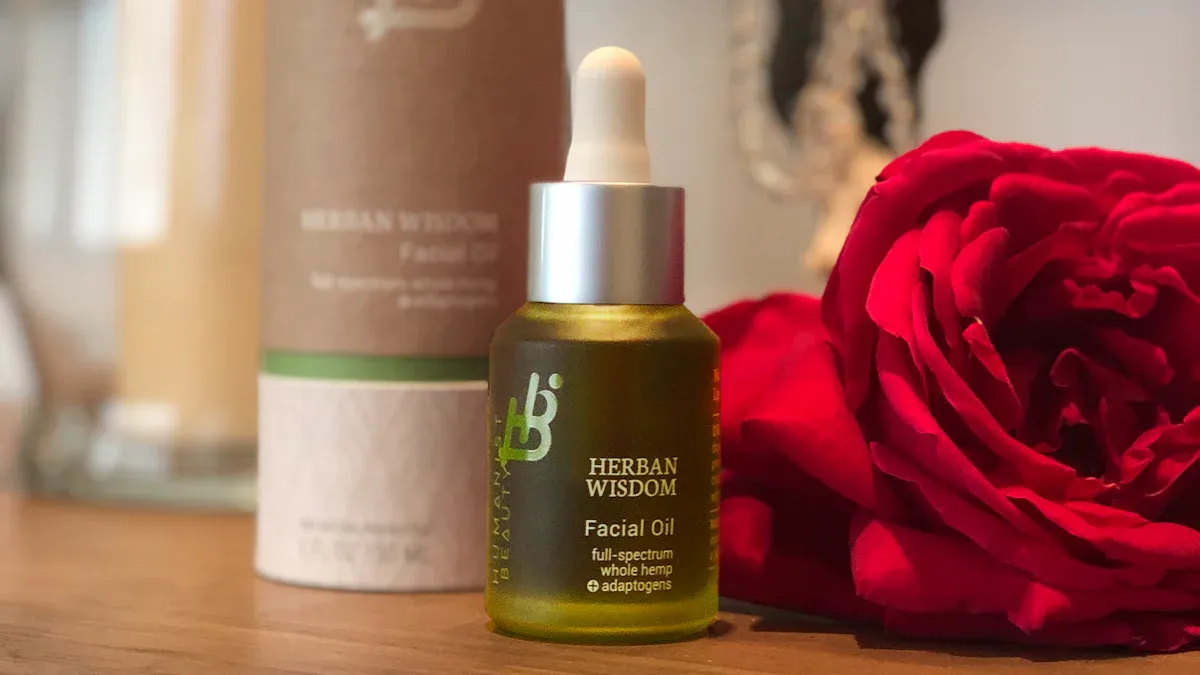
When you explore luxury cosmetics, you will often encounter a range of active ingredients that promise to enhance your skin’s appearance and health. Understanding these ingredients can help you make informed choices. Here are some common active ingredients found in luxury skincare products and their proven functions:
Active Ingredient | Proven Function |
|---|---|
Vitamin C | Potent antioxidant, brightens skin, boosts collagen production and amino acids. |
Hyaluronic Acid | Deeply hydrates and plumps the skin, reducing fine lines. |
Glycolic Acid (AHA) | Exfoliates the skin’s surface, improving texture and radiance. |
Salicylic Acid (BHA) | Penetrates pores to exfoliate, reducing acne and blackheads. |
Azelaic Acid | Reduces hyperpigmentation, calms inflammation, and fights acne. |
These active ingredients play a crucial role in the effectiveness of luxury beauty products. They often come in higher concentrations compared to non-luxury brands, which focus on enhancing skin appearance rather than targeting specific concerns. Luxury products typically contain lower concentrations of active ingredients, leading to slower results. In contrast, medical-grade products use higher concentrations for quicker and more noticeable effects.
Benefits of Natural Formulations
Natural formulations in luxury skincare offer several advantages that appeal to conscious consumers. Here are some key benefits:
Photoprotection: Plant-derived components help protect your skin from UV radiation and environmental pollutants.
Anti-aging: Ingredients like aloe and ginseng have been validated for their efficacy in reducing signs of aging.
Hydration: Many natural formulations provide moisture and improve skin hydration levels.
Pigmentation correction: Certain herbs effectively address skin pigmentation issues.
Anti-irritation: Traditional herbs are suitable for sensitive skin, reducing irritation and promoting skin health.
Luxury beauty brands prioritize responsible sourcing of natural ingredients. They emphasize ethical practices and often seek certifications like COSMOS and Ecocert to validate their sustainability claims. These certifications ensure compliance with strict criteria for organic content and non-animal testing.
However, it is essential to consider the environmental impacts of sourcing natural ingredients. The beauty industry generates significant packaging waste, and sourcing natural oils can lead to habitat destruction. Brands are increasingly aware of these issues and strive to support sustainable practices, such as sourcing from local farmers and reducing water usage.
By understanding the key active ingredients and the benefits of natural formulations, you can make informed decisions about the luxury beauty products you choose. This knowledge empowers you to select products that align with your values and skincare goals.
Quality Assessment
Formulation Insights
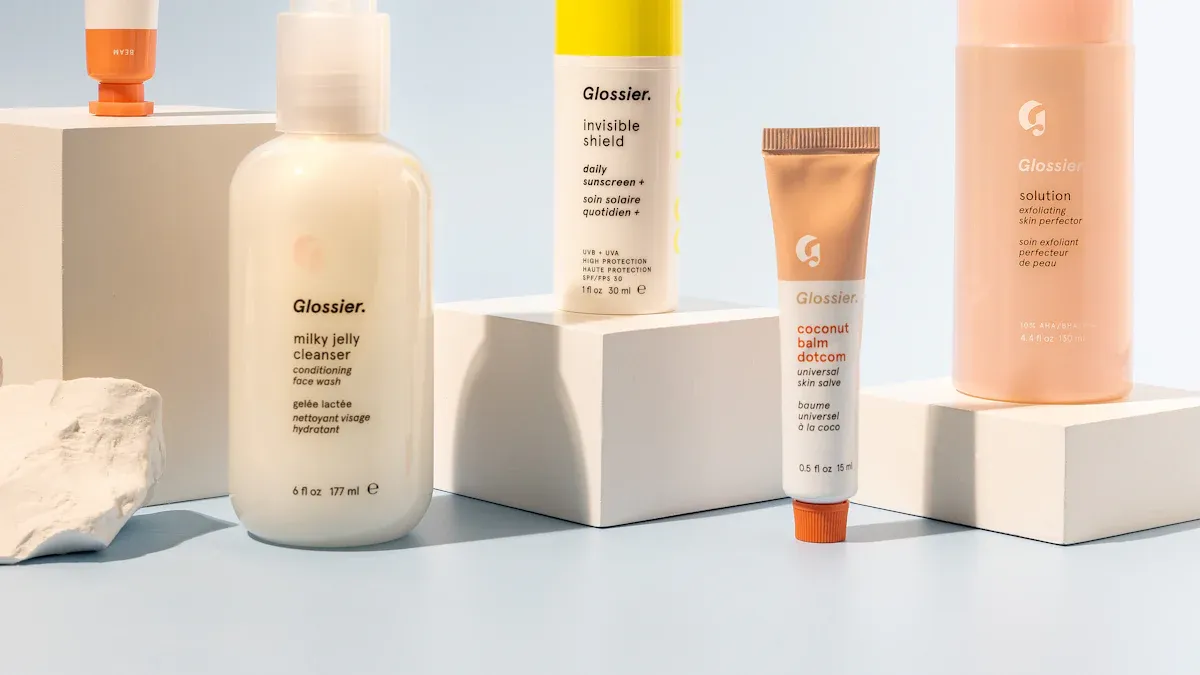
Evaluating the quality of luxury cosmetics begins with understanding their formulation. Luxury brands often employ unique techniques that set them apart from mainstream products. Here are some key formulation techniques:
Technique | Description |
|---|---|
Focus on skin health | Luxury brands prioritize skin health over mere coverage, integrating skincare benefits into makeup. |
Biotechnology for lab-grown ingredients | Utilizes biological processes to create nature-identical ingredients, enhancing efficacy and sustainability. |
AI for personalized formulations | Employs artificial intelligence to tailor products to individual skin needs, offering a customized experience. |
These advanced techniques enhance the effectiveness of luxury products. They ensure that active ingredients penetrate deeper into the skin, providing better and longer-lasting results. Additionally, luxury brands often conduct rigorous clinical testing to validate product claims, ensuring safety and efficacy. This commitment to quality often exceeds standard industry practices.
When assessing the quality of luxury cosmetics, consider the sourcing of ingredients. High-quality raw materials are essential. Brands that prioritize ethical sourcing often undergo rigorous testing to ensure the integrity of their products. Here are some aspects to consider:
Sourcing and Validating Raw Materials: Luxury brands vet suppliers and conduct laboratory testing to maintain quality.
Upholding Quality Standards: A robust monitoring system ensures consistent quality across the supply chain.
Navigating Regulatory Diversity: Manufacturers adapt to various regional regulations, impacting formulation and labeling practices.
Embracing Innovation: Advanced technologies like AI and blockchain enhance quality control and supply chain transparency.
Fostering a Culture of Quality: A commitment to quality from all employees, supported by ongoing education, is essential for consistently high-quality products.
Brand Reputation
Brand reputation plays a crucial role in the luxury beauty sector. A strong reputation correlates with product performance and customer satisfaction. Studies show that brand loyalty is influenced by factors such as confidence, social benefits, and special treatment. Emotional evaluations, alongside utilitarian exchanges, significantly impact customer satisfaction and loyalty.
To build and maintain consumer trust, luxury brands must focus on transparency and authenticity. Over a third of luxury consumers prioritize brands that demonstrate honesty. Aligning brand values with consumer values is essential, especially in today’s market. According to McKinsey, brand trust significantly impacts over 70% of skincare purchase decisions. This highlights that loyalty is built on relationships rather than just product efficacy.
Value in Luxury Skincare
Price vs. Effectiveness
When you consider luxury skincare, you might wonder if the price reflects the product’s effectiveness. Many luxury products come with high price tags due to premium packaging and marketing costs. However, these factors do not always guarantee better results. Here are some key points to consider:
Luxury skincare often includes high-quality ingredients, but effective formulations matter more than price.
You can find similar performance in drugstore products that contain effective ingredients like ceramides and glycerin.
Consistent use and proper application significantly influence the effectiveness of any skincare product, regardless of its price.
Dermatologists often recommend medical-grade skincare for more significant results over time. They base their suggestions on clinical research, ensuring safety and effectiveness. Personalized solutions tailored to your skin type can enhance your skincare routine’s overall effectiveness.
Understanding Cost-Per-Use
Cost-per-use is an essential factor when evaluating luxury skincare products. While the initial price may seem high, consider the longevity of the product. Here are some insights:
Refillable or sustainable packaging options may have a higher upfront cost but lead to long-term savings.
Refill options are generally more economical than repeatedly purchasing new products.
As longevity becomes a priority for many consumers, luxury brands innovate to incorporate scientific advancements, enhancing perceived value.
Many misconceptions exist about luxury skincare. The belief that higher prices guarantee better results is common. While some luxury products feature high-quality ingredients, many budget-friendly brands offer equally effective formulations. Focus on ingredient quality rather than just cost to find the best products for your beauty routines.
In summary, navigating the luxury beauty landscape requires you to understand key ingredients, quality assessments, and value considerations. As you make choices, remember these insights:
Insight | Detail |
|---|---|
Sustainability | 70% of luxury buyers prioritize eco-friendly practices in brand selection. |
Emotional Connections | Emotional ties significantly influence your purchasing decisions. |
Experience Over Products | Today’s luxury consumers value experiences over mere products. |
The luxury cosmetics market continues to evolve, focusing on personalization and sustainability. By staying informed, you can make choices that align with your values and enhance your beauty routine.
FAQ
What are active ingredients in luxury beauty products?
Active ingredients are the key components that provide specific benefits to your skin. They target concerns like aging, hydration, and pigmentation. Understanding these ingredients helps you choose products that enhance your beauty routines effectively.
How can I assess the sustainability of a brand?
You can evaluate a brand’s sustainability by checking their sourcing practices, packaging materials, and certifications. Look for brands that prioritize eco-friendly initiatives and transparency in their operations to align with your values as a consumer.
Why is brand reputation important in luxury skincare?
Brand reputation influences your trust in product performance. A strong reputation often indicates quality and customer satisfaction. Consumers tend to choose brands that demonstrate authenticity and align with their personal values.
How do I determine the right luxury skincare routine for my skin type?
Start by identifying your skin type and concerns. Research products with active ingredients that address your specific needs. Consider consulting a dermatologist for personalized recommendations to enhance your skincare routine.
Are luxury skincare products worth the investment?
Luxury skincare products often feature high-quality ingredients and advanced formulations. While price does not always guarantee effectiveness, many consumers find that these products enhance their beauty routines and deliver noticeable results.