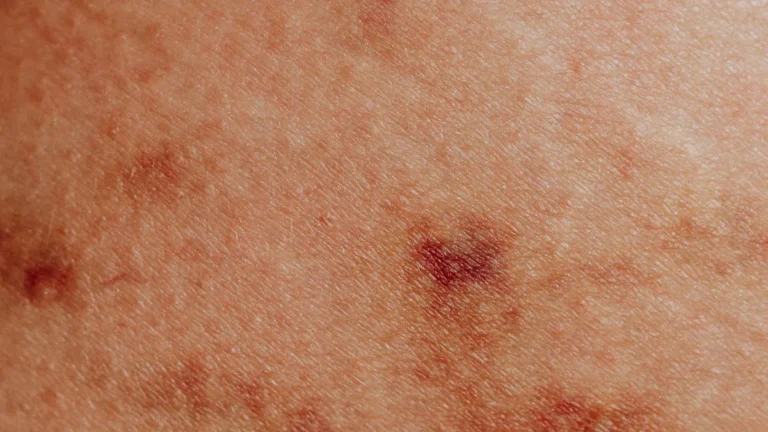
Active ingredients play a crucial role in skincare, and it’s essential to introduce active ingredients thoughtfully. They specifically target skin issues and enhance overall skin health. However, these powerful compounds can also cause irritation if not introduced carefully. Dermatological studies show that ingredients like retinol and peptides yield measurable outcomes, improving skin regeneration and hydration. To achieve the best results, you should take a cautious approach when introducing active ingredients into your routine. Doing so allows your skin to adjust and helps prevent adverse reactions.
Key Takeaways
Introduce one active ingredient at a time to monitor skin reactions effectively.
Perform a patch test before using new products to identify potential irritations.
Gradually increase the frequency of use to build skin tolerance and minimize irritation.
Always use sunscreen when incorporating active ingredients to protect your skin from UV damage.
Be patient; visible results from active ingredients may take 4 to 12 weeks.
What Are Active Ingredients?
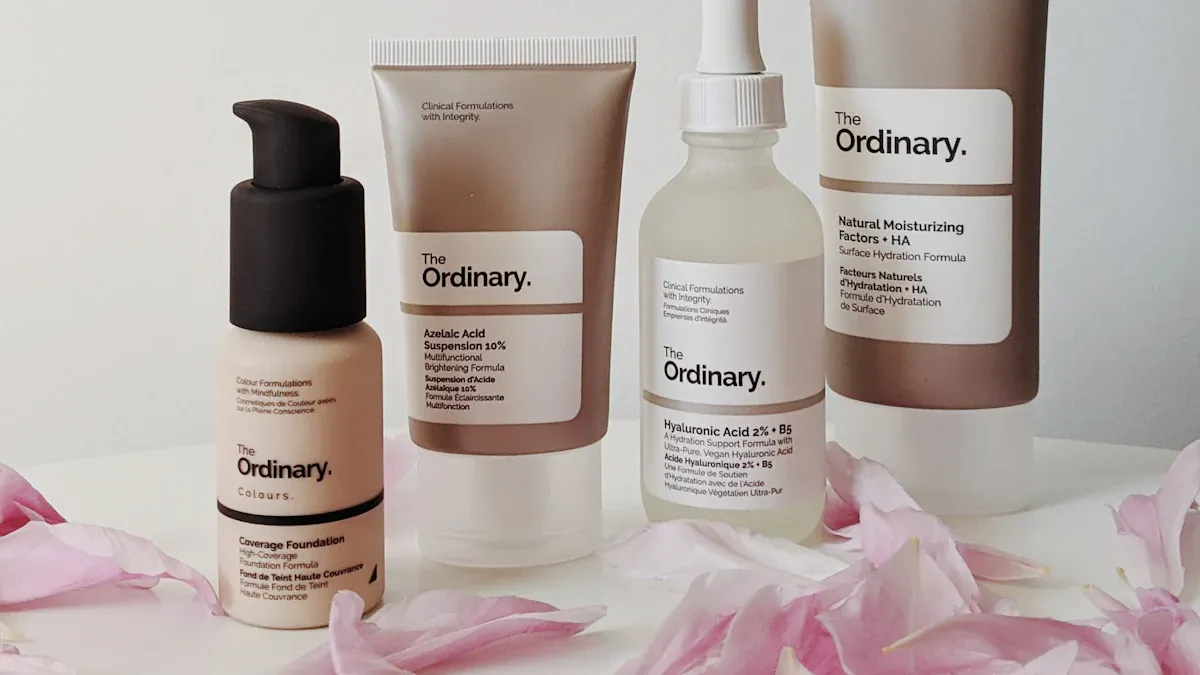
Active ingredients serve as the workhorses of your skincare routine. They target specific skin concerns and produce measurable changes in your skin. These components provide pharmacological activity, meaning they can affect your skin’s structure and function. Before reaching the market, active ingredients undergo rigorous testing for safety and effectiveness.
Common Types of Active Ingredients
You will find various active ingredients in skincare products. Here are some common active ingredients and their primary functions:
Active Ingredient | Primary Function |
|---|---|
Hyaluronic Acid | Boosts hydration and helps skin retain moisture. |
Vitamin C | Brightens skin, fights free radicals, evens skin tone, and boosts collagen. |
Niacinamide (Vitamin B3) | Strengthens skin barrier, reduces inflammation, controls oil, and minimizes pores. |
AHAs (e.g., Glycolic Acid) | Exfoliates skin surface, brightens, and smooths texture. |
BHAs (e.g., Salicylic Acid) | Penetrates pores to unclog and combat acne. |
Benefits of Active Ingredients
Incorporating active ingredients into your skincare routine can lead to significant benefits. They can help reduce fine lines and wrinkles, improve skin texture, and enhance hydration. Clinical studies show that using active ingredients can improve superficial hydration and skin brightness. For example, professional-grade products often contain higher concentrations of active ingredients like retinoids and peptides, which can effectively stimulate collagen production.
By understanding the role of these active ingredients, you can make informed choices about your skincare products. This knowledge empowers you to address specific concerns, such as reducing hyperpigmentation or combating signs of aging.
Patch Testing for Safety
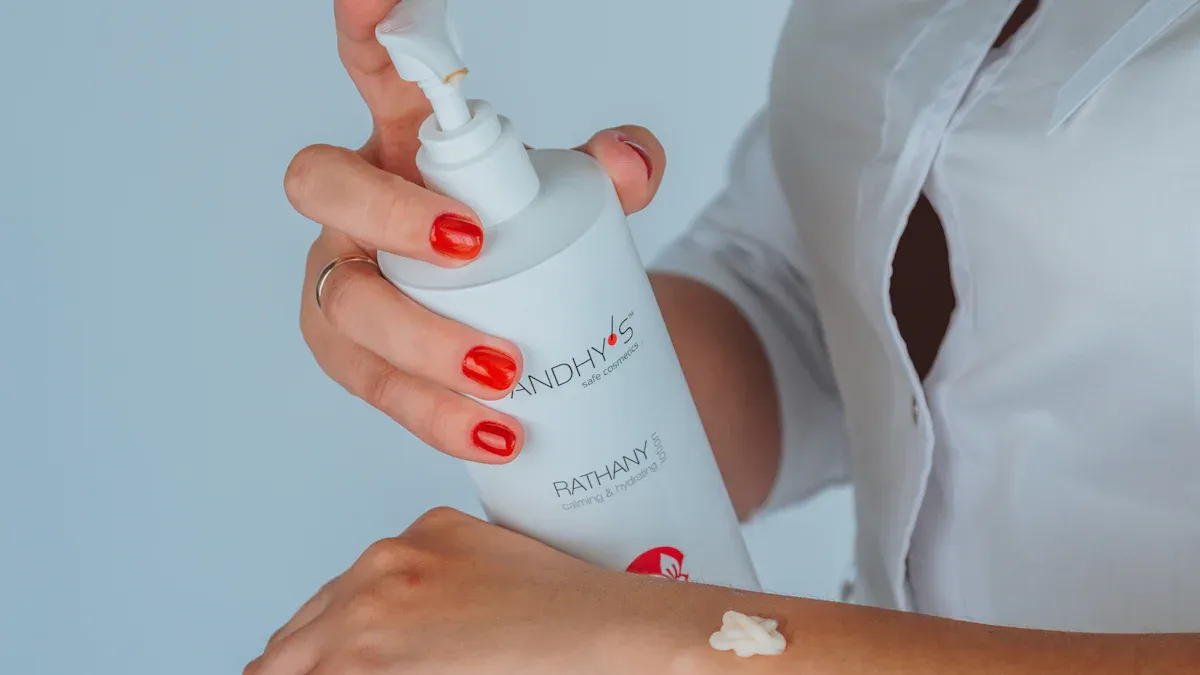
Before introducing new active ingredients into your skincare routine, you should perform a patch test. This simple procedure helps you identify any potential allergic reactions or irritations. Here’s how to conduct a patch test safely.
How to Perform a Patch Test
Follow these guidelines to ensure accurate results:
Step | Description |
|---|---|
Preparation | On the morning of your test, shower and apply deodorant. Avoid lotions, creams, or ointments on the testing area. Continue medications on other body parts. Avoid activities that may shift patches. Keep long hair off your back and wear a button-down shirt with older clothing. |
Visit 1 | Apply patches to your back and leave them for 48 hours. |
Visit 2 | Remove the patches and check your skin for early reactions. |
Visit 3 | Review final results after another 48 hours to assess delayed reactions. |
Dermatologists recommend conducting patch testing for 7 to 10 days to effectively assess skin sensitivity. This duration helps rule out delayed hypersensitivity reactions.
Interpreting Results
After completing your patch test, observe your skin closely. Look for any signs of irritation, which may include:
Sign of Irritation | Description |
|---|---|
Redness | Discoloration on lighter skin tones or dark brown, purple, or gray on darker skin tones. |
Itching | A common symptom indicating irritation or an allergic reaction. |
Burning | A sensation that may accompany other signs of irritation. |
Blistering | Formation of blisters indicating a severe reaction. |
Rash | A visible skin reaction that can indicate contact allergy or sensitivity. |
If you notice any adverse reactions, wash the area with a gentle cleanser. Apply a fragrance-free cream or lotion to minimize further irritation. According to studies, about 1–5.4% of individuals report adverse reactions during patch testing of skincare products. Additionally, 68.4% of participants had at least one positive reaction to personal care product allergens.
By following these steps and guidelines, you can safely introduce active ingredients into your skincare routine. Remember, taking the time to patch test can save you from potential discomfort and help you achieve the best results for your skin.
Gradual Introduction of Active Ingredients
Introducing active ingredients gradually is essential for achieving optimal results without overwhelming your skin. This approach allows your skin to adjust and helps prevent irritation. Here’s how to start slow and build up frequency effectively.
Starting Slow
When you begin incorporating active ingredients, focus on introducing one product at a time. This method helps you monitor your skin’s reactions and identify any potential irritations. Clinical studies highlight that combining multiple active ingredients can lead to unpredictable effects. Misinterpreting irritation as efficacy can result in negative outcomes. Therefore, you should wait at least two weeks before adding another new product.
Here are some tips for starting slow:
Begin with a low concentration of the active ingredient.
Use the product 1-2 times per week initially.
Buffer the active ingredient with a moisturizer to minimize irritation.
This gradual approach allows your skin to build tolerance over time. For potentially irritating actives like retinol or AHAs, consider starting at low concentrations and low frequencies. Gradually increase usage every two weeks, aiming for a full 8-12 weeks to reach your desired frequency.
Building Up Frequency
Once your skin shows no signs of irritation, you can start to increase the frequency of use. Here’s how to safely combine active ingredients and build up your routine:
Monitor Your Skin: Pay attention to how your skin reacts as you increase frequency. If you notice any irritation, scale back to your previous routine.
Combine Active Ingredients Wisely: Avoid combining vitamin C with AHAs or BHAs initially. These combinations can lead to irritation and reduce the effectiveness of the ingredients.
Layering Techniques: When layering products, apply the most potent actives first, followed by lighter formulations. This method helps maintain the stability of the ingredients.
By following these steps, you can safely combine active ingredients while minimizing the risk of irritation. Remember, building tolerance takes time, and consistency is key for achieving stable results.
Gradual introduction not only preserves your skin barrier but also helps you identify sensitivities. This structured approach allows you to manage your skin health effectively.
Risks of Rapid Introduction
Rapidly introducing multiple active ingredients can lead to several risks:
Skin irritation and barrier damage may occur from overlapping actives.
Reduced efficacy can happen if ingredients deactivate each other.
Clogged pores and breakouts may result from conflicting product formulations.
Taking the time to introduce active ingredients gradually ensures that you can enjoy the benefits without compromising your skin’s health.
Monitoring Skin Reactions
When you introduce active ingredients into your skincare routine, monitoring your skin reactions is crucial. This step helps you identify any potential issues early on.
Signs of Irritation
You should watch for several signs of irritation after using active ingredients. Common reactions include:
Redness: Look for any discoloration on your skin. This can indicate irritation.
Dryness: If your skin feels tight or flaky, it may be reacting negatively.
Itching: Persistent itching can signal an allergic reaction or sensitivity.
Burning Sensation: A burning feeling upon application often suggests irritation.
Rashes: Maculopapular rashes or urticarial reactions can occur, affecting your comfort.
Research shows that approximately 10% of the general population experiences side effects, hypersensitivity, or allergy-related irritation from cosmetics. Therefore, being vigilant about your skin’s response is essential.
When to Consult a Professional
Knowing when to seek professional advice can help you avoid severe reactions. Here’s a guide to help you decide:
Type of Reaction | Description |
|---|---|
Mild Reaction | Symptoms like dryness, possible redness, peeling, or purging; normal initial response to actives. |
Irritant Contact Dermatitis | Burning, stinging, or itchy red rash upon application; common with irritating ingredients. |
Allergic Contact Dermatitis | Severe reactions like redness, swelling, itching, hives, or blisters; diagnosed through allergy tests. |
Extreme Reaction | Symptoms causing faintness, unwellness, or difficulty breathing; requires immediate medical help. |
If you notice any of these reactions, especially extreme ones, consult a dermatologist. They can provide guidance and treatment options tailored to your needs.
By monitoring your skin closely and understanding these signs, you can safely enjoy the benefits of active ingredients while minimizing the risk of irritation.
Layering and Compatibility
When it comes to skincare, layering products properly is essential for maximizing their effectiveness. The order in which you apply your products can significantly impact how well your skin absorbs them. Here are some best practices for layering your skincare products:
Cleanse Your Face: Start with a clean slate. Use a gentle cleanser to remove dirt and impurities.
Apply Thinnest to Thickest: Follow the rule of applying products from lightest to heaviest. This ensures that each product penetrates your skin effectively.
Incorporate Serums After Toner: After applying a toner, use serums for targeted treatments. Serums contain concentrated active ingredients that can address specific skin concerns.
Finish with Moisturizer: Seal in hydration with a suitable moisturizer. This step helps protect your skin and keeps it hydrated.
Tip: Allow each product a few minutes to absorb before applying the next one. This practice prevents pilling and enhances absorption.
Understanding pH levels is also crucial for the compatibility of active ingredients. The pH of your skincare products can affect their stability and effectiveness. For example, L-ascorbic acid, a form of vitamin C, requires a low pH (between 2.5 and 3.5) to remain stable. If the pH rises, it can oxidize and lose potency. Similarly, alpha hydroxy acids like glycolic acid work best in an acidic environment (pH 3 to 4) to effectively exfoliate the skin.
Here’s a table showing the optimal pH ranges for some common active ingredients:
Active Ingredient | Optimal pH Range | Effect on Efficacy and Stability |
|---|---|---|
Glycolic Acid | 3.2 – 3.9 | Exfoliates optimally; neutralized to reduce irritation. |
Salicylic Acid | 3 – 4 | Enhances penetration in acidic conditions. |
Retinol | 4 – 6.6 | Stable; degrades in alkaline environments. |
Niacinamide | 4 – 6 | Hydrolyzes to niacin at extreme pH levels. |
Benzoic Acid | < 6 | Loses antimicrobial activity when ionized in alkaline. |
Sorbic Acid | < 5.5 | Unstable in neutral-to-alkaline formulations. |
Parabens | 5 – 8 | Hydrolyze in strongly alkaline solutions (> pH 8.5). |
Maintaining the right pH balance is vital for ensuring that your active ingredients work effectively. Always check the pH levels of your products to ensure compatibility. This knowledge helps you layer products properly and achieve the best results for your skin.
Remember, using a broad-spectrum sunscreen during the day is crucial when incorporating active ingredients. This step protects your skin from UV damage and helps maintain its health.
Introducing active ingredients into your skincare routine requires a careful approach. Here are some key takeaways to remember:
Less is more: Focus on one key ingredient for at least 4–6 weeks.
Patience is key: Allow 30–40 days to see visible effects.
SPF 50+ is mandatory: Protect your skin from UV damage when using active ingredients.
Always introduce new products gradually. Start with a patch test to identify any reactions. Avoid combining multiple strong actives at once. By doing this, you can minimize irritation and ensure your skin remains healthy. Remember to listen to your skin; it will guide you in finding the right balance for your routine.
FAQ
What should I do if my skin reacts negatively to an active ingredient?
If your skin shows irritation, stop using the product immediately. Cleanse the area gently and apply a soothing moisturizer. Monitor your skin for further reactions. If irritation persists, consult a dermatologist for advice.
How long does it take to see results from active ingredients?
You can expect to see visible results from active ingredients within 4 to 12 weeks. Factors like skin type and the specific ingredient can affect this timeline. Consistency in your routine is key.
Can I use multiple active ingredients at once?
Using multiple active ingredients can lead to irritation. Start with one ingredient at a time. Once your skin adjusts, you can gradually introduce others. Always monitor your skin’s response to avoid adverse reactions.
Are there any active ingredients that help with pigmentation?
Yes, ingredients like vitamin C and niacinamide can help reduce pigmentation. They work by brightening the skin and evening out skin tone. Incorporate these ingredients gradually for the best results.
Should I use sunscreen when using active ingredients?
Absolutely! Using sunscreen is crucial when incorporating active ingredients. Many of these ingredients can increase sun sensitivity. A broad-spectrum SPF 30 or higher protects your skin from UV damage.