Hydration vs moisturizing play different roles in skincare. Hydration refers to adding water to your skin, while moisturizing involves using oils and occlusive agents to lock in that moisture. Many people confuse hydration vs moisturizing. For instance, some believe that drinking eight glasses of water daily is enough to keep your skin hydrated. Others think a light moisturizer suffices for hydration. Understanding these differences between hydration vs moisturizing is crucial for effective skincare. Proper hydration and moisturization can significantly improve your skin’s texture and overall health.
Key Takeaways
Hydration adds water to your skin, making it plump and elastic. Use products with humectants like hyaluronic acid for best results.
Moisturizing seals in moisture and creates a protective barrier. Look for occlusive ingredients like petrolatum to prevent water loss.
Tailor your skincare routine to your skin type. Choose products that address your specific needs for hydration and moisture.
Apply hydrating products first, followed by moisturizers. This layering technique maximizes the benefits of both types of products.
Stay consistent with your skincare routine. Regular hydration and moisturization keep your skin healthy and radiant.
What is Hydration?
Hydration is the process of providing water to your skin. It plays a vital role in maintaining your skin’s health and appearance. When your skin is well-hydrated, it can better retain moisture and protect against external elements. This process involves the skin’s ability to hold water, which is crucial for its elasticity and overall function.
Hydration Benefits
Hydration significantly affects your skin’s texture and elasticity. When you drink enough water, you may notice improvements in your skin’s appearance. Here are some key benefits of proper hydration:
Improved Skin Texture: Well-hydrated skin feels softer and smoother. Increased hydration helps to soften the outer layer of your skin, known as the stratum corneum. This softening occurs due to hygroscopic proteins that attract moisture, enhancing your skin’s overall texture.
Enhanced Elasticity: Hydration boosts your skin’s elasticity, making it more resilient. Studies show that increased hydration correlates positively with skin deformability. This means that hydrated skin can stretch and bounce back more effectively, reducing the appearance of fine lines and wrinkles.
Temporary Effects: While hydration provides immediate benefits, its effects can be temporary. For instance, if you apply a hydrating product, you may notice instant plumpness. However, this effect may diminish over time without consistent hydration practices.
Key Ingredients: Certain ingredients are particularly effective for hydration. Hyaluronic acid is one of the most popular hydrating agents. It can hold up to 1,000 times its weight in water, making it a powerhouse for hydration for the face. Other effective hydrating ingredients include glycerin, aloe vera, and sugar, all of which help draw moisture into the skin.
What is Moisturizing?
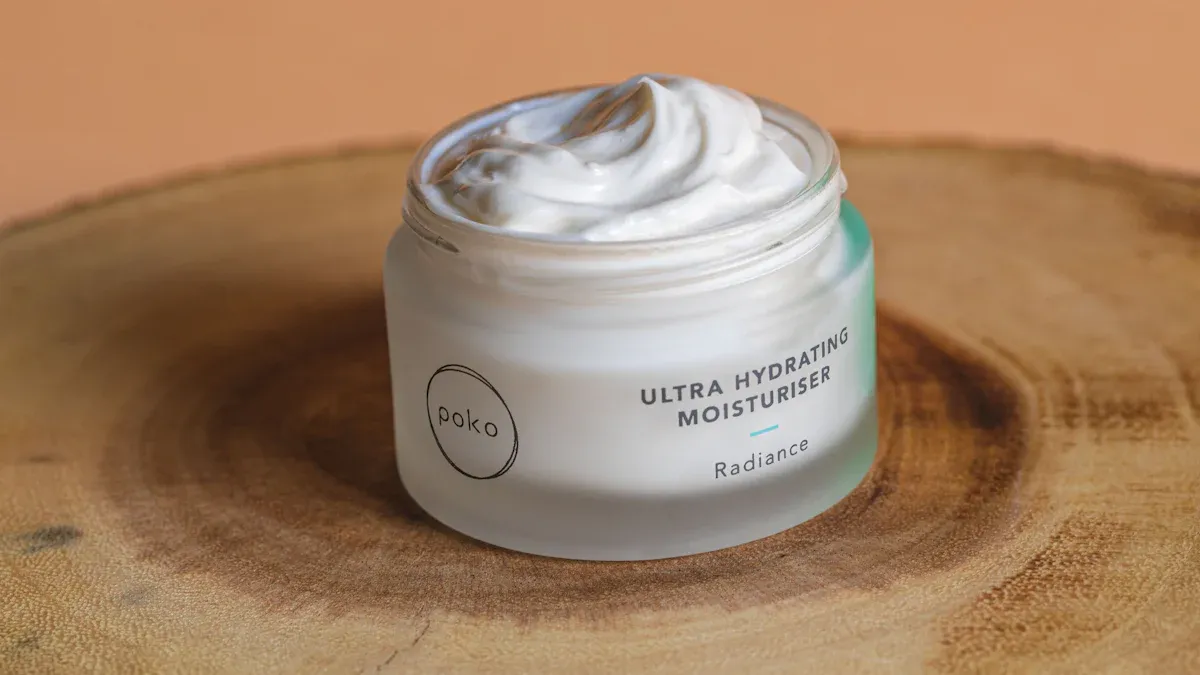
Moisturizing involves using oils and occlusive agents to keep your skin hydrated. It serves three primary functions in skincare:
Provide hydration: Moisturizers help attract and retain water in your skin.
Prevent evaporation: They create a barrier that stops transepidermal water loss (TEWL).
Smooth the skin: Moisturizers enhance your skin’s texture, making it feel softer and more supple.
Moisturization Benefits
Moisturizers play a crucial role in maintaining your skin’s health. They help prevent dehydration and keep your skin looking youthful. Here are some key benefits of moisturization:
Prevention of Water Loss: Moisturizers create a hydrophobic barrier on the skin’s surface. This barrier physically blocks water from escaping, which is essential for maintaining hydration.
Fortification of the Skin’s Lipid Barrier: The skin’s upper layers contain lipids that are vital for keeping moisture in. When these lipids are damaged, your skin can become dehydrated. Moisturizers replenish these lipids, enhancing the skin’s barrier function. This helps to prevent dryness and irritation.
Common Ingredients: Effective moisturizers often contain a mix of ingredients that work together to hydrate and protect your skin. Here are some common types of ingredients found in moisturizers:
Humectants: These ingredients attract water to the skin. Examples include glycerin, hyaluronic acid, and urea.
Emollients: These smooth and soften the skin. Ingredients like squalane, ceramides, and fatty acids fall into this category.
Occlusives: These lock in moisture and prevent TEWL. Petrolatum, beeswax, and lanolin are typical occlusive agents.
Ingredient | Benefits |
|---|---|
Glycerin | Draws water into the skin, supports barrier repair, and maintains hydration levels. |
Squalane | Replaces lipids, strengthens the barrier, reduces water loss, and improves skin elasticity. |
Shea Butter | Nourishes, protects, and calms inflammation while sealing in moisture and providing antioxidants. |
Understanding the role of moisturizers in your skincare routine is essential. They not only hydrate but also protect your skin from environmental factors that can lead to dryness and irritation.
Hydration vs Moisturizing: Key Differences
Understanding the difference between hydration and moisture is essential for effective skincare. Hydration involves increasing the water content of your skin, much like quenching thirst. In contrast, moisturizing focuses on enhancing your skin barrier and sealing in that moisture. Here are some key differences:
Hydration:
Adds water to the skin, keeping it plump and elastic.
Uses hydrating ingredients like humectants, which attract and retain moisture.
Moisturization:
Seals in moisture to prevent evaporation.
Utilizes occlusives that create a barrier on the skin’s surface.
Both hydration and moisturizing are necessary for optimal skin health. Think of hydration as adding water to a sponge, making it plump and elastic. Moisturization acts like wrapping that sponge in cling film to keep the water from escaping. Without proper hydration, your skin may feel tight and look dull. Conversely, without effective moisturization, your skin can become dry and flaky.
Aspect | Hydration | Moisturization |
|---|---|---|
Role | Adds water to the skin, keeping it plump and elastic. | Seals in moisture to prevent evaporation and maintain skin barrier integrity. |
Key Ingredients | Humectants like glycerin and hyaluronic acid. | Occlusives like petrolatum and beeswax. |
Function | Supports collagen function and nutrient transport. | Provides a protective layer to prevent moisture loss. |
Consequences of Deficiency | Leads to sagging, fine lines, and increased sensitivity. | Results in dry, flaky skin and compromised barrier function. |
Environmental factors also influence your need for hydration versus moisturizing. In low-humidity environments, your skin may lose water more rapidly. This situation necessitates the use of humectants that attract moisture from the air. To combat dehydration, especially in dry conditions, occlusives are needed to seal in moisture.
By understanding these differences, you can better tailor your skincare routine to meet your skin’s needs.
Choosing the Right Products
Selecting the right products for hydration and moisturization can greatly impact your skin’s health. Here are some tips to help you make informed choices:
Product Recommendations
Read Ingredient Labels: Understanding what’s in your products is crucial. Look for ingredients that indicate hydration or moisturization. Here are some key ingredients to watch for:
Hyaluronic Acid (HA): A powerful humectant that can hold up to 1,000 times its weight in water.
Glycerin: A widely-used humectant that enhances hydration.
Amino Acids: Help mimic and replenish the skin’s natural hydration abilities.
Know Your Skin Type: Different skin types require different ingredients. Use the following table to guide your choices:
Skin Type
Recommended Ingredients
Product Type Suggestions
Dry Skin
Shea butter, lactic acid
Gentle, hydrating cleansers (milky or cream)
Oily Skin
Alpha hydroxy acids, benzoyl peroxide, hyaluronic acid
Products that control sebum and hydrate
Sensitive Skin
Aloe vera, oatmeal, shea butter
Moisturizers that are gentle and non-comedogenic
Types of Products: Dermatologists recommend several effective products for hydration and moisturization:
CeraVe Moisturizing Cream: Contains ceramides and hyaluronic acid, which help maintain the skin’s protective barrier and lock in hydration.
SkinCeuticals Triple Lipid Restore 2:4:2: Known for its ability to restore the skin barrier.
La Roche-Posay Toleriane Double Repair Face Moisturizer: Recognized for its hydrating properties.
Layering Products: To maximize the effectiveness of your skincare routine, layer products from thinnest to thickest. Start with hydrating serums, then apply moisturizers to lock in hydration. This method enhances absorption and ensures your skin receives the full benefits of each product.
By following these guidelines, you can create a skincare routine that effectively hydrates and moisturizes your skin, leading to a healthier and more radiant complexion.
Tailoring Your Skincare Routine
Creating a skincare routine that combines hydration and moisturization is essential for maintaining healthy skin. Follow these steps to build an effective routine:
Start with Hydration: Begin with light, water-based formulations. Apply hydrating serums first, especially those containing hyaluronic acid. These serums absorb quickly and provide immediate hydration.
Seal with Moisturization: After applying your hydrating serum, follow up with heavier, oil-based formulations. Use creams or oils to lock in the benefits of the serums and retain moisture.
Ingredient Synergy: Combine active ingredients effectively. For example, pairing hyaluronic acid with amino acids can enhance hydration and improve skin resilience.
Frequency of Application Based on Skin Type
Your skin type influences how often you should apply hydrating and moisturizing products. Here’s a quick guide:
Normal Skin: Use lotion for seasonal dryness. If you are older, switch to cream-based moisturizers for added hydration.
Dry Skin: Opt for thicker creams or ointments, especially during winter months. These products provide extra moisture and help combat dryness.
Oily Skin: You might skip moisturizer or use a lighter gel. This approach prevents clogging pores while still providing necessary hydration.
Combination Skin: Focus on moisturizing dry areas while avoiding oily zones, particularly in the T-zone. This targeted approach helps balance your skin.
For oily skin types, applying a non-comedogenic, oil-free moisturizer after cleansing and toning is crucial. This step ensures your skin receives hydration without excess oil production. A lightweight moisturizer, like the Youth to the People Superfood Air-Whip Moisture Cream, offers hydration without a greasy feel.
By tailoring your skincare routine to your specific skin type, you can effectively incorporate both hydration and moisture, leading to healthier, more radiant skin.
Understanding the difference between hydration and moisturizing is essential for achieving healthy skin. Hydration adds moisture to your skin, making it plump and elastic. In contrast, moisturizing seals in that moisture, creating a protective barrier.
To maintain optimal skin health, consider these key points:
Hydrated skin feels soft and elastic, while moisturized skin has a smooth outer barrier.
Dehydrated skin can feel tight or dull, while dry skin may appear flaky or rough.
Choose products based on your skin type to effectively address your specific needs.
By assessing your skin type, you can create a skincare routine that enhances your complexion and keeps your skin looking its best.
FAQ
What is the best way to hydrate my skin?
To hydrate your skin effectively, use products with humectants like hyaluronic acid. Apply these after cleansing to draw moisture into your skin. Drinking plenty of water also helps keep your skin hydrated from within.
How often should I moisturize?
You should moisturize at least twice a day, once in the morning and once at night. This routine helps lock in moisture and keeps your skin barrier healthy. Adjust frequency based on your skin type and environmental conditions.
Can I use hydrating hair products on my skin?
While hydrating hair products can provide moisture, they are not formulated for skin. Use products specifically designed for skin hydration to ensure safety and effectiveness. Look for ingredients like glycerin or aloe vera for optimal results.
What role does shampoo play in hydration?
Shampoo primarily cleanses your hair and scalp. Some shampoos contain hydrating ingredients that help maintain moisture. However, always follow up with a conditioner to lock in hydration and prevent dryness.
How do I choose the right conditioning product for my hair?
Select conditioning products based on your hair type. For dry hair, look for rich, moisturizing conditioners. For oily hair, choose lightweight formulas. Always check for hydrating ingredients to ensure your hair stays healthy and nourished.