Address
304 North Cardinal
St. Dorchester Center, MA 02124
Work Hours
Monday to Friday: 7AM - 7PM
Weekend: 10AM - 5PM
Address
304 North Cardinal
St. Dorchester Center, MA 02124
Work Hours
Monday to Friday: 7AM - 7PM
Weekend: 10AM - 5PM

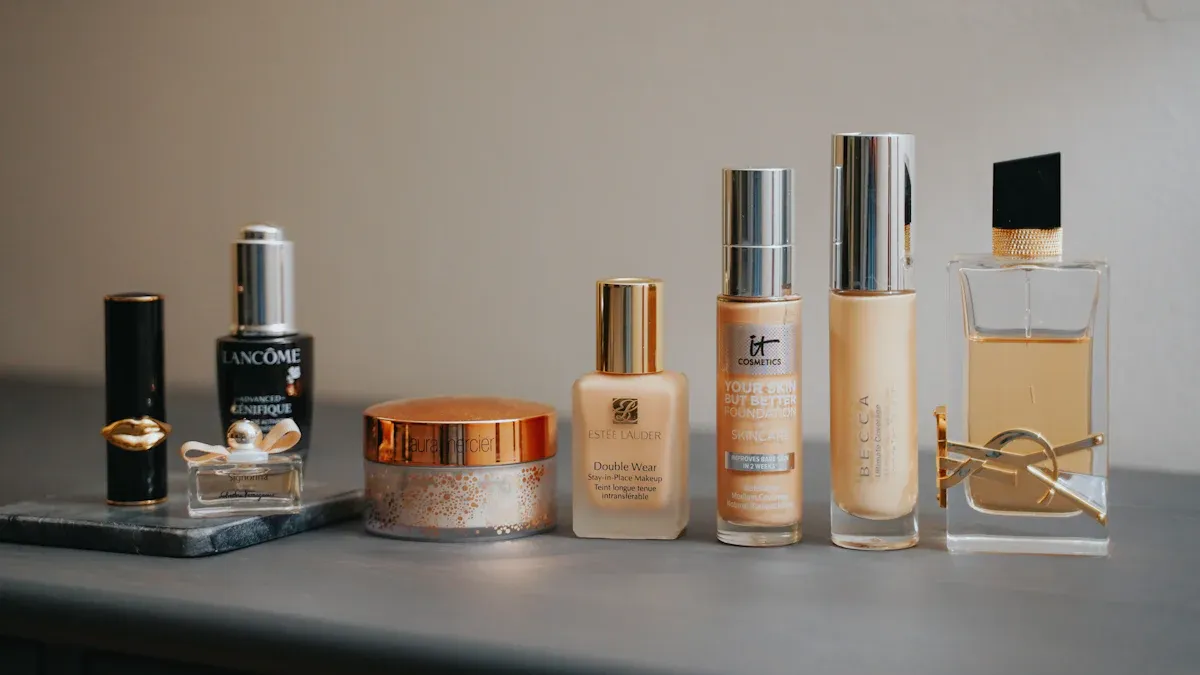
Understanding beauty ingredient labels is crucial for making informed choices about your skincare products, especially in the realm of luxury beauty. With so many options available, you might feel overwhelmed by the scientific jargon and complex terminology. This confusion can lead to poor purchasing decisions. For instance, many consumers struggle with conflicting advice and often overlook effective alternatives outside the luxury beauty range. By simplifying the process of reading beauty labels, you can navigate the luxury beauty world with confidence and clarity.
When you look at an ingredient list on luxury beauty products, the order matters a lot. Ingredients are listed in descending order of concentration. This means that the first few ingredients make up the bulk of the product. Here’s how it works:
Ingredients above 1%: These are listed first, in order of how much is in the product.
Ingredients below 1%: These can be listed in any order after the main ingredients. So, just because an ingredient appears lower on the list doesn’t mean it’s not important. It might still play a crucial role in the formulation.
Understanding this order helps you make better choices. You might think that if an ingredient is at the bottom, it’s not effective. But that’s not always true! Some ingredients, even in small amounts, can be very beneficial for your skin.
The International Nomenclature of Cosmetic Ingredients (INCI) is a standardized system for naming ingredients in beauty products. This format is essential because it ensures transparency. Each ingredient is listed by its INCI name, which often includes the Latin name of the plant and details about how it’s prepared. This helps you identify ingredients easily, especially if you have allergies or sensitive skin.
Here’s why the INCI format is important:
It provides consistency across products, making it easier for you to compare different brands.
It helps you understand what’s in your beauty products without confusion.
By knowing how to read ingredient lists and understanding the INCI format, you empower yourself to make informed decisions about the luxury beauty products you choose.
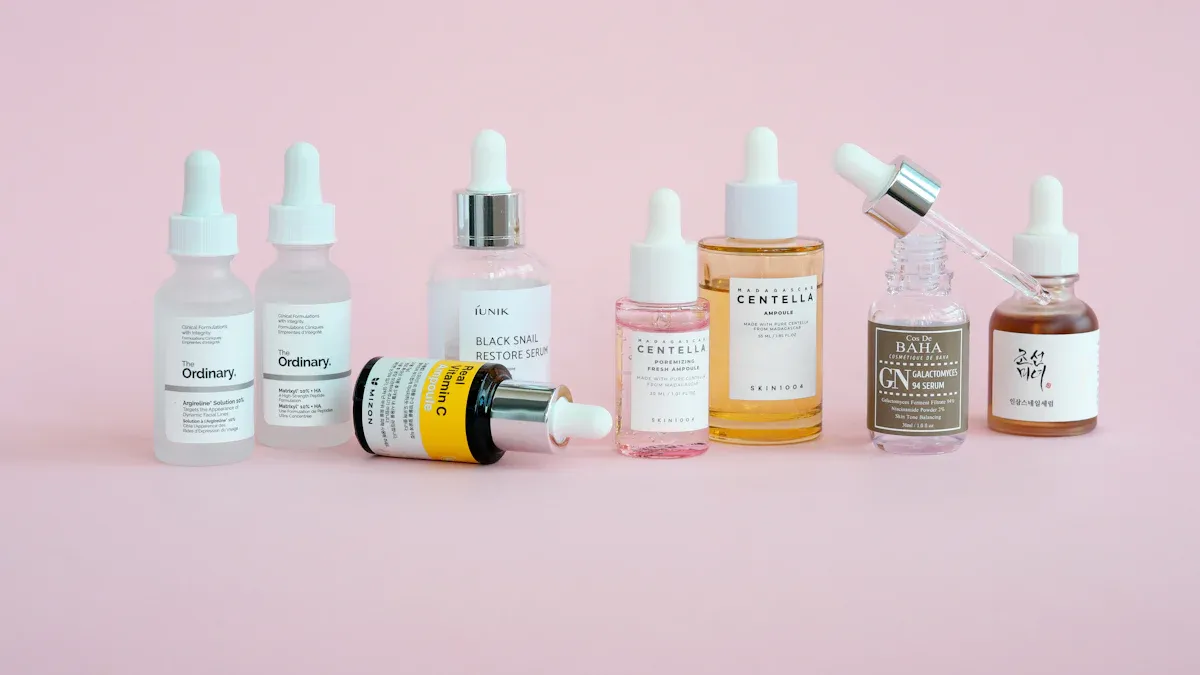
When you explore luxury beauty products, you’ll often find a range of beneficial ingredients that can enhance your skin’s health. Here are some of the most common ones:
Essential Oils: These oils, like rose and lavender, offer therapeutic effects. Rose oil is known for its regenerative properties, while lavender oil helps balance the skin.
Natural Botanical Extracts: Ingredients such as chamomile and green tea provide powerful antioxidants. They soothe irritation and reduce inflammation, making them great for sensitive skin.
Advanced Anti-Aging Ingredients: Look for retinol, peptides, and vitamin C derivatives. These ingredients target multiple signs of aging, promoting a youthful and radiant complexion.
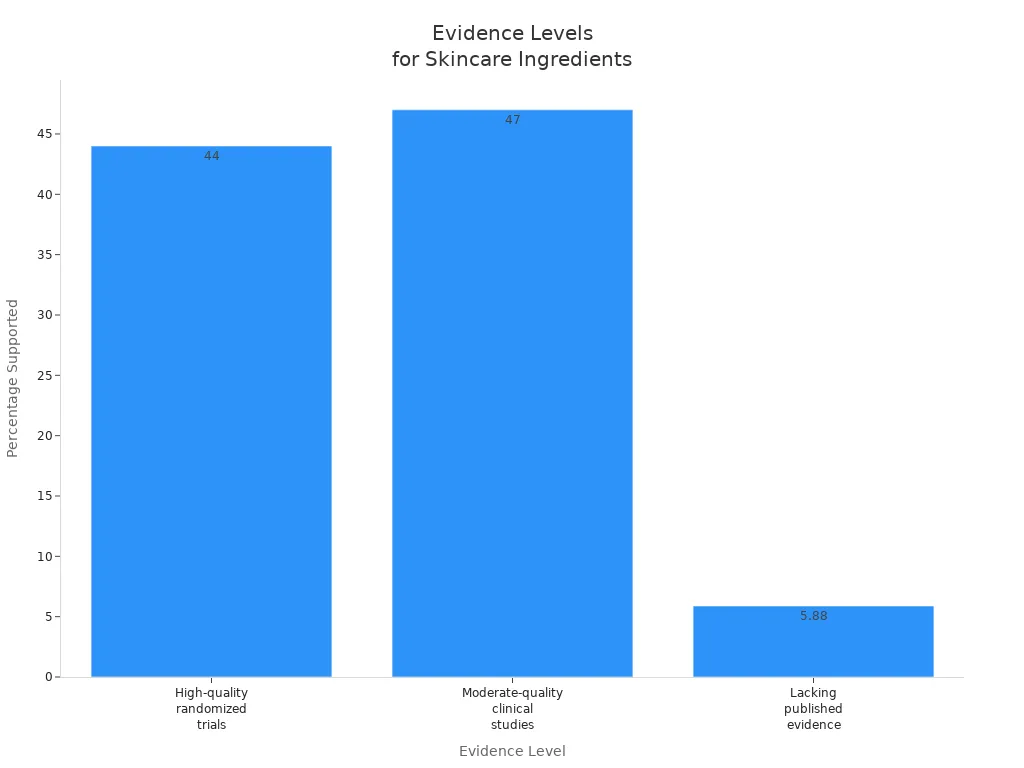
Clinical studies back the efficacy of these ingredients. For instance, medical-grade luxury skincare often relies on scientifically validated components like retinoids and peptides. These ingredients effectively address specific skin concerns and promote overall skin health.
Evidence Level | Percentage of Ingredients Supported |
|---|---|
High-quality randomized controlled trials (level 1b) | 44% |
Moderate-quality clinical studies (level 2b) | 47% |
Lacking published evidence | 5.88% |
Active ingredients play a crucial role in the performance of luxury beauty products. They are the powerhouse components that deliver results. Here are some essential active ingredients to look for:
Moringa Oil: Packed with antioxidants and vitamins, it offers anti-aging effects and detoxifies the skin.
Astaxanthin: This powerful antioxidant is 6000 times stronger than vitamin C. It effectively combats UV damage and aging.
Tremella Mushroom: Known for its ability to hold 500 times its weight in water, it deeply hydrates and enhances skin elasticity.
Blue Algae Extract: Contains natural retinoids that firm the skin and protect against pollution.
Black Seed Oil: Renowned for its anti-inflammatory and antibacterial properties, it’s beneficial for acne-prone and dry skin.
Prickly Pear Seed Oil: High in vitamin E, it excels in anti-aging and hydration.
Mastic Resin: Helps tighten pores and boosts collagen production.
Pomegranate Extract: Promotes collagen production and enhances skin glow.
Modern luxury beauty brands often combine clean and clinical formulations. They prioritize ingredient safety and long-term skin health. Effective skincare blends clean principles with clinically supported ingredients, ensuring better tolerance and sustainable results.
By understanding these beneficial and active ingredients, you can make informed choices about the luxury beauty products you select.
When you hear the term clean ingredient beauty, it refers to products made with safe, non-toxic ingredients. These products prioritize your health and the environment. Luxury beauty brands often define clean beauty by several key criteria:
Criteria | Description |
|---|---|
Ingredient Safety | Brands must conduct thorough audits to ensure no harmful ingredients are used. |
Sustainability Metrics | Incorporates responsible sourcing and packaging standards under the Clean + Planet Aware initiative. |
Transparency | Brands must provide a public-facing standard and demonstrate transparency in their formulations. |
Corporate Commitments | Brands must agree to avoid certain ingredients in future formulas. |
By choosing products that meet these criteria, you support a beauty industry that values safety and sustainability. Clean ingredient beauty not only benefits your skin but also promotes a healthier planet.
While exploring luxury beauty products, it’s essential to be aware of harmful additives that can pose risks to your health. Here are some common culprits to watch out for:
Harmful Additive | Potential Health Risks |
|---|---|
PFAS | Increased risk of thyroid disease, testicular cancer, liver damage, pregnancy-induced hypertension, immunotoxicity, lower birth weight |
Coal Tar Dyes | Potential cancer risk due to chemicals like benzene |
Phthalates | Endocrine disruption, increased risk of breast cancer, decreased fertility, preterm birth, cardiovascular problems, asthma |
Parabens | Endocrine disruption, potential harm to reproductive system |
Formaldehyde | Linked to increased risk of cancer and other serious health issues |
Many studies link these harmful additives to adverse health effects. For example, allergies and skin irritability often arise from fragrances, preservatives, and colorants. Endocrine disruptors like parabens and phthalates can lead to hormonal imbalances. Additionally, carcinogenic substances such as formaldehyde-releasing preservatives are associated with cancer risks.
To make informed choices, look for products that are cruelty-free and vegan. These labels often indicate a commitment to clean ingredient beauty. By avoiding harmful additives, you protect your skin and overall health.
Remember, being a savvy consumer means understanding what goes into your beauty products. By choosing clean ingredients and steering clear of harmful additives, you can enjoy luxury beauty without compromising your well-being.
When you want to make informed choices about luxury beauty products, research is key. Here are some effective strategies to help you:
Focus on Clean Ingredients: Look for brands that prioritize clean ingredient innovation. They should provide clear and concise information about what’s in their products.
Check Before and After Results: Real results from real users can help you gauge a product’s effectiveness. Look for testimonials and reviews that share personal experiences.
Engage with Brands on Social Media: Brands often use social media to connect with consumers. Follow them to understand their values and see how they respond to customer feedback.
Participate in Surveys or Focus Groups: Many brands conduct market research to gather insights on consumer preferences. Your input can help shape future products!
Finding reliable information about beauty ingredients can be tricky. Here are some trustworthy resources to help you verify claims and stay informed:
Source | Description |
|---|---|
FDA | The FDA ensures that cosmetic products are safe, even though they don’t require approval before hitting the market. |
EU CosIng | This database provides information on cosmetic ingredients, including banned or restricted substances. |
Environmental Working Group (EWG) | EWG offers a comprehensive database detailing the toxicity levels of cosmetic ingredients. |
Campaign For Safe Cosmetics | This organization advocates for safer beauty products and provides valuable information on harmful chemicals. |
By using these resources, you can enhance your understanding of how to read beauty product labels. Transparency is essential in the beauty industry, and these tools will help you make choices that align with your values and health.
Remember, being an informed consumer means taking the time to research and verify the products you choose. With the right strategies and resources, you can confidently navigate the luxury beauty landscape.
Reading luxury beauty ingredient labels can feel overwhelming, but it doesn’t have to be. Here are some key takeaways to remember:
Clear and honest labeling builds trust.
Scientific support for product claims is essential.
Transparency in ingredients helps you make informed choices.
Being an informed consumer empowers you to navigate the beauty industry confidently. Understanding labels and ingredients allows you to choose products that align with your values and needs. So, the next time you shop, apply what you’ve learned. Your skin will thank you!

