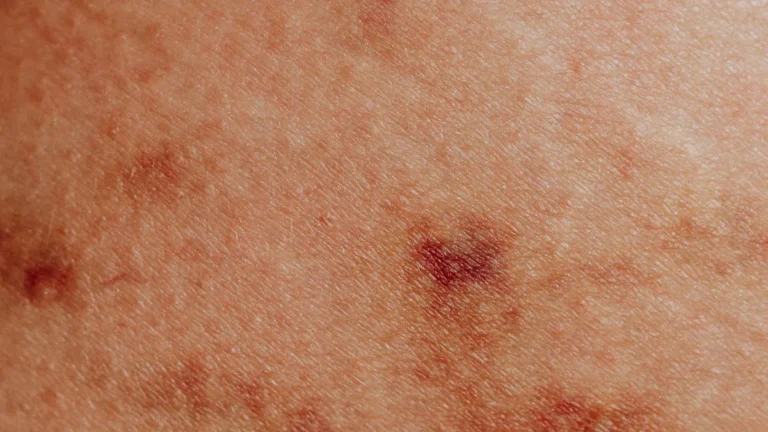
Patch testing is crucial for your skin’s health. It helps you avoid adverse reactions when trying new skincare products. Studies show that up to 84.7% of people report negative effects, including redness or itching, when they skip this step. Not patch testing can lead to irritation, especially with active ingredients like AHAs and retinol. Prioritizing this simple test can save you from discomfort and potential skin damage.
Key Takeaways
Patch testing is essential to avoid skin irritation and adverse reactions when trying new skincare products.
Always choose a small, discreet area for testing, like the inner forearm, and apply a tiny amount of the product.
Monitor the test area for 12 to 24 hours for any reactions, and stop using the product if you notice irritation.
How to Patch Test
Choose a Test Area
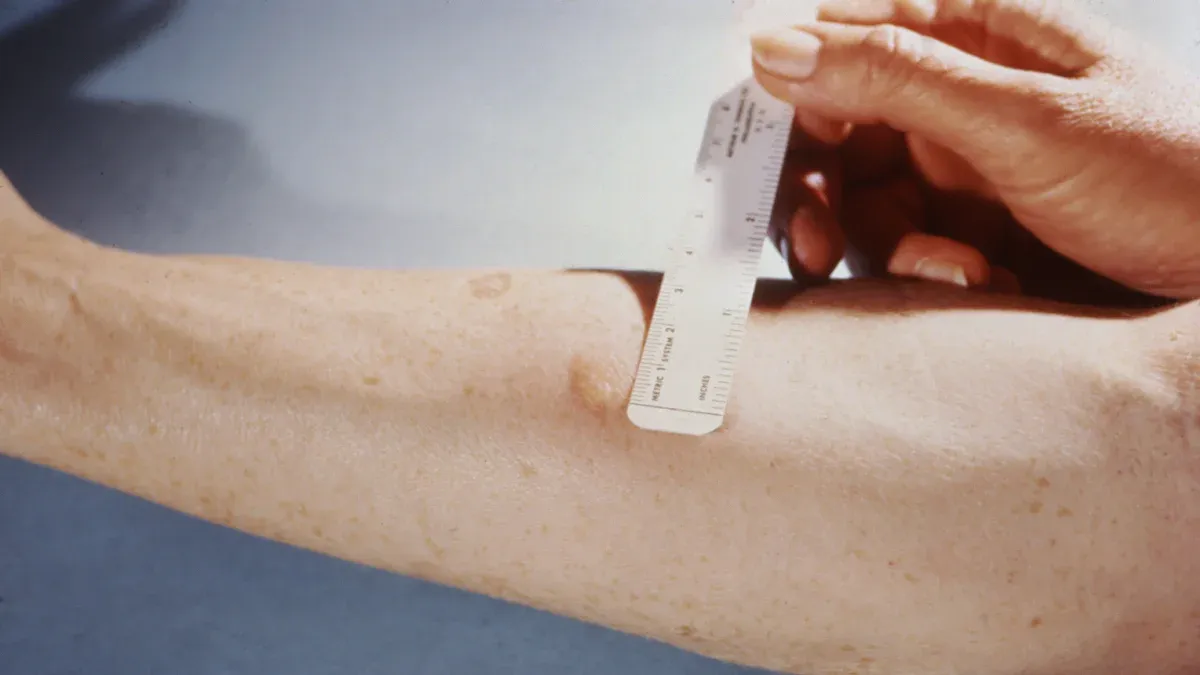
Selecting the right area for your patch test is essential. Dermatologists recommend a few specific spots on your body. Here are the best areas to consider:
Recommended Area | Description |
|---|---|
Inner forearm | A spot about the size of a quarter, not easily rubbed off. |
Bend in the elbow | Another suitable area for testing products. |
Behind the ear at jawline | Ideal for testing face products in an inconspicuous area. |
Back of the neck | Recommended for testing hair products or dyes. |
Testing on the inner forearm is preferred. This area shares similar skin characteristics with your face, making it a reliable predictor of how a product will react on your facial skin.
Apply the Skincare Product
When you apply the skincare product, use a tiny amount. Aim for about the size of a grain of rice. Here are some tips for application:
Use gentle, fragrance-free cleansers to avoid irritating the skin.
Pat the skin dry instead of rubbing to prevent further irritation.
Avoid applying makeup or harsh skincare products during the healing process.
This careful application helps minimize contamination and ensures accurate results during your patch test.
Monitor for Reactions
After applying the product, wait for 12 to 24 hours without touching the area. This waiting period is crucial. It allows your skin enough time to react. During this time, keep an eye out for any skin reactions. Here are some signs to watch for:
Small itchy patches of eczema
Severe local reactions with blistering
Post-inflammatory pigmentation
Flare-ups of initial eczema at distant sites
If you notice any of these reactions, it may indicate that the product is not suitable for your skin. Remember, patch testing is best done at least 24 to 48 hours before using the product widely. This practice helps you spot any potential reactions early.
Importance of Performing a Patch Test

Preventing Skin Irritation
Performing a patch test is essential for avoiding skin irritation. Many people experience adverse reactions when they try new skincare products without testing them first. Studies show that up to 14% of individuals report negative effects, such as redness or itching, after using new products. This statistic highlights the importance of patch testing.
Patch testing effectively identifies allergens that lead to contact dermatitis. It induces a controlled reaction to allergens applied to the skin. This process allows you to avoid specific triggers. For example, the T.R.U.E. Test is a widely used patch test that incorporates multiple allergens. Extended testing can reveal even more reactions, emphasizing the need for thorough allergen identification.
Understanding Skin Sensitivities
If you have sensitive skin, patch testing becomes even more critical. It helps you identify adverse reactions before applying products more broadly. Here are some benefits of patch testing for those with sensitive skin:
It minimizes the risk of irritation or allergic reactions.
Each product can cause sensitivity, making patch testing a crucial step.
Even products labeled as ‘safe’ can trigger allergic reactions.
Dr. Joshua Zeichner, a dermatologist, states that patch testing is the gold standard for determining allergies to products. This practice is essential for anyone with sensitive skin or a history of adverse reactions.
Common allergens found in skincare products include:
Common Allergen | Source |
|---|---|
Bronopol | Preservative in cosmetics and shampoos |
Methylisothiazolinone | Found in cosmetics and skin care products |
Diazolidinyl urea | Preservative in cosmetics and cleaning agents |
Fragrance mixes | Found in many toiletries and scented products |
Nickel sulfate | Common allergen in jewelry and some foods |
Paraben mix | Common preservatives in creams and cosmetics |
Formaldehyde | Used in various products including cosmetics |
p-Phenylenediamine (PPD) | Found in hair dyes and inks |
Ethylenediamine | Used in topical medications and eye drops |
Balsam of Peru | Used in perfumes and topical medications |
By understanding these common allergens, you can make informed choices about the products you use. Patch testing is often overlooked but is critical in preventing adverse reactions.
Patch testing is vital for your skincare routine. It helps you avoid adverse reactions and promotes better skin health. Here are some key benefits:
Prevents unwanted flare-ups by identifying adverse reactions.
Helps select products compatible with your skin type.
Minimizes irritation for overall improved skin health.
Always remember to test new products before full application!
FAQ
How often should I patch test new products?
You should patch test every new product, especially if it contains active ingredients or if you have sensitive skin.
Can I patch test multiple products at once?
No, always test one product at a time. This method helps you identify which product causes a reaction.
What should I do if I have a reaction?
If you experience a reaction, stop using the product immediately. Consult a dermatologist for further advice.