

Tub stains don’t care how often the bathroom is scrubbed. Hard water, soap residue, mildew, and the slow rust creep from old plumbing all leave their marks on enamel and acrylic, and ordinary spray cleaners rarely shift them. Choosing among the many formulas on the shelf gets confusing fast, since each one targets a different kind of discoloration. This list rounds up ten products that address the most common tub staining problems, from bleach-based sprays that handle everyday grime to gel treatments that cling to vertical surfaces overnight. Whether the issue is a faint ring around the drain, pink mildew in the grout, or orange rust streaks under the faucet, there’s something here worth a closer look.
The Shortlist At A Glance

CloroxPro Clean-Up Disinfectant Cleaner with Bleach Refill 128 fl. oz.

Nature’s Freedom 12% Hydrogen Peroxide 1 Gallon

Washing Machine Cleaner Descaler 24 Pack Tablets
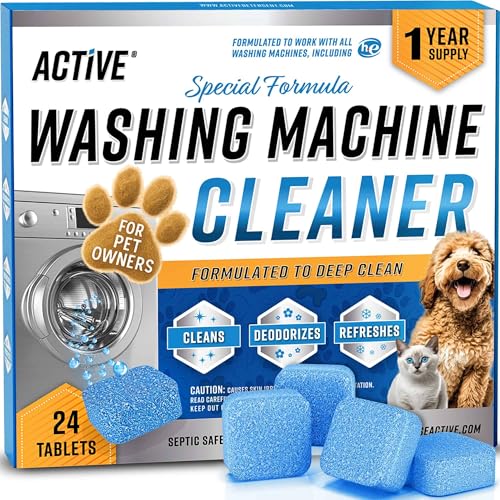
ACTIVE Washing Machine Cleaner for Pet Owners 24 Tablets

APULITO Household Cleaner Gel 10 Fl Oz

Iron OUT Rust Stain Remover Gel Spray 24 fl oz 6-Pack

APULITO Household Bathroom Shower Cleaner Gel 16 Fl oz

APULITO Household Cleaner Gel for Bathroom Tile Grout 10 Fl Oz

ACTIVE Mold Stain Remover Gel Cleaner 7 Fl Oz

APULITO Household Cleaner Gel for Stains 5 oz 3-Pack
The Details Behind The Selections
For bathrooms where mildew and soap scum build up faster than weekly scrubbing can keep pace, a bleach-based spray covers a lot of ground. CloroxPro Clean-Up pairs a disinfectant with stain-lifting bleach in a single formula, which means one pass can both lighten pink mildew streaks around the drain and handle the everyday grime that dulls enamel. The 128-ounce refill bottle is sized for households that go through cleaner quickly, and the same concentrate transfers neatly into smaller spray bottles for daily touch-ups.
Compared with Nature’s Freedom hydrogen peroxide further down the list, this one leans on chlorine chemistry rather than oxygen, so it works faster on organic stains like mold and mildew but brings that familiar bleach smell along with it. Ventilation matters during use, and the formula can lighten colored grout if left to dwell too long. For households comfortable with bleach, though, the trade-off is often worth it.
Positive Points
- One-step disinfect and clean, so the same spray handles mold, mildew, and soap film in a single pass.
- Large refill format stretches further per ounce, a real perk for big households or shared rentals.
- Liquid consistency spreads evenly across tub walls and rinses clean without leaving chalky residue.
- Compatible with porcelain, ceramic tile, and fiberglass when used as directed.
Trade Offs To Consider
- Strong bleach odor calls for open windows and good airflow during use.
- Not the right pick for sealed stone or colored grout that may lighten on contact.
- The bulk refill bottle needs a separate spray trigger for convenient application.
Who It Suits Best
Owners tackling persistent mildew on fiberglass or porcelain tubs in well-ventilated bathrooms.
Consider Something Else When
Households sensitive to bleach fumes or those working on natural stone should reach for ACTIVE Mold Stain Remover Gel Cleaner instead.
Dilutable concentrates reward the DIY-minded household that prefers to mix its own strengths. Nature’s Freedom ships a 12% food-grade hydrogen peroxide solution in a one-gallon jug, which dilutes down to roughly four gallons of standard household strength. Hydrogen peroxide (H2O2 is a simple molecule made of hydrogen and oxygen that breaks down into water and a reactive oxygen radical, which is what lifts organic stains) is genuinely useful for whitening grout and lifting light mildew stains without the harsh fumes of chlorine bleach.
The catch is that 12% is a strong concentration, and undiluted contact with skin or eyes needs care, so gloves and a clear dilution plan matter. The formula carries no added stabilizers, which keeps it cleaner for households that want minimal additives. For anyone who already keeps a stash of spray bottles and labels around the laundry room, this bottle stretches a long way.
Everyday Wins
- One gallon dilutes to roughly four gallons of working solution, stretching each purchase.
- No stabilizers or fragrances, useful for households avoiding added chemicals.
- Works on grout, tile, and tub surfaces without the bleach smell.
- Useful beyond the bathroom for laundry brightening and kitchen sanitizing.
Worth Noting
- 12% concentration requires dilution before contact with most surfaces and skin.
- Slower acting on heavy mildew compared with chlorine-based formulas like CloroxPro Clean-Up.
- Needs a dark spray bottle for storage, since light breaks down hydrogen peroxide quickly.
Right Fit For
DIYers who like to mix their own cleaning strengths and want a versatile concentrate across multiple rooms.
Look Elsewhere When
Anyone wanting a ready-to-spray gel with no mixing should consider APULITO Household Cleaner Gel 10 Fl Oz.
Front-loader owners know the smell that drifts out of the gasket when detergent residue builds up. Tablets sidestep the measuring and pouring that liquid descalers require, since one tab dropped into the drum once a month handles both tub interior and seal. The 24-pack works out to a year of monthly treatments for a single washer, and the tablets are compatible with high-efficiency (HE) machines that run on lower water levels.
The formula is septic-safe and arrives in minimal packaging, which matters for households watching what goes down the drain. Performance centers on breaking down detergent film and the light mildew that gathers under the door seal, so it’s more about prevention than rescuing a badly stained machine. Pair it with an occasional wipe-down of the gasket and the routine stays manageable.
Features That Help
- Pre-measured tablets remove the guesswork from descaling routines.
- Works across top-load, front-load, and HE washer designs from major brands.
- Septic-safe formula won’t disrupt household waste systems.
- Minimal packaging appeals to shoppers trying to cut plastic waste.
Honest Caveats
- Designed for washer tubs, not bathroom tubs, so scope is narrower than the rest of this list.
- Monthly use needed to prevent buildup, which adds up to a recurring habit.
- Won’t tackle heavy rust staining inside the drum.
Made For
Front-loader owners running monthly maintenance cycles to keep the gasket and drum clean.
Not Your Match When
Anyone targeting actual bathroom tubs should look at CloroxPro Clean-Up Disinfectant Cleaner with Bleach Refill.
Shedding pets and washing machines don’t mix well. Pet hair, dander, and the occasional muddy paw print all end up swirling through the drum, and over time that residue lines the gasket and the drain. ACTIVE’s pet-focused tablets build on the standard descaler formula with an enzymatic blend (enzymes are natural proteins that break down organic matter like urine oils and skin flakes) targeting pet-specific residues. The result is a tablet designed for households where the washer runs more often and the rinse cycle has to work harder.
Like the previous ACTIVE pick, the 24-tablet count covers about a year of monthly use. The trade-off is a slightly higher per-tab cost than the original formula, which makes sense given the targeted enzyme blend. For multi-pet homes, the additional cleaning power can save the hassle of scrubbing pet hair off freshly washed laundry.
Noteworthy Benefits
- Enzymatic blend specifically targets pet hair, urine residue, and odor buildup.
- Same drop-in tablet format, so no measuring is needed.
- Helps reduce drain clogs caused by hair accumulation over time.
- Compatible with HE and standard washers across major brands.
Points To Keep In Mind
- Per-tab cost runs higher than the standard ACTIVE Washer Cleaner Tablets.
- Scope stays limited to washer interiors, not bathroom tubs.
- Enzymatic action needs warm water to activate fully, which cold-wash households may miss.
Best Suited To
Multi-pet households running frequent laundry cycles and dealing with hair and odor issues inside the drum.
Another Choice May Suit
Single-pet owners or budget-focused shoppers can stick with the original Washing Machine Cleaner Descaler 24 Pack Tablets.
Gel cleaners earn their keep on vertical surfaces where liquid sprays slide down before they can work. APULITO’s gel clings to shower walls, grout lines, and tub corners, where it stays put long enough to break down soap film and mildew stains. The application is genuinely simple: spread it on, leave it for several hours, then rinse. For households tired of elbow-grease scrubbing, the no-scrub approach is the real appeal.
The 10-ounce tube covers a reasonable area per application, though severe staining may need a second pass. Compared with the Iron OUT gel spray further down the list, this one targets general bathroom discoloration rather than iron-specific rust stains. The trade-off is patience, since the gel needs dwell time rather than fast contact action.
Where It Helps
- Thick gel clings to vertical surfaces without dripping.
- No scrubbing required, just apply, wait, and rinse.
- Works on shower walls, tubs, sinks, and tile grout.
- Stays active for hours thanks to slow evaporation.
Small Caveats
- Severe stains often need a second application, which doubles the per-clean cost.
- Dwell time of several hours means planning around bathroom downtime.
- Smaller tube size requires restocking sooner than the larger APULITO 16-ounce option.
Who Should Grab It
Busy households willing to let a gel do the work overnight on shower walls and grout lines.
Swap It Out When
Iron-rich water causing orange streaks under faucets is better handled by Iron OUT Rust Stain Remover Gel Spray.
Rust stains behave differently from mildew or soap film, since bleach can’t break them down. The iron particles in water leave orange or brown streaks under dripping faucets and around drain openings, and standard bathroom sprays just smear them around. Iron OUT’s gel spray is built specifically to dissolve iron-based discoloration on contact, and the gel consistency helps it stay on the stain long enough to work, even on vertical tub walls.
The 6-pack format suits households with multiple bathrooms or ongoing rust issues from hard well water. It also handles toilet bowls above the water line, sinks, and colorfast carpet in a pinch. The honest read is that this is a specialist tool, so it doesn’t replace a general bathroom spray, but it solves the specific rust problem that nothing else on this list addresses as directly.
Well-Handled Touches
- Targeted formula dissolves rust stains that bleach-based cleaners can’t touch.
- Gel spray clings to vertical surfaces and shower walls.
- Safe for use on tubs, sinks, tile, and toilets above the water line.
- Six-bottle pack covers ongoing maintenance across multiple bathrooms.
Areas To Watch
- Limited to iron and rust stains, so it won’t help with mildew or soap film.
- Should not be used on certain metals or finishes without spot-testing first.
- Bulk 6-pack format is overkill for apartments with one bathroom.
The Right Fit
Homeowners with hard water or well-water supplies that leave recurring rust marks under faucets and around drains.
Skip It When
Anyone dealing with mildew-dominant staining should reach for CloroxPro Clean-Up Disinfectant Cleaner with Bleach Refill.
Bigger tube, longer working time. The 16-ounce APULITO gel covers more area per application than the 10-ounce sibling, and the formula resists evaporation, which means it stays wet on the surface for hours. That dwell time matters for grout lines and silicone caulk where mildew works its way into textured or porous material, and a quick spray won’t reach the staining.
Application is the same straightforward spread, wait, and rinse routine. Compared with the ACTIVE Mold Stain Remover Gel Cleaner reviewed later, this formula targets a broader range of stains rather than focusing specifically on mold whitening. For weekend cleaning sessions where the bathroom can stay out of commission for half a day, the longer tube and slow-evaporation chemistry combine nicely.
Useful Touches
- Larger 16-ounce size covers more surface area per bottle.
- Slow-evaporation formula extends working time on the surface.
- Effective on tile grout, silicone caulk, and tub corners.
- Same hands-off application as the smaller APULITO tube.
Practical Considerations
- Strong odor during dwell time, so ventilation helps.
- Long wait time rules out quick same-day cleanings.
- Bigger bottle means higher upfront cost than the 10-ounce option.
Perfect Match For
Homeowners planning weekend deep cleans on grout and caulk where longer dwell time improves results.
A Better Fit Elsewhere
Anyone targeting specific mold stains on gaskets should pick ACTIVE Mold Stain Remover Gel Cleaner.
The third APULITO entry on this list earns its spot by handling both bathroom and kitchen surfaces. Tile grout, sink basins, and countertop stains all respond to the same gel formula, so households that want one product for multiple rooms can simplify their cleaning caddy. The instructions are simple too: dry the surface, spread the gel, leave it for three to five hours for normal stains or up to ten for stubborn spots, then rinse.
That flexibility cuts both ways. Specialization often beats versatility in stain removal, so a heavy mildew problem might still call for the ACTIVE mold gel reviewed next, while a focused rust issue calls for Iron OUT. For light-to-moderate staining across the whole house, though, this tube delivers genuine convenience without buying three separate products.
Real Benefits
- Works on bathroom and kitchen surfaces with the same formula.
- Long dwell window of 3 to 10 hours adapts to stain severity.
- No scrubbing required for routine stain removal.
- Concentrated gel uses less product per application than spray cleaners.
Where It Is Less Suited
- Severe rust or mold stains may need a more targeted formula.
- Requires planning around the no-use window during dwell time.
- Surface must be dry before application for proper adhesion.
Whose Shelf It Belongs On
Multi-surface households that prefer one gel for both bathroom tiles and kitchen countertops.
Reach For A Different Pick When
Severe mold stains on washer gaskets call for ACTIVE Mold Stain Remover Gel Cleaner.
Front-loader washer gaskets collect mildew faster than almost any other surface in the house, since the rubber stays damp between cycles. ACTIVE’s mold-focused gel targets that specific scenario with a whitening formula designed to lift dark mold stains from rubber seals, grout, and shower caulk. The 7-ounce tube is small, but the gel is thick enough that a little goes a long way on gasket folds.
Speed is the headline feature. Where most gel products ask for hours of dwell time, this one shows visible whitening within minutes for light stains. For heavier mold buildup, longer contact still helps, but the faster initial action is a real advantage on busy cleaning days. Compared with general-purpose APULITO gels earlier in the list, this one narrows its focus to mold and mildew rather than broad bathroom discoloration.
The Practical Payoff
- Fast-acting whitening on mold and mildew stains.
- Targets the specific problem area of front-loader washer gaskets.
- Works on bathroom grout, shower caulk, and refrigerator seals too.
- Compact tube fits easily in a cleaning caddy without taking up space.
Some Limits To Know
- Small 7-ounce tube runs out faster on larger bathroom projects.
- Won’t help with rust or hard-water mineral stains.
- Strong chemical smell during use requires ventilation.
Built With In Mind
Front-loader owners fighting recurring mildew around the door seal and gasket folds.
Where Another Pick Suits Better
For broader bathroom staining across tubs and tiles, APULITO Household Cleaner Gel 10 Fl Oz is a more versatile choice.
Three smaller tubes instead of one big one. The 5-ounce 3-pack gives households a stash of gel cleaner that fits in a drawer or under the sink, so there’s always a tube within reach when a stain appears. The same long-dwell, no-scrub approach applies here: spread a generous layer on the stained area, let it sit for several hours, then rinse or wipe clean.
Smaller tubes mean more frequent restocking, but the format also reduces waste if the gel dries out before a tube is used up. For households that tackle staining in short bursts across multiple rooms rather than one marathon deep clean, the multi-pack format fits the routine well. It’s the same APULITO formula in a more convenient shelf-friendly package.
The Good Stuff
- Three-pack format spreads gel across multiple bathrooms or cleaning stations.
- Smaller tubes reduce waste if the product dries between uses.
- Works on tiles, grout, caulking, sinks, and tub surfaces.
- No scrubbing needed for routine stain removal.
What To Weigh
- Smaller individual size means more frequent repurchasing than the 16-ounce tube.
- Same multi-hour dwell time as the larger APULITO options.
- Best on light-to-moderate stains; severe discoloration may need multiple passes.
Who Will Love This
Households that want multiple ready-to-use tubes scattered across bathrooms for quick stain response.
Not Your Match When
Anyone tackling one large bathroom project in a single session should grab the larger APULITO 16-ounce gel instead.
What Matters Most Before Choosing Tub Stain Removers
Match the Formula to the Stain Type
Stain removers work through different chemistries, and the wrong one wastes time. Bleach-based sprays handle organic stains like mildew and soap film by breaking down the pigments and the living organisms behind them. Hydrogen peroxide uses oxygen to whiten similar stains without the chlorine smell, but it works more slowly. Acidic formulas in rust removers dissolve iron particles that bleach cannot touch. Identifying the stain type first prevents the frustration of scrubbing with the wrong product. For pink or black mildew, bleach or peroxide formulas fit best. For orange rust streaks, an iron-specific product is the honest answer.
Consider Surface Compatibility
Not every cleaner suits every surface. Bleach can lighten colored grout, and acidic rust removers can damage natural stone like marble or travertine. Acrylic tubs need gentler formulations than old porcelain, and fiberglass can scratch if abrasive scrubbers come into the picture. Spot-testing in a hidden corner takes a few minutes and can save a costly repair. Households with mixed surfaces should choose a versatile product or keep two on hand for different rooms.
Think About Application Style
Spray cleaners suit quick daily wipe-downs and large flat areas. Gels earn their keep on vertical surfaces and textured grout where liquids run off before they can work. Tablets fit appliance maintenance where pouring or spraying isn’t practical. The dwell-time trade-off matters too: spray products act fast but may need repeated applications, while gel formulas work slowly and require planning around bathroom access. Choosing the right format depends on whether the routine favors speed or thoroughness.
Plan for Ventilation and Safety
Most stain removers involve strong chemicals, so airflow matters. Bleach products and mold gels release fumes that call for open windows or an exhaust fan. Gloves protect skin during application, and keeping the bathroom door closed prevents curious pets or children from wandering in during dwell time. Reading the label for surface compatibility and ventilation notes takes only a moment and avoids irritation or damage later.
Key Considerations Across These Picks
Where Shoppers Go Wrong
The most common mistake is reaching for bleach when the stain is actually rust. Bleach makes rust stains worse, not better, since it sets the iron particles into the surface. The reverse happens too: using a gentle peroxide on heavy mildew that needed the stronger chemistry. Another trap is ignoring dwell time. Gel products need hours to work, and wiping them off after fifteen minutes leaves the stain mostly intact. Finally, mixing products in the same session can create dangerous fumes, so one cleaner at a time is the safer route.
Where The Extra Money Goes
Higher-tier stain removers typically add thicker gel formulas, longer dwell times, or specialized chemistry for specific stain categories. A rust-specific gel costs more than a generic all-purpose spray because the formulation targets a harder problem. Multi-packs and larger sizes also push the per-ounce cost down for households that go through cleaner quickly. The upgrade is worth it for stubborn stains, recurring rust, or large bathrooms, while budget shoppers can handle mild staining with a basic bleach spray used consistently.
Frequently Asked Questions
What is the fastest way to remove tub stains?
The fastest approach depends on the stain. For mildew, a bleach-based spray left for 5 to 10 minutes lifts most discoloration. For rust, a dedicated rust remover gel works on contact. For soap film, a hot water rinse followed by an all-purpose spray clears it within a few minutes. Matching the formula to the stain type saves the most time overall.
Can hydrogen peroxide replace bleach for tub stains?
Hydrogen peroxide whitens organic stains like mildew and soap film, but it works more slowly than bleach and may need repeated applications on heavy buildup. It avoids the chlorine smell, which some households prefer. For tough mildew, bleach still acts faster and more thoroughly.
Are gel cleaners better than spray cleaners?
Gel cleaners cling to vertical surfaces and textured grout where sprays slide off too quickly. They need longer dwell times, often several hours, while spray products act faster but may run before they finish working. Gel wins on shower walls and grout lines, while spray fits daily wipe-downs on flat tub surfaces.
How often should tubs be cleaned to prevent stains?
Weekly light cleaning prevents most mildew and soap film from setting in. Deep cleaning every two to four weeks handles the buildup that weekly wipe-downs miss. Households with hard water or heavy use may need more frequent attention to keep rust and limescale under control.
Is it safe to mix different tub stain removers?
Mixing cleaners is not recommended, since combining bleach with ammonia or acids can release harmful fumes. Using one product at a time and rinsing thoroughly before switching to a different cleaner keeps the routine safe and avoids chemical interactions.
Wrap Up
Tub stains come from different sources, and the right product depends on identifying what’s actually discoloring the surface. Bleach-based sprays handle mildew and soap film, hydrogen peroxide offers a gentler whitening alternative, dedicated rust gels dissolve iron stains, and no-scrub gel formulas work overnight on vertical surfaces and grout. Washer-specific tablets keep appliance interiors fresh without separate measuring. Matching the formula to the stain type, the surface, and the household’s tolerance for dwell time leads to the cleanest result with the least frustration.
