

Thick, rough toenails and stubborn cuticles have a way of slowing down even a simple pedicure. The right softening cream can turn a frustrating grooming session into a quick routine, especially when dryness, calluses, and dense nail plates are part of your everyday reality. This roundup looks at ten creams, ointments, and nail treatments designed to soften toenails, hydrate surrounding skin, and make at-home foot care easier for older adults, runners, people with diabetes, and anyone tired of fighting tough nail plates.
The Main Contenders
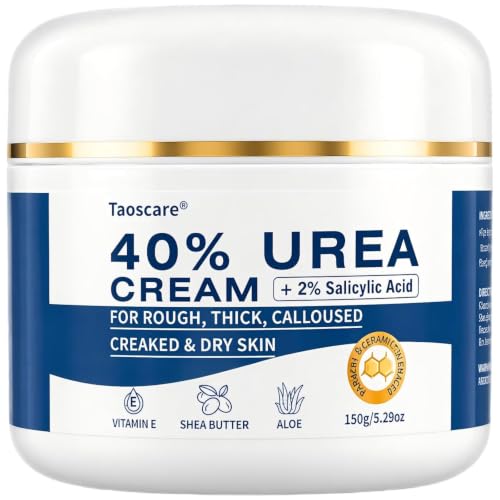
Taoscare 40% Urea Cream with 2% Salicylic Acid

Gold Bond Softening Foot Cream, 4 Oz

Miracle Foot Repair Cream, 32 Oz

ISDIN Uradin Podos Foot Cream, 10% Urea
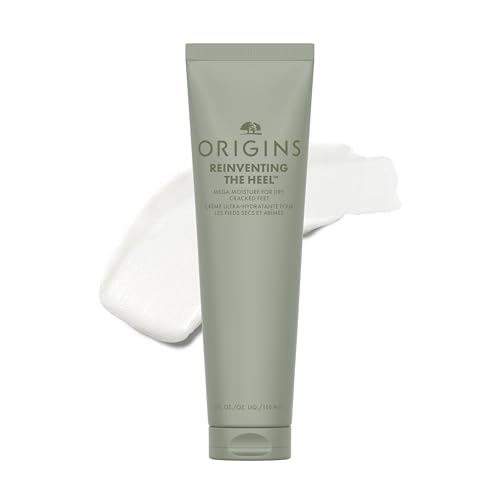
Origins Reinventing the Heel Foot Cream

Kerasal Intensive Foot Repair Cream, 4 oz

Kerasal Multi-Purpose Nail Repair, 0.43 oz

OUKEYA 40% Urea Hand and Foot Cream
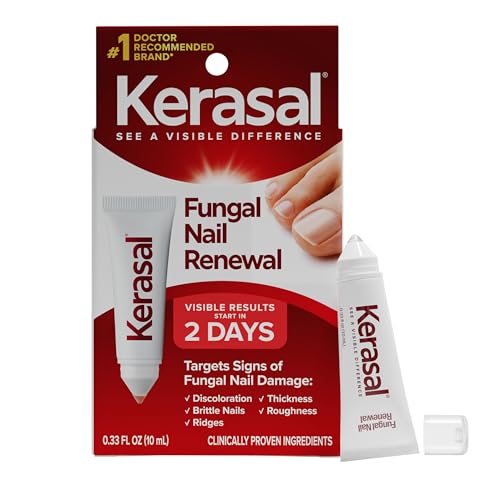
Kerasal Nail Renewal, 0.33 oz

Kerasal Nighttime Nail Renewal Patches
Why These Options Stand Out
This is one of the strongest softening formulas in the list, pairing 40% urea, a keratolytic (a moisture-binding agent that breaks down hardened skin), with 2% salicylic acid, a beta-hydroxy acid known for dissolving built-up keratin. Most creams in this roundup hover between 10 and 25% urea, so stepping up to 40% signals a product aimed at very thick, callused heels rather than mild dryness. For people whose toenails sit atop dense, cracked skin, the salicylic acid helps shed the outer layer so the urea can reach deeper tissue.
It spreads across hands, feet, knees, and elbows according to the source, which makes it more of a jar-everywhere utility tub than a foot-only product. You may find the concentration too aggressive for sensitive skin, so spot-testing first tends to be a good idea.
Where It Delivers
- The 40% urea concentration softens dense calluses and thickened nail cuticles faster than gentler 10–20% creams, which matters for people who rarely get pedicures.
- Salicylic acid adds a chemical exfoliation layer, helping loosen dead skin so a manual file does less work.
- Functions as a multi-area treatment for cracked heels, knees, and elbows, which reduces the need to keep multiple jars on the shelf.
- Heavy emollient base helps seal in moisture overnight when layered under cotton socks.
Trade-Offs To Weigh
- High urea and salicylic acid content can sting or redden sensitive or cracked skin, so a patch test on a small area first is wise.
- Texture is thicker than lighter daily moisturizers, leaving a tackier feel that some wearers dislike during the day.
Right Fit For
People with very thick callused heels and dense nail plates who want a heavy-duty softening cream for weekly treatments.
Skip It When
Your skin is sensitive or you only need light daily hydration, in which case the Gold Bond Softening Foot Cream ahead in this list is a friendlier everyday option.
Gold Bond’s softening cream is the gentler counterpart to the Taoscare jar above. The formula combines shea butter with a silk peptide matrix (a network of silk-derived proteins that helps hold moisture against the skin), plus three vitamins to condition calloused heels and dry feet. It’s the kind of tube that lives next to the bathroom sink and gets used without thinking about it.
For most people, this is enough softening power for everyday maintenance, especially when paired with a pumice stone once a week. It will not blast through extreme calluses the way a 40% urea product can, and that is by design.
Features That Help
- Shea butter softens rough skin and helps rebuild the skin’s moisture barrier over weeks of regular use.
- The silk peptide matrix is uncommon in drugstore foot creams and gives the formula a smoother, more conditioning feel.
- A 4-oz tube fits easily on a bathroom shelf, and the source lists a two-pack option for shared households.
- Mild enough for daily wear, so it doubles as a daytime moisturizer for runners and people on their feet all day.
Points To Keep In Mind
- Lower active concentration means thick, neglected calluses may need a heavier cream like Kerasal Intensive Foot Repair in this list.
- Fragrance is present, which can bother people with strong scent sensitivities.
Made For
Anyone building a low-effort daily foot care routine who wants soft, comfortable heels without aggressive exfoliation.
Look Elsewhere When
You need overnight nail softening, in which case Kerasal Nighttime Nail Renewal Patches later in this roundup fit the bill.
The 32-ounce jar signals what this product is: a household-scale foot cream built for shared bathrooms, locker rooms, or anyone who treats their feet every night. The formula leans on a 60% aloe concentration, which is unusually high compared to the urea-forward picks ahead in this list, and it is described as safe for people with diabetes.
If your foot care routine involves slathering cream on after every shower and you go through tubes quickly, the bulk format means fewer repurchases. Compared to the Kerasal Intensive Foot Repair entry, this is more about long-term hydration and less about chemical exfoliation.
The Helpful Details
- Aloe-forward formula feels cooling on hot, tired feet after a long shift, especially in warmer months.
- The 32-oz jar lowers per-use cost for households that go through cream quickly.
- Marketed as diabetic-safe, which makes it approachable for people managing sensitive foot skin.
- Large opening makes it easy to scoop generous amounts without squeezing a small tube.
Honest Caveats
- A 32-oz jar takes up shelf space and may be more than a single user needs.
- Lower exfoliating acid content compared to urea-heavy creams, so very thick calluses may need a separate softening product like the Taoscare cream.
Best Suited To
Families, caregivers, and shared households that want one big jar of softening cream for multiple users.
Consider Something Else When
You live alone and want a more compact, daily-driver tube like the Gold Bond Softening Foot Cream earlier in this list.
ISDIN is a European skincare brand better known in pharmacy aisles than drugstore chains, and this 2.5-oz tube reflects that heritage. With 10% urea alongside hyaluronic acid, lactic acid, and bacillus ferment, the formula is designed to retain water in dehydrated heels while gently exfoliating.
It is gentler than the Taoscare 40% urea cream covered earlier, making it more appropriate for daily wear on mildly dry or moderately cracked feet. For someone new to urea-based creams, 10% is often the easiest concentration to start with.
Strong Points
- Balanced 10% urea hydrates without the sting that higher concentrations can cause on raw cracks.
- Hyaluronic acid draws water into the outer skin layer, helping soften calluses that look more grey than thick.
- Lactic acid provides mild exfoliation so the formula does more than just sit on top.
- Compact 2.5-oz tube travels well in gym bags and overnight kits.
Soft Spots
- Smaller tube than the bulk jars in this list, so it disappears quickly with twice-daily use.
- Will not match the heavy callus-busting power of 40% urea formulas on very neglected feet.
Whose Shelf It Belongs On
First-time urea users and anyone with moderately dry heels who want a pharmacy-style foot cream for everyday hydration.
A Better Fit Elsewhere
You have very thick, painful calluses, in which case the Taoscare 40% Urea Cream at the top of this list will work harder for you.
Origins frames this 5-oz jar as more of a self-care moment than a clinical treatment. It blends jojoba oil, shea butter, and salicylic acid to soften rough soles, with menthol added for a cooling tingle that gives it the feel of a quick at-home pedicure.
It is the most spa-flavored pick in this roundup, and that shows up in how it wears rather than how aggressively it works. Compared to the Kerasal Intensive Foot Repair entry ahead, this one leans more toward comfort and aromatherapy than heavy chemical exfoliation.
Everyday Advantages
- Menthol delivers a refreshing tingle that helps tired feet feel revived at the end of the day.
- Jojoba oil closely mimics the skin’s natural sebum, which helps the formula absorb without leaving a greasy film.
- Salicylic acid gently exfoliates, making it a sensible mid-strength option between the ISDIN and Taoscare creams.
- 5-oz jar lasts a few weeks even with daily use.
Where It Is Less Suited
- Menthol can be irritating for people who dislike cooling sensations or have neuropathy.
- The botanical-forward formula is less about clinical results and more about feel, so very thick calluses may need a urea-heavy cream.
Perfect Match For
Anyone who turns a foot care routine into a self-care ritual and wants a cream that feels as good as it works.
Reach For A Different Pick When
You want a treatment-grade foot cream with stronger exfoliating acids, in which case Kerasal Intensive Foot Repair further down this list is built for that.
Kerasal is best known for its nail treatments, but this foot cream shows the brand’s broader approach. The formula leans on 15% lactic acid, an alpha-hydroxy acid that softens by gently dissolving the bonds between dead skin cells, alongside hydrating ingredients meant to keep rough feet smooth over time. A 4-oz tube gives it middle-of-the-road sizing for everyday use.
It sits between a maintenance cream like Gold Bond and a heavy-duty jar like Taoscare. For someone whose heels are rough but not extreme, this tends to be a sensible middle step.
Positive Takeaways
- 15% lactic acid gives meaningful chemical exfoliation without the intensity of 40% urea blends.
- Designed for daily wear, so it can replace a regular moisturizer in the routine.
- The brand’s broader Kerasal lineup means you can pair this cream with the nail repair products covered later in this article.
- The 4-oz tube is shelf-stable and easy to store in a medicine cabinet.
Worth Bearing In Mind
- Lactic acid can tingle on freshly cracked heels, so application right after a pedicure may sting.
- Not as rich as the Miracle Foot Repair Cream earlier in this list, so very dry skin may need layering with a thicker balm on top.
Built With In Mind
People with rough but not extreme calluses who want lactic acid exfoliation as part of a daily softening routine.
Not Your Match When
You want overnight nail treatment specifically, in which case the Kerasal Nighttime Nail Renewal Patches at the end of this roundup fit better.
Where most picks in this roundup are creams for the skin around the toenails, this Kerasal product targets the nail plate itself. The 0.43-oz bottle uses a brush applicator to deliver a blend of urea, propylene glycol, and lactic acid directly onto the nail, where it works to soften and reduce discoloration and thickness over weeks.
It is more of a targeted treatment than a foot cream, so it pairs naturally with a broader moisturizer from this list. The source recommends twice-daily use for the first week, then daily thereafter.
Practical Advantages
- Brush applicator reaches under the nail tip and along the cuticle without wasting product on surrounding skin.
- Urea and lactic acid work together to soften thickened nails that are hard to trim.
- Compact 0.43-oz bottle lasts several weeks with disciplined application.
- Hydrating propylene glycol helps prevent the brittle, splitting look that affects aging nails.
Practical Considerations
- Results take weeks of consistent twice-daily use, which requires patience.
- Small bottle means it is easy to misplace on a busy bathroom counter.
Who Should Grab It
People with brittle, thickened, or discolored toenails who want a brush-on treatment rather than a foot cream.
Where Another Pick Suits Better
Your main concern is callused heels rather than the nail plate, in which case Kerasal Intensive Foot Repair earlier in this list will serve you better.
OUKEYA’s 40% urea cream covers similar ground to the Taoscare jar at the top of this list, but the ingredient deck leans further into plant-based softeners like glycerin, avocado, sucrose, and corn starch. The dual hand-and-foot positioning makes it especially useful for people whose dry skin shows up everywhere from cracked knuckles to heels.
Like other 40% urea options, it works best as a targeted treatment rather than an everyday body moisturizer. Pairing it with a gentler daily cream from this list is a smart approach.
Noteworthy Benefits
- 40% urea concentration softens dense, cracked skin on both hands and feet from the same jar.
- Plant-derived glycerin and avocado help condition the skin without leaning entirely on chemical exfoliants.
- Works well as an overnight treatment under cotton gloves or socks.
- Reasonable price point per ounce for a high-concentration urea cream.
Potential Sticking Points
- High urea content may be too intense for first-time users, so a patch test on a small area is wise.
- Texture can feel sticky compared to lighter daily creams like the Gold Bond option above.
Who It Suits Best
People with both dry, cracked hands and feet who want one jar to handle both areas.
Swap It Out When
You want a cream designed only for nail plates, in which case the Kerasal Multi-Purpose Nail Repair earlier in this list is the better fit.
This is Kerasal’s flagship nail treatment and the one the brand is best known for. The 0.33-oz bottle delivers a urea and lactic acid formula through a precision applicator, designed to soften thickened, discolored, or ridged nails. The source mentions it has been used by a large user base since 2010, which speaks to its staying power in this category.
For anyone whose toenails have grown opaque, brittle, or rough with age, this kind of targeted treatment tends to be more useful than a general foot cream. Compared to the Kerasal Multi-Purpose Nail Repair above, it is the more established, single-purpose option.
The Good Stuff
- Precision tip lets you dab the formula exactly where it is needed without coating healthy skin.
- Urea and lactic acid soften nail plates that have thickened with age or damage.
- Small bottle is easy to keep on a nightstand for consistent morning and evening applications.
- Long track record in this category means plenty of routines and expectations have been built around it.
Possible Compromises
- Requires disciplined twice-daily application, which is hard to maintain for busy people.
- Visible changes take weeks, so patience is part of the deal.
The Right Fit
People with visibly thickened or discolored toenails who want a focused, time-tested nail treatment.
Another Choice May Suit
You want the simplest possible routine, in which case a cream like ISDIN Uradin Podos covered earlier in this roundup requires less scheduling.
The Nighttime Nail Renewal Patches are the most hands-off option in this roundup. Each adhesive patch is applied to a clean toenail before bed, where it works overnight to soften, hydrate, and reduce discoloration. The box contains 14 patches, which the source frames as enough for a structured treatment cycle on one or two nails.
Unlike the brush-on Kerasal formulas earlier in this list, the patches do the work while you sleep. They are a good fit for people who struggle to remember twice-daily applications or who want a low-mess approach.
Key Advantages
- Overnight application removes the need to remember mid-day doses.
- Each patch sits directly on the nail plate, so the formula stays concentrated where it is needed.
- Useful for people who find brush-on bottles fiddly or messy.
- Discreet under socks, which matters for shared bedrooms.
Where It May Fall Short
- Patches are sized for toenails, so they do not help with surrounding callused skin.
- Box of 14 limits how many nails can be treated per cycle, which is worth thinking about for people with multiple affected toes.
Who Will Love This
Anyone who wants a set-and-forget overnight treatment for one or two stubborn toenails.
Skip It When
You need full-foot softening along with nail care, in which case pairing the Kerasal Intensive Foot Repair with Kerasal Nail Renewal covered earlier in this list is more efficient.
Matching The Cream To Your Feet
Picking a softening cream gets easier when you start from the problem rather than the brand. The first fork in the road is whether your main concern is the nail plate itself or the skin around it, because the active ingredients differ. Urea at 10% works well for general dryness, while 30% to 40% urea targets dense, neglected calluses. Alpha-hydroxy acids (AHAs) like lactic acid and beta-hydroxy acids (BHAs) like salicylic acid add chemical exfoliation on top of hydration, which matters when dead skin builds up faster than a basic moisturizer can shift it.
Texture plays into daily wearability. Thick, balm-like creams seal in moisture overnight but feel sticky during the day, so commuters and people on their feet at work often prefer lighter lotions like Gold Bond’s softening cream or the Origins cream. Bulk jars make sense for shared bathrooms and caregivers, while compact tubes and brush bottles are easier for travel or for treating one or two problem nails. For older adults, anyone with neuropathy, or people managing diabetes, gentler formulas with fewer fragrance components and mid-range urea concentrations tend to be the most comfortable starting point.
Slips Shoppers Often Make And Where The Money Goes
Where Shoppers Go Wrong
A common slip is assuming stronger always means better, so a 40% urea cream gets applied to mildly dry feet and ends up causing redness or sting. Equally common is the opposite: picking a gentle daily lotion and expecting it to dissolve a thick callus after one or two uses. Both approaches end in frustration. The honest read is to match the concentration to the actual condition of your feet, not to a marketing claim. Another trap is skipping patch tests on sensitive or cracked skin, especially with high-urea formulas like the Taoscare and OUKEYA creams in this roundup.
Where The Extra Money Goes
Higher-tier options in this category typically invest in more precise applicators, better packaging stability for active acids, or stronger exfoliating concentrations. A product like Kerasal Nail Renewal commands a higher price partly because the precision tip and brush delivery system let the active ingredients stay on the nail plate rather than the skin around it. Overnight patches cost more per treatment because of the adhesive delivery format and the convenience factor, but you trade away the simplicity of a tube you can toss in a drawer. For most people, the upgrade is worth it only when you actually need that precision or convenience, not as a default.
