

Dry skin and sun protection rarely play nicely together. Many SPFs lean on alcohol-heavy formulas that leave skin feeling tighter an hour after application, which is a particular problem during winter commutes, long flights, or air-conditioned offices. The right sunscreen for dry skin pulls double duty: it shields against UVA and UVB rays (the two ultraviolet wavelengths that cause damage) while delivering real hydration, so skin feels comfortable all day rather than chalky or stripped.
Below is a roundup built around that exact tension. The list mixes sport sprays, facial moisturizers with SPF, mineral tinted fluids, and supporting skincare from the same brands. Each pick includes an honest read on strengths, trade-offs, and who actually benefits, plus a feature card for selected items to keep specs grounded in the manufacturer’s own claims.
The Choices Worth Comparing

Banana Boat Sport SPF 50 Sunscreen Spray 6 oz (2 Pack)

Coppertone SPORT Sunscreen Spray SPF 50 (3 x 5.5 oz)

Sun Bum Original SPF 30 Sunscreen Body Spray 6 oz
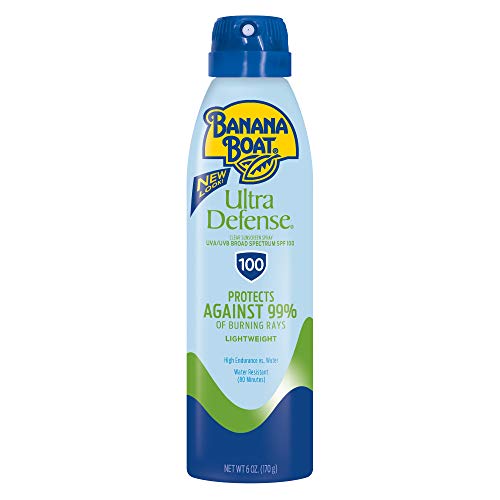
Banana Boat Ultra Defense Clear Sunscreen Spray SPF 100

Dermalogica Dynamic Skin Recovery SPF 50 Moisturizer

Dermalogica Special Cleansing Gel Foaming Face Wash

Dermalogica Daily Microfoliant Brightening Powder

La Roche-Posay Anthelios UV Pro-Sport SPF
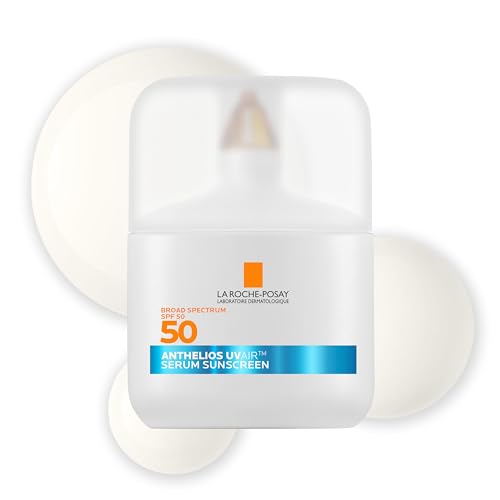
La Roche-Posay Anthelios UVAir SPF 50 Serum

La Roche-Posay Anthelios Mineral Light Fluid SPF 50
A Breakdown Of The Leading Choices
Built for movement rather than moisture, this Banana Boat spray suits hikers, beach days, and any scenario where the bottle gets tossed into a gym bag. The two-pack format means a spare can live in the car, which removes a real friction point for daily users who forget to refill. The lightweight finish keeps it comfortable on arms and legs during high-exertion activity.
Where it falls short for very dry skin is hydration. Compared with the La Roche-Posay serum further down, this formula is built to stay put through sweat rather than to nourish. Apply a body lotion first, then the spray, and the experience improves noticeably.
What Earns Its Place
- Two-bundle value keeps a backup bottle ready
- Continuous spray lays down even coverage on large areas
- SPF 50 broad spectrum protection for extended outdoor exposure
- Lightweight feel that doesn’t drag on skin during activity
Things To Consider
- Limited built-in moisturizing, so pair with a body cream on dry areas
- Spray application is harder to gauge for full coverage, so rub in if needed
Who It Suits Best
Active people who want a fuss-free body spray for hikes, sports, and weekend beach trips without paying for premium skincare ingredients.
Where Another Pick Suits Better
For facial SPF with real hydration, the La Roche-Posay UVAir Serum offers a more comfortable fit under makeup.
This Coppertone multipack is engineered for households that go through sunscreen quickly. The continuous sprayer works at any angle, which simplifies coverage on shoulders and backs, and the broad spectrum SPF 50 formula blocks up to 98 percent of UVA and UVB rays. Three 5.5-ounce cans also cover a family of four across a single beach week without restocking.
The trade-off is formulation. Coppertone designed this without dyes, PABA, octinoxate, and oxybenzone, which matters for sensitive shoppers, but it still leans sport-dry rather than deeply moisturizing. Layer it over a hydrating lotion, and very dry skin stays comfortable through the afternoon.
A Favorable Mix
- Three-bottle format suits families or extended trips
- Any-angle sprayer reaches awkward spots like upper back
- Water resistant for 80 minutes of pool or ocean time
- Formulated without several common chemical UV filters
Worth Noting
- Needs a body moisturizer underneath for parched skin types
- Five-and-a-half-ounce cans feel small if you apply liberally across full body coverage
Right Fit For
Families and pool regulars who burn through sunscreen quickly and value a clean-ingredient sport formula more than built-in hydration.
Skip It When
If your priority is facial moisture with SPF, reach for the Dermalogica Dynamic Skin Recovery instead.
Sun Bum’s original spray holds a place in many beach bags because it strikes a sensible middle ground. The non-comedogenic formula (won’t clog pores) carries vitamin E, an antioxidant that helps defend skin against environmental stress, and the brand leans into a summer-scented profile that regular users tend to either love or switch away from. SPF 30 broad spectrum is plenty for everyday commutes, school pickup, and patio lunches.
Compared with the SPF 50 sport picks above, this one trades peak protection for daily comfort. The 6-ounce size also runs out faster than the bulkier multipacks, so households may need two for a beach weekend. It performs well as a top-up bottle in a gym bag, which is where it tends to live in practice.
Why It Works Well
- Vitamin E adds antioxidant support beyond UV filtering
- Non-comedogenic feel suits acne-prone dry skin types
- Compact 6-ounce size fits easily in a daily tote
- Original scent profile is a recognizable staple for loyal users
Trade Offs
- SPF 30 is lower than the sport-focused options for peak exposure days
- Single 6-ounce can goes quickly for full-body application
Made For
Daily commuters and casual sun exposure who want a reliable body spray with skincare-friendly ingredients at a familiar brand.
Look Elsewhere When
For maximum protection on long outdoor days, the Banana Boat Ultra Defense SPF 100 covers more UVB ground.
The Ultra Defense spray pushes UVB protection to about 99 percent, which appeals to fair-skinned users and anyone with a recent sunburn history. Vitamins C and E plus aloe give it a more skin-friendly base than the basic sport formula, and the clear spray leaves a lighter visual trace than white-cast mineral options. It also carries a twist-and-lock cap that prevents accidental discharge in luggage.
SPF 100 is a niche tool, though. For routine office days and short errands, the higher number delivers diminishing comfort returns and a slightly heavier feel. The 6-ounce size is also smaller than the sport bottle, so heavy users may run out faster than expected.
What Stands Out
- Highest UVB filtration in this roundup for sensitive or fair skin
- Vitamins C and E plus aloe support hydration during exposure
- Twist-and-lock cap is travel-friendly for checked bags
- Clear finish avoids the chalky look common with high-SPF formulas
Points To Note
- Single 6-ounce can is small for a full-body reapplication day
- SPF 100 brings marginal protection gain over SPF 50 for most daily scenarios
Best Suited To
Fair-skinned users, fair-haired beachgoers, and anyone recovering from a recent sunburn who needs maximum UVB shielding for outdoor days.
Consider Something Else When
For everyday office and weekend wear, the Sun Bum SPF 30 feels lighter and more comfortable.
Dynamic Skin Recovery sits at the serious end of the SPF moisturizer category. It combines broad spectrum SPF 50 with a medium-weight moisturizer aimed at reducing visible signs of aging, including fine lines and uneven texture. The non-greasy texture reads almost like a treatment cream, and it absorbs into skin without leaving a heavy film behind, which is the key win for daily wear.
The price positioning reflects the brand. For shoppers building a complete Dermalogica routine, this jar pulls real weight as both SPF and moisturizer, replacing two steps. For casual sunscreen users, the cost can feel steep, and the jar format requires clean fingers to scoop, which adds a small daily hygiene step.
What Makes Sense
- Combines SPF 50 with a treatment moisturizer to simplify morning routines
- Targets visible aging concerns like fine lines and uneven texture
- Non-greasy finish works as a base under makeup
- Broad spectrum protection against both UVA and UVB rays
Honest Caveats
- Premium price point suits committed skincare routines more than casual users
- Jar packaging requires a spatula or clean hands to maintain hygiene
Who Should Grab It
Mature dry skin types who want their daily moisturizer to also deliver SPF 50 and anti-aging benefits in a single step.
Not Your Match When
For active outdoor days, the La Roche-Posay UV Pro-Sport handles sweat better on both face and body.
This cleansing gel earns a place on a dry-skin SPF list because of what comes before sunscreen, not the sunscreen itself. The soap-free foaming formula removes overnight grime and leftover SPF from the day before, without disrupting the skin’s natural moisture barrier. Lavender and balm mint extracts add a calming sensory note that makes a nightly cleanse feel less like a chore.
The citric acid in the formula provides gentle exfoliation, which helps the next layer of moisturizer absorb. For very parched complexions, the foam can still feel slightly stripping in winter, so reducing use to once daily in the evening tends to work better than twice.
A Few Highlights
- Soap-free base respects the skin’s natural moisture barrier
- Calming botanical extracts ease post-cleanse tightness
- Gentle exfoliating action preps skin for SPF absorption
Smaller Considerations
- Twice-daily use can feel drying on already parched winter skin
- Scented botanical profile may not suit every sensitivity profile
Perfect Match For
Shoppers building a Dermalogica routine who need a cleanser that removes SPF residue without leaving skin tight.
Reach For A Different Pick When
For morning cleansing before SPF, a cream cleanser is often gentler on severely dry skin types.
Daily Microfoliant is the dry-skin prep work that makes sunscreen perform better. The powder activates only when mixed with water, so it doesn’t sit on the skin as a harsh scrub. Papaya enzyme and salicylic acid work together to lift dulling surface debris, which helps the next day’s SPF and moisturizer absorb more evenly. It also makes sense for daily use, unlike many exfoliators on the market.
Daily physical exfoliation isn’t for everyone, and very reactive complexions may prefer every-other-day use. The powder format also takes a moment to get used to if you’ve only used cream or gel scrubs before. For most dry skin types, the smoother texture payoff the next morning tends to be worth the learning curve.
Where It Delivers
- Water-activated powder prevents over-exfoliating in the jar
- Papaya enzyme and salicylic acid target dullness and buildup
- Improves SPF and moisturizer absorption the next day
Points To Keep In Mind
- Daily use may be too frequent for very reactive or rosacea-prone skin
- Powder format adds a small prep step compared to a cream cleanser
Who Will Love This
Dull or flake-prone dry skin that needs a gentle daily polish before applying SPF and treatment products.
A Better Fit Elsewhere
For a simpler one-step routine, the Dermalogica Special Cleansing Gel handles cleansing without the extra step.
The Pro-Sport formula exists for a specific scenario: long-haul runs, summer hikes, and back-to-back tennis matches. It carries SPF 50 protection designed to stay put through sweat and water, and the brand markets it for both face and body, which removes the “which bottle do I grab” hesitation. The invisible finish also matters for face use, since the formula is designed to avoid the heavy white cast common in sport SPFs.
Compared with the Banana Boat and Coppertone sprays earlier in this list, this one costs more per ounce. For shoppers who only occasionally break a sweat outdoors, the Coppertone multipack likely delivers better value. For daily runners and cyclists, though, the sweat-resistance and breathable texture justify the price difference.
Good Reasons To Consider
- High-endurance formula designed to hold up through sweat and water
- Works on both face and body, reducing bottle clutter
- Invisible finish avoids the heavy white cast common in sport SPFs
- Suitable for a wide range of skin tones without visible residue
Small Caveats
- Higher cost per ounce than the drugstore sport sprays above
- Sport positioning is overkill for indoor or low-exertion days
Built With In Mind
Runners, cyclists, and outdoor athletes who need reliable face and body protection through heavy sweat without the heavy residue.
Swap It Out When
For casual everyday wear, the La Roche-Posay UVAir Serum feels lighter under makeup.
This serum answers the central complaint dry skin has with facial sunscreen: the weightless texture disappears into skin. The Cell-Ox Shield technology supports broad spectrum SPF 50 across both UVA and UVB rays, and hyaluronic acid (a humectant that draws moisture into skin) adds real hydration, so it doubles as a treatment step. The invisible finish across all skin tones is a meaningful upgrade over older chemical SPFs that left a cast on deeper complexions.
For dry skin, layering matters. Apply it over a hydrating serum or under your regular moisturizer if your skin runs especially parched. As a single product on a five-hour flight, the hyaluronic acid base can feel slightly tight in very dry cabin air, so a facial mist on top helps.
A Few Strong Suits
- Weightless serum texture layers cleanly under makeup
- Hyaluronic acid delivers hydration while protecting against UV
- Invisible finish across all skin tones avoids white cast
Factors To Consider
- Very low humidity environments can make hyaluronic acid formulas feel slightly tight without a follow-up mist
- Serum format is thinner than a cream, so dry patches may need extra moisturizer
The Right Fit
Makeup wearers and office workers who want facial SPF that disappears under foundation while adding daily hydration.
Where A Sibling Pick Shines
For matte, even coverage in a single step, the La Roche-Posay Anthelios Mineral Light Fluid provides tint along with SPF.
The tinted mineral fluid pulls double duty as both a daily SPF and a light-coverage base. The 100 percent mineral formula uses titanium dioxide (a physical UV filter that sits on the skin’s surface) for broad spectrum SPF 50, which suits sensitive and reactive complexions. The tint comes in five shades, and the fast-absorbing texture leaves a soft matte finish rather than a glowy one, so it works for oily zones in the T-area as well.
Mineral formulas can still leave a slight cast on deeper skin tones, though this particular formula is engineered to minimize that effect. The five-shade range may not match every undertone, and very fair or very deep complexions sometimes need to test the shades in person. For most in-between tones, the blendable texture makes color matching forgiving.
Where It Helps
- 100 percent mineral formula suits sensitive and reactive skin
- Tinted coverage replaces a separate foundation step on light makeup days
- Matte finish works well for combination dry skin types
Details To Watch
- Five-shade range may not match every undertone in person
- Mineral filters can still leave a faint cast on the deepest skin tones
Whose Shelf It Belongs On
Combination dry skin types who want a single product that covers sun protection and light base coverage without a separate foundation step.
Another Choice May Suit
For purely hydration-focused protection, the La Roche-Posay UVAir Serum skips the tint and layers under any base.
What Matters Most When Choosing SPFs for Dry Skin
Filter Type and Skin Sensitivity
Mineral filters (zinc oxide, titanium dioxide) sit on the skin’s surface and deflect UV, which tends to feel gentler on reactive complexions. Chemical filters absorb UV and convert it to heat, which can occasionally trigger stinging on very dry or compromised skin. If your skin reacts to new products easily, mineral formulas are usually the safer starting point.
Hydration Beyond UV Protection
The biggest differentiator for dry skin is what the formula carries besides UV filters. Humectants like hyaluronic acid pull moisture into the skin, while emollients like shea butter or squalane help seal it in. A sunscreen that only protects without moisturizing still leaves you reaching for a separate cream by mid-afternoon, which defeats the point of an SPF moisturizer.
Water Resistance vs. Comfort Trade-Off
Sport and water-resistant formulas hold up through sweat, but the same polymers that resist water can feel slightly heavier on dry skin. For office days and short errands, a non-water-resistant daily SPF often wears more comfortably. Reserve water-resistant options for swimming, running, and beach days where they earn their grip.
Texture, Finish, and Layering
Facial SPFs come in serums, creams, lotions, fluids, and sprays, and the format matters as much as the ingredient list. A serum disappears under foundation, a cream doubles as moisturizer, and a tinted fluid replaces foundation entirely. Choosing the format that matches your existing routine removes the daily friction of an extra step.
Key Considerations Across These Picks
Where Shoppers Go Wrong
The most common mistake is choosing a sunscreen based on SPF number alone. SPF 30 already blocks about 97 percent of UVB rays, and the jump to SPF 50 or 100 only adds a small percentage of protection while often introducing heavier textures that dry skin dislikes. Another slip-up is skipping daily use in winter or on cloudy days, since UVA rays pass through windows year-round and contribute to visible aging.
When Paying More Pays Off
The premium tier earns its place when the sunscreen replaces a separate moisturizer, treatment serum, or foundation step. Products like the Dermalogica Dynamic Skin Recovery and the La Roche-Posay UVAir Serum carry active skincare ingredients that justify the cost beyond UV filtering alone. For a basic body spray you go through quickly, the drugstore options deliver excellent value and performance.
Frequently Asked Questions
Can I use body sunscreen on my face if I have dry skin?
You can, but facial formulas are usually a better match because they’re designed for thinner, more reactive skin and tend to layer under makeup without pilling.
How often should I reapply sunscreen during the day?
Every two hours is the standard guidance, or immediately after swimming or heavy sweating, regardless of the SPF number on the bottle.
Does higher SPF always mean better protection?
Not linearly: SPF 30 blocks about 97 percent of UVB rays, SPF 50 about 98 percent, and SPF 100 about 99 percent, so the comfort trade-off often outweighs the small protection gain.
Can I use a tinted mineral sunscreen as my only makeup?
For light coverage days, yes, but for fuller coverage or color correction, a foundation or concealer on top still gives a more polished result.
Will mineral sunscreen leave a white cast on darker skin tones?
Modern mineral formulas have improved significantly, but a faint cast can still appear on the deepest complexions, so in-person shade testing is worth the trip.
Closing Remarks
Finding the right SPF for dry skin comes down to matching the formula to your actual day. Runners and beachgoers gravitate toward sport sprays and water-resistant options, while office workers and makeup wearers tend to prefer serums, creams, and tinted fluids. The trade-off that matters most is comfort over time, since the sunscreen you enjoy reapplying is the one that actually does the job. Pick the format that fits your routine, and the protection follows naturally.
