

Skinned knuckles from last weekend’s bike ride, that stubborn patch behind the knee that flares every winter, the small cut that just won’t close. Skin healing creams earn their keep in these tiny, unglamorous moments, and the right jar can quietly outperform a medicine cabinet full of fancy bottles. This roundup sorts through ten well-regarded options across ointments, sprays, and balms to match real situations: dry hands, scraped elbows, post-procedure skin, and the everyday scrapes of life with kids or pets.
The Lineup, Simplified

Aquaphor Baby Advanced Therapy Healing Ointment 14 OZ

Foille Medicated First Aid Ointment 1 Oz (Pack of 2)

Calmoseptine Ointment 4 oz (Pack of 4)

Resinol Medicated Ointment Jar 3 OZ (Pack of 2)
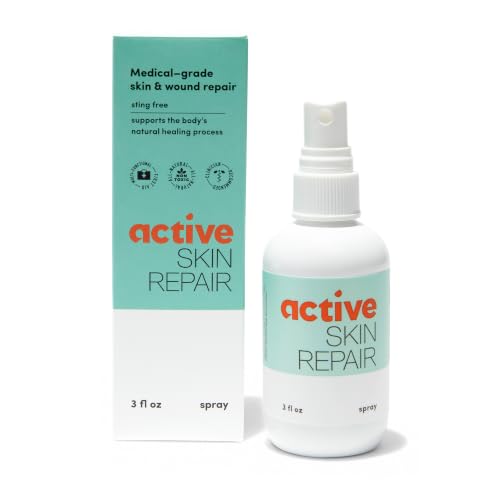
Active Skin Repair First Aid Spray 3 oz

Active Skin Repair Hydrogel and Spray Bundle

Active Skin Repair Hydrogel 3 oz

Doctor Rogers Healing Balm 1 oz

Doctor Rogers Restore Healing Balm 4 oz Tube

Doctor Rogers Healing Balm 0.5 oz
A Closer Look At Each Pick
The classic petrolatum-based ointment has earned its spot in millions of nurseries and bathroom drawers for good reason. Aquaphor’s Baby Advanced Therapy formula creates a semi-occlusive barrier (a thin, breathable seal over the skin) that locks wetness in while still letting air reach the wound, and the 14-ounce tub is the kind of size that outlasts a winter of chapped hands and several diaper rash cycles. New parents often reach for it within hours of bringing baby home, but it pulls double duty on cracked heels, cuticle damage, and friction burns from new shoes.
Compared to the heavier-duty options later in this list, Aquaphor leans gentle and prevention-focused rather than treatment-focused. That makes it a strong pick for households where skin issues tend to be mild, recurring, and family-wide rather than clinical.
What Works In Its Favor
- Petrolatum-based formula creates a breathable moisture seal that supports the skin’s natural recovery process.
- One 14-ounce tub can stretch through months of family use, from baby care to adult dry-skin patches.
- Multi-purpose application covers diaper rash, minor scrapes, chafing, and cracked skin in one product.
- Low-fragrance profile tends to suit sensitive skin and reduce the risk of irritation around the face.
Things To Consider
- Petrolatum ointments can feel greasy on fabric and clothing, so old t-shirts or muslin wraps make sense during application.
- Owners commonly report the tub format is less hygienic for shared use compared to a tube, since fingers dip in repeatedly.
- Not formulated with active antiseptic ingredients, so it works best as a protectant rather than a treatment for infected cuts.
Whose Shelf It Belongs On
New parents, caregivers, and anyone who wants one dependable jar for everyday family skin mishaps.
Reach For A Different Pick When
Calmoseptine Ointment is a stronger choice for adults managing incontinence-related skin breakdown or moisture-heavy skin folds.
Foille is one of those older medicated ointments that has stuck around for decades, and the two-pack of 1-ounce tubes keeps a backup ready wherever life happens. The squeeze tube format is genuinely pocket-friendly and slides into a glove compartment, diaper bag, or backpack without taking up room. For minor burns, kitchen mishaps, and the kind of paper-cut-while-cooking moments, this is the ointment that earns its spot fast.
Where Aquaphor leans gentle and preventive, Foille positions itself as more of a direct first-aid response, which is a different job entirely. The pack-of-two format also answers the “where did I put the other tube” problem.
Points In Its Favor
- Travel-ready 1-ounce tubes fit in pockets and bags for quick response to kitchen and outdoor mishaps.
- Medicated formulation targets minor burns, scrapes, and surface irritations with a purpose-built approach.
- Two-pack format ensures a backup stays in rotation while one is in active use.
Worth Noting
- The medicated formula can feel stronger on skin than petrolatum-only options and may not suit very sensitive users.
- Small tube size means frequent replacement for households using it daily.
Right Fit For
Campers, home cooks, and anyone who wants a grab-and-go tube for the glove box or travel kit.
Swap It Out When
Active Skin Repair First Aid Spray suits people who prefer a no-touch application for hard-to-reach spots or tender areas.
Calmoseptine lives in the space where basic ointments fall short: situations involving persistent moisture, feeding tube site leakage, wound drainage, and the friction that comes with skin-on-skin contact in body folds. The four-pack of 4-ounce tubes is built for caregivers and clinical settings where a single tube wouldn’t last the week. For households caring for elderly relatives or managing incontinence-related skin issues, this is a category-defining product.
Compared to the family-gentle Aquaphor, Calmoseptine is heavier and more task-specific. It earns its place on the list for people who need real barrier protection rather than everyday moisturizing.
What Earns Its Place
- Multi-purpose barrier formula addresses moisture-related skin breakdown, tube site leakage, and wound drainage.
- Four-tubes-per-pack format delivers genuine value for caregivers who go through product quickly.
- 4-ounce tubes offer a manageable size that stores easily on a bedside cart or in a supply drawer.
- Trusted in caregiving and clinical environments for tasks that go beyond everyday first aid.
Honest Caveats
- Heavier formulation may feel too thick for cosmetic or facial use.
- Specialty positioning means it can be overkill for simple cuts or scrapes that Aquaphor handles easily.
Made For
Family caregivers, home health aides, and adults managing moisture-prone skin conditions or tube sites.
Look Elsewhere When
Doctor Rogers Healing Balm is a calmer, more cosmetic-friendly option for post-procedure care and sensitive facial skin.
Resinol has been around long enough that some users keep a jar in the medicine cabinet the way their grandparents did. The medicated ointment combines resorcinol (a mild antiseptic and skin-soothing compound) with protective petrolatum, which gives it a dual-action approach: it calms the irritation while the petrolatum seals moisture in. For sunburn, chafing, and minor skin reactions, the formula has earned its loyal following.
The 3-ounce jar in a two-pack lands somewhere between Aquaphor’s family-sized tub and Foille’s travel tubes, and the dual-action positioning sets it apart from both.
Practical Pluses
- Dual-action formula pairs an antiseptic-style ingredient with a protective petrolatum base.
- Trusted heritage formula appeals to people who want a long-standing option with a track record.
- Two-pack of 3-ounce jars keeps one at home and one at the office or in a travel bag.
Trade Offs
- Resorcinol-based actives may not suit users who prefer fragrance-free or strictly minimalist ingredient lists.
- Jar format, like Aquaphor’s tub, can be less hygienic for shared use than tube-style packaging.
Who Will Love This
Loyal users of legacy medicated ointments, and anyone who specifically needs relief from sunburn or chafing.
Not Your Match When
Active Skin Repair First Aid Hydrogel is a cleaner, non-antisceptic alternative for those avoiding traditional medicated actives.
Active Skin Repair takes a different approach: instead of petrolatum, the spray relies on hypochlorous acid, the same molecule the body produces naturally as part of its immune response. The 3-ounce spray bottle lets users mist the product onto scrapes, sunburn, or post-shave irritation without touching the skin, which matters when the area is too tender to rub. For runners, cyclists, and parents of kids who flinch at ointments, the spray format changes the application experience.
Unlike the ointments and balms on this list, this one is a liquid mist with no oils or petrolatum, so it dries quickly and won’t stain clothing the way Aquaphor or Resinol can.
What Stands Out
- Hypochlorous acid spray format means no rubbing required on tender or hard-to-reach skin.
- Spray bottle dries quickly and won’t leave greasy residue on clothing or bedding.
- Non-toxic, steroid-free formulation suits households looking for cleaner ingredient profiles.
- 3-ounce bottle is genuinely portable and fits well in a gym bag or carry-on.
A Few Limitations
- Liquid spray format won’t seal moisture in the way a petrolatum-based ointment can.
- Owners commonly report the small bottle runs out quickly for full-body applications like post-sun use.
Best Suited To
Runners, travelers, and caregivers who want a no-touch option for kids, elderly relatives, or sensitive areas.
Where Another Pick Suits Better
Doctor Rogers Healing Balm is a richer occlusive (a moisture-sealing layer) for anyone needing longer-lasting barrier protection on dry skin.
The bundle pairs Active Skin Repair’s spray with the hydrogel version, giving households one tool for quick no-touch coverage and another for longer-contact situations where the gel can stay in place. The combination makes sense for people who want both formats without choosing, and the 3-ounce sizes keep each bottle travel-ready. Active households juggling scraped knees, post-workout chafing, and sunburn all in one weekend find this dual format surprisingly useful.
The bundle does cost more than picking a single format, but it answers a real need for households where different family members prefer different textures.
The Good Stuff
- Bundle includes both spray and hydrogel for varied application needs across a household.
- Hypochlorous acid base stays consistent across formats, simplifying the active ingredient list to learn.
- Gel format clings to skin longer than the spray, useful on areas where mist would just run off.
Points To Note
- Higher total spend than buying a single Active Skin Repair product.
- Gel texture can feel slightly tacky on hair-bearing skin for some users.
Perfect Match For
Multi-user households where some prefer sprays and others prefer a longer-lasting gel texture.
Consider Something Else When
Calmoseptine Ointment is a heavier-duty option for moisture-prone skin that needs a thicker barrier.
The standalone hydrogel version keeps the same hypochlorous acid active but shifts into a thicker gel that stays put once applied. The format works well on facial skin, sunburn, or areas where a spray would bead up and roll off. For people who have moved away from petroleum-based products and want something that feels lighter on the skin, the gel hits a middle ground between the spray and a traditional ointment.
Where the Foille and Resinol entries lean toward traditional medicated territory, this sits with the cleaner ingredient crowd.
The Value In It
- Gel texture stays in place on vertical areas like the face or shoulders where sprays would run.
- Steroid- and antibiotic-free formulation appeals to minimalist ingredient preferences.
- Single-bottle format is simpler to store and travel with than the spray-gel bundle.
Small Caveats
- Hydrogel can dry out if the cap isn’t secured tightly, so storing it away from heat sources matters.
- Gel doesn’t provide the same occlusive seal as petrolatum-based options on very dry skin.
Who Should Grab It
People with sensitive or facial skin who want a non-greasy, fragrance-free healing option.
A Better Fit Elsewhere
Aquaphor Baby Advanced Therapy is the more affordable choice for plain old chapped hands and routine dry skin.
Doctor Rogers Healing Balm sits at the more refined end of the healing cream spectrum. The dermatologist-formulated approach blends occlusive protectants with humectants (ingredients that attract water into the skin), aiming to support recovery on dry, injured, or sensitive areas without the heavy petrolatum feel. The 1-ounce size is the typical entry point for people trying it for post-procedure care, tattoo aftercare, or stubborn dry patches that haven’t responded to drugstore staples.
The price-per-ounce is higher than the Aquaphor or Resinol entries, but the formulation targets a different kind of user, one who reads ingredient lists and wants a clean, fragrance-free option.
The Helpful Details
- Dermatologist-formulated blend pairs occlusive protection with hydrating humectants for layered skin support.
- Fragrance-free, hypoallergenic profile suits post-procedure skin and sensitive complexions.
- 1-ounce tin format travels well and feels purposeful rather than medical.
Areas To Watch
- Smaller tin means frequent repurchase for users applying it over larger body areas.
- Higher price-per-ounce than petrolatum-based staples, so it works best as a targeted treatment rather than an all-over moisturizer.
Who It Suits Best
Anyone recovering from in-office skin treatments, recent tattoos, or persistent dry patches who prefers minimalist formulations.
Where A Sibling Pick Shines
Doctor Rogers Restore Healing Balm in the 4-ounce tube is the better value for households sharing one balm across multiple users.
The 4-ounce tube shares the same dermatologist-formulated approach as the 1-ounce tin but answers the practical question of how to keep a household supplied. The tube format is also more hygienic for shared use, since fingers don’t dip into a communal jar. For families who like the Doctor Rogers formulation but want one tube to live on the bathroom shelf instead of constantly repacking travel tins, this lands well.
It carries the same ingredient profile as the smaller tin, so the choice between the two comes down to size and lifestyle rather than formulation differences.
Standout Benefits
- Larger 4-ounce tube format suits multi-user households and shared bathroom shelves.
- Squeeze tube keeps the product more hygienic for shared use than jar formats.
- Same dermatologist-formulated, hypoallergenic profile as the smaller tin option.
Less Ideal Details
- Bulky tube is less convenient for purse or carry-on than the smaller tin or travel-friendly options.
- Higher upfront cost than the smaller format, though the per-ounce math often works out in its favor.
Built With In Mind
Multi-user households and anyone committed to a clean, dermatologist-formulated approach for everyday skin recovery.
Skip It When
Foille Medicated First Aid Ointment is the more affordable, travel-ready option for routine cuts and burns.
The 0.5-ounce tin is the smallest Doctor Rogers option, designed for the kind of person who wants a quality balm in a coat pocket, gym bag, or carry-on. The compact size is genuinely tiny, more like a lip balm tin than a typical ointment jar, which makes it easy to commit to a higher-end formulation without feeling wasteful. For travelers, frequent flyers, and anyone testing the brand before buying a larger size, this is the low-risk entry point.
At this size, it’s clearly meant as a portable companion rather than a household workhorse, so it slots in differently than the 4-ounce tube.
The Case For It
- Half-ounce tin slips into pockets, purses, and carry-on kits without taking up real estate.
- Low commitment format lets curious shoppers try the brand before buying the larger tube.
- Same dermatologist-formulated, hypoallergenic profile as the larger sizes.
Factors To Consider
- Tiny size means it disappears quickly under daily use, so it’s best as a travel backup rather than a primary.
- Tin format requires clean fingers or a small spatula for application, since dipping in repeatedly can introduce debris.
The Right Fit
Frequent travelers, gym-goers, and anyone who wants a premium balm on hand without committing to a full-size jar.
Wrong Turns To Avoid
Aquaphor’s 14-ounce tub is the better value for shoppers who mainly need an at-home, family-sized option.
Matching Skin Healing Creams To Real Situations
The right healing cream depends less on brand recognition and more on the specific job at hand. Format matters: ointments and balms sit on the skin and seal moisture in, while sprays and hydrogels deliver active ingredients without the greasy feel. For households with kids, the Aquaphor tub and Foille tubes cover most daily mishaps without overthinking. Caregivers managing moisture-prone skin tend to lean toward the heavier Calmoseptine barrier. People recovering from in-office procedures or new tattoos often prefer the dermatologist-formulated Doctor Rogers line for its ingredient transparency.
Active users and travelers tend to gravitate toward the Active Skin Repair sprays and hydrogels because the no-touch format suits life on the go. Read ingredient lists honestly: petrolatum-based formulas are workhorses but feel heavy, while hypochlorous acid products feel lighter but don’t seal moisture in the same way. Match the format to the scenario, and most of these ten options will earn their place on the shelf.
Key Considerations Across These Picks
Common Slip Ups Shoppers Make
The most frequent mistake is choosing a heavy-duty barrier cream for everyday dry skin and feeling underwhelmed by the greasy texture. Petrolatum-based products like Aquaphor and Calmoseptine are designed for protection, not elegant daily wear. On the other end, picking a light spray for incontinence-related skin breakdown leaves users disappointed because sprays don’t seal moisture out the way a barrier ointment does. Match the format to the problem. Another trap is overlooking ingredient sensitivity: resorcinol in Resinol and the medicated actives in Foille can irritate very sensitive skin, so fragrance-free and hypoallergenic options like the Doctor Rogers balms or Active Skin Repair products exist for a reason.
Why Higher Tier Products Cost More
Premium options like the Doctor Rogers line carry higher per-ounce costs because the formulations lean on dermatologist input, cleaner ingredient profiles, and hypoallergenic testing. The trade-off is meaningful for users with sensitive skin, post-procedure recovery needs, or strong preferences for fragrance-free products. For routine family first aid, mid-tier staples deliver more practical value. The upgrade pays off most when the skin in question is reactive, recovering from treatment, or simply hasn’t responded to drugstore staples. For everyday chapped hands and minor scrapes, the value tier covers the job just fine.
Frequently Asked Questions
What is the difference between an ointment and a cream for skin healing?
Ointments are thicker, oil-based formulas that create a protective seal over the skin, while creams blend oil and water for a lighter texture that absorbs faster. For deep moisturizing and barrier protection, ointments tend to outperform creams. For daytime wear under clothing or makeup, creams feel less greasy.
Can skin healing creams be used on broken skin or open wounds?
Many of the ointments and balms in this list are designed for minor cuts, scrapes, and irritated skin, but deeper wounds need professional evaluation. Products with active antiseptics or medicated ingredients should be used cautiously on large open areas, and a clinician’s input matters for anything that isn’t healing on its own.
How often should skin healing creams be applied?
Most ointments and balms work well when applied two to three times daily, or after each hand wash or diaper change for barrier products. Sprays and hydrogels can be reapplied more liberally since they tend to dry quickly. Frequency depends on the skin concern and the product’s specific instructions.
Are skin healing creams safe for sensitive skin?
Fragrance-free, hypoallergenic formulations like the Doctor Rogers balms and Active Skin Repair products are generally well tolerated by sensitive skin. Petrolatum-only options like Aquaphor also suit sensitive users because they contain minimal additives. Medicated formulas with resorcinol or other antiseptics may cause reactions in some users.
Do skin healing creams expire?
Most ointments and balms carry a printed expiration date on the packaging, and opened products typically remain effective for 12 to 24 months. Sprays and hydrogels may have shorter windows once opened due to their water-based formulations. Storing products away from heat and direct sunlight helps extend usable life.
Closing Remarks
The best healing cream is the one that matches the specific skin concern, the format preference, and the household routine. For everyday family use, a tub of Aquaphor or a pack of Foille tubes covers most situations without much thought. For specialized needs like moisture-prone skin, post-procedure recovery, or travel-ready no-touch application, the rest of this list fills in the gaps. Trust the format, read the ingredients, and let the situation guide the choice.
