

Dry, tight skin rarely sorts itself out, and most over-the-counter lotions tend to wear off before lunch. Shea butters and their close cousins, like mango and cocoa butter, stay on the job longer because they’re denser and richer in fatty acids that hold moisture in the skin’s upper layers.
This roundup skips the guesswork. It walks through seven picks suited to different skin situations, from whipped blends with botanicals to raw unrefined blocks for deep work on elbows, heels, and hands. The goal is to help you match the texture and finish to your real routine.
A Closer Look At The Lineup

Mine Botanicals Turmeric & Neem Whipped Shea Butter 8oz

Better Shea Butter Organic Raw Shea Butter 8 oz

Aquaphor Healing Balm Stick 0.65 oz

Palmer’s Solid Cocoa Butter Body Lotion 7.25 oz 3-Pack
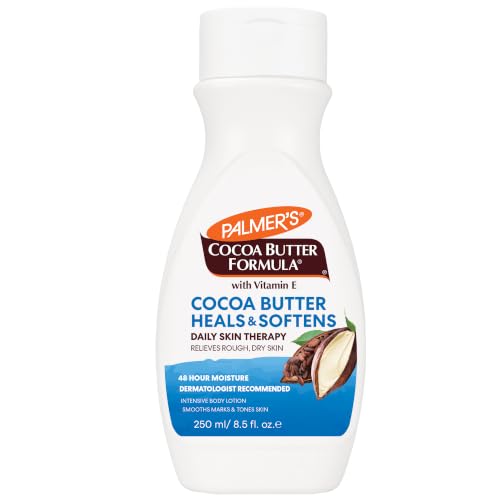
Palmer’s Cocoa Butter Body Lotion 8.5 fl oz

Better Shea Butter Raw Mango Butter 8 oz Block

Better Shea Butter Raw Shea Butter 8 oz Block
Taking A Closer Look At The Options
Whipped shea spreads easier than a raw block, which matters when you’re applying it to larger areas after a shower. Mine Botanicals pairs that whipped base with turmeric, neem, oregano oil, and patchouli, leaning into a routine-friendly format for anyone who wants a single jar to handle both moisture and a botanical-leaning approach to blemish-prone spots.
The 8 oz tub is roomy enough to live on a bathroom shelf for daily reach. Compared to the Palmer’s lotion picks below, this one reads as a more treatment-oriented product, not a quick daily layer.
Real-World Strengths
- Whipped texture melts on contact, so less rubbing on freshly washed skin
- Turmeric and neem bring an herbal angle for those watching blemishes
- 8 oz size stretches across body, hands, and targeted spots
- Patchouli and oregano oils give it a distinct, earthy scent that fades after application
Things To Consider
- The herbal scent may be strong for anyone sensitive to fragrance
- Not a single-ingredient product, so those who want pure raw butter should look at the Better Shea Butter options
Feature Snapshot
Who It Suits Best
Anyone juggling dry skin with occasional blemishes who wants one jar to handle both jobs without buying separate products.
Consider Something Else When
Skip this and grab Better Shea Butter Organic Raw Shea Butter if you’d rather have a single-ingredient, certified organic block with no added scent.
Single-ingredient shea butter is the cleanest answer for reactive skin, and this certified organic version from Better Shea Butter is the strongest expression of that idea on the list. It’s unrefined, ivory-toned, and carries a natural nutty, earthy aroma that varies a little from batch to batch.
Because there are no added oils, fragrances, or preservatives, this block is a smart pick if your skin tends to react to lotions with long ingredient lists. The fatty-acid profile is naturally rich, which is why raw shea is often pulled into routines for very dry, cracked areas on hands, elbows, knees, and heels.
Real Benefits
- USDA certified organic, so the supply chain is traceable
- One ingredient only, which simplifies routines for sensitive skin
- Fatty-acid profile delivers long-lasting moisture on rough patches
- 8 oz block is enough for daily full-body use over many weeks
Honest Caveats
- Hard texture means you need to warm it between your palms before applying
- The natural nutty aroma can be noticeable if you’re used to fragrance-free lotions
- Batch-to-batch color and scent variation may surprise first-time users of raw shea
Key Attributes
Made For
Minimalist skincare shoppers and anyone with sensitive, reactive skin who wants a single-ingredient certified organic product.
Look Elsewhere When
Pick Better Shea Butter Raw Shea Butter 8 oz Block instead if you don’t need the organic certification and just want a slightly more accessible raw block for everyday rough-skin work.
A stick format changes how a balm fits into your day, and Aquaphor’s Healing Balm Stick is built around that idea. At 0.65 oz, it slides into a running belt, gym bag, or jacket pocket so you can reapply on inner thighs, feet, or knuckles without finding a sink first.
It’s designed for chafing, windburn, and friction-prone spots that flare up during long workouts, hikes, or hot commutes. Where the shea and mango butters above are bath-time or post-shower products, this stick is the one you reach for mid-day when skin starts to feel raw.
Points In Its Favor
- Stick format goes on dry, no rubbing with dirty hands
- Pocket-friendly 0.65 oz size travels easily
- Targets chafing, windburn, and friction in active routines
- Useful for hands, feet, inner thighs, and collar lines
Worth Noting
- Small size means frequent replacement if used daily on larger areas
- Better suited to spot treatment than full-body moisture compared to the tubs and blocks above
- Not a shea butter product, so it sits outside a pure-butter routine
Right Fit For
Runners, hikers, cyclists, and anyone who needs a chafe or windburn stick that travels light and applies fast.
Swap It Out When
Reach for Palmer’s Cocoa Butter Body Lotion 8.5 fl oz instead if your main goal is full-body daily moisturizing at home rather than portable spot care.
Solid balms behave differently from a liquid lotion, sitting closer to a salve than a pour-and-rub product. Palmer’s solid cocoa butter formula pairs cocoa butter with Vitamin E for a 48-hour moisture claim aimed at very dry, rough, or eczema-prone skin.
Coming in a three-pack of 7.25 oz tins, this is the household-friendly choice on the list. One tin can live in a gym bag, another on a nightstand, and a third in a guest bathroom, so nobody in the house argues over who left the lid off.
The Upside
- Solid balm format locks in moisture without a drippy bottle
- Cocoa butter plus Vitamin E supports very dry, eczema-prone areas
- Three-pack splits cleanly between rooms, bags, and family members
- Long-lasting 48-hour moisture reduces reapplication frequency
Points To Keep In Mind
- Solid texture needs body heat to soften, which can feel heavy in warm climates
- Comes in tins, so tossing one in a tote can leave residue on other items if the lid loosens
- Not a single-ingredient product, unlike the raw butters in this lineup
Best Suited To
Families and shared households that want a stash of cocoa butter balm spread across bathrooms and bags without buying three separate products.
Skip It When
Pick Better Shea Butter Raw Shea Butter 8 oz Block instead if you prefer a single-ingredient raw product with no added Vitamin E or cocoa butter blend.
The pump-bottle lotion format is the most familiar one on this list, and Palmer’s Cocoa Butter Formula is built for the everyday squeeze-and-go moment. At 8.5 fl oz, it’s sized for bathroom-counter daily use rather than travel or spot treatment.
It pairs cocoa butter with Vitamin E, with a light cocoa scent rather than a strong perfume. The lotion is designed for normal to dry skin and is often used after sun exposure, which is why it’s a strong fit for anyone whose skin feels tight right out of the shower.
A Favorable Mix
- Pump bottle is faster to apply than warming a solid balm or scraping a block
- Cocoa butter plus Vitamin E supports daily moisture and skin texture
- Light cocoa scent feels familiar rather than heavy or perfumed
- Versatile across normal, dry, and post-sun routines
Practical Considerations
- Lotion format absorbs faster than a balm, so very dry skin may need reapplication later in the day
- Bottle pump can clog if stored in a steamy bathroom over time
- Not as rich as the raw blocks for targeted rough spots on heels and elbows
Quick Facts
Whose Shelf It Belongs On
Anyone who wants a low-friction daily lotion they can apply right after a shower without warming anything in their hands first.
Not Your Match When
Switch to Better Shea Butter Organic Raw Shea Butter if you’d rather skip the lotion bottle and work with a single-ingredient certified organic block for deeper, slower moisture.
Mango butter is the underused cousin of shea, and Better Shea Butter’s raw block shows why it’s worth a second look. The 8 oz block is unrefined and melts with body warmth, so it behaves more like a soft balm than a hard brick, especially in warmer rooms.
Because it has a lighter texture than raw shea, mango butter spreads quickly across face, body, hands, elbows, knees, and heels. It also blends smoothly into DIY body butter recipes if you make your own skincare at home.
The Value In It
- Single-ingredient raw mango seed butter with no fillers
- Softens quickly with body warmth, so less rubbing on skin
- Works on face, body, hands, and rough patches alike
- Blends well into homemade body butter and lip balm recipes
Soft Spots
- Soft texture can slump or partially melt in warm climates or sunlit bathrooms
- Provides lighter moisture than shea, so very cracked skin may still need a heavier layer
Spec Overview
Who Should Grab It
DIY skincare makers and anyone in a warmer climate who finds raw shea too heavy or too hard to spread comfortably.
Where A Sibling Pick Shines
Choose Better Shea Butter Raw Shea Butter 8 oz Block instead if you want the same single-ingredient approach but with a heavier, longer-lasting barrier for cracked heels and rough hands.
Raw unrefined shea butter earns its keep on the rough spots most lotions can’t reach, and this 8 oz block from Better Shea Butter is the heavy-duty option on the list. The texture is dense, the aroma is earthy with smoky notes, and a little goes a long way on hands, elbows, knees, and heels.
Compared to Palmer’s Cocoa Butter Body Lotion above, this block trades quick spreadability for a thicker, longer-lasting barrier. It’s the right call when dryness has moved past surface flaking into real cracking, especially around heels in colder months.
Useful Touches
- Single-ingredient raw block, no added fragrance or preservatives
- Deep, lasting moisture for cracked heels, elbows, and hands
- 8 oz size lasts through weeks of targeted use
- Natural earthy aroma confirms minimal processing
Where It May Fall Short
- Hard texture requires warming in your palms before applying
- Less convenient than a lotion or whipped format for fast full-body use
- Not certified organic, unlike the Better Shea Butter organic option earlier in the list
Perfect Match For
Anyone dealing with very dry, cracked skin on hands, elbows, knees, or heels who wants a single-ingredient block that works as a longer-lasting barrier.
Reach For A Different Pick When
Pick Better Shea Butter Raw Mango Butter 8 oz Block instead if you want a similar single-ingredient approach but with a softer texture that spreads more easily in warm conditions.
What Matters Most Before Choosing Shea Butters
The first decision is whether you want a single-ingredient raw butter or a formulated product. Raw blocks, like the Better Shea Butter options, give you control over what touches your skin, but they take longer to soften and have a distinct nutty or earthy scent. Whipped and lotion formats are easier to apply but introduce added ingredients.
Texture affects daily routine more than people expect. Raw shea is dense and needs body heat to spread, while mango butter softens faster. Whipped shea spreads like a cream, and lotions absorb quickest. Climate matters too, since warmer rooms make soft butters slump and harder ones easier to work with.
Consider where on your body you’ll apply it. Face and post-shower full-body use favors lighter or whipped textures, while hands, feet, elbows, and knees benefit from the heavier barrier of raw blocks. Sensitive or blemish-prone skin often does better with single-ingredient products, while normal-to-dry skin can handle formulated lotions comfortably.
Scent is more personal than technical. Raw butters carry natural nutty, earthy, or smoky aromas that vary by batch. Formulated products add cocoa, vanilla, or botanical notes. If you’re sensitive to fragrance, the single-ingredient options tend to be the safer bet.
Key Considerations Across These Picks
Pitfalls Shoppers Hit
A common misstep is buying a raw block expecting it to behave like a lotion. Raw shea and mango butter are solid at room temperature and need warming in your palms before they spread. If that step frustrates you, a whipped or lotion format will fit your routine better.
Another trap is ignoring scent variation. Raw butters smell earthy, nutty, or even smoky, and the aroma shifts between batches. Shoppers used to fragrance-free commercial lotions sometimes mistake the natural scent for spoilage, but it’s a normal feature of unrefined butter.
When Paying More Pays Off
Higher-tier picks in this category usually mean certified organic sourcing, single-ingredient purity, or specialty formats like a balm stick. The upgrade makes sense when you have reactive skin, want a traceable supply chain, or need a specific use case, like portable chafe care, that a tub of butter can’t fill.
Frequently Asked Questions
What’s the difference between shea butter and body butter? Shea butter is one specific butter made from shea tree nuts. Body butter is a broader category of rich moisturizers that may include shea, mango, cocoa, or a blend of butters along with oils and sometimes fragrance.
Is raw shea butter safe for sensitive skin? Raw, unrefined shea butter is a single-ingredient product, which often suits sensitive skin because there are no added fragrances or preservatives. Patch testing on a small area first is still a smart step before broader use.
How often should shea butter be applied? Most people apply shea butter once or twice a day, often right after a bath when skin is still slightly damp. Frequency depends on how dry your skin runs and the format, since richer blocks tend to last longer per application.
Can shea butter be used on the face? Shea butter can be used on the face, especially raw or whipped versions with minimal ingredients. Those prone to clogged pores may prefer lighter formulations and should test on a small area first.
How should raw shea butter be stored? Raw shea butter holds up best in a cool, dry place away from direct sunlight. Warm bathrooms can soften the block, so storing it in a linen closet or drawer helps it keep its shape between uses.
Closing Remarks
The right pick depends on what your skin actually needs day to day. Raw blocks work hard on rough spots, lotions fit a quick post-shower habit, whipped blends add a botanical angle, and stick formats handle friction on the move. Match the texture and ingredient list to your routine, and the product earns its place on your shelf.
