

Coloring natural hair at home stops being a guessing game when you pick a formula that conditions as it deposits pigment. Semi-permanent options have grown up: gentler bases, richer payoff on dark hair, and real staying power across multiple washes. This list sorts nine current picks by texture, tone range, gray-handling, and how they treat strands over time, so you can match a color to your hair’s porosity and your maintenance style.
An Overview Of The Picks

Good Dye Young Semi-Permanent Magenta Hair Dye 5 FL OZ

Light Mountain Henna Hair Color & Conditioner (4 Oz, Pack of 3)

ARCTIC FOX Vegan Semi-Permanent Hair Color Dye (8 Fl Oz, Aquamarine)
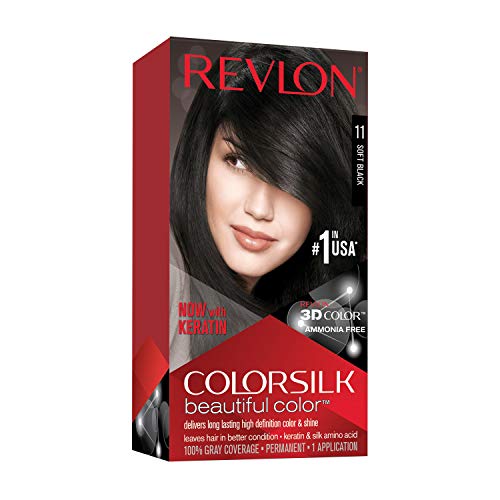
Revlon Colorsilk Permanent Hair Dye, Ammonia-Free, 11 Soft Black (4.4 Oz)

Naturtint 5N Light Chestnut Brown Permanent Hair Color (Pack of 6)

Naturtint Color Care Shampoo for Color-Treated Hair
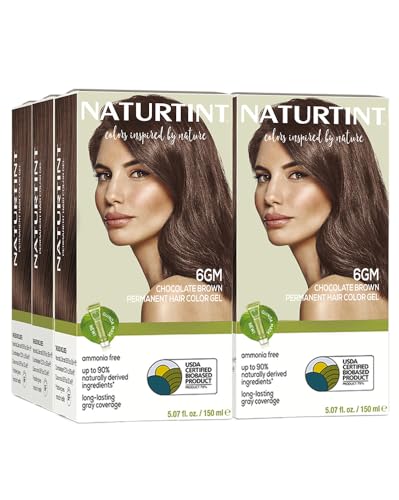
Naturtint 6GM Chocolate Brown Permanent Hair Color (Pack of 6)
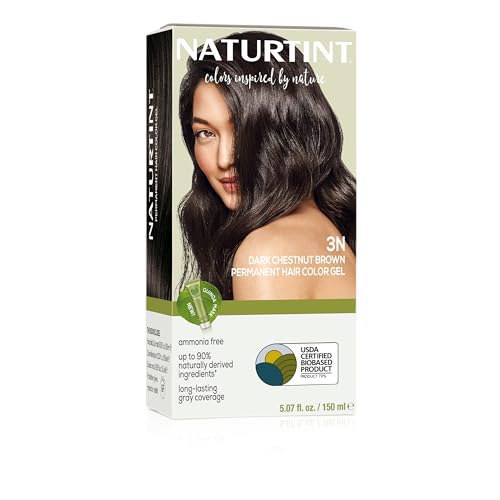
Naturtint 3N Dark Chestnut Brown Permanent Hair Color (Pack of 1)
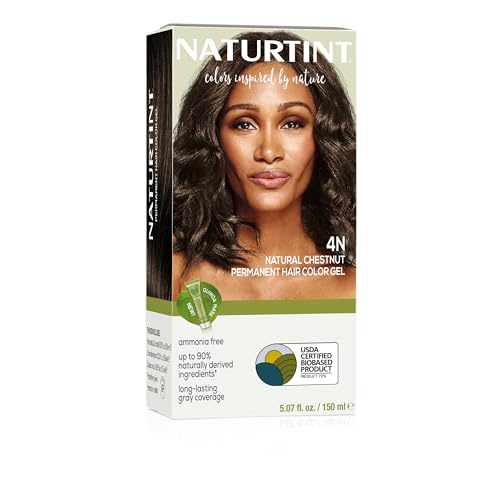
Naturtint 4N Natural Chestnut Permanent Hair Color (Pack of 1)
More On The Choices That Made The List
Magenta on natural hair without bleach is a tall order, and Good Dye Young leans into it by marketing a dark-base-friendly magenta. The 5 fl oz bottle gives enough product for shoulder-length coils with some left over for a refresh pass.
Unlike the botanical route taken by Light Mountain later on this list, this formula relies on a conditioning semi-permanent base that deposits pigment on top of the strand. For naturals who want a vivid wash that fades on its own, that’s the right starting premise.
The Case For It
- Designed to show on darker bases without pre-lightening
- Conditioning formula that treats dye day like a deep-conditioning session
- Fade-out pattern that avoids harsh lines as roots grow in
- 5 fl oz bottle covers medium-length natural hair generously
Honest Caveats
- Vivid payoff on virgin 4C hair may read more auburn than magenta
- Pigment can transfer onto pillowcases and towels during the first few washes
Who It Suits Best
Curly and coily wearers who want a bold fashion shade for a season without committing to permanent color.
A Better Fit Elsewhere
Shoppers leaning toward chemical-free, plant-based coloring should look at the Light Mountain Henna option further down the list.
Light Mountain trades modern cosmetic chemistry for a pure henna leaf powder mixed with botanicals, which positions it as a true chemical-free option for naturals with reactive skin. The 4 oz pack of 3 means you can repeat treatments across several months without restocking.
For someone whose scalp flares up with PPD (para-phenylenediamine, a common dye allergen) or ammonia, this is the gentlest route on the list. It colors while it conditions rather than layering dye over stripped strands.
Practical Pluses
- Free from ammonia, PPD, metallic salts, and peroxide
- Organic henna leaf powder that doubles as a strengthening treatment
- Pack of 3 covers a full year of root refreshes for short cuts
- Functions as both color and deep conditioner in one step
Worth Bearing In Mind
- Red is the dominant tone; switching to cooler shades isn’t an option with this formula
- Mixing and application take longer than a squeeze-tube semi-permanent
- Henna builds up gradually, so going darker is permanent until it grows out
Feature Snapshot
Made For
Allergy-prone naturals who want a botanical red that doubles as a strengthening ritual.
Look Elsewhere When
Anyone chasing cool blue-green tones should skip this for the ARCTIC FOX Aquamarine further down.
Aquamarine is the fantasy-shade benchmark, and ARCTIC FOX’s 8 fl oz jug is the size to commit to when you want saturated teal across longer lengths. The brand is vegan and cruelty-free, which matters for shoppers building a fully plant-aligned routine.
While Good Dye Young targets dark bases, ARCTIC FOX leans into pre-lightened territory. Naturals who have lifted their color already, or who are starting from a lighter natural shade, will see the cleanest payoff here.
Notable Upsides
- 8 fl oz bottle handles waist-length hair with room to spare
- Vegan, cruelty-free formulation aligns with many natural-hair routines
- Highly pigmented base reduces the need for multiple coats
- Mixable with other ARCTIC FOX shades for custom tones
Trade Offs To Consider
- Color reads truest on pre-lightened or naturally light hair
- Stains hands, towels, and bathroom surfaces during application
- Longer rinse sessions compared to traditional cream dyes
Right Fit For
Naturals with lifted color who want a vivid turquoise that holds through many washes.
Swap It Out When
Anyone avoiding bleach and chemical processing should consider the Revlon Colorsilk pick instead for a permanent natural shade.
Permanent color has a reputation for drying out natural hair, and Revlon pushes back with an ammonia-free, keratin-enriched formula in shade 11 Soft Black. The 4.4 oz kit is sized for a single full-head application on medium hair.
It also brings 100% gray coverage into play, which the semi-permanent picks above don’t promise. Naturals with salt-and-pepper regrowth get a different tool here: full coverage plus silk amino acid conditioning in the mix.
What It Does Well
- Full gray coverage in one sitting
- Ammonia-free base with keratin and silk amino acids for added softness
- 3D Color Gel Technology aims for natural-looking depth
- Wide shade range beyond Soft Black for future experiments
Factors To Consider
- Still a permanent formula, so grow-out lines are inevitable
- Color-cleansing routine afterward is essential to prevent fading on natural hair
Quick Facts
Best Suited To
Natural-haired shoppers with grays who want permanent coverage without the harsh ammonia smell.
Another Choice May Suit
Anyone avoiding permanent dye entirely should pick the Naturtint 4N Natural Chestnut further down for a softer brown routine.
Naturtint’s 5N Light Chestnut Brown in a pack of 6 changes the cost-per-application math for naturals who color every four to six weeks. The brand skips ammonia, parabens, and heavy metals, leaning on plant-based ingredients for a softer permanent formula.
Compared with the single-box Naturtint 3N later in the list, this multi-pack is built for someone who has committed to a shade and a routine. It also shares the same vegan and cruelty-free credentials that matter for clean-beauty shoppers.
What Earns Its Place
- Six boxes cover a full year of maintenance
- Free from ammonia, parabens, and heavy metals
- Plant-based ingredients aim to leave hair in better shape than before
- Light chestnut brown flatters warm and neutral undertones on natural hair
Honest Caveats
- Up-front cost is higher than single boxes even with long-term savings
- Permanent formula still requires color-safe shampoo to extend results
Whose Shelf It Belongs On
Anyone settling into a signature brown for the year and stocking up in one go.
Where Another Pick Suits Better
Shoppers wanting a single test application first should try the Naturtint 4N single box lower down the list.
Color doesn’t survive on naturals without the right shampoo, and Naturtint’s color-care formula skips parabens, sodium lauryl sulfate, and sodium laureth sulfate (both common stripping surfactants in mainstream shampoos). It pairs directly with the brand’s permanent dyes, so the pH and conditioning agents are tuned to that color chemistry.
Where every other entry on this list deposits color, this one protects what you already paid to put on your strands. For naturals stretching time between salon visits, that matters.
Why It Works Well
- Free from harsh sulfates and parabens that strip fresh color
- Designed for color-treated, dry, or normal hair textures
- Safe for daily use across all hair types
- Direct formula match with Naturtint’s permanent dyes
Trade-Offs To Consider
- Not a standalone color product, so it requires pairing with a dye from this list
- Less sudsy than sulfate shampoos, which can take adjustment
Perfect Match For
Naturals who color regularly and want their shampoo to extend vibrancy between applications.
Consider Something Else When
First-time color shoppers should start with the Naturtint 3N Dark Chestnut Brown single box below instead.
6GM Chocolate Brown is the deeper sibling to the 5N above, and the same pack-of-6 format applies. Naturals leaning toward rich, warm brunette will find this reads more cocoa and less chestnut on most bases.
The plant-based conditioning ingredients carry over from the rest of the Naturtint line, so even though it’s a permanent formula, the experience aims to feel closer to the conditioning semi-permanents on this list.
Notable Gains
- Warm chocolate tone suits deeper natural undertones
- Ammonia-free base reduces harsh chemical odor
- Multi-pack format lowers cost per application
- Vegan and cruelty-free certified
Where It Is Less Suited
- Will read too warm for naturals preferring cool ash browns
- Bulk purchase means you need to commit to the shade
Who Should Grab It
Warm-toned naturals who want a chocolate brunette on rotation year-round.
A Better Fit Elsewhere
Shoppers wanting a neutral or cool brown should reach for the Naturtint 4N Natural Chestnut single box on this list.
3N Dark Chestnut Brown is the deeper, single-box option for naturals who want to test a darker shade without buying six at once. The 5.07 fl oz tube gives one complete application across most hair lengths.
It keeps the same plant-based, ammonia-free formula as the rest of the Naturtint range, so the entry point stays low-risk. You can scale up to the multi-pack version once you confirm the shade suits your undertone.
Well-Handled Touches
- Single-box format perfect for first-time Naturtint users
- Dark chestnut suits deeper natural bases without dramatic contrast
- Ammonia-free permanent color with vegan credentials
- Up to 100% gray coverage for silver strands at the temples
Things To Weigh
- Cost per application is higher than the multi-pack sibling picks above
- Permanent grow-out means planning for root maintenance
At A Glance
Built With In Mind
Natural-haired newcomers who want to try one Naturtint box before committing to the multi-pack.
Not Your Match When
Anyone wanting a bulk yearly supply should jump to the Naturtint 5N Light Chestnut Brown pack of 6.
4N Natural Chestnut sits in the middle of the Naturtint brown scale, which makes it the safest starting point for naturals who want a believable, balanced brunette. The single-box format keeps the experiment low-cost.
It uses the same plant-enriched, ammonia-free base as the rest of the line, and the “N” designation signals a neutral tone, meaning neither warm nor cool dominates. That balance is what most natural-hair shoppers actually want.
Everyday Advantages
- Neutral undertone flatters the widest range of natural skin tones
- Ammonia-free permanent dye with up to 100% gray coverage
- Plant-based formula keeps strands from feeling stripped
- Vegan and cruelty-free for clean-beauty routines
Some Limits To Know
- Neutral brown can read flat on hair that needs warmth or dimension
- Permanent color requires color-safe shampoo to maintain shine
Who Will Love This
Natural-haired shoppers wanting a believable everyday brown without veering warm or cool.
Where A Sibling Pick Shines
Anyone drawn to warm chocolate tones will be happier with the Naturtint 6GM Chocolate Brown multi-pack higher on the list.
Factors That Matter When Choosing semi permanent hair colors for natural hair
Match The Formula To Your Base
Natural hair comes in curl patterns from 3A to 4C, and each absorbs color differently. Tight coils tend to resist pigment more than looser waves, so starting shade and porosity (your hair’s ability to absorb moisture and product) decide whether a vivid tone reads true or muddy. Pre-lightening levels the field for fantasy shades like Aquamarine, while chestnut browns and chocolate browns work directly on virgin natural bases.
Decide Between Semi-Permanent And Permanent
Semi-permanent dyes coat the hair shaft and fade gradually over weeks, which suits experimental color play. Permanent dyes chemically alter the strand and last until grown out, which suits low-maintenance root touch-ups. Naturals with active scalp conditions often do better with semi-permanent or botanical henna, while those wanting full gray coverage need permanent formulas with ammonia-free bases.
Read The Ingredient List
Skip formulas with ammonia, PPD (a known irritant), and harsh sulfates when your scalp reacts easily. Plant-based dyes like henna and Naturtint’s permanent range offer gentler processing without sacrificing color payoff. Pair any permanent color with a sulfate-free shampoo to extend results across weeks.
Think About Long-Term Maintenance
Buying a six-pack lowers the per-application cost if you color regularly. Pairing your dye with a matching color-care shampoo keeps vibrancy alive between sessions. The honest read is that the cheapest up-front option often costs more in faded color and replacement bottles over a year.
Key Considerations Across These Picks
Common Shopping Slip Ups
The biggest mistake is choosing a shade based on the box color rather than your current base. Naturals often expect a “chestnut” to match the model photo, only to find it pulls too warm or too cool against their undertone. Another slip is skipping the strand test (a small hidden swatch behind the ear to preview results) before committing to a full application.
Where The Extra Money Goes
Higher-tier options like multi-packs and plant-based formulas cost more because of certified ingredient sourcing and ammonia-free chemistry. The upgrade pays off when your hair stays softer across multiple sessions and you skip the salon entirely. For one-time experimenters, the single-box picks deliver the same color chemistry without the bulk commitment.
Frequently Asked Questions
How long does semi-permanent color last on natural hair?
Most semi-permanent formulas last anywhere from a few weeks to several months on natural hair. Curlier textures and lower porosity hold pigment longer because the cuticle layer resists rinse-out, while frequent washing shortens the fade timeline significantly.
Can you use these dyes on 4C hair without bleach?
You can, though the final result depends on your starting shade and the chosen color. Vivid fashion shades show better on pre-lightened hair, while deeper tones like chestnut and chocolate read naturally on unbleached 4C bases.
Are ammonia-free permanent dyes safer for natural hair?
They tend to be gentler on the scalp during processing and reduce harsh odor, but they still alter the hair’s structure permanently. Pairing them with deep conditioning and color-safe shampoo keeps natural hair resilient across repeat applications.
Will henna work over previously colored hair?
Henna builds up on top of existing color and can shift results unpredictably, especially over chemically processed strands. A strand test on a hidden section gives you a real preview before committing to a full head application.
How often can you recolor natural hair with permanent dye?
Most permanent formulas recommend waiting four to six weeks between full applications to let the scalp recover and the strand settle. Stretching time with color-safe shampoo and targeted root touch-ups keeps the routine sustainable for natural hair.
Final Verdict
Natural hair responds best to formulas that respect its texture while still delivering the shade you want. Match the dye type to your maintenance style, lean on ammonia-free bases when your scalp is reactive, and pair every permanent color with a sulfate-free shampoo. Browse the list above, weigh your base shade and routine against each pick, and you’ll land on a color worth wearing through the next few months.
