

Facial scarring catches light differently depending on the angle, which is why the right topical approach matters more than most people expect. Whether you’re dealing with old acne marks, a fresh surgical line, or texture that just won’t settle, silicone-based formulas do most of the heavy lifting in this category. Moisturizing oils and butters can play a supporting role, especially when the goal is keeping skin pliable during healing. The picks below cover a spread of textures, sizes, and routines, from a travel-friendly twist stick to a clinic-grade gel with built-in sun protection.
Your Options, Compared

Suquato Silicone Scar Stick (20g)

Plant Guru Jojoba Oil 8 fl. oz. Cold Pressed

Biocorneum Silicone Scar Gel w/ Silishield SPF 30 (50g)

Biocorneum Silicone Scar Gel SPF 30 (10g)

Biocorneum Silicone Scar Gel SPF 30 (20g)

Biocorneum Silisilk 100% Silicone Scar Gel (30g)
Biocorneum Silicone Scar Gel Water-Resistant (50g)

Better Shea Butter Cocoa Butter 8 oz Block
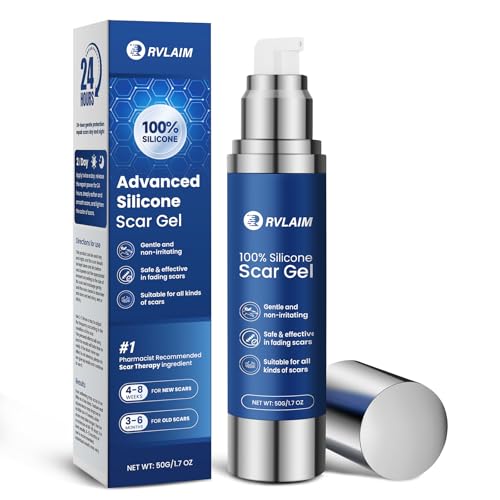
Rvlaim 100% Advanced Silicone Scar Gel (50ml)
Meet The Standout Selections
The twist-stick format sets this one apart from the gels ahead. Where most silicone scar treatments arrive in squeeze tubes that demand fingertip precision, the Suquato Silicone Scar Stick glides on like a balm, depositing a concentrated silicone layer directly onto the scar line without messy transfer. That makes it a thoughtful choice for commuters who reapply during the day or for anyone treating small facial scars near the eyes or hairline where a finger becomes unwieldy.
At 20 grams, the size lands in the practical middle, big enough to last through several weeks of twice-daily use, compact enough to slip into a gym bag. The concentrated silicone formula is described as forming a breathable moisture barrier, which matters because scars need hydration to soften and flatten over time. For most people with raised or freshly closed scars, that breathable barrier is the core mechanism that makes silicone treatments work at all.
Benefits That Matter
- Twist-stick applicator cuts down on finger contact and waste, which helps during longer routines
- Concentrated silicone forms a breathable barrier that supports both new and older scar tissue
- Targeted tip works well around delicate facial areas like the jawline or under-eye region
- Portable 20g size fits easily into a toiletry kit or desk drawer for midday reapplication
- Listed as suitable for surgical, C-section, acne, stretch, burn, and raised scars, giving it real range
Things To Consider
- Stick format delivers a thinner layer than thicker gel tubes, so some users layer it under a gel for overnight use
- No SPF included, so daytime use calls for a separate sunscreen over the treated area
Key Product Details
Whose Shelf It Belongs On
Anyone juggling a busy schedule who wants precise, no-mess scar application throughout the day.
A Better Fit Elsewhere
For people who prefer a gel texture with built-in SPF, the Biocorneum Silicone Scar Gel SPF 30 (20g) covers both bases in one step.
Jojoba oil occupies a different corner of the scar-care category than the silicone gels ahead. It’s a carrier oil pressed from jojoba seeds, and its molecular structure closely mimics the skin’s own sebum, which is why it absorbs quickly without leaving a heavy film. For facial scar care, that means it works best as a hydration support step, softening the skin so other treatments penetrate more evenly, rather than as the primary scar-flattening agent.
The cold-pressed and unrefined processing matters because it keeps the oil’s natural composition intact. At 8 fluid ounces, the bottle is generously sized for face, body, and even hair use, which suits anyone who wants one multi-purpose bottle on the counter. Compared with the Suquato stick above, this one trades targeted scar delivery for whole-area moisture and routine flexibility.
The Value In It
- Cold-pressed extraction preserves the oil’s natural fatty acid profile
- Mimics skin sebum, so it absorbs without clogging pores or leaving residue
- Large 8 fl. oz. bottle stretches across face, body, and DIY recipes
- Listed for skin, body, face, hair, and massage use
Worth Noting
- Not a standalone scar-fading formula; works best alongside a silicone-based treatment
- Lacks SPF, meaning daytime routines still need separate sun protection on treated areas
- Pour-bottle format can get messy near clothing, so most users apply it from a smaller dropper
Who It Suits Best
People with dry or dehydrated facial skin who want a versatile, plant-based oil to layer under or around silicone scar treatments.
Consider Something Else When
For a single-bottle scar routine with built-in sun protection, the Biocorneum Silicone Scar Gel SPF 30 (50g) handles hydration, silicone, and SPF in one tube.
This 50-gram tube is the largest SPF option in the Biocorneum range, and the Silishield crosslinked silicone technology sets a high bar for facial scar treatment. Crosslinked silicone, in plain terms, is a denser polymer network that sits on the skin longer than basic silicone, which means more continuous contact between the formula and the scar surface. For people committed to a long-term facial scar routine, that extended contact adds up across months of twice-daily use.
The built-in SPF 30 removes a step that most scar patients forget, because fresh scar tissue is especially vulnerable to UV-driven darkening. Compared with the Plant Guru oil above, this gel skips the hydration-only role and acts directly on the scar while shielding it from sun exposure. For anyone healing from facial surgery or resurfacing, that combined approach is the practical advantage.
Noteworthy Benefits
- Crosslinked silicone creates a longer-lasting protective layer than standard silicone formulas
- SPF 30 is integrated into the gel, removing the need for a separate sunscreen layer over the scar
- 50-gram tube supports long-term routines without frequent replacement
- Used after surgical procedures where plastic surgeons commonly recommend silicone-based care
Points To Note
- Larger tube means a bigger upfront commitment than the 10g version, which may feel heavy for first-time users
- SPF protection only lasts about two hours under direct sun, so reapplication matters on bright days
Feature Snapshot
Made For
People recovering from facial surgery or resurfacing who want a long-lasting silicone plus SPF in one step.
Not Your Match When
For a smaller, lower-commitment starter size, the Biocorneum Silicone Scar Gel SPF 30 (10g) lets you test the routine before sizing up.
The 10-gram tube is the smallest format in the Biocorneum silicone range, and that small footprint matters for anyone just starting a scar routine. Trying a new product on sensitive facial skin calls for a low-commitment size, and this one delivers the same Silishield crosslinked silicone technology as the 50-gram version above in a pocket-friendly package. For first-time users, it’s the practical entry point.
The fast-drying texture earns its keep in morning routines. Where thicker creams can pill under makeup or sunscreen, this formula is reported to dry quickly and leave a flexible layer on the skin. The 60-day and 90-day improvement windows for new and old scars respectively come straight from the brand’s recommended timeline, which gives a clear sense of what consistent twice-daily use is supposed to look like.
What Pays Off
- Small 10-gram tube lowers the upfront commitment for first-time scar gel users
- Fast-drying finish plays well under makeup, sunscreen, and other daytime products
- SPF 30 protects new and healing scars from UV exposure in one step
- Brand guidance specifies visible texture changes in roughly 60 days for new scars and 90 days for older ones
Trade Offs
- Small tube runs out quickly with twice-daily use, so most users graduate to the 20g or 50g size
- SPF protection requires reapplication every two hours in direct sun
Right Fit For
Beginners who want to test a silicone plus SPF routine on a small area before committing to a larger tube.
Look Elsewhere When
For an established routine on larger facial or body scars, the Biocorneum Silicone Scar Gel SPF 30 (50g) offers the same formula in a longer-lasting size.
The 20-gram Biocorneum tube sits comfortably between the 10-gram trial size and the 50-gram long-term option. That middle position is what makes it a balanced pick for most face scar routines, large enough to last through several weeks of twice-daily use, small enough that it doesn’t overwhelm a medicine cabinet. It carries the same Silishield crosslinked silicone and SPF 30 combination as the rest of the line.
For someone who has already tested the 10g tube above and decided the formula works, this is the natural step up without jumping straight to the largest size. The crosslinked silicone forms that longer-lasting barrier on the skin, which is the practical mechanism that gives silicone scar treatments their reputation. Layered over freshly closed scars, the SPF component keeps healing tissue from picking up extra pigment during everyday outdoor exposure.
Everyday Perks
- Mid-size tube strikes a balance between cost per gram and replacement frequency
- Same Silishield silicone as the larger and smaller tubes, so no formula compromise when sizing up
- Built-in SPF 30 simplifies morning routines on healing facial scars
- Suits established routines on small to mid-size scar areas
Honest Caveats
- Still requires sunscreen reapplication during extended outdoor time, since SPF protection fades
- Smaller than the 50-gram version, so high-usage routines may run through it quickly
Who Should Grab It
Anyone with an established facial scar routine who wants the Biocorneum formula in a practical mid-size tube.
Another Choice May Suit
For overnight scar care without SPF layering, the Biocorneum Silisilk 100% Silicone Scar Gel (30g) keeps things simple before bed.
The Silisilk gel drops the SPF from the rest of the Biocorneum range and leans into texture instead. The soft-touch, silky finish is the headline feature, because scar gels that leave a tacky film can interfere with sleep position or pillowcases. For overnight use, that comfort gap matters more than it sounds.
The 30-gram tube is sized for daily routines without the larger footprint of the 50-gram tubes ahead. Without sun protection in the formula, this gel is best applied at night, with a separate SPF product taking over during the day. Compared with the Biocorneum SPF 30 (20g) above, this one trades built-in UV defense for a smoother, non-greasy feel that layers comfortably under richer night creams.
Where It Delivers
- Soft-touch, silky finish reduces the sticky feel common to silicone scar gels
- Dries without greasy residue, which helps during sleep or under layered products
- Non-SPF format suits nighttime routines without conflicting with morning sunscreen
- 30-gram tube fits comfortably into a daily-use rotation without taking up counter space
Points To Keep In Mind
- No sun protection means daytime routines still require separate SPF on healing scars
- Mid-size tube may run short during full-face routines, especially on larger scars
Core Details
Best Suited To
People who prefer a smooth, non-tacky overnight silicone layer and already use a separate daytime sunscreen.
Skip It When
For a single-step morning routine that includes sun protection, the Biocorneum Silicone Scar Gel SPF 30 (50g) covers silicone and SPF together.
Water resistance is the practical edge on this 50-gram Biocorneum tube. Where standard silicone gels can wash off during sweaty workouts or rainy commutes, a water-resistant formula is described as holding its layer on the skin longer through those moments. For people with active outdoor routines, that durability is the feature that decides whether the morning application actually lasts until the evening reapplication.
The fast-drying texture matches the rest of the Biocorneum SPF line for daytime layering, which means it sits comfortably under makeup and sunscreen without pilling. Compared with the Silisilk gel above, this one trades the soft nighttime finish for a tougher daytime barrier. For facial scar care that has to survive a workout, a commute, or a humid climate, water resistance earns its place in the routine.
The Upside
- Water-resistant layer holds up through sweat, light rain, and humid conditions
- 50-gram tube supports long-term daily use on multiple scar areas
- Fast-drying finish layers under makeup and sunscreen without pilling
- Larger size reduces replacement frequency for committed routines
Things To Consider
- Lacks SPF, so daytime routines still need a separate sunscreen over the treated area
- Water-resistant does not mean waterproof, so prolonged swimming still washes the layer away
Perfect Match For
Active people with facial scars who sweat through workouts and need a silicone layer that survives the day.
Where A Sibling Pick Shines
For scar care that also includes built-in UV defense, the Biocorneum Silicone Scar Gel SPF 30 (50g) handles both jobs in one tube.
Cocoa butter takes a different route from silicone-based scar gels, and that difference is worth naming clearly. This 8-ounce block is unrefined cocoa butter in solid form, melting on contact with warm skin. Where silicone gels create a barrier on the scar, cocoa butter works by deeply moisturizing the surrounding skin, which supports the natural moisture barrier during healing.
For facial scar care, the practical role of this block is as a prep step. Skin that is well-hydrated responds better to any scar treatment layered on top, and cocoa butter’s rich, occlusive texture helps seal in moisture overnight. Compared with the Biocorneum water-resistant gel above, this one steps away from polymer technology and leans into traditional emollient care. The naturally rich chocolate aroma is a reminder that this is an unrefined, minimally processed product.
The Case For It
- Unrefined cocoa butter retains its natural fatty acid composition
- Solid 8-ounce block lasts through months of small daily portions
- Melts on contact, which spreads easily across facial scar areas
- Supports skin’s natural moisture barrier during the scar remodeling phase
Softer Spots
- Solid block requires warming between fingers before application, which slows down quick routines
- No silicone content, so it works best as a complementary step rather than a standalone scar treatment
- Rich texture can feel heavy on already-oily facial skin during warmer months
Who Will Love This
People with dry facial skin who want a rich, traditional moisturizer to support scar care routines from the outside in.
Reach For A Different Pick When
For a silicone-first scar treatment with built-in SPF, the Biocorneum Silicone Scar Gel SPF 30 (20g) does the scar work directly without the rich occlusive layer.
The Rvlaim gel closes the list as a versatile silicone option that targets both old and new scars. The brand lists suitability across surgical, C-section, burn, hypertrophic, keloid, and stretch-related scars, which gives it real breadth for households juggling multiple scar types at once. For facial application, the gel texture spreads thinly and dries into a flexible layer that holds through the day.
At 50 milliliters (about 1.7 ounces), the tube lands in a similar size bracket to the Biocorneum 50-gram options but without the SPF integration. That tradeoff shows up clearly in routines that require separate sunscreen layering. Compared with the Biocorneum water-resistant gel above, this one targets scar versatility rather than workout durability, and the silicone is described as supporting both raised and discolored scar appearance over time.
A Strong Showing
- Targets a wide range of scar types, including keloid, hypertrophic, surgical, and stretch marks
- Listed for both new and existing scars, which suits long-term households with mixed scar histories
- 50ml tube is sized for several weeks of twice-daily use
- Gel texture dries into a flexible layer that holds through daily movement
Factors To Consider
- Lacks SPF, so daytime routines need a separate sunscreen step on healing scars
- Gel alone may feel thin compared with richer cream or butter textures for users with dry skin
Feature Snapshot
Built With In Mind
People managing several different scar types at once who want one versatile silicone gel across face and body.
Swap It Out When
For a single-bottle morning routine with built-in UV defense, the Biocorneum Silicone Scar Gel SPF 30 (20g) keeps the steps shorter.
Choosing the Right Scar Formula for Your Face
Scar care gets practical when you match the formula to the scar itself. Raised or freshly closed scars respond best to silicone-based treatments, because the silicone forms a breathable barrier that supports hydration during the remodeling phase. Older, flatter scars benefit more from consistent moisturizing and, in some cases, gentle resurfacing ingredients layered over time. For most facial scars, silicone stays the foundational choice because it works on both new and old tissue without the irritation risk that comes with stronger actives.
Texture matters more than people expect. Gels dry into a flexible film that holds under makeup and sunscreen, which suits daytime routines. Butters and oils absorb into the surface for richer overnight care. Twist sticks offer precise application near delicate areas like the eyes or lips. The honest read is that combination routines often work better than single products, especially during the first six months when scars change the most.
SPF is the non-negotiable companion to any daytime scar routine. UV exposure on healing tissue can deepen discoloration and stretch the remodeling timeline, which is why the Biocorneum SPF 30 options above integrate that step directly. If your chosen formula does not include SPF, plan to layer a separate broad-spectrum sunscreen over the treated area every morning, and reapply during extended outdoor time.
Reading the Labels: What Actually Matters
Common Shopping Slip Ups
The first trap is treating scar creams like general moisturizers. Most scar formulas are designed to sit on the skin as a barrier, not to absorb deeply, so applying them like a face cream by rubbing aggressively can waste product and irritate healing tissue. A thin, even layer that dries in place tends to work better than a thick, massaged application.
The second slip is skipping SPF during the scar remodeling phase. Even small amounts of daily UV exposure on healing facial tissue can darken a scar permanently. Any daytime routine without broad-spectrum sun protection over the treated area adds months to the visible fading timeline.
Where The Extra Money Goes
Premium silicone scar gels typically invest in denser polymer networks, like Biocorneum’s crosslinked Silishield technology, that hold contact with the skin longer than basic formulas. That longer contact time is the mechanism behind the brand’s stated 60-day and 90-day improvement windows, and it is what separates clinical-grade products from basic drugstore options.
Higher-tier products also tend to add complementary features like integrated SPF, water resistance, or smoother textures that play well with other products. Those extras matter most for people who plan to apply the formula twice daily for several months, because small comfort and convenience gaps add up across a long routine.
Frequently Asked Questions
How long does it take for silicone scar gels to show results?
Most silicone-based formulas are designed around a 60-day window for new scars and a 90-day window for older scars, with twice-daily application as the typical baseline. Consistency matters more than any single ingredient choice, especially during the first two months.
Can scar fillers be used on the face every day?
Silicone scar gels and oils are typically designed for daily use, often twice a day, but always follow the specific guidance on the product label. Facial skin tends to be more sensitive than body skin, so starting with once-daily application and building up is a reasonable approach for first-time users.
Do scar fillers work on old scars as well as new ones?
Silicone-based formulas are among the few topical options described as effective on both new and existing scar tissue, though older scars usually need the longer end of the recommended timeline. Butters and oils tend to play a supporting role on older scars rather than driving the visible change.
Is SPF really necessary when using scar fillers?
Sun protection matters most during the active remodeling phase of a scar, when UV exposure can deepen discoloration and slow visible fading. Scar formulas with integrated SPF 30 simplify morning routines, while separate sunscreen works for non-SPF formulas.
Can I use makeup over silicone scar gel?
Most silicone scar gels are designed to dry into a flexible, breathable layer that holds under makeup without pilling. Waiting a few minutes after application for the gel to set helps the makeup layer apply more evenly.
The Takeaway
Facial scar care rewards consistency over hero ingredients, and the right match depends on scar type, routine style, and whether sun protection is part of the formula. Silicone-based gels do most of the structural work for both new and existing facial scars, and butters or oils add hydration support around them. Pick the format that fits the routine you can actually maintain, morning and night, for several months. That habit matters more than any single tube.
