

Makeup on reactive skin comes with real trade-offs. Most foundations settle into patches, cling to dry spots, or sting the moment they touch a flushed cheek. A primer built for rosacea does the opposite, acting as a buffer between skin and pigment while keeping the surface hydrated, even-toned, and breathable. This lineup collects nine options worth your shelf space, from green-tinted correctors to mineral SPF bases, and explains how each one earns its place in a routine built around sensitivity.
The Lineup, Simplified
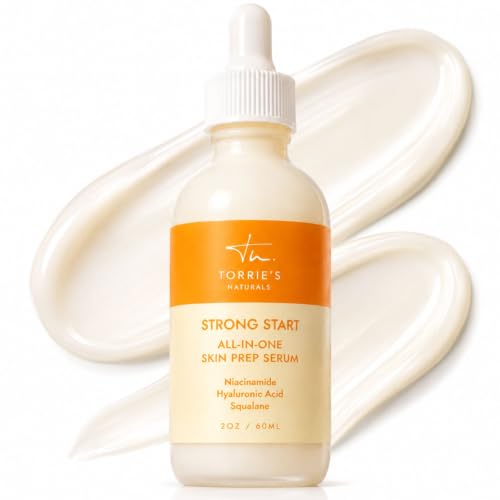
Torrie’s Naturals Hydrating Primer Plus Serum

Moira Rose Jelly Hydrating Primer

Dr. Denese SPF 40 Defense Day Cream 4 oz

NYX Bare With Me Cannabis Sativa SPF 30 Primer

Bodyography Foundation Primer, Green, 1 oz
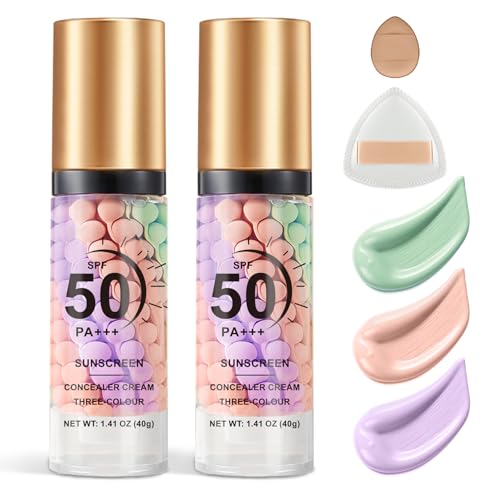
QIUFSSE 2PCS Color Correcting Primer
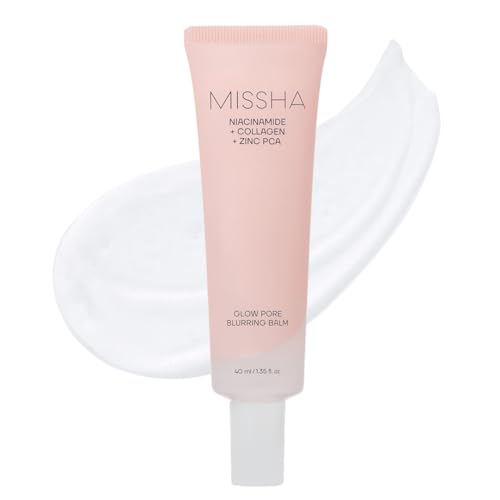
MISSHA Glow Pore Blurring Balm Primer 1.35 oz

W7 Prime Magic Face Primer

Xiuxixu 3 In 1 SPF 50 Color Corrector Primer
The Picks, Examined More Closely
Think of this as a serum that moonlights as a primer. Torrie’s Naturals built it around hyaluronic acid (a moisture-binding molecule that holds many times its weight in water) and niacinamide (a form of vitamin B3 known for supporting the skin barrier), aiming at skin that feels tight by mid-afternoon. The texture is thin and almost watery, which means foundation sits on top rather than sinking into creases around the nose or eyes.
For someone whose rosacea flares into dryness during colder months, this layering approach is practical. It slips cleanly under tinted moisturizer or mineral foundation without pilling. The plumping effect is subtle rather than dramatic, but over weeks of daily use the surface tends to look more even.
Real-World Strengths
- Hyaluronic acid pulls moisture into the surface, which softens the dry patches that often sit alongside redness.
- The lightweight fluid absorbs quickly, so foundation doesn’t drag or streak during application.
- Niacinamide helps support a calmer-looking barrier over time, useful for skin that flushes easily.
- The 2-in-1 serum format saves a step on rushed mornings.
- Plays well under mineral SPF and silicone-based formulas alike.
Worth Noting
- Coverage is minimal, so heavy discoloration still needs a separate color corrector.
- The pump dispenser can drip if you don’t prime it on the first use.
Who It Suits Best
Mature shoppers dealing with dryness and visible fine lines alongside their rosacea will find the most daily use from this layering pick.
Consider Something Else When
The Moira Rose Jelly Hydrating Primer makes more sense for anyone prioritizing a clean, vegan formula over the serum-driven hydration here.
Moira leans into a jelly-gel texture that feels cool on contact, which is a small but real comfort on a hot, flushed cheek. The formula skips parabens, sulfates, phthalates, and gluten, and it’s both vegan and cruelty-free, which matters to anyone reading ingredient lists like a second language. The tint is barely there, more of a faint rose wash than a pigmented layer.
Compared with the Torrie’s serum primer, this one trades active treatment ingredients for a softer sensory experience. It doesn’t claim to fade dark spots or smooth wrinkles. What it does offer is a cushiony base that grips foundation without gripping the skin, and that balance is the point.
What It Does Well
- The jelly texture feels soothing on reactive, post-cleansing skin.
- Free from parabens, sulfates, and phthalates for ingredient-conscious routines.
- Vegan and cruelty-free credentials fit a wide range of values-based choices.
- Layers cleanly under liquid and powder foundations alike.
Trade Offs
- Doesn’t include sunscreen, so you’ll need a separate SPF step.
- Hydration feels surface-level; very dry skin may still want a serum beneath.
- The soft tint won’t neutralize strong redness on its own.
Made For
Shoppers who care about ingredient transparency and want a comfort-first base that won’t clog reactive pores.
Look Elsewhere When
Anyone needing actual sun protection in the same step should pivot to the NYX Bare With Me Cannabis Sativa SPF 30 Primer.
Dr. Denese packages her day cream as a hybrid tinted moisturizer and sunscreen, with SPF 40 built into a universal shade that adapts on contact. The 4 oz jar is generous, almost double what most primers ship in, which positions it as a daily replacement for a separate moisturizer-plus-SPF pairing. For rosacea-prone skin, daily UV protection is one of the few evidence-backed habits that visibly calms flares over time.
Coverage sits in the BB-cream range: sheer enough to let freckles peek through, pigmented enough to blur mild redness. It’s a different lane from the gel-based Moira primer or the serum-style Torrie’s pick. Think of it less as a canvas and more as a finished look on its own.
Strengths Worth Knowing
- SPF 40 protects against UVA (aging) and UVB (burning) rays in a single morning step.
- The 4 oz size stretches further than typical primer tubes.
- Universal shade adapts to multiple skin tones without an obvious ashy cast.
- Hybrid format replaces moisturizer, sunscreen, and light foundation for minimalists.
Points To Keep In Mind
- The jar format means fingers dip in directly, which can introduce bacteria over time.
- SPF protection breaks down with sweat and touch, so midday reapplication still matters.
- Tinted finish may be too much coverage for those who prefer a true invisible primer.
Best Suited To
Anyone building a stripped-back routine where sun defense and light coverage share the same jar.
A Better Fit Elsewhere
Those who want a colorless base that disappears under foundation should reach for the W7 Prime Magic Face Primer instead.
NYX built this one around Cannabis Sativa seed oil, a non-psychoactive hemp derivative rich in linoleic acid (an omega fatty acid that supports the skin barrier). The claim is 24 hours of soothing hydration paired with SPF 30 broad-spectrum coverage. The formula is colorless, which is rare for a sunscreen primer and useful when you don’t want a white cast sitting under tinted foundation.
Against the Dr. Denese day cream, this is a much thinner, more traditional primer. You wear it under makeup, not in place of it. The texture spreads easily and absorbs without the tackiness some SPF primers leave behind.
Where It Helps
- Hemp seed oil soothes reactive skin and reinforces the moisture barrier.
- SPF 30 broad-spectrum protection guards against both aging and burning rays.
- Colorless finish won’t shift the undertone of foundation layered above.
- Works as a standalone SPF on no-makeup days.
Honest Caveats
- SPF 30 is the minimum dermatologists suggest; very sun-exposed routines may want higher.
- The hemp scent is mild but present, which may bother fragrance-sensitive users.
Who Should Grab It
Daily commuters who want one product to bridge skincare and UV defense without changing foundation shade.
Swap It Out When
Shoppers needing higher SPF plus color correction should look at the Xiuxixu 3 In 1 SPF 50 Color Corrector Primer instead.
This is the most targeted redness-corrector on the list. Bodyography’s green primer is built on color theory: green pigment sits opposite red on the color wheel and neutralizes it visually. The 1 oz tube is small, but a little goes a long way because you pat it only on the flushed zones, not across the whole face.
Pair it with a sheer, skin-tone foundation and the redness that survives a moisturizer and SPF tends to disappear. It’s a different tool than the allover primers from NYX or Moira, more of a spot treatment in primer form.
A Few Highlights
- Green pigment neutralizes visible redness on contact.
- Fills fine lines and pores to create a smoother canvas for foundation.
- Works well on oily and combination skin types that tend to slide.
- A little product stretches across the entire T-zone.
Where It May Fall Short
- Green tint can look ashy if applied too generously across the whole face.
- The 1 oz size runs out faster than larger tubes if used daily.
Perfect Match For
Anyone with stubborn flushing across the cheeks or nose who wants targeted pigment correction before foundation.
Not Your Match When
The QIUFSSE 2PCS Color Correcting Primer offers more versatility with multiple pigment shades if your redness varies by zone.
QIUFSSE ships a two-pack of color-correcting primers with three pigments working together: purple to brighten dull areas, green to cancel redness, and pink to lift dark circles. It’s pitched as a multi-zone solution for anyone whose rosacea coexists with uneven tone or fatigue shadows.
The format differs from the Bodyography single-green tube. You get two separate products to layer or swap, which adds versatility but also a small learning curve on application order. SPF 50 broad-spectrum protection sits inside the formula, a notable step above most primers on this list.
Everyday Wins
- Three pigments handle dullness, redness, and dark circles in one set.
- SPF 50 broad-spectrum coverage exceeds most primers in this category.
- The two-pack format lets you keep one at home and one in a travel kit.
Some Limits To Know
- Multiple pigments mean a small trial period to learn which goes where.
- Higher SPF can feel slightly heavier in humid weather.
The Right Fit
Shoppers managing redness plus dullness or dark circles who want sun protection built into the same step.
Reach For A Different Pick When
Anyone who needs an all-in-one with a lighter touch should consider the MISSHA Glow Pore Blurring Balm Primer for a more minimal approach.
MISSHA leans on fermented Rosa Damascena Flower Water (rose distillate processed to concentrate its soothing compounds) for the hydration side of the formula, then layers a balm-style texture that blurs the look of pores without flattening the skin. The 1.35 oz tube is a touch larger than most, which is fair given the balm tends to feel richer on application.
Compared with the Torrie’s serum primer, this one trades lightness for a soft-focus finish. It doesn’t try to treat rosacea; it tries to give the surface a smoother, more even look before foundation goes on. The glow is subtle, almost satin rather than dewy.
Useful Highlights
- Fermented rose water supports hydration without heaviness.
- The balm texture blurs visible pores and uneven texture.
- Leaves a soft satin glow that reads healthy rather than shiny.
- The 1.35 oz size outlasts many standard primer tubes.
Things To Weigh
- The balm format may feel rich on very oily skin in summer months.
- No built-in SPF, so layering sunscreen on top is required.
Who Will Love This
Shoppers with combo or normal skin who want pore-blurring plus hydration in a single non-greasy step.
Another Choice May Suit
Those focused strictly on sun defense should pick the NYX Bare With Me Cannabis Sativa SPF 30 Primer for built-in UV coverage.
W7 keeps things deliberately simple: a clear, lightweight primer designed to minimize pores, blur fine lines, and grip makeup in place. No SPF, no pigment, no treatment ingredients. That’s the appeal for anyone who wants a no-fuss base that won’t interfere with the skincare they’ve already curated.
The texture glides on and dries down without the silicone slip some primers leave behind. It sits in a very different lane from the Torrie’s or MISSHA picks, more of a functional smoothing layer than a treatment product.
Everyday Advantages
- Clear formula works under any foundation shade.
- Minimizes the look of pores and blemishes without caking.
- Lightweight feel suits warm-weather routines.
- Typically priced lower than specialty primers on this list.
Points To Note
- No SPF or treatment actives, so it complements rather than replaces other products.
- The shine-free finish can look flat on very dry skin without serum underneath.
Built With In Mind
Shoppers who already own a separate moisturizer and sunscreen and want an affordable smoothing layer to slot between them and foundation.
Where Another Pick Suits Better
Anyone wanting hydration plus sun protection in a single step should turn to the Dr. Denese SPF 40 Defense Day Cream.
Xiuxixu packages a color-correcting primer, sunscreen, and skin-smoothing base in one tube, with three pigment swirls built into the formula. The SPF 50 rating is the highest in this roundup, which matters for fair or sun-sensitive rosacea types who flush easily at the beach or on long commutes.
The texture feels breathable and light rather than occlusive. It’s pitched at shoppers who want the fewest possible morning steps without sacrificing UV coverage. The trade-off is a learning curve with the swirled pigment, which takes a few seconds of finger blending to distribute evenly.
Notable Gains
- SPF 50 broad-spectrum coverage sits at the top of this list.
- Three-in-one format replaces separate sunscreen, primer, and color corrector.
- Breathable wear feels comfortable through long days.
Practical Considerations
- Swirled pigment needs a brief blend before application.
- Higher SPF can feel slightly heavier in very humid climates.
Whose Shelf It Belongs On
Morning minimalists who want maximum UV coverage plus color correction from a single tube.
Skip It When
Anyone who already loves a separate skincare routine should pick the W7 Prime Magic Face Primer for a lighter, more modular base.
What To Weigh Before Choosing a Rosacea-Safe Primer
Rosacea-prone skin responds to fewer ingredients, not more. A primer earns its place by doing one or two jobs quietly: smoothing the surface, calming visible redness, or holding foundation without suffocating the skin beneath. Look for fragrance-free formulas when possible, since added perfume is one of the most common triggers for reactive complexions. Mineral SPF primers (zinc oxide or titanium dioxide based) tend to play nicer with flushing skin than chemical filters, though both can work if your skin has tolerated them before.
Texture matters more than the label on the box. Gel and jelly primers (Moira, NYX) disappear into the skin and suit oilier or combination types. Balm primers (MISSHA) blur pores but can feel heavy in warm weather. Serum primers (Torrie’s Naturals) deliver hydration but offer almost no coverage. Decide which problem you want the primer to solve, then match the format to that job.
Green-tinted correctors (Bodyography, QIUFSSE) work because green pigment cancels red on the color wheel, but only when used sparingly. A heavy green layer will look ashy and settle into fine lines. Patch test any new primer along the jawline for 48 hours before committing it to your full face, especially if your rosacea tends toward the papulopustular type with visible bumps.
Smarter Choices Around These Picks
Pitfalls Shoppers Hit
The most common mistake is choosing a primer with strong actives (retinol, vitamin C, exfoliating acids) and expecting it to soothe rosacea. Active ingredients often trigger flares rather than calm them. Another slip-up is skipping sunscreen because the primer feels like enough protection. Most primers with SPF don’t deliver the full labeled protection unless applied at the density of a dedicated sunscreen. A final trap is buying a silicone-heavy primer to fill pores, then layering water-based foundation over it. The two textures fight each other and the foundation pills within an hour.
When Paying More Pays Off
Higher-priced options like the Dr. Denese day cream and MISSHA balm tend to invest in better formulation stability, more sophisticated pigment dispersion, and longer wear testing. For reactive skin, that often translates to fewer hidden irritants and a more reliable finish. The trade-off shows up clearly when you compare them to budget options. A drugstore primer can absolutely work, but a premium pick typically delivers a smoother blend, less pilling, and a finish that holds up through a full workday. Spending up makes most sense if you wear primer daily or rely on it to do double duty as SPF or color correction.
