

A growing belly, a sudden growth spurt, a fitness transformation: your skin stretches in ways you can’t always predict. A preventative stretch mark cream won’t perform miracles, but a thoughtful, consistent routine helps skin stay supple and resilient through those changes. The nine picks below span pregnancy kits, targeted silicone sticks, lightweight daily lotions, and richer balms, so you can match a formula to your stage and your skin type.
How The Shortlist Stacks Up

Suquato Silicone Scar Stick 20g

Palmer’s Pregnancy Essentials Skin Care Kit (4 Piece)

Mother’s Friend Pregnancy Body & Skin Cream 4 Oz

Babe Laboratorios Anti Stretch Mark Cream 200ml

TriLASTIN Maternity Stretch Mark Prevention Cream + Body Oil

Burt’s Bees Mama Belly Butter, 6.5 oz.
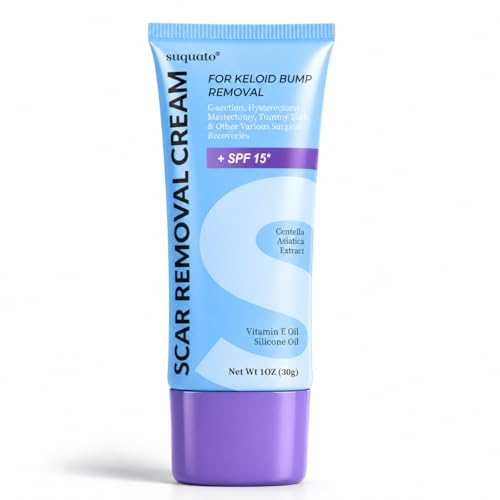
Advanced Silicone Scar Removal Cream 30g

Advanced Silicone Scar Removal Cream

Cicatrissim Stretch Mark Cream for Red and White Striae 150g
The Strengths Of Each Pick
A twist-stick format sets this pick apart from every jar and tube on this list. Rather than rubbing a cream across your whole belly, you glide a concentrated silicone stick directly onto a stretch mark, C-section line, or scar. For people juggling work, a toddler, and a bathroom mirror, that targeted application matters.
The silicone base forms a thin, breathable film that locks in moisture and softens the look of scar tissue over time. It’s compact enough for a gym bag or carry-on, which makes consistent twice-daily use far easier than reaching for a heavy tub.
Practical Pluses
- Stick format means no fingers in the jar, which keeps the formula cleaner over weeks of use.
- Silicone creates a protective moisture barrier that suits both new and older marks.
- Compact size fits a purse, gym bag, or hospital go-bag without taking up real estate.
- Precise tip helps you trace thin lines along a C-section scar or stretch mark cluster.
Things To Weigh Up
- A 20g stick runs out quickly across large areas like a full belly or both thighs.
- Silicone can feel tacky for a few minutes after application, which some users dislike under clothing.
Right Fit For
Anyone who wants a portable, no-mess applicator for targeted lines, scars, or small patches rather than full-belly coverage.
Look Elsewhere When
You need broad, daily hydration across a large bump; Palmer’s Pregnancy Essentials Skin Care Kit covers more surface area for full-routine users.
Most picks on this list handle a single job. This kit hands you four: a stretch mark lotion, a stretch mark cream, a tummy butter balm, and a body oil. That variety matters during pregnancy, when your skin behaves differently from one trimester to the next.
The cocoa butter formula anchors the set, and you can rotate textures depending on mood or weather. A lighter lotion works in humid summer mornings, while the balm steps in when winter air starts pulling moisture from your skin.
Strong Points
- Four products let you build a layered routine instead of relying on a single cream.
- The cocoa butter base appeals to shoppers who prefer traditional, well-known ingredients.
- Covering lotion, cream, butter, and oil gives you options for different body areas and seasons.
- Buying as a kit often costs less than assembling each piece separately on the retailer.
Worth Noting
- The cocoa butter scent can feel strong during the first trimester, when many people are scent-sensitive.
- Four products means more bottles to store on a small bathroom shelf.
Built With In Mind
First-time parents who want a complete routine from one brand rather than piecing one together across multiple orders.
Swap It Out When
Strong fragrances make you queasy; Burt’s Bees Mama Belly Butter offers a fragrance-free alternative with a single, focused texture.
Some products stick around for decades because they solve a simple, repeatable problem. Mother’s Friend is one of them. The 4 oz jar is small enough for a bedside table, and the rich cream goes straight onto dry, itchy, tight-feeling skin.
You don’t need a four-step plan here. A scoop in the palm, a slow rub across the belly and hips, done. The formula is also well-suited to people with delicate skin who want one gentle product rather than a kit of textures.
A Favorable Mix
- Single-jar format removes decision fatigue from your morning routine.
- Formulated to soothe itching, which tends to spike in the second and third trimesters.
- Suitable for sensitive skin, including people who react to heavily fragranced lotions.
- Compact 4 oz size fits easily in a hospital bag or overnight tote.
Honest Caveats
- The thicker texture can feel heavy in warm, humid climates.
- A small jar means more frequent repurchasing for full-body users.
Whose Shelf It Belongs On
Parents-to-be who want one dependable jar rather than a multi-piece set, especially during the itch-heavy later months.
A Better Fit Elsewhere
You want layered hydration across changing seasons; TriLASTIN Maternity Stretch Mark Prevention Cream plus Body Oil gives you cream and oil flexibility.
Clean ingredient lists matter most for people whose skin reads every product like a chemistry test. Babe Laboratorios skips parabens, colourants, and common fragrance allergens, leaving a short, readable formula. The 200ml size also outlasts many pregnancy-specific jars.
The cream targets elasticity and tissue repair, which makes it relevant well beyond pregnancy. Puberty growth spurts, postpartum recovery, and weight-loss transitions all stretch skin in similar ways, and the brand explicitly calls out those scenarios.
Notable Upsides
- Free from parabens, colourants, and common allergens, which lowers the chance of irritation.
- Generous 200ml tub stretches across full-body application for weeks.
- Targets both elasticity and tissue repair, so it suits multiple life stages.
Trade Offs
- Plain, pared-back formulas may feel less luxurious than heavier balms.
- The fragrance-free design might feel plain if you enjoy scented body care.
Best Suited To
Reactive skin types and anyone who reads ingredient labels carefully during pregnancy, postpartum, or fitness transitions.
Reach For A Different Pick When
You prefer a richer, buttery texture; Burt’s Bees Mama Belly Butter delivers that classic balm feel with cocoa and shea butters.
You don’t have to choose between cream and oil when this duo hands you both. The 4 oz prevention cream carries plant-based extracts like shea butter and vanilla, while the 3.4 oz oil handles massage moments and locks in the cream underneath.
The bundle also covers about a month of consistent use, which makes it easy to evaluate before committing to a full-size commitment. Hypoallergenic framing suits postpartum skin, which can read more sensitively than usual.
Reasons It Performs
- Cream-and-oil pairing supports a layered approach rather than forcing one texture choice.
- Plant-based extracts like shea and vanilla appeal to shoppers avoiding synthetic-heavy formulas.
- Marketed as hypoallergenic, which helps with reactive postpartum skin.
- The roughly one-month window works well for gifting or test-driving a new routine.
Points To Keep In Mind
- A bundle format costs more upfront than a single jar.
- Two bottles take up more storage space in a small bathroom.
Who It Suits Best
People who enjoy layering textures and want to compare cream versus oil results on their own skin.
Not Your Match When
You prefer a single, fuss-free product; Mother’s Friend Pregnancy Body & Skin Cream keeps things to one jar.
Butters are the heavyweight option in this category, and Burt’s Bees leans into that with cocoa, shea, and jojoba butters. The result feels rich on the skin without leaving a greasy film, and the 6.5 oz jar holds enough for full-belly coverage across weeks.
The fragrance-free formula is the quiet hero here. Scent sensitivity is common during pregnancy, so a butter that softens without announcing itself tends to get used more often, which matters more than any single ingredient.
The Practical Payoff
- Cocoa, shea, and jojoba butters provide deep moisture for parched belly skin.
- Unscented design suits scent-sensitive pregnancies and shared households.
- 6.5 oz jar outlasts smaller competitors across full-belly use.
- Rich texture doubles as a massage medium during application.
Possible Compromises
- Heavy butter texture can feel too thick in humid climates.
- A glass or plastic tub takes up more shelf space than a slim tube.
Made For
Anyone who wants a rich, fragrance-free belly butter that rewards daily, generous application without overwhelming sensitive noses.
Consider Something Else When
You want a multi-piece routine for changing seasons; Palmer’s Pregnancy Essentials Skin Care Kit offers four textures in one bundle.
Silicone has a long track record in scar care, and this formula layers in vitamin E oil. That combination targets keloid bumps, surgical scars, and stretch marks alike, which makes the tube useful well past postpartum recovery.
Built-in SPF 15 is the practical differentiator. Fresh scars and pink stretch marks discolor quickly under UV exposure, so a product that handles texture and tone in one step saves you from stacking a second cream.
Standout Benefits
- Silicone plus vitamin E works on keloids, surgical lines, and stretch marks in one tube.
- SPF 15 protects new marks from UV-driven discoloration during healing.
- The 30g tube holds enough for several weeks of targeted application.
Details To Watch
- SPF 15 is moderate, so high-sun scenarios may still call for separate protection.
- The tube is small for anyone wanting full-belly coverage on a large bump.
The Right Fit
Recovering from C-section, hysterectomy, mastectomy, or tummy tuck procedures where sun-exposed scars need extra care.
Where A Sibling Pick Shines
You’re focused on stretch marks specifically rather than surgical scars; Cicatrissim Stretch Mark Cream targets red and white striae more directly.
This is the sister listing to the previous pick, with the same silicone-and-vitamin-E backbone and SPF 15 protection. Where it stands out is its positioning around surgical recovery zones that often sit in clothing or swimwear lines, where sun exposure is unavoidable.
The cream also reads as multi-purpose. Stretch marks, acne marks, and keloid bumps all fall into its stated scope, which makes the tube useful across a household rather than dedicated to a single scar.
Everyday Perks
- Silicone technology supports smoother-looking scars and raised marks.
- Vitamin E oil adds a softening layer to the silicone base.
- SPF 15 helps prevent UV-driven discoloration on healing skin.
Small Limitations
- A single tube size limits how long it lasts across multiple scars.
- SPF coverage is moderate and may need pairing with stronger sun protection.
Who Should Grab It
Post-surgery households that want one tube covering stretch marks, acne marks, and surgical scars on different family members.
Where Another Pick Suits Better
You prefer a single-task cream designed for daily maternity hydration; TriLASTIN Maternity Stretch Mark Prevention Cream plus Body Oil covers pregnancy-specific use more directly.
Striae is the medical term for stretch marks, and this cream leans into that vocabulary by targeting both red and white marks. Where most products on this list focus on new marks, Cicatrissim explicitly addresses the older, silvery-white kind that tend to linger for years.
The 150g tub is generous, and the formula works across all skin types. For people whose stretch marks are already established rather than upcoming, that combination matters more than fragrance or texture.
The Case For It
- Targets both red (new) and white (mature) stretch marks in one formula.
- Designed to soften surface texture and even skin tone over time.
- Generous 150g tub suits long-term, full-area application.
Things That May Matter
- Mature white stretch marks respond slowly to any topical, so patience is part of the routine.
- The brand’s clinical claims lean heavily on consistent, long-term use.
Perfect Match For
Anyone dealing with already-established stretch marks who wants a single product covering texture and tone without juggling two creams.
Skip It When
You’re shopping for prevention during pregnancy; Mother’s Friend Pregnancy Body & Skin Cream is purpose-built for that stage.
What Matters Most Before Choosing Preventative Stretch Mark Creams
Texture And Skin Type
Rich butters like Burt’s Bees Mama Belly Butter suit dry, itchy bellies, while lighter creams like Mother’s Friend absorb faster on combination skin. Oily or acne-prone areas generally do better with thinner lotions, so a kit with multiple textures, such as Palmer’s Pregnancy Essentials Skin Care Kit, helps you match each area.
Reactive skin types should look for fragrance-free or minimalist formulas. Babe Laboratorios skips parabens, colourants, and common allergens, which lowers the chance of a reaction during pregnancy or postpartum.
Stage Of The Marks
Red or pink stretch marks (striae rubrae) are newer and tend to respond more quickly to topical care. White or silvery marks (striae albae) are older and need longer, more patient routines. Cicatrissim Stretch Mark Cream explicitly targets both stages, while pregnancy-focused creams lean toward prevention.
Application Practicalities
Think about where you’ll apply. A stick format like the Suquato Silicone Scar Stick works for spot treatment, while a large tub or oil handles full-belly massage. Hospital bags and travel call for smaller, spill-proof containers.
Sun exposure is another practical angle. Exposed scars and fresh stretch marks discolor quickly under UV, so a silicone formula with built-in SPF 15, such as the Advanced Silicone Scar Removal Cream, covers texture and tone in one step.
Common Slip-Ups To Avoid And Where The Upgrade Goes
Hidden Buying Traps
The biggest trap is buying a heavily scented cream before realizing your scent tolerance shifts during the first trimester. Strong cocoa butter or vanilla notes can suddenly feel overwhelming, so unscented options like Burt’s Bees Mama Belly Butter often get finished faster.
Another common slip is picking a tiny jar for full-body use. A 4 oz tub disappears in weeks across belly, hips, and thighs, while a 200ml option like Babe Laboratorios Anti Stretch Mark Cream lasts considerably longer.
The Upgrade Payoff
Higher-tier options usually bring multi-step kits, layered cream-and-oil pairings, or silicone formulas with built-in sun protection. Those extras matter most when you’re juggling multiple body areas, recovering from surgery, or working on established marks rather than preventing new ones.
Spending up makes sense when you want one routine that flexes across seasons or covers stretch marks alongside surgical scars. For simple daily prevention during pregnancy, a single, well-matched jar often does the job without the upgrade cost.
Frequently Asked Questions
When should I start using a preventative stretch mark cream?
Most dermatologists suggest beginning in the early second trimester, when skin starts stretching more rapidly. Starting earlier doesn’t hurt, but consistency matters more than timing.
For non-pregnancy stretch marks from growth spurts or weight changes, the moment you notice tightness or itching is a reasonable cue to begin.
Can stretch mark creams remove existing marks?
Topical creams can soften texture, improve tone, and reduce discoloration, but they cannot fully erase mature stretch marks. Cicatrissim Stretch Mark Cream targets both red and white marks with the realistic expectation of smoother, more even skin rather than total removal.
For deeper or older marks, professional treatments such as laser therapy tend to deliver more visible change than any over-the-counter option.
Are silicone-based creams safe during pregnancy?
Topical silicone is generally considered safe for external use during pregnancy, and silicone sticks like the Suquato Silicone Scar Stick are commonly used on C-section lines and stretch marks.
You should still review ingredients with your provider, especially if you have a history of skin reactions or are using other prescription topicals at the same time.
How often should I apply a stretch mark cream?
Twice-daily application is the most common pattern, usually once in the morning and once after a shower. Consistency over weeks and months matters more than layering multiple products in a single session.
If you’re using a thicker balm like Burt’s Bees Mama Belly Butter, a single evening application can be enough for maintenance once skin feels comfortable.
Do I need both a cream and an oil?
Not necessarily, but layering a cream under an oil can lock in moisture and create a smoother massage surface. Bundles like TriLASTIN Maternity Stretch Mark Prevention Cream plus Body Oil exist for shoppers who want to compare both textures without buying them separately.
If your skin stays comfortable with a single product, sticking to one jar keeps the routine simple and easier to maintain.
Closing Remarks
Your skin, your stage, and your routine are the real decision points here. A silicone stick works for targeted lines, a rich balm suits daily belly care, and a layered bundle covers changing seasons. Whichever pick you match to your situation, the gains come from showing up consistently, day after day, and letting a simple routine do its quiet work.
