

Anyone with a bathroom cabinet full of half-used serums knows the frustration of chasing radiance at home. You want real exfoliation, not just a fancy tonic. OTC chemical peels offer middle ground between a wash-off mask and an esthetician visit, and the right one depends on your skin’s mood, your tolerance for downtime, and how bold you feel on a Sunday night. This roundup walks through nine distinct options, from gentle exfoliating gels to serious at-home peels with dermatologist-style strength, so you can match your comfort level without overspending or overdoing it.
The Choices Worth Comparing

Real Chemistry Luminous 3-Minute Peel 84ML

Dr Dennis Gross Alpha Beta Extra Strength Peel 30 Pack

Pure Original Ingredients Salicylic Acid Powder 1 Lb
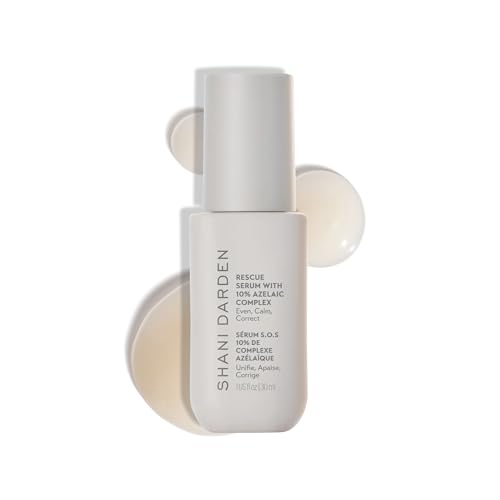
Shani Darden Rescue Serum 10% Azelaic Complex 1 fl oz

Shani Darden Retinol Reform 1% Encapsulated Serum

Perfect Image Glycolic Acid 30% Gel Peel 1 fl oz

Perfect Image Glycolic Acid 50% Gel Peel 1 fl oz

Perfect Image Glycolic Gel Peel 10% Strength

Shani Darden Triple Acid Peel 2-Step Exfoliating Peel
Why These Options Stand Out
Real Chemistry Luminous 3-Minute Peel sits at the gentle end of the spectrum, which is exactly where most people dipping a toe into exfoliation want to land. The product works in roughly three minutes and uses an exfoliating gel rather than traditional chemical exfoliants like AHAs or BHAs, so there is little of the stinging or tightness some users associate with peel-off products.
Compared to the more clinical entries further down the list, this one trades raw strength for convenience and approachability. You apply it, wait briefly, rinse, and move on. The 1.7-ounce bottle fits comfortably on a crowded vanity, and the timing fits a weeknight routine without any planning buffer for redness or recovery.
Practical Advantages
- Three-minute in-shower window means no scheduling around downtime
- Gel format skips the tingling that deters sensitive skin users
- Compact 1.7-ounce bottle is vanity-friendly and travel-ready
- Sensible pick for first-timers wanting a sample-sized introduction
Things To Consider
- Without traditional acids, results build slowly compared to true resurfacing options
- Some users may want stronger resurfacing once skin acclimates
- Pour-bottle packaging requires care near sink edges
Who It Suits Best
People with sensitive or reactive skin who want a low-commitment exfoliating step without red, peeling recovery days.
Consider Something Else When
You want visibly deeper resurfacing and tolerate stronger acids; in that case the Perfect Image Glycolic Acid 30% Gel Peel is the more aggressive next step.
The Dr Dennis Gross Alpha Beta Extra Strength Daily Peel pads pull double duty with a two-step process built around a blend of alpha hydroxy acids and beta hydroxy acids. AHA and BHA are umbrella terms for water-soluble and oil-soluble exfoliants respectively, and combining them lets one product tackle both surface dullness and pore-deep buildup.
Step one delivers the acid blend, while step two acts as a neutralizing and hydrating follow-up layered with antioxidants. Each sealed pad measures out a single treatment, which removes the guesswork from dosing, an underrated feature when you are layering acids on freshly cleansed skin.
The Value In It
- Pre-soaked single-use pads standardize dosing across applications
- Two-step system pairs exfoliation with calming neutralization in one routine
- 30-count pack stretches through a month of daily use
- Travel-friendly format skips bottles in your carry-on
Honest Caveats
- Daily-use cadence may be too frequent for first-time acid users
- Two-step ritual adds a few minutes versus single-step wipes
Quick Facts
Best Suited To
Experienced exfoliant users wanting a streamlined daily ritual that pairs multi-acid resurfacing with built-in neutralization.
Not Your Match When
Your skin is brand-new to acids and you would rather start gentle, where the Real Chemistry Luminous 3-Minute Peel makes a softer entry.
Pure Original Ingredients Salicylic Acid Powder flips the format entirely. Instead of a pre-mixed peel, you get raw salicylic acid crystals, the same beta hydroxy acid found in many acne-targeting products, packaged in a one-pound bag for formulators and tinkerers.
Salicylic acid is oil-soluble, which means it can work its way into sebum-clogged pores where water-based AHAs tend to stall. The powder format lets you dissolve just what you need into toners, serums, or masks. The catch is that mixing your own concentrations requires research, a small scale, and steady hands.
Standout Benefits
- One-pound supply outlasts dozens of premixed bottles
- Crystal form keeps potency stable longer than premixed solutions
- Lets you dial concentration for face, body, or spot treatments
Trade Offs
- Requires a digital scale and comfort with DIY formulation
- Not appropriate for beginners who want a ready-to-apply format
Made For
Home formulators and ingredient-savvy users comfortable blending their own serums and toners with measured precision.
Look Elsewhere When
You want a ready-to-use peel with no measuring, in which case the Shani Darden Triple Acid Peel is the more practical turnkey pick.
The Shani Darden Rescue Serum leans on a 10% azelaic acid complex rather than the glycolic or salicylic acids you find elsewhere on this list. Azelaic acid is a dicarboxylic acid derived from grains, and at this strength it tends to read as a daily-corrective treatment rather than a peel in the strict sense.
It’s positioned as a leave-on serum, so it sits in your routine between toner and moisturizer rather than as a wash-off treatment. Compared to the Perfect Image peels further along, this option trades intensity for steady, low-irritation daily correction, which fits skin that flares easily.
Features That Help
- 10% azelaic acid targets visible redness and post-blemish marks
- Layered format slots into morning or evening routines without wash-off time
- One-fluid-ounce dropper bottle lasts roughly two months of daily use
- Generally gentler than high-percentage glycolic peels
Points To Note
- Not a traditional peel, so users seeking exfoliation sloughing may want a stronger option
- Some users experience a brief tingle on first applications
Right Fit For
Anyone focused on evening out tone and softening post-blemish marks with a daily-use product that does not require peel-style recovery.
Skip It When
You specifically want an exfoliating peel with visible shedding; the Perfect Image Glycolic Acid 30% Gel Peel is more in that lane.
Retinol Reform from Shani Darden uses 1% encapsulated retinol, and the encapsulation detail matters more than the percentage itself. Wrapping the retinol molecule in a time-release carrier slows delivery to the skin, which tends to make the experience easier for first-time retinol users than a straight, fast-acting serum.
This is not a wash-off peel, so it functions as an evening serum layered under moisturizer. It pairs well with the gentler end of this list, sitting between the Real Chemistry entry-level option and the more aggressive Perfect Image peels depending on where your skin falls on the tolerance spectrum.
What Stands Out
- Encapsulated retinol slows release for less initial irritation
- Works as a nightly serum under standard moisturizer
- Compatible with most routines once skin is acclimated
- Often a friendlier first step than jumping straight to glycolic peels
Less Ideal Details
- Retinol products typically require a PM-only schedule
- Sun protection becomes non-negotiable the morning after
Perfect Match For
Retinol newcomers who want visible refinement without the harsh ramp-up associated with traditional retinol serums.
Another Choice May Suit
You want the physical act of a peel rather than a nightly serum; the Perfect Image Glycolic Gel Peel 10% Strength is the friendliest in that family.
Perfect Image’s Glycolic Acid 30% Gel Peel is the middle child in a three-tier system that also includes a 10% and 50% strength. Glycolic acid is the smallest AHA molecule, which lets it penetrate efficiently and loosen the bonds between dead surface cells, while retinol and green tea extract round out the formula.
The brand encourages working up from the 10% strength before stepping into this 30% version, a sensible ladder approach that matches how many users self-titrate. The one-fluid-ounce bottle holds enough liquid for multiple at-home sessions, and the gel format stays put on the skin without dripping into eyes or hairline.
The Upside
- Mid-tier 30% concentration suits users past the entry level
- Green tea extract adds an antioxidant cushion to the acid hit
- Gel base clings to skin, minimizing drips during the wait
- One-ounce bottle yields multiple sessions per purchase
Some Limits To Know
- Requires prior experience with a 10% peel or similar acid product
- Users new to peels should patch-test on a small area first
- Plan around possible short-term flaking after use
Feature Snapshot
Who Will Love This
At-home peel users who have completed a 10% introductory peel and want a measured step up in resurfacing strength.
Reach For A Different Pick When
You have never used a glycolic peel before, in which case the Perfect Image Glycolic Gel Peel 10% Strength is the smarter starting tier.
At 50% glycolic acid, this Perfect Image peel tops out the brand’s ladder. The label instructions are unusually explicit: do not use 50% until you have completed the 30% or 10% level first, which doubles as a useful safety guardrail and a roadmap for committed users.
The supporting cast stays consistent with the lower tiers, so retinol and green tea extract appear in the formula as well. The one-ounce bottle keeps the price-to-volume reasonable, although you will use less per session than with milder peels because the strength does most of the work.
Points In Its Favor
- Highest glycolic concentration in the brand’s peel lineup
- Gel base stays put during the treatment window
- One-ounce supply supports multiple sessions when used sparingly
Practical Considerations
- Not appropriate for first-time peel users
- Requires careful timing and neutralization discipline
- Plan downtime since flaking or redness is common after use
Built With In Mind
Experienced at-home peel users comfortable with timing, neutralization, and managing short-term skin response.
Swap It Out When
You want professional-level resurfacing without the steep learning curve; the Dr Dennis Gross Alpha Beta peel pads offer clinical intent in a more forgiving format.
The Perfect Image Glycolic Gel Peel at 10% strength functions as the entry rung on the brand’s three-step ladder. The lower concentration gives skin time to acclimate to glycolic acid before stepping into the 30% and 50% versions, which makes it the natural starting point for at-home peel curious users.
Despite the lower percentage, you still get the same supporting cast of retinol and green tea extract as the higher tiers. The gel base makes it easy to apply a thin layer and track the timing without worrying about drips.
Benefits That Matter
- 10% strength offers a measured introduction to glycolic acid
- Same gel format as higher tiers, simplifying a future step up
- Green tea extract buffers the acid hit with antioxidants
- Smaller learning curve than jumping straight to higher percentages
Worth Bearing In Mind
- Results arrive more slowly than higher-percentage peels
- You may eventually want to move up the brand’s strength ladder
Whose Shelf It Belongs On
Peel-curious users who want the lowest commitment rung on the Perfect Image ladder before committing to a stronger formula.
A Better Fit Elsewhere
You want a daily-use correction serum rather than a peel format; the Shani Darden Rescue Serum is a sensible pivot for tone-focused routines.
The Shani Darden Triple Acid Peel layers lactic, mandelic, and glycolic acid, a trio that reads like an exfoliation cheat code. Each acid has its own molecular size and behavior: lactic acid is gentler and hydrating, mandelic acid penetrates slowly for sensitive skin, and glycolic acid drives the deeper resurfacing.
The two-step format pairs the acid phase with a clay-based follow-up using kaolin and bentonite clay. Those clays are common in masks for pulling out surface impurities, so the second step pulls double duty as both neutralizer and pore-refining treatment.
Where It Helps
- Three complementary acids cover slow and fast penetration in one treatment
- Two-step format finishes with clay-based pore refinement
- Approachable strength for users past the entry-level peel phase
A Few Limitations
- Two-step ritual takes longer than single-step gels
- Combo-acid formula can occasionally catch users with sensitive skin off guard
At A Glance
Right Fit For
Users who like the idea of multi-acid resurfacing but want a curated combo rather than mixing their own acids from raw ingredients.
Where Another Pick Suits Better
You want a one-step pad and a clinical-style daily cadence; the Dr Dennis Gross Alpha Beta peel pads land closer to that habit.
Matching Your Skin To The Right Peel Strength
Choosing an OTC chemical peel comes down to three variables: your current skin tolerance, the downtime you can absorb, and the specific concern you want to address. Newcomers usually do best starting with a 10% glycolic or a non-acid exfoliating gel to see how their skin responds before moving up the strength ladder. From there, mid-range 30% glycolic formulas and multi-acid peels offer more visible resurfacing for users who have already acclimated.
Sensitive or reactive skin tends to do better with lactic, mandelic, or azelaic-based options rather than aggressive glycolic strengths. Oily or acne-prone complexions often benefit more from salicylic acid, since its oil solubility helps clear pore buildup. If your goal is even tone and post-blemish marks, an azelaic acid serum layered into a daily routine may serve you better than a wash-off peel.
Acid Strength And Skin Acclimation
Peel strength is not a status symbol. A 10% glycolic used consistently will outperform a 50% glycolic used once and abandoned because the recovery took too much out of your week. Work up the ladder in stages, and give each new strength at least a few sessions before deciding whether to step up.
Format And Routine Fit
Peel pads fit travel and busy mornings. Gel peels fit evening rituals with a timer. Powders fit formulators comfortable with measurement. Pick the format that matches your existing routine, since the best peel is the one you actually use.
Downtime Planning
Higher-strength peels commonly produce flaking, tightness, and temporary redness for a few days. Build your schedule around lower-key events if you are trying a new strength, and never layer multiple exfoliants on the same night during the introduction phase.
Key Considerations Across These Picks
Where Shoppers Go Wrong
The most common slip is buying the highest strength on day one. A 50% glycolic peel on unprepared skin tends to produce harsh flaking, irritation, and a quick abandonment. Step up in stages instead, and patch-test every new formula on a small area before a full-face application. Another mistake is mixing multiple acids in the same routine, which compounds irritation without speeding up results.
Where The Extra Money Goes
Premium entries like the Dr Dennis Gross pads and Shani Darden serums cost more because of curated multi-acid formulas, encapsulated delivery systems, and brand-led formulation. The Perfect Image peels stay affordable because they focus on a single hero acid plus a couple of supporting ingredients. For most people, the upgrade is worth it once you have a clear exfoliation habit and want a more targeted approach. Beginners do not need the premium tier to see real results, especially when starting at the 10% strength or with a gentle exfoliating gel.
