

Natural hair deserves thoughtful care, and the right oil can turn a frustrating wash day into a soft, defined, manageable routine. Whether you’re sealing in moisture after a fresh wash, refreshing curls between wash days, or treating a flaky scalp, there’s an option here that fits your texture and goals. This lineup breaks down eight versatile picks covering leave-in treatments, scalp-friendly essential oils, and hardworking carrier oils.
The Lineup, Simplified

HERITAGE STORE Organic Castor Oil (16 fl oz)
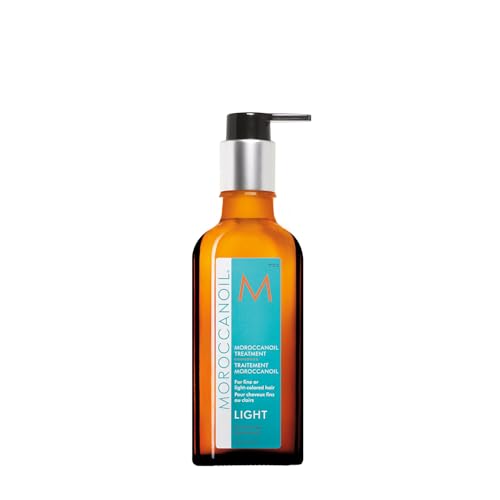
Moroccanoil Treatment Light Hair Oil
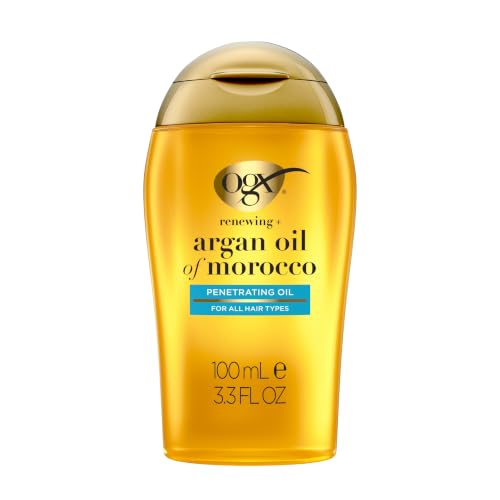
OGX Renewing Argan Oil of Morocco (3.3 fl oz)

OGX Extra Strength Coconut Miracle Hair Oil

OGX Renewing Argan Oil Extra Penetrating Oil

KUKKA Pure Rosemary Essential Oil (4 fl oz)

KUKKA Pure Tea Tree Essential Oil (4 fl oz)

Edens Garden Meadowfoam Carrier Oil
More Details On Our Top Picks
Castor oil has earned its reputation among natural hair enthusiasts for good reason. This single-ingredient cold-pressed version delivers a thick, viscous texture that hugs strands and the scalp without slipping straight off. At 16 fluid ounces, the bottle goes a long way, especially since most routines call for small amounts massaged into the scalp or worked through ends.
You may find this works best as a targeted treatment rather than an all-over daily sealant. Apply it at night with a scalp massage, then wash it out in the morning for a softer, more conditioned feel. It’s a slow worker compared to lighter options like the Moroccanoil that follows, but the payoff tends to show up in stronger-feeling strands over weeks of consistent use.
Well-Handled Touches
- Certified organic with a cold-pressed extraction that preserves nutrients
- Single-ingredient formula, no added fragrance or fillers
- Generous 16-ounce bottle offers long-term value for regular users
- Hexane-free processing supports a cleaner ingredient profile
- Works well as a warm oil scalp treatment or pre-poo step
Things To Consider
- Very thick consistency can feel heavy on fine or low-density hair
- Slow to absorb, so it usually requires a wash-out step afterward
At A Glance
Right Fit For
Anyone with thick, coarse natural hair who enjoys slow scalp rituals and wants a single-ingredient treatment to anchor their routine.
Look Elsewhere When
You have fine strands and want a lighter daily option; the Moroccanoil Treatment Light Hair Oil is a better match for that scenario.
Where castor oil is heavy and intentional, this treatment is the opposite: a featherlight argan-infused formula designed to slip through strands without weighing them down. The “Light” version suits finer natural hair textures that can’t tolerate richer oils. A few drops warmed between the palms and smoothed over lengths is usually enough to soften frizz and add shine.
It doubles as a finishing product after blow-drying or as a mid-week refresher on day-two curls. Compared to the OGX Renewing Argan Oil later in this list, this one feels more refined in texture and leaves a softer hand-feel, though it typically comes at a higher price point per ounce. For someone who wants a polished, salon-style finish at home, that trade-off may make sense.
Good Reasons To Consider
- Lightweight texture that won’t flatten fine or medium-density natural hair
- Argan oil base delivers noticeable shine without greasiness
- Versatile as a styling finisher, refresher, or pre-styling primer
- Tames flyaways while keeping curls soft and touchable
Worth Noting
- Smaller bottle size means frequent replacement for daily users
- Lighter hydration compared to heavier oils like the OGX Coconut Miracle option
- Contains added fragrance, which may bother very sensitive scalps
Who It Suits Best
Fine to medium natural hair types who want a smooth, polished finish and don’t need heavy-duty moisture sealing.
Consider Something Else When
Your hair is coarse, porous, or extremely dry; in that case, the OGX Extra Strength Damage Remedy Coconut Miracle Hair Oil offers the richer hydration you’re after.
This is the approachable, drugstore-shelf workhorse of the lineup. Cold-pressed argan oil from Morocco anchors the formula, and the texture lands somewhere in the middle between the featherlight Moroccanoil above and the richer coconut blend coming up next. For someone building a natural hair routine from scratch, it’s a sensible starting point.
You get a paraben- and sulfate-free formulation that handles most everyday situations: post-wash sealing, mid-week frizz touch-ups, or a quick polish before heading out. It won’t transform damaged hair on its own, but as a maintenance product on already-healthy strands, it does the job reliably. The price also makes it easy to keep one at home and one in a travel bag.
Useful Touches
- Cold-pressed Moroccan argan oil delivers noticeable softness and shine
- Penetrating formula helps nutrients reach the hair shaft rather than sitting on top
- Free from parabens and sulfates for a cleaner everyday option
- Compatible across most hair types, from wavy to tightly coiled
Trade Offs
- Moderate richness may not be enough for severely dry or high-porosity hair
- Fragrance-forward scent lingers for a few hours after application
Feature Snapshot
Made For
Anyone shopping for an accessible daily oil that handles most textures without specialized needs.
A Better Fit Elsewhere
If your hair is extra thirsty or color-treated, the OGX Extra Strength Damage Remedy Coconut Miracle Hair Oil offers richer support.
Coconut oil has a long history in natural hair care, and this OGX version leans into that tradition with an extra-strength blend aimed at medium to coarse textures. The formula is noticeably thicker than the OGX Renewing Argan Oil covered above, which makes it a better fit for strands that drink up lightweight products without showing much improvement.
It’s well-suited to over-processed, color-treated, or heat-damaged hair that needs rebuilding moisture reserves. You can use it as a pre-shampoo treatment, a leave-in on damp hair, or a sealant after your regular conditioner. Depending on how porous your strands are, the coconut base can either absorb quickly or sit on the surface, so a little experimentation goes a long way.
The Practical Payoff
- Coconut oil base deeply hydrates coarse and medium textures
- Calms frizz and flyaways on thick, voluminous hair types
- Versatile across pre-wash, leave-in, and sealing applications
- Helps restore softness in hair that’s been chemically treated or heat-styled
Points To Keep In Mind
- Too rich for fine or low-porosity hair, which can feel coated
- Strong tropical scent that doesn’t appeal to everyone
- Can weigh down loose curl patterns if applied too generously
Best Suited To
Medium to coarse natural hair that’s dry, over-processed, or in need of extra moisture support.
Skip It When
Your strands are fine or easily weighed down; the Moroccanoil Treatment Light is the smarter pick for that hair type.
Curly and color-treated hair tends to need both moisture and slip, and this OGX extra-penetrating formula tries to deliver both. The cold-pressed Moroccan argan base reaches past the cuticle layer, which matters when frizz shows up not from lack of product but from product that never actually got in. It’s a smarter choice than surface-level sprays for anyone whose curls lose definition by mid-day.
Compare this to the lighter OGX Renewing Argan Oil earlier in the list: same brand family, but a thicker consistency and a curl-control focus. For wash-and-go routines, scrunching a small amount into soaking wet strands tends to give the cleanest definition without the dreaded crunch.
What Helps Most
- Deep-penetrating action addresses damage below the surface layer
- Defines curls and reduces frizz in one step
- Suitable for color-treated hair without stripping tone
- Works across coarse, thick, and high-porosity textures
Soft Spots
- Not ideal for very fine hair, which can turn limp quickly
- Heavier hand-feel compared to the standard OGX Renewing Argan Oil
Who Will Love This
Curly, frizz-prone natural hair that needs definition, softness, and color-safe hydration in a single step.
Reach For A Different Pick When
You want a lighter daily shine boost without curl-specific hold; the Moroccanoil Treatment Light serves that purpose better.
Rosemary essential oil isn’t a leave-in product you apply straight to your lengths. Undiluted, it’s potent stuff meant to be mixed into a carrier oil, like the Edens Garden Meadowfoam covered later in this list, or stirred into shampoo at wash time. The 4-ounce size gives you room to experiment with different dilution ratios without running out quickly.
You’ll want to treat this as a scalp-focused tool, not a styling product. A few drops blended with a tablespoon of carrier oil, massaged in two to three times a week, is the typical setup. Compared to the ready-to-use options earlier in this lineup, this one asks more of you, but it also opens up custom blends tailored to your specific scalp concerns.
What Pays Off
- Steam-distilled, undiluted essential oil with no carrier fillers
- 4-ounce bottle supports months of scalp-blend use
- Versatile base for custom hair and scalp treatments
- Single-ingredient, easy to pair with jojoba, coconut, or argan carriers
Practical Considerations
- Must always be diluted before scalp application to avoid irritation
- Not a standalone styling oil; requires pairing with a carrier
- Strong herbal scent that some users find overpowering
Key Specs
Perfect Match For
DIY-minded natural hair enthusiasts who prefer crafting their own scalp oils and want a versatile essential oil base.
Swap It Out When
You want a ready-to-use leave-in with no blending required; the OGX Renewing Argan Oil is a simpler grab-and-go option.
Tea tree oil occupies a different lane from the conditioning oils earlier in this list. It’s a clarifying essential oil with a reputation for supporting scalp clarity, particularly when buildup, itchiness, or oily roots are part of the picture. Like the rosemary oil above, it ships undiluted and needs to be blended with a carrier before it touches your scalp.
For someone whose hair gets weighed down by product residue after a few days, adding a couple of diluted drops to shampoo at wash time can freshen things up without stripping strands. The 4-ounce bottle is generous, and the same oil can double for skin and nail routines if you want to spread its usefulness around the house.
A Strong Showing
- Pure, undiluted formula without added carrier oils
- Supports clarifying routines for oily or buildup-prone scalps
- Multi-purpose across hair, skin, and nail applications
- Large 4-ounce size delivers strong value for the cost
Some Limits To Know
- Requires dilution with a carrier oil before scalp use
- Strong medicinal scent isn’t universally appealing
- Not a conditioning oil on its own; works best alongside other products
Who Should Grab It
Anyone dealing with oily roots, product buildup, or scalp irritation who wants a versatile clarifying tool.
Where A Sibling Pick Shines
Your concern is dryness rather than buildup; the OGX Coconut Miracle Hair Oil hydrates instead of clarifying.
Meadowfoam seed oil is a less common name in the natural hair conversation, but it’s worth knowing. The cold-pressed version from Edens Garden has an unusually long shelf life compared to many carrier oils, which means a single bottle lasts through months of routine use without going rancid. The texture feels light yet occlusive, locking in moisture without a heavy coating.
It pairs naturally with the two essential oils covered above. Mix a few drops of rosemary or tea tree into meadowfoam for a custom scalp blend, or use it solo as a daily sealant on damp ends. Compared to castor oil earlier in this list, meadowfoam is far less viscous and works on finer textures where castor would feel like too much.
The Upside
- Cold-pressed extraction preserves natural antioxidants
- Exceptionally long shelf life compared to most carrier oils
- Light texture works on fine to medium hair without weighing it down
- Excellent base for blending with essential oils like rosemary or tea tree
- Effective as a daily moisture seal on ends
Honest Caveats
- Higher price per ounce than common oils like coconut or jojoba
- Subtle, nutty scent that some users may want to mask with essential oils
Technical Highlights
Built With In Mind
DIY blenders and detail-oriented natural hair enthusiasts who want a premium carrier oil for custom scalp and sealing recipes.
Not Your Match When
You want a simple, ready-made leave-in with no blending; the OGX Renewing Argan Oil keeps the routine straightforward.
What To Weigh Before Choosing Your Oil
Match the Oil to Your Hair’s Porosity
Porosity, meaning how readily your hair absorbs and holds moisture, drives most of the decisions on this list. High-porosity strands soak up heavy oils like castor or coconut quickly and benefit from richer sealing. Low-porosity hair resists moisture and tends to do better with lighter options like argan or meadowfoam. Before buying, think back to how your hair behaves after a wash: if water beads up, lean light; if it disappears immediately, lean rich.
Decide Between Ready-Made and DIY Blends
Some of the picks here, like the OGX and Moroccanoil treatments, are grab-and-go products designed for direct application. Others, like the rosemary, tea tree, and meadowfoam, are ingredients for building your own routine. If you enjoy customizing ratios and tracking results, the DIY path opens up more flexibility. If you’d rather keep things simple, stick with the pre-formulated options.
Think About Scalp vs. Strand Needs
Not every oil here does the same job. Castor and rosemary oil target the scalp, with castor doubling as a strand strengthener. The OGX argan and coconut blends focus on mid-lengths and ends. Tea tree oil clarifies the scalp, while meadowfoam works as a versatile sealant anywhere on the hair. Clarifying your main concern, whether that’s an itchy scalp, dry ends, or curl definition, narrows the list fast.
Layer Oils for the Best Results
Real routines often combine two or three of these picks. A typical pattern: dilute rosemary essential oil in meadowfoam carrier oil for a weekly scalp massage, then seal wash-day moisture with a lightweight argan treatment on the lengths. You don’t need to choose just one, but starting with a single product and adding from there helps you understand what each one actually contributes.
Key Considerations Across These Picks
Pitfalls Shoppers Hit
A common trap is buying the heaviest oil on the shelf because it sounds more nourishing, then realizing it leaves fine hair flat and greasy. Another is grabbing an undiluted essential oil, like rosemary or tea tree, and applying it directly to the scalp, which causes irritation rather than the intended benefit. Always check whether the product is ready-to-use or needs dilution, and match the formula’s richness to your actual strand density.
Where The Extra Money Goes
The higher-priced picks here, like the Moroccanoil Treatment Light and Edens Garden Meadowfoam, earn their position through refined textures, longer shelf stability, or salon-grade finishing. The trade-off shows up in cost per ounce. For most natural hair routines, mid-tier options like the OGX line deliver real results without the premium price, but if you have specific needs, fine hair that requires ultra-light formulas, or a strong preference for DIY blending, the upgrade tends to be worth it.
Frequently Asked Questions
How often should I oil my natural hair?
Most routines do well with one to three applications per week, depending on how dry your hair feels. Heavy oils like castor are usually weekly treatments, while lighter argan-based products can be used more often. Daily application works for some, but only with featherlight formulas like the Moroccanoil Treatment Light.
Can essential oils go directly on my scalp?
No, undiluted essential oils like the rosemary and tea tree picks on this list should always be mixed with a carrier oil before scalp contact. A common ratio is two to three drops of essential oil per tablespoon of carrier. Applying them neat risks irritation, especially on sensitive skin.
What’s the difference between carrier oils and hair treatment oils?
Carrier oils, like the Edens Garden Meadowfoam, are neutral base oils used to dilute essential oils or to moisturize on their own. Hair treatment oils, like the OGX and Moroccanoil products, are blended formulas designed to be applied directly. Both have a place, but they serve different functions in a routine.
Will oiling make my hair greasy?
Only if you use too much or choose the wrong formula for your texture. Fine hair needs a tiny amount of a light oil, while coarse hair tolerates richer blends and bigger portions. Start with less than you think you need, then build up gradually based on how your strands respond.
Can I mix different oils together?
Absolutely, and many natural hair enthusiasts do. A common blend combines a carrier oil like meadowfoam with a few drops of rosemary essential oil for a custom scalp treatment. Just keep the ratios simple at first, and patch-test any new blend on a small area before going broader.
Closing Thoughts
The right oil for natural hair depends less on trends and more on what your specific strands actually need. Start by identifying your main goal: scalp support, moisture sealing, curl definition, or DIY flexibility, then choose from these eight picks based on that priority. Rotate or combine products as your routine evolves, and pay attention to how your hair responds rather than chasing a one-size-fits-all formula. With a little trial, you’ll find the mix that leaves your natural hair feeling its strongest and softest.
