

Hairfall has a way of creeping up on you, doesn’t it? One day you notice a few extra strands on the pillow, then more in the brush, then suddenly you’re reading ingredient lists like it’s your new hobby. If your scalp feels drier than it used to, or your hairline seems to be pulling back, the right oil can support the scalp environment you’re working with.
We’ve rounded up eight options covering different textures, hair types, and routines, from featherweight finishing oils to heavier Ayurvedic blends. Each one below earns its place for a specific reason, so you can match the bottle to your hair rather than guessing in the drugstore aisle.
The Leading Options At A Glance

Oliphyra Weightless Hair Oil

BetterGRO Organic Hair Growth Oil
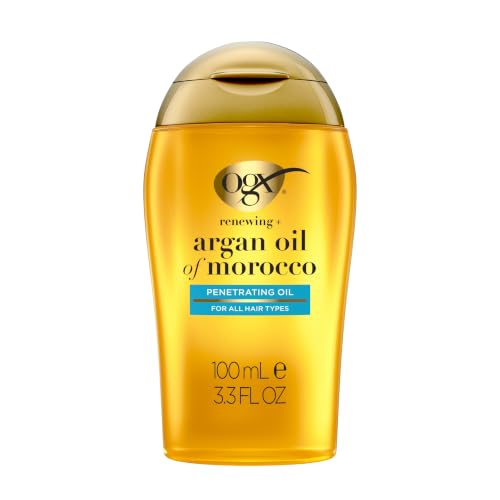
OGX Renewing Argan Oil of Morocco

OGX Extra Strength Coconut Miracle Hair Oil

Difeel Castor Hair Oil Blend 7.1 oz

OGX Renewing + Argan Oil Extra Penetrating Oil

Botanic Hearth Bhringraj & Amla Hair Oil

Botanic Hearth Rosemary Biotin Oil
Taking A Closer Look At The Options
Start your routine with the lightest bottle in this lineup and you’ll know within seconds whether the texture is right for you. The Oliphyra Weightless Hair Oil relies on a three-oil blend: argan for smoothing, jojoba for mimicking natural sebum (your scalp’s own conditioning oil), and a third carrier to keep the viscosity thin. In real-world use, that translates to a finish product you can run through fine hair without flattening it at the crown.
If your ponytail feels limp by 3pm and most finishing oils make it worse, this one targets that exact frustration. The trade-off is that deeper repair work on truly damaged lengths will need something richer layered underneath. You may find the 1.7 fl oz bottle small for the routine, so budget for repurchasing if it becomes a daily habit.
A Favorable Mix
- Lightweight viscosity won’t crush fine or thin hair.
- Argan and jojoba duo doubles as a soft split-end smoother.
- Fast absorption cuts down on greasy pillowcases.
- Travel-friendly 1.7 fl oz size fits easily in gym bags.
- Layerable under heavier treatments without pilling.
Soft Spots To Weigh
- Limited penetration for seriously damaged or chemically processed lengths.
- Small bottle means frequent repurchasing for daily users.
- Scent profile may be too neutral if you prefer fragrance-forward oils.
Made For
Fine-haired folks, low-density scalps, and anyone who avoids oils because everything else makes hair flat or greasy within an hour.
Skip It When
You should reach for the OGX Extra Strength Damage Remedy + Coconut Miracle Hair Oil instead, since its richer coconut base handles coarse, parched strands far more effectively than this featherweight formula.
BetterGRO leans hard into the herbal side of the category, and that’s where it earns loyal followers. The bottle combines rosemary essential oil with black seed, amla, and pumpkin seed oil, four ingredients that show up over and over in scalp-focused hair routines. Unlike the silicone-leaning OGX bottles earlier on this list, this is a plant-oil blend you’d recognize from a holistic routine.
The aroma carries that unmistakable herbal-bitter rosemary edge, so people sensitive to botanical scents will notice it right away. You may find it works best as a pre-shampoo scalp treatment rather than a daily finisher, because the scent lingers and the viscosity is heavier than Oliphyra’s three-oil blend. Owners with color-treated hair should patch-test first, as some herbal oils can interact with fresh color.
Well-Handled Touches
- Four named botanical actives in one bottle.
- Vegan and cruelty-free formulation for clean-leaning routines.
- Doubles as a relaxing pre-wash scalp massage medium.
- Pumpkin seed oil adds a less common nutritional angle.
Small Caveats
- Strong rosemary scent may be polarizing.
- Heavier viscosity limits use as a finishing touch on fine hair.
- Patch testing recommended before pairing with fresh color.
Right Fit For
Natural-routine shoppers and anyone specifically seeking rosemary-led formulas for weekly scalp sessions.
Swap It Out When
You’re after a finishing oil you can run through fine strands at 7am, since Oliphyra Weightless Hair Oil absorbs faster and won’t leave the same herbal aroma behind.
The OGX Renewing + Argan Oil of Morocco is the bottle most people meet first, and for good reason. Cold-pressed Moroccan argan oil (extracted without heat to preserve fatty acids) anchors the formula, with the brand’s signature silicone slip layered in for shine. In a busy morning routine, that combination gives hair a softer hand-feel after just a few drops.
Where this oil shines, pardon the pun, is in versatility. Fine hair gets a small amount on the ends, while thick hair can use more through the mid-lengths. The 3.3 fl oz size is generous compared to Oliphyra and BetterGRO. The trade-off shows up with heavy daily use: silicone can build up on low-porosity hair, so clarifying shampoo becomes a non-negotiable part of the routine.
Useful Strengths
- Cold-pressed argan as the hero ingredient.
- Generous 3.3 fl oz size for daily applications.
- Works across straight, wavy, and lightly curled textures.
- Paraben- and sulfate-free formulation.
Honest Caveats
- Silicone content means periodic clarifying shampooing.
- Scent is more perfume-forward than botanical options.
- Less targeted for hairfall than scalp-focused blends.
Best Suited To
Everyday users who want a single bottle that handles everything from post-wash smoothing to flyaway control without overthinking ingredients.
Look Elsewhere When
Your main concern is scalp-driven thinning, since the Botanic Hearth Rosemary Biotin Oil is formulated specifically for scalp nourishment rather than strand smoothing.
When hair feels like straw and regular oils slide right off, you need something with more holding power. The OGX Extra Strength Damage Remedy formula brings coconut oil as the lead ingredient, paired with extra hydrating polymers for dry, medium-to-coarse textures. Owners with thick, curly, or chemically treated hair commonly report this one behaves differently from the standard Renewing Argan version, in a good way.
The viscosity is noticeably heavier than the original OGX argan formula reviewed earlier, which means a little goes a long way, but also means fine hair should stay away. You may find that a single 3.3 fl oz bottle lasts several months since the slip is so concentrated. The honest read is that this isn’t a daily finisher for thin hair; it’s a weekly rescue treatment.
What Earns Its Place
- Coconut-led formula designed for parched hair.
- Targets medium-to-coarse textures and frizz-prone lengths.
- Effective as a pre-shampoo mask for damaged strands.
- Strong track record in the damage-recovery category.
A Few Limitations
- Too heavy for fine or low-density hair types.
- Not designed as a daily finishing product.
- Sweet coconut scent won’t appeal to everyone.
Whose Shelf It Belongs On
Anyone with medium-to-coarse hair, dry damage, or anyone recovering from heat styling, bleaching, or chemical treatments.
A Better Fit Elsewhere
Fine hair should reach for the Oliphyra Weightless Hair Oil instead, since its lighter argan-jojoba blend won’t weigh down thin textures the way this coconut formula would.
Castor oil has a long reputation in the hairfall conversation, mostly because of its thick, coating texture that hugs strands and supports the look of density. The Difeel Castor Hair Oil Blend leans into that with a 7.1 oz bottle, the largest in this roundup. Compared to the OGX bottles reviewed above, this one is unapologetically heavy and meant for serious scalp work.
Real-world use means applying small amounts directly to the scalp, massaging in, and either leaving overnight or washing out after thirty minutes. Owners commonly report the viscosity makes it impossible to use as a finisher. The honest read is that this is a treatment, not a styling product, so plan your wash day around it. You may find the large bottle intimidating at first, but a little truly goes a long way.
Noteworthy Benefits
- Castor oil as the lead active for coating support.
- Generous 7.1 oz size for weekly routines.
- Multi-purpose: scalp, edges, brows, lashes.
- Targets breakage and brittle-strand concerns.
Less Ideal Details
- Too heavy for daily finishing on most hair types.
- Requires dedicated wash time after use.
- Viscous texture can be hard to dispense from the bottle.
Perfect Match For
People targeting breakage and brittle-strand concerns, plus anyone building a weekly scalp ritual around a heavier oil base.
Consider Something Else When
You want a finishing oil you can leave in, since the BetterGRO Organic Hair Growth Oil absorbs faster and offers a more herbal botanical profile for those exploring scalp care without the heaviness.
This is the deeper sibling of the standard OGX argan oil reviewed earlier. The Extra Penetrating version leans into the same cold-pressed Moroccan argan but layers in additional conditioning agents designed to sink further into the strand shaft. For hair that’s seen bleach, color, or heat tools on repeat, the difference is visible after a few uses.
You may find this formula works best as a pre-shampoo or post-wash treatment rather than a leave-on finisher, because the conditioning load is heavier than the original Renewing formula. Owners with color-treated hair commonly report it doesn’t strip fresh color when used sparingly. The trade-off is texture: this isn’t a “smooth-on-and-go” oil, it’s a repair-focused bottle that asks for a little patience.
Bright Spots
- Extra-penetrating formula targets damaged strand shafts.
- Suitable for color-treated and coarse hair types.
- Defines curls while taming frizz in one step.
- Cold-pressed argan base remains the hero ingredient.
Practical Considerations
- Not ideal as a daily leave-on finisher.
- Heavier than the standard Renewing argan formula.
- May be overkill for undamaged hair.
Who Should Grab It
Color-treated, heat-styled, and visibly damaged hair looking for a deeper treatment beyond standard finishing oils.
Reach For A Different Pick When
Your hair is generally healthy and you just want shine, since the OGX Renewing + Argan Oil of Morocco (standard version) handles that job with less weight.
Bhringraj and amla have been paired in Ayurvedic hair care for centuries, and Botanic Hearth bottles them in a 6.7 fl oz format. The blend sits squarely in the scalp-treatment category, much like the castor blend reviewed earlier, but with a thinner, more botanical viscosity. For someone building a Sunday scalp-massage habit, this is a natural fit.
In real-world use, you’ll want a wide-tooth comb and a towel you don’t love, because the oil spreads liberally and a little goes a long way. The honest read is that this bottle is meant for ritual, not rush, so pairing it with the right evening makes a difference. Owners with oily scalp types should focus application on the lengths rather than the roots.
The Upside
- Two traditional Ayurvedic botanicals as the active duo.
- Large 6.7 fl oz size supports weekly routines.
- Targets the appearance of thinning hair over time.
- Botanical viscosity spreads easily through lengths.
Things To Weigh Up
- Not designed as a leave-on finishing oil.
- Strong herbal aroma takes some getting used to.
- Oily scalp types need to keep application off the roots.
Built With In Mind
Anyone curious about Ayurvedic scalp care, plus people who enjoy a longer pre-wash oil session as part of a weekly rhythm.
Where A Sibling Pick Shines
The Botanic Hearth Rosemary Biotin Oil is the more convenient sibling if you want a scalp-focused formula that absorbs more readily for shorter routines.
The Botanic Hearth Rosemary Biotin Oil rounds out the list with a botanical blend built around rosemary, coconut, avocado, and vitamin E, plus biotin (a B-vitamin often associated with hair and nail care). It’s positioned as a scalp-and-strand hybrid, sitting between BetterGRO’s pure herbal blend and OGX’s smoother silicone finish.
In daily use, the 6.7 fl oz size makes it practical for regular scalp massage, while the viscosity is light enough to wash out without two rounds of shampoo. You may find it works well overnight with a processing cap, then rinses clean in the shower. The trade-off is scent: it’s rosamary-forward with a coconut undertone, which is a specific kind of botanical.
Good Reasons To Consider
- Rosemary paired with biotin and vitamin E.
- Coconut and avocado oils soften the herbal edge.
- Versatile for scalp massage or overnight treatment.
- Large 6.7 fl oz size for regular use.
Details To Watch
- Rosemary-coconut aroma won’t suit every preference.
- Requires wash-out time; not a leave-on finisher.
- Results depend on consistent weekly use.
Who Will Love This
Rosemary enthusiasts and anyone building a scalp-focused routine who wants biotin and coconut alongside the herbal actives.
Not Your Match When
You prefer a lighter finishing oil, since Oliphyra Weightless Hair Oil absorbs faster and can be left in without a wash-out step.
Matching Oils to Your Hair and Routine
Choosing between these eight bottles comes down to three honest questions: how heavy is your hair, what’s actually causing the strands to fall, and how much time will you realistically spend on the routine. A featherweight finishing oil like Oliphyra handles a totally different job than a heavy castor scalp treatment, and confusing those roles is the fastest path to a greasy scalp or limp lengths.
Your hair texture matters more than the marketing copy on the bottle. Fine hair behaves differently than coarse hair when the same oil touches it, and porosity (how easily hair absorbs moisture) plays a quiet role too. Low-porosity strands often resist heavier oils, so the silicone-light OGX Renewing formula or the herbal BetterGRO blend tend to behave better than rich coconut or castor bases. High-porosity hair drinks up heavier oils and benefits from the sealing power of the OGX Extra Strength Coconut formula or Difeel’s castor blend.
Scalp type is the third layer. Oily scalps need lighter application focused on lengths, while dry scalps welcome richer oils massaged in pre-wash. The Botanic Hearth options and BetterGRO all sit comfortably in that pre-wash scalp ritual, while Oliphyra and the OGX Renewing argan serve as everyday finishing products.
What Separates These Picks From the Rest
Where Shoppers Go Wrong
The most common mistake is buying one oil and expecting it to handle finishing, scalp treatment, and deep repair all at once. Real hair routines usually need two products in rotation: a lighter finisher for daily use and a heavier treatment for weekly sessions. Owners who skip this dual-bottle approach commonly report disappointment when one product can’t play every role.
Another trap is over-applying. Hair oils are concentrated, and a few drops usually cover shoulder-length hair. Excess oil doesn’t absorb better; it just transfers onto your pillow, your brush, and your hat brim. The honest fix is starting small, adding only if needed.
When Paying More Pays Off
Higher-tier bottles in this category often invest in cold-pressed extraction (preserving fatty acids that heat processing can degrade), larger sizes for serious routines, and cleaner ingredient decks free from parabens or harsh sulfates. The Botanic Hearth and BetterGRO bottles lean into this side of the category. The trade-off is fragrance and texture, which some people prefer and others find off-putting.
For everyday bottles, premium pricing often buys silicone-free formulations or organic certifications. Whether that’s worth it depends on your scalp sensitivity and how strictly you read ingredient lists.
Frequently Asked Questions
How often should I use hair oil for hairfall? Most scalp-focused oils work best two to three times per week as pre-wash treatments, while finishing oils like Oliphyra can be used daily on damp hair. Consistency over weeks matters more than any single heavy application.
Can I leave hair oil in overnight? Yes, heavier oils like the Difeel Castor Blend and Botanic Hearth bottles work well overnight under a processing cap. Lighter finishing oils like Oliphyra are designed for daytime wear and don’t need washing out.
Which oil is best for a sensitive scalp? Botanical blends without added fragrance, such as BetterGRO or the Botanic Hearth options, tend to suit sensitive scalps. Avoid heavily perfumed silicone formulas if your scalp reacts easily to fragrance.
Do I need to wash hair oil out every time? Pre-wash scalp oils require washing, but leave-on finishing oils like Oliphyra and the OGX Renewing argan are designed to stay in. Heavier oils like castor or coconut benefit from at least one clarifying shampoo to prevent buildup.
Can I mix two hair oils together? Layering a lightweight finishing oil with a heavier scalp treatment is a common approach. Use the heavier oil on the scalp pre-wash, then a featherweight formula on damp ends after washing for the best of both.
Closing Remarks
Hairfall is rarely solved by one bottle, but the right oil can support the scalp environment your hair depends on. Match the texture to your strands, the viscosity to your routine, and give any new product at least a few weeks before judging the results. Your hair will tell you what it needs.
