

A solid tinted sunscreen should disappear into the skin, even out redness, and protect against UV without triggering breakouts along the way. For anyone with combination or acne-prone skin, that combination is harder to find than it sounds, since many “tinted” formulas still leave a heavy cast or settle into pores.
The picks below focus on mineral-based and lightweight hybrid options that lean toward shine control, breathable wear, and a natural finish. Several are explicitly non-comedogenic, and the rest are formulated to avoid the heavy oils and pore-clogging waxes that tend to cause congestion. Each entry covers the use case where it genuinely shines, plus the realistic trade-offs worth weighing before checkout.
The Lineup, Simplified
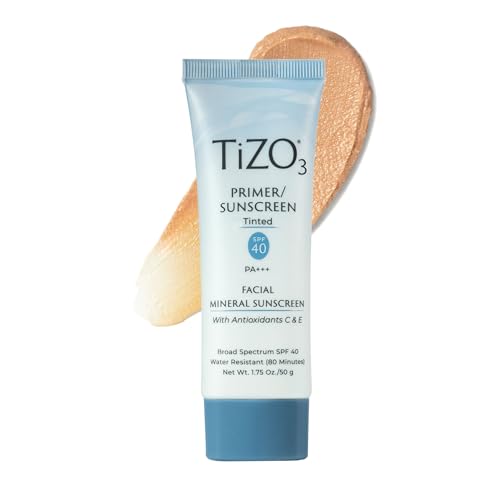
TiZO3 Facial Mineral Sunscreen and Primer (Tinted SPF 40)

Eight Saints Chase the Sun SPF 30 Face Moisturizing Sunscreen

Obagi Sun Shield Tinted Sunscreen

Neutrogena Ultra Sheer Dry Touch SPF 45 Lotion

Neutrogena Ultra Sheer Dry Touch SPF 70 Spray
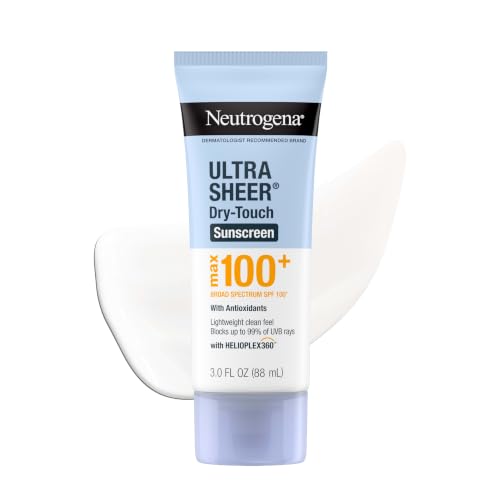
Neutrogena Ultra Sheer Dry Touch SPF 100+ Lotion

La Roche-Posay Anthelios UV Pro-Sport SPF 50
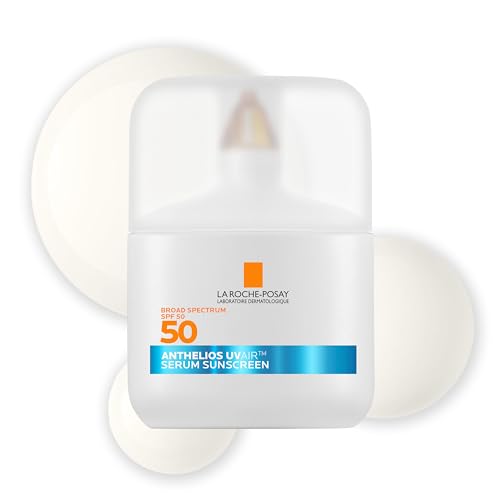
La Roche-Posay Anthelios UVAir SPF 50 Sunscreen Serum

Neutrogena Ultra Sheer Dry Touch SPF 70 Lotion

La Roche-Posay Anthelios Mineral Light Fluid SPF 50
A Breakdown Of The Leading Choices
TiZO3 is the standout hybrid of the lineup, pulling double duty as both mineral SPF 40 protection and a silicone-based primer. For anyone who wears foundation daily, that dual role is genuinely useful, since it smooths the canvas while still delivering broad-spectrum UVA/UVB defense with a PA+++ rating (a grading system from Asia that measures how well a formula shields against UVA rays).
The finish lands in matte territory without veering chalky, and the sheer tint evens out mild redness without committing to a full-coverage look. Acne-prone shoppers will appreciate that the formula skips fragrance, oils, and chemical UV filters entirely, relying instead on mineral active ingredients. The 1.75 oz tube tends to last around two months with daily use.
Everyday Advantages
- Acts as both sunscreen and a smoothing base for makeup
- Mineral-only formula with no chemical UV filters, oils, or fragrance
- Sheer tint reduces the need for a separate color-correcting step
- Water-resistant for up to 80 minutes, useful for humid commutes
- PA+++ rating signals strong UVA coverage beyond standard SPF
Things To Consider
- The silicone slip can feel unusual to anyone used to creamier moisturizers
- Sheer tint offers minimal coverage for those with deeper discoloration
- Tube packaging can leave product near the opening; a small squeeze routine helps avoid waste
Who It Suits Best
Combination or acne-prone skin types who want a primer-sunscreen hybrid that pairs well with foundation and skips pore-clogging oils.
Look Elsewhere When
The Eight Saints Chase the Sun SPF 30 suits dry or mature skin better, since its hyaluronic and squalane base delivers richer hydration without the silicone feel.
Eight Saints Chase the Sun takes a different path than TiZO3, skipping the matte primer feel in favor of a hydrating, dewy finish. For anyone whose skin leans dry, that trade is a welcome one, especially since the formula blends hyaluronic acid, squalane, and vitamin E into a single mineral-based step.
The 2 oz pump bottle is a sensible size for a bathroom counter, and the SPF 30 rating handles daily office and errand exposure without feeling excessive. Unlike TiZO3’s primer texture, this one behaves more like a moisturizer with built-in UV protection, so layering order changes slightly for those who like serums underneath.
What Stands Out
- Hydrating trio of hyaluronic acid, squalane, and vitamin E supports the moisture barrier
- Dewy finish suits mature or dry skin without clinging to flakes
- Mineral-based formula appeals to anyone avoiding chemical UV filters
Worth Noting
- SPF 30 runs lower than several picks on this list, which matters for prolonged midday exposure
- Dewy finish can read greasy on oily skin types during humid weather
- Owners commonly report the pump occasionally clogs if product dries near the nozzle
Made For
Dry or mature skin types who want a moisturizer-style sunscreen that doubles as a hydration step under makeup.
Consider Something Else When
TiZO3 suits combination or acne-prone skin better, since its matte, primer-style finish controls oil rather than adding dewiness.
Obagi Sun Shield sits in clinical-skin territory, formulated for shoppers who want a dermatologist-backed tinted sunscreen without an overly heavy feel. The 3 fl oz tube offers more product per dollar than TiZO3, which matters for anyone applying it daily to face, neck, and chest.
Available in Warm and Cool shade options, it addresses the under-tone matching problem that plagues many tinted SPFs. Hypoallergenic and fragrance-free, the formula layers comfortably under serums and moisturizers without pilling. IR defense (infrared defense) is a niche feature aimed at reducing heat-related free radical damage, which most drugstore picks skip.
The Value In It
- 3 fl oz tube offers more product than the smaller TiZO3 size
- Warm and Cool shade options allow better under-tone matching
- Hypoallergenic, fragrance-free formula suits reactive skin
- IR defense targets infrared-related free radical exposure
Points To Keep In Mind
- Tint coverage is sheer, so deeper discoloration still needs a separate concealer
- Tube format means squeezing the last bit out requires cutting it open eventually
Key Product Details
Best Suited To
Sensitive or redness-prone skin types who want a dermatologist-formulated tinted sunscreen with under-tone flexibility.
A Better Fit Elsewhere
The La Roche-Posay Anthelios Mineral Light Fluid suits anyone wanting five shade options rather than two, especially for medium and deeper complexions.
The Neutrogena Ultra Sheer SPF 45 lotion is the dependable drugstore pick of the group, sold as a pair of 3 fl oz bottles for household-level use. Helioplex technology (Neutrogena’s UVA/UVB stabilization system) keeps the formula effective through extended UV exposure, and the dry-touch finish appeals to anyone tired of greasy body lotions.
It’s a body-and-face hybrid rather than a face-only product, so the texture leans a touch thicker than TiZO3 or Eight Saints. For shoppers prioritizing SPF strength and easy access over tint or serum-style elegance, this two-pack delivers solid daily coverage at a reachable price point. Vitamin E adds an antioxidant layer without inflating the cost.
Notable Gains
- Two-pack format stretches value across households or multi-month use
- Helioplex technology stabilizes broad-spectrum protection over time
- Non-comedogenic, oil-free, and oxybenzone-free formula
- Vitamin E adds antioxidant support without raising cost
Honest Caveats
- Body-lotion texture runs thicker than face-specific picks like TiZO3
- No tint, so redness or uneven tone still needs a separate product
- Owners commonly report a faint sunscreen scent that fades within minutes
Who Will Love This
Budget-focused shoppers who want a reliable daily SPF 45 for both face and body without paying for premium mineral actives.
Reach For A Different Pick When
Neutrogena’s Ultra Sheer SPF 100+ lotion suits anyone needing maximum protection for long outdoor days, where SPF 45 may fall short.
The SPF 70 spray format solves a specific problem the lotions cannot: reapplying sunscreen over makeup without smudging everything underneath. For anyone commuting, hiking, or working outdoors, that reapplication practicality outweighs the slightly higher price per ounce.
The three-pack of 5 oz cans suits families or anyone who burns through sunscreen quickly. Non-comedogenic and free of oxybenzone and PABA, the mist lands as a fine cloud that dries fast. Compared to the lotion counterpart, coverage is more even on hard-to-reach areas like the back of the neck and shoulders, though coverage on the face works best as a refresher rather than a primary layer.
Positive Points
- Spray format allows fast reapplication over makeup or hard-to-reach areas
- Non-comedogenic and free of oxybenzone and PABA
- SPF 70 rating suits extended outdoor exposure
- Three-pack format offers better value for frequent users
Softer Spots
- Aerosol sprays can feel cold on first contact, which some find unpleasant on the face
- Spray coverage is harder to gauge than lotion, so thoroughness depends on technique
Perfect Match For
Active outdoor users who need a quick-drying, high-SPF format for reapplying across face and body throughout the day.
Swap It Out When
La Roche-Posay Anthelios UV Pro-Sport suits swimmers and runners who want sweat resistance plus high endurance rather than spray convenience.
The SPF 100+ lotion is the highest-SPF option in the lineup, designed for shoppers who burn easily or spend long stretches in direct sun. The 3 fl oz travel-size bottle suits carry-on bags, gym lockers, and beach totes without weighing much.
This formula builds on the same Helioplex system found in the SPF 45 and SPF 70 versions, adding a stronger ceiling for UV protection. It’s not a tinted formula, so it pairs with a separate foundation or BB cream. Antioxidants in the mix help defend against environmental stressors beyond UV, which matters for anyone walking, gardening, or cycling during peak afternoon hours.
What It Does Well
- SPF 100+ provides the strongest UV ceiling in the lineup
- Travel-size 3 fl oz bottle fits easily in carry-on or gym bags
- Antioxidant blend supports skin beyond UV protection
Practical Considerations
- No tint means it leaves a slight white cast on deeper skin tones before full absorption
- Higher SPF formulas often feel slightly heavier than SPF 30 or 45 versions
Feature Snapshot
Built With In Mind
Sun-sensitive shoppers and frequent outdoor enthusiasts who need maximum UV protection in a portable format.
Another Choice May Suit
The La Roche-Posay Anthelios UV Pro-Sport suits serious athletes who want sweat resistance paired with high SPF rather than maximum SPF alone.
The Anthelios UV Pro-Sport is purpose-built for movement, formulated to stay put through sweat and swimming without that heavy, suffocating feel. For runners, cyclists, and outdoor athletes, that endurance matters more than a high-end cosmetic finish, and the formula delivers a breathable layer that doesn’t slide into the eyes during a hard session.
It works on both face and body, so post-workout routines stay streamlined. The invisible finish blends across all skin tones without leaving a chalky cast, which the SPF 100+ Neutrogena lotion struggles with. Cell-Ox Shield technology (La Roche-Posay’s antioxidant-UV blend) adds a layer of defense beyond basic SPF, giving this pick more depth than a basic sport sunscreen.
Strong Points
- Sweat and water resistance holds through high-output activity
- Doubles as a face and body formula to simplify post-workout routines
- Invisible finish suits all skin tones without chalky residue
- Cell-Ox Shield antioxidants reinforce protection beyond standard SPF
Where It Is Less Suited
- No tint, so it can’t replace a tinted moisturizer or foundation
- Sport-grade hold can feel too tenacious for everyday office wear
The Right Fit
Active users and athletes who need a sweat-resistant SPF 50 that holds up through running, swimming, and outdoor training.
Skip It When
La Roche-Posay Anthelios UVAir Serum suits anyone wanting a hyaluronic-acid-enriched daily serum texture rather than sport-grade endurance.
The Anthelios UVAir Serum takes the skincare route, blending SPF 50 with hyaluronic acid for a serum-like, weightless finish. For anyone whose morning routine already includes a serum step, this consolidates two products into one, freeing up layering time under makeup.
Cell-Ox Shield technology anchors the broad-spectrum defense, while the hyaluronic acid draws in moisture for plumper-looking skin. Unlike TiZO3’s silicone base or the Anthelios Pro-Sport’s sweat hold, this formula behaves more like a treatment step, so it works well as the last skincare layer before primer. The texture disappears on all skin tones without pilling under foundation or concealer.
Useful Touches
- Hyaluronic acid adds hydration alongside UV protection
- Serum texture layers cleanly under makeup without pilling
- Cell-Ox Shield broadens defense beyond standard SPF
- Invisible finish avoids the white cast common in mineral formulas
Small Caveats
- Serum format lacks the grip and hold needed for sweaty workouts
- No tint, so it sits underneath foundation rather than replacing it
Whose Shelf It Belongs On
Skincare-first shoppers who want a hydrating serum-sunscreen hybrid to streamline their morning layering routine.
Not Your Match When
TiZO3 fits better for acne-prone shoppers who need a primer-grade, oil-free mineral formula rather than a hydrating serum texture.
The SPF 70 lotion sits in the middle of the Neutrogena Ultra Sheer range, offering stronger protection than the SPF 45 without jumping all the way to SPF 100+. For most daily routines, that middle ground covers office commutes, errands, and moderate outdoor time without feeling like overkill.
The 3 fl oz bottle strikes a reasonable balance between counter space and refill frequency. Non-comedogenic and free of oil, oxybenzone, and PABA, the formula shares the same base as the SPF 45 and SPF 100+ versions, differing mostly in active concentration. Helioplex keeps the broad-spectrum protection stable, and vitamin E rounds out the antioxidant support.
What Earns Its Place
- SPF 70 hits a practical middle ground for most daily exposure
- Helioplex technology stabilizes broad-spectrum UVA/UVB defense
- Non-comedogenic, oil-free, oxybenzone-free, and PABA-free
- Vitamin E supports antioxidant defense alongside UV protection
A Few Limitations
- Body-lotion texture runs thicker than face-only options like TiZO3
- No tint, so it can’t replace foundation or color correction
Who Should Grab It
Versatile daily users who want stronger SPF than SPF 45 without committing to SPF 100+, especially for varied indoor-outdoor days.
Where A Sibling Pick Shines
The Neutrogena SPF 70 spray suits anyone needing quick reapplication across face and body throughout a long day.
The Anthelios Mineral Light Fluid closes the list with the broadest shade range, offering five tint options to address a real gap in the mineral SPF world. For medium and deeper complexions, finding a mineral tinted sunscreen without an ashy cast often requires compromise, and this formula helps close that gap.
Titanium dioxide anchors the 100% mineral formula, gentle enough for sensitive skin and approved for daily use. The fluid texture absorbs quickly, leaving a soft matte finish that suits both bare-faced days and foundation routines. Compared to TiZO3’s single sheer tint or Obagi’s two-shade range, this is the most inclusive option on the list for diverse under-tones.
Reasons It Performs
- Five shade options offer the most inclusive range in the lineup
- 100% mineral formula suits reactive and sensitive skin types
- Titanium dioxide base provides broad-spectrum SPF 50 protection
- Fast-absorbing fluid texture leaves a soft matte finish
Some Limits To Know
- Mineral base may still leave a faint cast on the deepest shades before full absorption
- Matte finish can feel slightly drying on already-dry skin without a moisturizer underneath
Quick Technical Notes
The Right Fit
Shoppers with medium to deeper skin tones who need a mineral tinted sunscreen with a broader shade range than typical two-or-three-shade options.
A Better Fit Elsewhere
Obagi Sun Shield suits anyone preferring a Warm or Cool shade split with clinical-skin credentials over a five-shade mineral fluid.
Choosing The Right Non Comedogenic Tinted Sunscreen For Your Routine
Mineral vs. Chemical UV Filters
Mineral sunscreens use zinc oxide or titanium dioxide as active ingredients, sitting on top of the skin to deflect UV rays. Chemical filters absorb UV and convert it to heat, which can occasionally irritate sensitive or reactive complexions. For acne-prone or easily congested skin, mineral formulas tend to play nicer, since they avoid the chemical filters that some find triggering. TiZO3, Obagi, Eight Saints, and the Anthelios Mineral Light Fluid all use mineral actives, while the Neutrogena lotions and sprays use chemical filters paired with non-comedogenic claims.
SPF Rating vs. Real-World Use
A higher SPF number doesn’t translate to proportionally more protection. SPF 30 blocks roughly 97% of UVB rays, while SPF 50 blocks about 98% and SPF 100+ blocks around 99%. The jump matters most for fair, sun-sensitive skin or extended midday exposure. For everyday office commutes, SPF 30 to 50 typically covers the bases. For beach days, gardening, or marathon running, SPF 70 or higher makes more sense, paired with hats and shade whenever practical.
Tint Coverage and Shade Range
Sheer tints like TiZO3 offer light color correction for mild redness but won’t replace a full-coverage foundation. Five-shade formulas like the Anthelios Mineral Light Fluid address under-tone matching more seriously, which matters for medium and deeper skin tones that often get overlooked. Two-shade options like Obagi split into Warm and Cool rather than depth levels, which works for many but not everyone.
Finish, Texture, and Skin Type
Matte finishes control oil and pair well under makeup, making them ideal for combination and acne-prone skin. Dewy finishes like Eight Saints add glow and suit dry or mature skin types. Serum textures like the Anthelios UVAir Serum disappear into the skin but offer less grip during workouts. Sport-grade formulas like Anthelios UV Pro-Sport stay put through sweat but can feel too tenacious for daily office wear.
Key Considerations Across These Picks
Common Shopping Slip Ups
Mineral tinted sunscreens are sometimes assumed to feel chalky or heavy, but modern formulations like TiZO3 and the Anthelios Mineral Light Fluid have largely fixed that issue. Skipping a patch test is another common miss, especially for anyone with reactive skin, since even non-comedogenic formulas can include fragrances or preservatives that trigger individual reactions. Finally, SPF is only as strong as its reapplication, so choosing a format you can actually reapply matters more than the number on the bottle.
Where The Extra Money Goes
Premium picks in this category tend to invest in better shade matching, more refined textures, and added skincare ingredients like hyaluronic acid or antioxidants. The Anthelios UVAir Serum includes hyaluronic acid for hydration, while Obagi adds IR defense against infrared-related free radical damage. Higher-tier options also tend to layer better under makeup and feel lighter during wear, which matters for daily use over months rather than a single beach weekend.
Frequently Asked Questions
What does non-comedogenic actually mean for a tinted sunscreen?
Non-comedogenic means the formula is designed not to clog pores, which matters for acne-prone or combination skin. It doesn’t guarantee zero breakouts for everyone, since individual reactions vary, but it signals the brand has formulated around that concern.
Can tinted sunscreen replace foundation entirely?
It depends on the tint coverage. Sheer tints like TiZO3 even out mild redness but won’t replace a full-coverage foundation. Five-shade mineral fluids like the Anthelios Mineral Light Fluid come closer, though many still prefer a light concealer on top for spot treatment.
Is mineral sunscreen better for sensitive skin than chemical?
Mineral formulas are often better tolerated by sensitive or reactive skin, since they sit on the surface rather than absorbing into it. Chemical filters can occasionally cause stinging or irritation, especially around the eyes. That said, individual responses vary, and a patch test is always wise.
How often should tinted sunscreen be reapplied?
Standard sunscreen guidance calls for reapplication every two hours during sun exposure, or immediately after swimming or heavy sweating. Tinted formulas follow the same rule, and powder or spray formats make reapplication easier over makeup.
Does a higher SPF really matter for daily office use?
For most indoor-to-outdoor commutes, SPF 30 to 50 covers the bases. Higher SPF ratings matter more for prolonged midday exposure, fair or sun-sensitive skin, or outdoor activities where reapplication is harder to manage.
Final Verdict
The right tinted sunscreen depends on what your skin actually needs day to day. Acne-prone routines pair well with TiZO3’s matte primer hybrid, while dry or mature skin gravitates toward Eight Saints’ hydrating mineral base. For diverse under-tones, the Anthelios Mineral Light Fluid’s five-shade range solves a problem most competitors ignore, and serious outdoor exposure calls for the Anthelios UV Pro-Sport or the Neutrogena SPF 100+ lotion. Match the format to your routine, and the rest falls into place.
