

Your bathroom shelf already holds enough bottles to confuse anyone. Between heat damage, humidity swings, color treatments, and the slow creep of thinning at the part line, hair rarely behaves the way product ads suggest it should. The seven natural hair serums below earn their place by solving specific problems: scalp-driven thinning, mid-length breakage, color-treated frizz, and daily UV exposure. Each one earns its spot through formulation details and use-case fit, not generic promises.
The Picks In Brief

RootStim 5% Minoxidil Hair Growth Kit with Rosemary

SVVIMER Hair Growth Serum Spray with Rosemary & Biotin
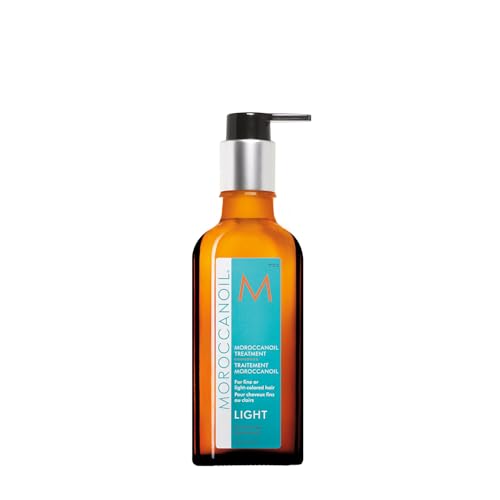
Moroccanoil Treatment Light Hair Oil

ALFAPARF MILANO Semi di Lino Cristalli Liquidi Hair Oil

Obliphica Seaberry Leave-In Hair Serum

Moroccanoil Treatment Hair Oil
OGX Renewing Argan Oil of Morocco Hair Oil
Inside Each Recommended Option
Thinning at the part line reads differently from breakage at the ends, and that distinction shapes which serum you reach for. RootStim leans into a 5% minoxidil concentration paired with rosemary extract, two ingredients with separate but complementary tracks in hair research. The two-bottle format stretches a typical routine out longer, which matters because consistency drives results in this category.
Daily users handling early-stage thinning get the most from this pick. If your concern is brittle ends or frizz on humid days, the rest of the list covers that ground more directly.
Points In Its Favor
- 5% minoxidil is the highest over-the-counter concentration widely used for regrowth support.
- Rosemary oil layered into the formula brings a botanical note commonly studied for scalp comfort.
- Two bottles per pack ease the multi-month commitment that regrowth routines usually require.
- Suitable for both men and women, simplifying shared-bathroom decisions.
Things To Consider
- Minoxidil requires twice-daily application and visible results tend to take several months, so patience matters.
- Some users report mild scalp dryness during the adjustment window.
Who Should Grab It
Adults noticing early thinning or widening parts who want a clinically oriented routine and can commit to a daily schedule.
A Better Fit Elsewhere
The SVVIMER Hair Growth Serum Spray offers a gentler botanical alternative for anyone not ready to commit to minoxidid-based products.
The spray format here changes the texture of a hair routine. Instead of droppers or drop-tips, you mist the formula directly across the scalp, which makes sectioning easier and cuts down on wasted product in the sink. SVVIMER builds its blend around rosemary oil, batana oil, biotin, rice water, and caffeine, a roster that leans botanical rather than clinical.
Where RootStim targets aggressive regrowth, this pick fits a softer daily-care mindset. Beginners building their first scalp routine get a low-friction entry point that still covers multiple angles at once.
The Helpful Details
- Spray nozzle simplifies scalp application, especially for dense or long hair.
- Multi-botanical formula avoids a single-note approach to scalp care.
- Lightweight texture absorbs quickly without leaving visible residue.
- Botanical scent works for people avoiding heavy synthetic fragrances.
Worth Noting
- Botanical formulas generally produce subtler, slower results than clinical-grade minoxidil.
- The 2.7 fl oz bottle may run out quickly for users applying across the full scalp twice daily.
- Owners with very sensitive scalps sometimes report mild tingling with caffeine-heavy formulas.
Made For
Routine-builders who want a gentle, plant-forward serum and prefer a spray over a dropper or cream.
Consider Something Else When
The RootStim 5% Minoxidil Hair Growth Kit is the stronger choice for anyone with documented, visible thinning that calls for a clinically oriented formula.
Lightweight formulas earn their keep on fine hair, where a single drop too many tips strands from polished to greasy by noon. Moroccanoil’s Light version uses the same argan-oil backbone as its classic sibling but trims the viscosity, so it disappears into strands without weighing them down. The result reads more as a finishing touch than a treatment.
Compared with the SVVIMER spray, this bottle targets styling rather than regrowth. Fine-haired users and anyone with a light color that turns greasy fast will notice the difference quickly.
The Practical Payoff
- Argan-oil base hydrates without leaving a heavy cast on fine strands.
- Smaller bottle format reduces waste for users who only need a few drops per session.
- Works as a daily finisher, a cutting aid, or a post-shower smoothing step.
Honest Caveats
- Lightweight coverage means it does less structural repair on coarse or very porous hair.
- Scent carries through the day, which can bother sensitive noses.
- Not designed to address thinning or scalp-level concerns.
The Right Fit
People with fine, straight, or light-colored hair who want daily polish without the flattening effect of richer oils.
Look Elsewhere When
The ALFAPARF MILANO Cristalli Liquidi Hair Oil handles coarse textures and heat-tool routines more confidently.
Heat styling shortens the lifespan of any hair serum, which is why thermal protection claims deserve close attention. Cristalli Liquidi lists protection up to 446 degrees Fahrenheit, with flaxseed oil and a vitamin E complex as the active anchors. The shine it leaves behind reads as polished rather than coated, which is the distinction stylists usually chase.
Compare this with the Moroccanoil Light, which keeps things minimal: ALFAPARF is built for tools that run hot, not for casual air-drying days.
Key Advantages
- High thermal threshold covers flat irons, curling wands, and hot blowouts in one bottle.
- Flaxseed oil lends gloss without the heavy feel of thicker serums.
- Color-safe formula treats dyed and highlighted hair gently.
- Italian-formulated blend suits professionals and home users alike.
Trade Offs
- Smaller bottle format raises the per-ounce cost for heavy daily users.
- Lightweight texture is less effective on very dry, porous, or coarse textures without a layered routine.
Built With In Mind
Regular tool users who blow-dry, flat-iron, or curl multiple times a week and need thermal defense built into their finisher.
Skip It When
The Obliphica Seaberry Leave-In Hair Serum is the better match for medium-to-coarse hair that needs moisture more than heat protection.
Coarse hair asks different questions of a serum. Seaberry oil carries omega fatty acids 3, 6, 7, and 9, an unusually full spectrum for the category, and those lipids support elasticity in strands that resist movement. The 2.2 fl oz bottle is compact, but a little goes a long way once strands drink it in.
The previous picks focus on regrowth, heat, or fine-hair polish; Obliphica’s role is to bring back slip and softness where porosity is the main complaint.
Strong Points
- Omega-7 is uncommon in hair care and helps with elasticity in dry, brittle strands.
- Leave-in format skips the rinse step for low-effort routines.
- Targets frizz control without silicones that build up over time.
- Works across dry scalp and dry ends in a single application.
A Few Limitations
- Not designed to address thinning or regrowth, so it pairs rather than replaces scalp-focused serums.
- Smaller bottle means repurchasing more often for long or dense hair.
- Lightweight texture may need layering under a heavier cream for very porous textures.
Whose Shelf It Belongs On
People with medium-to-coarse, frizz-prone hair who want moisture and slip without heavy silicone buildup.
Another Choice May Suit
The Moroccanoil Treatment Hair Oil is a more universal pick for those who want a single bottle that handles multiple textures and styling steps.
When a single bottle needs to handle blowouts, midweek touch-ups, and detangling in the shower, the original Moroccanoil Treatment is the formula most people reach for first. Argan oil anchors the blend, and the texture lands between the Light version and a heavier finishing serum. Medium-to-thick and curly textures tend to drink it up without going flat.
Versus the Light version earlier in the list, this one trades a touch of weight for richer conditioning. It’s the kind of bottle that stays parked on the bathroom counter because it handles so many jobs at once.
What Helps Most
- Argan-oil base conditions while adding visible shine and softness.
- Functions as a styling primer, finishing touch, or detangler.
- Well suited for medium-to-thick and naturally curly textures.
- Compact bottle design dispenses small amounts for controlled use.
Points To Note
- May feel heavy on very fine or straight hair if over-applied.
- Signature scent is distinctive and lingers through the day.
- Not formulated to address thinning or scalp-level concerns.
Best Suited To
Anyone with medium-to-thick or curly hair who wants one bottle that covers conditioning, styling, and finishing without switching products.
Where A Sibling Pick Shines
The Moroccanoil Treatment Light Hair Oil is the better answer for fine hair that can’t tolerate the original’s richer texture.
Cold-pressed argan oil sits at the center of this OGX formula, with a paraben- and sulfate-free list that appeals to anyone reading ingredient labels closely. The two-pack format spreads cost across more bottles, which suits shared bathrooms, travel kits, or stocking up. At 3.3 fl oz per bottle, the volume also outpaces most picks above it.
It earns the value spot because it covers all hair types without specialized positioning. Where Moroccanoil leans styling-forward and Obliphica targets coarse textures, OGX plays the everyman role at a comfortable entry cost.
What Earns Its Place
- Two-pack format lowers per-bottle cost for budget-conscious routines.
- Cold-pressed argan oil preserves more of the oil’s natural compounds.
- Free of parabens and sulfates for cleaner-label routines.
- Marketed for all hair types, simplifying decisions across households.
Potential Drawbacks
- Fragrance-forward formula may bother those sensitive to added scents.
- General-purpose positioning means it does less for thinning or scalp-specific concerns.
- Lighter viscosity may require more product per use on very porous hair.
Perfect Match For
Shoppers who want an affordable, all-hair-type argan oil in a two-pack and don’t need specialized regrowth or thermal claims.
Swap It Out When
The RootStim 5% Minoxidil Hair Growth Kit is the right move if your primary concern is visible thinning rather than daily shine.
What Matters Most Before Choosing a Hair Serum
Match the formula to the real problem
Thinning, frizz, heat damage, and dry scalp each pull in different directions. A serum that shines beautifully may do nothing for the part line, while a regrowth-focused formula may leave ends thirsty. Defining the main concern first saves money and shelf clutter, especially since layering too many actives can weigh hair down without extra payoff.
Read the active list, not the marketing claims
Argan oil, rosemary oil, biotin, caffeine, and omega fatty acids all show up across this category with different jobs. Botanical oils tend to condition and soften, while caffeine and biotin target the scalp environment. Knowing which ingredient does what helps you spot a formula built around filler rather than function.
Texture and porosity decide how much to use
Fine hair absorbs lightweight oils quickly and turns greasy with too much product. Coarse or highly porous hair drinks heavier blends and may need layering. Most serums in this list work across textures, but dosing changes the experience more than the brand name does.
Consider format and routine friction
Droppers, sprays, pumps, and squeeze bottles each suit different routines. A spray works for dense hair that resists dropper access. A pump or squeeze bottle fits countertop use and travel. Choosing the format that matches your existing habit makes consistency easier, which matters more than the formula itself over time.
Key Considerations Across These Picks
Mistakes Worth Dodging
Choosing a serum by scent alone leads to routines that smell pleasant but miss the underlying problem. A second common slip is layering multiple silicone-heavy products, which can coat the shaft and block newer treatments from absorbing. Read the ingredient list, start with one product, and adjust before adding a second.
Where The Extra Money Goes
Higher-priced bottles often carry cold-pressed oils, narrower sourcing, or clinical-grade actives like 5% minoxidil. Paying more usually buys a more concentrated or traceable ingredient, plus packaging that preserves potency. The upgrade pays off when the concern is specific, like thinning or heat damage, and the lower-tier bottle genuinely underperforms.
Frequently Asked Questions
How long does it take for natural hair serums to show results?
Conditioning serums usually soften and smooth strands after the first use, while regrowth-focused formulas like minoxidil need several months of consistent application to show visible change. Set expectations by category rather than by brand.
Can you use a hair serum on a sensitive scalp?
Yes, but fragrance-heavy or alcohol-based formulas can sting on sensitive skin. Look for botanical options with short ingredient lists and patch test behind the ear before applying across the full scalp.
Should serum go on wet or dry hair?
Most serums work on damp hair because moisture helps the oils spread evenly and seal the cuticle. A small finishing amount on dry hair adds shine, but layering too much on dry strands risks greasiness by midday.
Do hair serums replace conditioner?
No. Conditioner handles rinse-off hydration and detangling during the shower, while serums seal in moisture and add polish afterward. They serve different stages of the routine, and skipping conditioner usually leaves serums doing more work than they should.
Can serums help with color-treated hair?
Yes, especially formulas with UV filters or antioxidants that slow fading. Color-safe oils like argan or seaberry add shine without stripping dye, but always check the label for color-safe language before applying to fresh color.
Closing Thoughts
The right serum depends less on brand recognition than on what your hair actually needs this season. Match the formula to the problem, start with one product, and let the results guide the next move. Your hair will tell you pretty quickly if you’ve picked well.
