

Dry, brittle strands that snap every time you brush are rarely fixed by your everyday conditioner alone. A weekly deep treatment works harder, sitting on the hair longer and pushing moisture deeper into the cuticle. The right match depends on your hair type, how often you heat-style, and whether color or chemical processing is part of the picture.
The lineup below covers everything from lightweight daily hydrators to richer masks built for seriously damaged lengths. Each pick solves a slightly different version of dryness, so the goal is matching the formula to your hair rather than chasing the strongest jar on the shelf.
The Lineup, Simplified

SALERM 21 Jasmine and Amber Leave-In Mask 200 ml
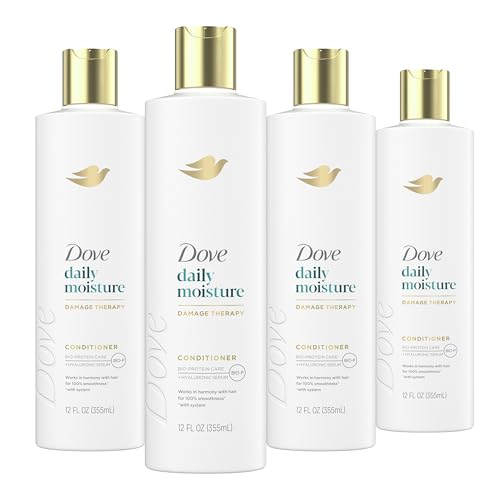
Dove Daily Moisture Conditioner with Hyaluronic Serum 12oz 4-Pack

It’s a 10 Miracle Hair Mask (17.5 oz)

TRUSS Ultra Hydration Professional Conditioner with Ceramides 10.14 fl oz

Biolage Hydra Source Conditioning Balm for Dry Hair

Biolage Ultra Hydra Source Conditioner for Very Dry Hair

Biolage Scalp Sync Universal Conditioner for All Scalp Types

MAREE Deep Conditioning Hair Mask 10 fl oz (White)

MAREE Deep Conditioning Hair Mask 6.7 fl oz (Brown)

MAREE Deep Conditioning Hair Mask 10 fl oz (Beige)
Why These Options Stand Out
This is a leave-in treatment, which means you skip the rinse and let the formula keep working on damp hair all day. Silk proteins are the active hydrators here, helping each strand feel smoother and look more reflective without the usual weight of a traditional cream rinse.
The jasmine and amber scent leans fresh and slightly fruity, so it doubles as a light fragrance if your hair tends to hold scent well. People dealing with split ends and mid-length frizz, especially in humidity, often lean toward leave-in formulas precisely because the slip stays put.
The Value In It
- Silk proteins help restore shine without weighing down fine to medium textures.
- Leave-in format saves a rinse step on rushed mornings.
- Anti-frizz effect lasts through humid commutes for many users.
- 200 ml size stretches across several weeks of regular use.
Things To Consider
- Strong fragrance may overwhelm those sensitive to scent.
- Leave-in products can build up on low-porosity hair without periodic clarifying.
Feature Snapshot
Right Fit For
People with normal to dry, frizz-prone hair who prefer skipping the rinse step on busy mornings.
Look Elsewhere When
Your strands run oily at the roots or build up easily; the Dove Daily Moisture Conditioner is the lighter swap.
This four-pack arrives as four 12-ounce bottles, which makes it a different conversation than the other deep masks on this list. It’s a daily rinse-out conditioner built around hyaluronic serum, the same humectant (a moisture-binding ingredient) popular in skincare.
Daily use is the real pitch. People who wash their hair most mornings want something that detangles fast, rinses clean, and adds noticeable slip without needing a separate weekly mask. If your dryness is mild-to-moderate rather than emergency-level, this kind of routine-friendly formula often fits better than a heavier jar.
Strengths Worth Knowing
- Hyaluronic serum binds water to the hair shaft for steady hydration.
- Lightweight texture detangles without coating strands.
- Four-pack format keeps the shower stocked for months.
Worth Noting
- Rinse-out format means shorter contact time than a leave-in mask.
- Severely damaged hair may still need a richer weekly treatment alongside.
Who Will Love This
Families and busy routines that want steady, gentle hydration from a familiar drugstore name.
Consider Something Else When
Your lengths feel straw-like after color processing; the TRUSS Ultra Hydration conditioner is built for that scenario.
The 17.5-ounce jar is bigger than most masks in this roundup, so it suits someone who treats hair weekly rather than as a one-off rescue. It’s marketed as a multi-benefit mask, which is shorthand for several jobs in one pot: elasticity, softness, color vibrancy, and general smoothness.
Compared with the SALERM leave-in earlier, this is the thicker, slower, rinse-out option. You’d typically smooth it through towel-dried lengths, wait a few minutes, then rinse. For color-treated strands that look dull or feel gummy when wet, a richer mask like this tends to restore more body.
Where It Excels
- Large 17.5 oz jar lasts through months of weekly treatments.
- Targets elasticity and body, not just surface slip.
- Suitable for color-treated hair that needs vibrancy support.
Trade Offs
- Richer texture may feel heavy on very fine hair if over-applied.
- Needs a few minutes of contact time, so it’s slower than a daily conditioner.
Perfect Match For
Color-treated or heat-styled lengths that need a weekly deep-conditioning ritual.
Skip It When
Your hair is fine and easily weighed down; the Biolage Hydra Source Conditioning Balm is the lighter choice.
Ceramides (lipid molecules that help seal the outer hair layer) are the headline ingredient, and they pair with a paraben-free, salt-free, dye-free base. This formula is built for hair that’s been through bleach, color, or repeated heat styling, where the cuticle has been lifted and moisture escapes faster than it should.
The directions recommend leaving the conditioner on damp hair for at least two minutes before rinsing, which gives the ceramides time to settle along the strand. Color-treated hair tends to lose shine faster, and this is one of the few on the list that explicitly targets both color vibrancy and moisture in the same step.
Practical Advantages
- Ceramides help seal the cuticle for longer-lasting hydration.
- Color-safe formula protects vibrancy on processed hair.
- Free from parabens, salt, dyes, lactose, and lead.
- Two-minute contact time fits easily into a normal shower routine.
Honest Caveats
- Richer than a daily conditioner, so it may weigh down very fine hair.
- Designed primarily for damaged hair, so it can feel unnecessary on healthy strands.
Best Suited To
Chemically treated or bleach-stressed hair that needs both moisture and color protection in one rinse.
Reach For A Different Pick When
Your hair is fine, virgin, and simply dry; the Biolage Hydra Source Conditioning Balm is the gentler fit.
The “balm” word can mislead. This is actually a jelly-textured, silicone-free conditioner that runs lighter than most creams in this list. Micro-filtered aloe vera is the hydrating concentrate, which gives it a clean, plant-leaning ingredient profile.
Fine hair is the natural match. When heavier masks drag strands flat or leave a coating, a jelly balm tends to slip through without residue. If you color your hair but don’t bleach it often, this can also double as a midweek refresher between deeper treatments.
Useful Highlights
- Silicone-free formula won’t build up with daily use.
- Aloe vera concentrate adds natural-feeling hydration.
- Jelly texture detangles without coating fine strands.
Points To Keep In Mind
- Light hydration may not be enough for severely damaged lengths.
Feature Snapshot
Made For
Fine, dry hair that can’t tolerate heavy masks but still needs real moisture between washes.
A Better Fit Elsewhere
Your hair is thick, coarse, or chemically treated; the Biolage Ultra Hydra Source Conditioner is the richer sibling.
This is the heavier sibling to the Hydra Source balm above, and the bottle makes that obvious: it targets “very dry” hair rather than everyday dry. The active moisturizers are aloe leaf juice, cupuacu butter (a rich plant butter from the Amazon), and apricot kernel oil, three classically rich emollients (ingredients that soften and seal the hair).
Coarse, frizz-prone, or thick textures are the natural fit. Compared with the lighter Biolage balm, this one trades weight for slip, which is exactly what very dry hair usually wants. Frizzy halos in humid weather are the kind of complaint this formula is built around.
What It Does Well
- Cupuacu butter and apricot kernel oil deeply soften coarse strands.
- Anti-frizz focus suits humid climates and curly textures.
- Designed to help strengthen hair against future breakage.
Small Caveats
- Richer formula can weigh down very fine hair.
- May need thorough rinsing to avoid residue on shorter styles.
Whose Shelf It Belongs On
Thick, coarse, or very dry hair that feels rough even after a regular conditioner.
Not Your Match When
Your hair is fine and easily flattened; the Biolage Hydra Source Conditioning Balm stays light.
This is the only conditioner in the lineup that puts the scalp front and center, not just the lengths. The formula carries a micro-dosed fermented tea blend and filtered glycolic acid (a gentle exfoliating acid), both intended to keep the scalp environment balanced rather than stripped.
For people whose dryness starts at the root, with tightness, flaking, or itch, a standard lengths-only conditioner often misses the mark. This one’s designed to be applied from root to tip, with the option to focus extra on dry scalp areas as a targeted treatment.
What Helps Most
- Targets scalp dryness alongside hair hydration.
- Fermented tea blend supports a balanced scalp environment.
- Can be applied directly to the scalp for extra relief.
- Universal format suits oily, normal, and dry scalps alike.
A Few Limitations
- Glycolic acid may tingle on already-irritated scalps.
- Not the richest option for very thick, very dry lengths on its own.
Feature Snapshot
Right Fit For
Anyone whose dryness shows up as tight, itchy, or flaky scalp rather than just rough ends.
Swap It Out When
Your scalp feels fine and only the lengths are parched; the Biolage Ultra Hydra Source Conditioner is the better lengths-focused option.
MAREE is a salon-leaning brand that builds its masks around keratin (a protein already found in hair), biotin (a B-vitamin often linked to hair strength), and coconut oil. This particular jar is the “color refresher” version, meant for hair that has been dyed and tends to lose softness between salon visits.
Curly and color-treated textures are the target. Compared with the It’s a 10 Miracle Hair Mask earlier, this one leans more on oils and proteins than on volumizing claims, so it’s a slightly different feel in the jar and a different result after rinsing.
Real-World Strengths
- Keratin, biotin, and coconut oil support softness and strength together.
- Color-refreshing formula helps revive tone between dye jobs.
- 10 fl oz jar covers several weekly applications.
Points To Note
- Protein-heavy formulas can build up on low-porosity hair over time.
- Scent and texture vary by batch, which is common with botanical formulas.
Best Suited To
Curly, color-treated hair that wants softness and tone support in the same mask.
Consider Something Else When
You avoid protein treatments or have low-porosity hair; the Dove Daily Moisture Conditioner is the gentler daily option.
Same formula as the larger white jar above, just in a smaller 6.7 fl oz size that fits in a gym bag or carry-on. For anyone who wants to test a keratin mask without committing to a full 10-ounce tub, the smaller format lowers the entry cost.
It’s also the right pick for travel. Hotel showers run hard water, and a weekly mask from home can prevent the dryness that often shows up after a few days on the road. The jar is sturdy enough to toss into luggage without drama.
What Stands Out
- Smaller 6.7 fl oz jar suits travel and trial use.
- Same keratin, biotin, and coconut oil blend as the full size.
- Easy to pack for short trips and gym sessions.
Worth Bearing In Mind
- Runs out faster with regular weekly use.
- Smaller jar means a higher per-ounce cost than the 10 fl oz option.
Feature Snapshot
Made For
Travelers and gym-goers who want a salon-style mask without the bulk of a full-size jar.
Look Elsewhere When
You’d rather buy once and stock up; the MAREE 10 fl oz (Beige) jar is the same formula in larger format.
This is the same keratin mask in the larger 10 fl oz format, finished in a beige container that fits right into a bathroom shelf. For anyone planning a real weekly routine rather than a travel-size test, the bigger jar is the practical choice.
It pairs naturally with the Biolage Hydra Source balm or the Biolage Scalp Sync conditioner reviewed earlier, depending on whether the concern is fine-textured daily hydration or scalp comfort. Used once a week, a 10-ounce jar usually lasts a couple of months.
Everyday Advantages
- 10 fl oz size supports a steady weekly routine.
- Keratin, biotin, and coconut oil combo suits many hair types.
- Lower per-ounce cost than the travel-size version.
Room For Improvement
- Protein content can over-treat low-porosity hair without clarifying breaks.
- Not as lightweight as silicone-free daily conditioners.
Right Fit For
Anyone ready to commit to a weekly deep-conditioning ritual and keep a full-size jar on hand.
Where Another Pick Suits Better
You want a lighter, leave-in approach with a fragrance twist; the SALERM 21 Jasmine and Amber Mask is that alternative.
Matching A Conditioner To Your Hair Type
Most dryness problems split into three buckets: fine hair that gets weighed down, thick or coarse hair that needs richer butters, and chemically processed hair that needs targeted repair. Identifying your bucket first trims the list in half.
Daily-use formulas like the Dove Daily Moisture Conditioner fit the first bucket. They rinse clean, hydrate lightly, and don’t leave buildup. Midweight masks like the Biolage Hydra Source balm work well for fine-to-medium textures that want softness without losing volume. Heavyweights like the Biolage Ultra Hydra Source conditioner suit thick and coarse strands that need richer butters and oils to stay smooth.
Processed or colored hair changes the conversation. Bleach, dye, and heat tools lift the cuticle, which lets moisture escape faster. For that scenario, formulas with ceramides (TRUSS Ultra Hydration) or keratin and biotin (the MAREE masks) tend to outperform basic daily conditioners. Scalp dryness is its own problem, and the Biolage Scalp Sync conditioner is the only one in the lineup that explicitly targets the root area along with the lengths.
Format matters too. Leave-in treatments (the SALERM mask) skip the rinse and stay on the hair all day, which helps in humid weather. Rinse-out masks need a few minutes of contact time but don’t risk buildup for low-porosity hair. Daily conditioners are the lightest touch and the easiest to layer with a weekly mask.
Things To Weigh Before You Click Add To Cart
Common Slip Ups Shoppers Make
The biggest mistake is choosing a mask based on richness alone. Heavy butters feel luxurious in the jar but can flatten fine hair within a week, leaving it greasy at the roots and limp at the ends. The honest read is that texture, not thickness, decides whether a formula suits you. Matching the mask to your hair type matters more than chasing the strongest option on the shelf.
Protein overload is the other trap. Masks with keratin and biotin build strength, but using them on already protein-sensitive hair causes stiffness and breakage over time. Switching to a gentler, humectant-focused formula (one centered on drawing water into the hair) every few weeks keeps the balance in check.
Where The Extra Money Goes
Premium masks usually cost more because of specific active ingredients. Ceramides, fermented botanicals, and rare plant butters run higher to source and stabilize, which shows up in the price. For damaged or color-treated hair, those ingredients often justify the upgrade because they target the actual cause of dryness rather than masking it.
Mid-tier masks like the Biolage Hydra Source line deliver solid hydration without the salon markup, which is why they appear twice in this roundup. The honest read is that spending up pays off most when your hair has a specific issue, like chemical damage or scalp dryness, that basic formulas can’t address. For everyday dryness on healthy hair, a mid-tier pick is plenty.
Frequently Asked Questions
How often should a moisturizing deep conditioner be used? Most hair types benefit from a weekly deep-conditioning session, though very dry or chemically treated hair may want twice a week at first, then taper down as moisture builds.
Can a deep conditioner replace a regular conditioner? A weekly mask can stand in for a daily conditioner on wash day, but daily conditioners still help on the in-between washes because they’re formulated for shorter contact time and lighter buildup.
Do leave-in and rinse-out masks do the same job? Leave-in formulas keep working on the hair all day and help with frizz and humidity, while rinse-out masks deliver a stronger dose of moisture in a few minutes and rinse away cleanly.
Are keratin masks safe for color-treated hair? Most keratin masks are color-safe, but protein-heavy formulas can build up over time, so alternating with a humectant-based mask every few uses keeps hair balanced.
What’s the difference between a conditioner and a deep conditioner? Daily conditioners focus on surface slip and quick detangling, while deep conditioners penetrate the cuticle with richer ingredients and need several minutes of contact time to do their best work.
Wrap Up
Dry hair has more than one cause, and the right deep conditioner depends on whether the problem is fine strands getting weighed down, coarse textures needing richer butters, or chemically processed hair missing lipids in the cuticle. Once that profile is clear, the list above narrows quickly to a handful of strong fits rather than ten guesses.
