

Melasma shows up as soft brown or grey patches across the cheeks, forehead, and upper lip, and the trigger list is long, including sun, heat, hormones, and certain skincare products. Mineral sunscreens use zinc oxide and titanium dioxide, two physical filters that sit on top of skin and bounce UV away rather than absorbing it, which is why dermatologists commonly suggest them for pigment-prone complexions. Finding the right one comes down to tint, finish, comfort on sensitive skin, and how it holds up under makeup or sweat. The list below rounds up nine solid mineral options that handle melasma-prone skin without leaving a chalky veil behind.
How The Shortlist Stacks Up

Isuyuki Mineral Sunscreen SPF 50 Beef Tallow 80G
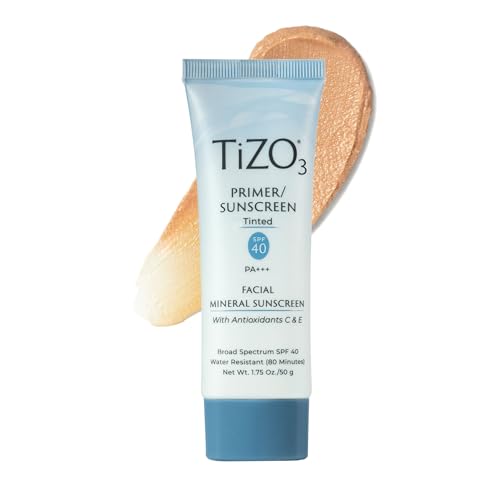
TiZO3 Facial Mineral Sunscreen Tinted SPF 40

Coppertone Sport Mineral Sunscreen Lotion SPF 50

La Roche-Posay Anthelios UVAir Sunscreen Serum SPF 50

La Roche-Posay Anthelios Melt-In Milk Sunscreen SPF 100

UV AOX Elements Tinted Mineral Face Sunscreen SPF 50

La Roche-Posay Anthelios Melt-In Milk Sunscreen SPF 60

La Roche-Posay Anthelios UV Pro-Sport SPF 50

La Roche-Posay Anthelios Mineral Light Fluid Tinted SPF 50
Why These Options Stand Out
Isuyuki’s balm takes a different path from the lotions ahead on this list, leaning on non-nano zinc oxide paired with grass-fed beef tallow and raw honey beeswax for a rich, food-grade feel. The balm texture suits dry or mature skin that struggles with chalky mineral filters, and the SPF 50 rating holds up against daily UV exposure.
For melasma, the appeal sits in the ingredient list: physical UV blockers without chemical filters, plus a fatty base that supports a compromised skin barrier. The honest read is that the balm format takes warming between fingertips before it melts into a usable film.
Practical Advantages
- Non-nano zinc oxide provides broad-spectrum coverage the moment it touches skin
- Tallow and beeswax base nourishes dry, barrier-compromised complexions
- No chemical UV filters, ideal for reactive pigment-prone skin
- Compact 80g tin travels easily in a tote or desk drawer
- Functions as a balm-style moisturizer plus SPF in one step
Things To Consider
- Beef tallow scent can linger, which may bother sensitive noses
- Balm format leaves a heavier film than a fluid, so oily skin may find it slick
- Smaller 80g size runs out faster for full-face daily wear
Who It Suits Best
Shoppers who prefer minimalist, food-grade skincare and want one balm that covers UV plus deep moisturizing without chemical actives.
Look Elsewhere When
The TiZO3 Facial Mineral Sunscreen Tinted SPF 40 is the smarter pick for anyone who wears makeup daily and wants a sheer, matte primer base.
TiZO3 reads like a primer-sunscreen hybrid built specifically for faces that refuse to tolerate heavy mineral paste. The PA+++ rating signals strong UVA protection (the longer wavelength rays that aggravate melasma year-round), and the sheer tint evens out tone without veering into foundation territory.
Compared to the Isuyuki balm above, this formula skips the fatty richness and lands somewhere between skincare and color correction. Melasma patches that read pink or grey against surrounding skin tend to blend into a more uniform finish without an extra concealer step.
A Few Highlights
- Sheer tint evens melasma patches while protecting with SPF 40
- Silky matte finish sits smoothly under foundation or powder
- Reef-friendly formula free from chemical UV filters and oils
- Water-resistant for up to 80 minutes in active conditions
- Fragrance-free, dye-free, and preservative-free for reactive skin
Worth Noting
- Single tint shade may not flatter very deep or very fair undertones
- SPF 40 falls short of the SPF 50 options for severe burn risk
Key Product Details
Made For
Office workers and commuters who wear light makeup and want a tinted mineral SPF that doubles as a smoothing primer.
Skip It When
The UV AOX Elements Tinted Mineral Face Sunscreen SPF 50 offers medium coverage and a higher SPF for melasma patches that need more concealing.
Coppertone’s Sport Mineral lands on the list as the dependable body option for runners, swimmers, and outdoor athletes dealing with melasma on the neck, chest, or arms. The 5 fl oz bottle and zinc oxide base make it a practical grab for the gym bag rather than the vanity.
Where TiZO3 above handles the face with a silky primer finish, this lotion handles everything below the chin without fuss. Melasma that extends onto the forearms from driving or gardening benefits from the same broad-spectrum mineral protection without resorting to chemical filters.
Points In Its Favor
- 100% naturally sourced zinc oxide filters out chemical actives
- Sport formula holds up during sweaty, high-exertion sessions
- Recognizable brand with deep retail availability for easy repurchase
- 5 fl oz bottle covers face and body without constant refills
Trade Offs
- Mineral filters leave a visible white cast on medium to deep skin tones
- Sport fragrance may irritate facial skin near the melasma patches
- Lotion texture can pill under foundation if layered on the face
Right Fit For
Active folks who need mineral coverage for outdoor training, hiking, and pool sessions beyond what facial fluids offer.
A Better Fit Elsewhere
The La Roche-Posay Anthelios UV Pro-Sport SPF 50 gives athletes a sweat-resistant invisible finish when the white cast becomes a dealbreaker.
The Anthelios UVAir serum pivots away from the typical mineral cream, landing as a featherweight serum that disappears into skin. It pairs SPF 50 with hyaluronic acid, the humectant that pulls water into the surface, so hydration and UV protection happen in the same step.
For melasma-prone skin, the breathable texture matters because heavy mineral pastes often clog pores around pigment patches where users apply extra layers. This formula skips that weight issue and leaves no residue in facial hair or beard stubble.
Strong Points
- Serum texture vanishes on contact, leaving no chalky cast
- Hyaluronic acid adds a hydration layer under the UV filters
- Antioxidant blend buffers pollution and blue light exposure
- Suitable across a wide range of skin tones without ashen patches
- Plays well under foundation, concealer, and tinted moisturizers
Small Caveats
- Serum spread can tempt users to apply too little for full SPF coverage
- Smaller bottle runs out faster than lotion formats
Quick Facts
Best Suited To
Melasma patients who hate the greasy, pasty feel of typical mineral creams and want a serum that disappears under makeup.
Reach For A Different Pick When
The La Roche-Posay Anthelios Melt-In Milk Sunscreen SPF 100 is the stronger choice for skin that burns easily and craves maximum protection.
SPF 100 is the ceiling La Roche-Posay ships for skin that burns easily, and the Melt-In Milk texture is the trade-off that keeps it wearable. It is oxybenzone and octinoxate free, two chemical filters that some pigment-prone users prefer to avoid.
Compared to the UVAir serum above, this format leans into richer hydration and a higher protection floor. Travelers, beach days, and post-procedure skin all benefit from the thicker guard, even though it is heavier on the skin than a serum.
The Case For It
- SPF 100 offers the highest protection tier in the lineup
- Oxybenzone and octinoxate free for reactive complexions
- Doubles as a face and body formula for travel-friendly packing
- Melt-in texture absorbs faster than older mineral milk formulas
Points To Note
- Higher SPF doesn’t extend wear time, so reapplication still matters
- Travel-size bottle empties in under a month for full-body use
Who Should Grab It
Frequent flyers, beach-goers, and anyone whose melasma flares after even brief sun exposure that milder SPFs cannot manage.
Where Another Pick Suits Better
The La Roche-Posay Anthelios Mineral Light Fluid Tinted SPF 50 is the better fit when a sheer tint is desired alongside daily SPF 50 coverage.
The UV AOX Elements lotion handles two jobs at once: SPF 50 mineral protection and a medium-coverage tint that blurs melasma patches on contact. It suits combination, normal, and dry skin types where heavier coverage meets daily hydration needs.
Compared to TiZO3 earlier in the list, this formula goes a step further in pigmentation coverage, which helps when melasma patches read noticeably darker than the surrounding skin. The antioxidant blend adds a buffer against environmental triggers that worsen pigmentation.
Good Reasons To Consider
- Medium tint visibly evens darker melasma patches
- Antioxidants help defend against free radicals that deepen pigment
- Wears smoothly under foundation or on bare skin
- Designed for daily commutes and year-round UV defense
- Avoids the heavy white cast common in untinted mineral lotions
Honest Caveats
- Tint shade range is limited, which can clash with very fair or deep skin tones
- Medium coverage still benefits from spot concealer on stubborn patches
Feature Snapshot
Perfect Match For
Melasma patients who want real coverage without layering foundation, and who prefer one tinted product instead of untinted SPF plus concealer.
Swap It Out When
The La Roche-Posay Anthelios Mineral Light Fluid Tinted SPF 50 is the smarter match when you need multiple tint shades to find a true skin-match.
The SPF 60 Melt-In Milk hits a middle ground between the SPF 100 above and the lighter serums further down the list. Its velvety texture earned industry recognition, and the antioxidant blend supports pigment-prone skin that flares when the barrier is compromised.
For melasma, the practical upside is the water-resistant hold (80 minutes) and the way the formula disappears without greasiness. It suits both face and body, which means one bottle covers a beach morning and the rest of the day.
The Helpful Details
- SPF 60 broad-spectrum coverage above the daily minimum
- Velvety, fast-absorbing texture leaves skin hydrated and smooth
- Water-resistant for up to 80 minutes
- Tested for skin tolerance on sensitive complexions
- Antioxidants add a secondary defense against pigment triggers
Less Ideal Details
- Fragrance present, which can bother ultra-reactive facial skin
- Milk texture still reads richer than serum formats in humid weather
Built With In Mind
Skin that is reactive, easily irritated, and prone to melasma triggered by heat or sweat, and that needs a balance of comfort and high protection.
Not Your Match When
The Coppertone Sport Mineral Sunscreen Lotion SPF 50 is a simpler body-first choice for workouts where the velvety finish is overkill.
The UV Pro-Sport formula tackles the hardest test for mineral sunscreen: staying put through sweat and swimming without leaving a chalky veil. The invisible finish works across all skin tones, which addresses the chief complaint about most mineral sport SPFs.
Where the Coppertone Sport earlier covers body basics, this La Roche-Posay pick handles the face during long outdoor sessions. Heat is one of melasma’s most stubborn triggers, so a sweat-ready formula earns its place for runners, cyclists, and anyone who trains outdoors.
Useful Highlights
- High-endurance hold during sweat and pool sessions
- Invisible, breathable finish that does not flash white
- SPF 50 broad-spectrum coverage for face and body
- Non-greasy feel that works under makeup after a workout
- Suitable across a wide range of skin tones
Practical Considerations
- Still needs reapplication after 80 minutes of water exposure
- Higher price tier than basic mineral lotions
Whose Shelf It Belongs On
Athletes, outdoor workers, and melasma patients whose pigment flares during summer training sessions or heat-heavy commutes.
Consider Something Else When
The TiZO3 Facial Mineral Sunscreen Tinted SPF 40 is the better pick for daily indoor wear when sweat resistance is not a priority.
The Mineral Light Fluid closes the list with five tint shades, a feature that matters more than it sounds for melasma on medium to deep skin tones. The fluid uses titanium dioxide for protection and leaves a tinted matte finish that catches light without sitting heavy.
Compared to TiZO3 earlier, the shade range solves the single-tint limitation that frustrates shoppers outside the fair-to-light range. It also avoids the heavier cream textures common in mineral formulas, so layering feels lighter on already sensitive skin.
What Pays Off
- Five shade options support a true skin match across tones
- Titanium dioxide filter keeps the formula gentle on reactive skin
- SPF 50 broad-spectrum protection for daily UV defense
- Tinted matte finish doubles as light coverage on bare skin days
- Fast-absorbing fluid disappears under makeup
Things To Weigh
- Fluid format feels thinner, so two coats help reach the labeled SPF
- Smaller bottle size means monthly repurchase for daily wearers
Feature Rundown
Who Will Love This
Melasma patients with medium to deep skin tones who have bounced off single-shade mineral tints that read too pale or too orange.
Another Choice May Suit
The UV AOX Elements Tinted Mineral Face Sunscreen SPF 50 is a stronger pick for dry skin that wants medium coverage in a richer lotion.
Choosing Mineral SPF That Actually Works for Melasma
Picking the right mineral sunscreen for melasma is less about chasing the highest SPF and more about the texture, tint, and reapplication habit that fits daily life. The wrong formula gets abandoned in the bathroom drawer, and any sunscreen that sits unused offers zero protection.
SPF Rating vs Real-World Coverage
SPF 30 blocks roughly 97% of UVB rays, while SPF 50 blocks about 98%, and SPF 100 only nudges that up to roughly 99%. That small percentage gap can mislead shoppers into assuming more is always better. The honest read is that SPF 30 to SPF 50 covers most daily needs when applied generously and reapplied every two hours. Higher SPF tiers earn their place for snow sports, tropical travel, or skin that burns within minutes of sun exposure. For melasma, UVA protection (the longer wavelengths that penetrate windows and trigger pigment) matters just as much as UVB, so look for broad-spectrum labeling plus a PA+++ or PPD rating when possible.
Tint, White Cast, and Skin Tone Fit
Zinc oxide and titanium dioxide are physical filters, meaning they sit on top of skin and reflect UV. The trade-off is a chalky white cast on deeper skin tones, which is why tinted mineral sunscreens have become so popular. Tints camouflage melasma patches while the mineral filters do their job underneath. Fair skin often handles untinted formulas without issue, while medium to deep tones usually need a tint that matches the natural undertone. Shopping for shade range matters: a single universal tint rarely flatters the full spectrum of complexions.
Texture and Daily Wearability
The best mineral sunscreen for melasma is the one you actually apply every morning. Heavy pastes often get skipped after the first week, while lightweight serums and fluids tend to last longer in routines. Consider your day: a serum works under makeup at the office, a milk handles beach days, a balm nourishes dry winter skin, and a sweat-resistant formula handles outdoor training. Texture choice shapes long-term consistency, and consistency shapes whether melasma stays under control.
Application Habits That Change Outcomes
Two coats, two fingers, two minutes: that is the rhythm mineral sunscreen demands. Most users under-apply by half, which knocks the effective SPF down significantly. A nickel-sized dollop covers the face, and a shot-glass amount covers the body. Reapplication every two hours matters even more than the initial layer, especially after sweating, swimming, or towel-drying. Mineral formulas sit on the surface, so they wipe away more easily than chemical filters, which is why layering is non-negotiable for melasma-prone skin.
Key Considerations Across These Picks
Where Shoppers Go Wrong
The biggest mistake is choosing an SPF based on the number alone without matching the formula to skin type and lifestyle. A heavy mineral paste on oily skin collects in pores, while a thin serum on dry skin leaves a flaky finish. Another common slip is skipping daily application during winter or cloudy days, since UVA rays penetrate cloud cover and windows year-round. Reapplication is the third weak point: shoppers apply mineral SPF in the morning and forget to layer again after lunch, leaving pigment-prone skin unprotected during peak afternoon UV.
When Paying More Pays Off
Premium mineral sunscreens earn their higher cost through better tint ranges, smoother textures, and added antioxidants that buffer pigment triggers. Spending more makes sense for melasma patients who wear sunscreen every day under makeup, where a smoother base actually changes the routine. Higher-priced formulas also tend to layer without pilling, which is a quiet frustration that often pushes shoppers back to untinted mineral sticks. The upgrade pays off when the formula earns daily-use status instead of sitting in a drawer.
