

Exfoliating toners have earned a permanent spot in modern routines, and lactic acid sits at the center of that shift for good reason. It loosens the dull layer of dead cells sitting on top of your skin without the scratchy intensity that stronger acids can bring, making it approachable for daily use on most skin types. The challenge is that not every toner labeled “exfoliating” actually delivers steady, comfortable results, and ingredient lists can feel like decoding a chemistry exam. This lineup pulls together seven standout formulas worth a closer look, each chosen for a different routine, skin concern, and tolerance level. By the end, you will know which one belongs on your shelf and which to skip.
A Closer Look At The Lineup

The Ordinary Glycolic Acid 7% Exfoliating Toner

Thayers Exfoliating 2% AHA Toner Pads 60 Count

Thayers 2% AHA Exfoliating Toner 12 Fl Oz

Paula’s Choice Resist Replenishing Face Toner 4 Fl Oz
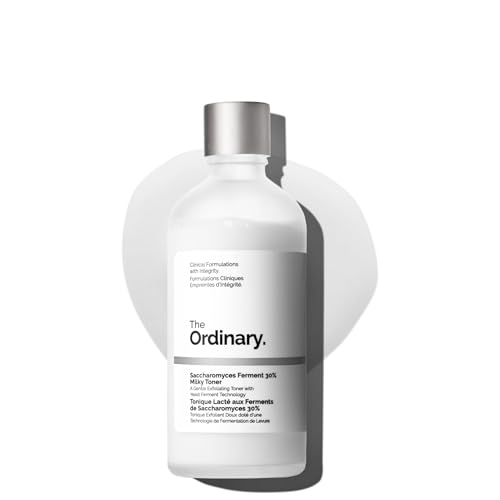
The Ordinary Saccharomyces Ferment 30% Milky Toner 3.4 Fl Oz

medicube Zero Pore Pad 2.0 Toner Pads

Paula’s Choice Niacinamide Face Toner for Oily Skin
Inside Each Recommended Option
Few exfoliating toners have reshaped a category the way this one did. The Ordinary’s Glycolic Acid 7% Toner became the entry point for an entire generation of routine-builders, and the formula has stayed largely the same for years. At 7% glycolic acid (a water-soluble alpha hydroxy acid derived from sugar cane that loosens the bonds between dead skin cells), it sits in a sweet spot between noticeable and punishing.
Where it shines is texture refinement. With regular evening use, the surface of the skin looks more even and feels smoother to the touch. The water-based formula layers easily under serums and moisturizers, and the bottle is wide-mouthed enough that a cotton pad picks up the right amount without waste. People building their first acid routine tend to reach for this one, and it remains a benchmark that newer formulas get compared against.
Positive Points
- Accessible price per ounce, making consistent daily use realistic.
- Glycolic acid at 7% is a textbook concentration for visible smoothing without extreme irritation.
- Lightweight, fast-absorbing texture that layers under other steps.
- Wide range of secondary uses, including as a scalp refresh for buildup.
- Stable, minimalist formula free from fragrance and heavy oils.
Things To Consider
- Contains no lactic acid specifically, so it leans harder than the gentler options later in this list.
- Sunscreen becomes non-negotiable the morning after use, since AHAs increase sun sensitivity.
- Owners with very reactive skin sometimes report mild stinging during the first week of use.
Who It Suits Best
Beginners building their first acid routine and anyone who wants visible texture refinement without committing to a premium price tag.
Consider Something Else When
If your skin runs dry or reactive, the Thayers 2% AHA Exfoliating Toner offers a noticeably softer entry point.
Toner pads trade a little flexibility for a lot of convenience, and these Thayers pads lean into that trade hard. Each pre-soaked pad carries a measured dose of 2% AHA (a blend of glycolic and lactic acids), so there is no guesswork about how much to pour. The dual-sided design gives you a smooth side for sweeping across the face and a textured side for targeted work on the nose, chin, and inner cheek areas.
For people who travel or who simply forget to grab a cotton pad on busy nights, the format removes friction from the routine. The jar stays sealed and the pads stay saturated through the full 60-count run, assuming you close the lid firmly after each use. Compared to the liquid Thayers formula covered next, these pads feel more like a targeted treatment than a daily swipe.
Practical Pluses
- Pre-soaked pads remove the need for cotton rounds and extra product measurement.
- Dual-sided design handles both broad application and concentrated work in one step.
- Jar format travels well and keeps ingredients stable between uses.
- Lower 2% AHA concentration suits skin that finds 7% formulas too aggressive.
Worth Noting
- Pre-soaked pads can dry out if the lid is left loose, so consistent sealing matters.
- Pads generate more packaging waste than a refillable liquid bottle.
- The textured side can feel abrasive on freshly shaved or sensitized skin.
Right Fit For
Travelers, busy parents, and anyone who wants a foolproof, no-extra-tools step in their evening routine.
Look Elsewhere When
If you prefer a low-waste liquid format, the Thayers 2% AHA Toner in the next slot gives you the same gentle acid blend in a bottle.
Where the pads trade format for simplicity, this liquid version of the Thayers formula trades up on flexibility. The 2% AHA blend pairs glycolic and lactic acids with the brand’s certified organic witch hazel base, which has been a Thayers signature for generations. The result is a toner that feels calming on contact rather than clinical.
This is the bottle most people picture when they think of a daily-use AHA toner. The 12 fl oz size lasts comfortably across several months of twice-daily use, and the alcohol-free formula avoids the tight, stripped finish that harsher toners can leave behind. For sensitive and combination skin types who still want measurable resurfacing, this is a comfortable middle ground.
Key Advantages
- Gentle 2% AHA concentration supports daily use without overwhelming sensitive skin.
- Alcohol-free, non-comedogenic formula reduces the risk of dryness or breakouts.
- Witch hazel base adds a soothing, traditional toning element to the acid blend.
- Large 12 fl oz bottle offers strong value per use for daily applicators.
Minor Gripes
- Lactic acid is present but not the headliner, so results come on more gradually than with acid-forward formulas.
- Liquid format requires cotton pads or careful pouring for clean application.
Feature Snapshot
Who Should Grab It
Sensitive and combination skin types who want the benefits of an AHA without the sting of higher-percentage formulas.
A Better Fit Elsewhere
People targeting visible dark spots may prefer The Ordinary Saccharomyces Ferment 30% Milky Toner for its brightening focus.
The Resist line sits at the more thoughtful end of the Paula’s Choice range, and this toner shows why. Rather than leading with a strong acid, it builds around omega fatty acids, plant oils, and antioxidants designed to replenish skin that is already showing the first signs of aging or dryness. Think of it as a hydrating bridge between cleansing and treatment.
It does not exfoliate the way glycolic or lactic acid toners do. Instead, it preps the skin so the serums layered on top absorb better and feel more comfortable. For routines centered around retinol or peptides, this toner plays a supporting role that prevents the tightness and flaking those actives can cause. People with mature or dryness-prone skin tend to slot it in as a comfort step.
A Few Highlights
- Omega-rich formula supports the skin barrier while prepping for actives.
- Antioxidant blend helps buffer skin against environmental stress.
- Plays well under retinol, vitamin C, and peptide serums without pilling.
- 4 fl oz size suits a multi-step routine where a little product goes a long way.
Points To Note
- Not a true exfoliating toner, so anyone seeking active resurfacing will need an additional step.
- The richer texture can feel like too much on hot, humid days or for very oily skin types.
- Smaller bottle size means refills come up sooner than with larger toners.
Made For
Mature and dryness-prone skin that wants a hydrating prep step layered into a multi-actives routine.
Reach For A Different Pick When
People whose main concern is active exfoliation will get more visible results from The Ordinary Glycolic Acid 7% Toner.
Some skin types react to acids at any concentration, and that is exactly the gap this milky toner aims to fill. Rather than leaning on glycolic or lactic acid, it uses saccharomyces ferment (a yeast-derived active) at 30% along with N-acetylglucosamine to deliver surface-level resurfacing through a completely different pathway.
The texture is part of the appeal. It pours out milky and absorbent, then leaves the skin looking plumper and feeling noticeably softer. Dry and reactive skin types tend to tolerate this formula far better than traditional acid toners, and it doubles as a hydration step in routines where moisture retention is the priority. The clinical testing referenced around dark-spot appearance makes it a useful option for uneven tone too.
Useful Touches
- Acid-free resurfacing route works well for skin that finds traditional AHAs too harsh.
- N-acetylglucosamine supports brightening and visible dark-spot reduction over time.
- Milky, hydrating texture layers cleanly under serums and moisturizers.
- Boosts barrier comfort in routines built around retinol or other sensitizing actives.
Honest Caveats
- Resurfacing results build more gradually than with direct acid toners.
- 3.4 fl oz bottle runs out faster than the larger 12 fl oz options on this list.
Quick Facts
Best Suited To
Dry, reactive, and sensitive skin types who want gentle resurfacing paired with real hydration.
Swap It Out When
Anyone who wants the strongest possible exfoliating effect will get faster results from the Thayers pads or the Ordinary Glycolic Acid toner.
Pore-focused routines tend to need a different toolkit than general texture work, and the medicube Zero Pore Pad 2.0 is built with that in mind. The active lineup centers on white willow bark, which delivers a natural source of BHA (beta hydroxy acid, an oil-soluble exfoliant that works inside the pore rather than across the surface) along with citric acid from the AHA family. The combination clears congestion while still smoothing the surface.
The pad format follows the same convenience playbook as the Thayers option, but the experience feels noticeably different. The medicube pads sit firmly on the BHA side of the spectrum, which means oily and combination skin types tend to get more visible refinement around the T-zone and chin. People dealing with visible pores and mid-day shine tend to reach for this one when gentler AHA toners feel like they are not doing enough.
Notable Gains
- White willow bark provides a natural BHA route that works inside the pore lining.
- Citric acid adds surface-level AHA smoothing on top of pore work.
- Pre-soaked pads remove the need for cotton rounds and separate product steps.
- Lavender and botanical extracts add a calming finish to the exfoliating step.
Possible Compromises
- BHA-driven formula can feel drying on skin that is already tight or dehydrated.
- Pore-targeted pads tend to be more expensive per use than larger liquid toners.
- The textured pad surface may be too much for skin experiencing active sensitivity or sunburn.
Feature Card
Whose Shelf It Belongs On
Oily and congestion-prone routines where visible pores and excess sebum are the main concerns.
Where A Sibling Pick Shines
For balanced combination skin without heavy pore concerns, the Thayers 2% AHA Liquid Toner offers a gentler daily alternative.
Closing the lineup is a toner that skips the acid-forward approach entirely and bets on niacinamide instead. Niacinamide (a form of vitamin B3) supports the skin barrier, helps regulate visible oil production, and works alongside antioxidants and ceramides to keep the skin surface calm and balanced. The formula is clearly aimed at combination and oily skin types who want less shine without the dryness that can come with strong exfoliants.
Used daily after cleansing, the toner helps minimize the appearance of enlarged pores and leaves the skin looking more even by mid-day. It also plays well with other Paula’s Choice treatments, including the BHA exfoliants the brand is known for, so it can fit into routines that already include acid steps without overloading the skin. For anyone whose main concern is oil control rather than heavy resurfacing, this is a comfortable daily option.
Strengths Worth Knowing
- Niacinamide helps regulate visible oil production and supports the skin barrier.
- Antioxidants and ceramides round out the formula for balanced, comfortable wear.
- Plays well with other exfoliants, including BHA and AHA treatments.
- Lightweight texture layers cleanly into multi-step routines without pilling.
Less Ideal Details
- Not designed as a primary exfoliant, so texture refinement will be modest on its own.
- People with dry skin may find the oil-control focus less relevant to their main concerns.
Perfect Match For
Combination and oily skin types who want oil regulation and barrier support rather than aggressive resurfacing.
Not Your Match When
Anyone focused on visible texture work or post-breakout marks will likely want The Ordinary Glycolic Acid 7% Toner as a stronger starting point.
What Matters Most Before Choosing a Lactic Acid Toner
Concentration and Acid Strength
The percentage on the label tells you a lot about how aggressive a toner will feel. 2% AHA blends, like the Thayers liquid and pad formulas, are approachable for daily use and work well for sensitive skin. 7% glycolic acid formulas are noticeably stronger and usually call for an every-other-night schedule at the start. For anyone with reactive skin, lower concentrations or acid-free alternatives like the Saccharomyces Ferment toner tend to be the safer starting point.
Formula Type and Supporting Ingredients
The acid is only half the story. Witch hazel bases, niacinamide, ceramides, and plant extracts can completely change how a toner wears on the skin. Hydration-forward formulas, like the Paula’s Choice Resist option, sit closer to an essence than an exfoliant. Knowing whether you want resurfacing, hydration, or oil control will narrow the list fast.
Format: Liquid vs Pads
Liquid toners give you more control over how much product you use and how you apply it. Pads trade some of that flexibility for speed and consistency, which matters on busy nights or when traveling. The trade-off usually comes down to packaging waste and per-use cost, both of which run higher with pads.
Skin Compatibility
Even gentle formulas can clash with active routines. Anyone layering retinol, vitamin C, or multiple exfoliants should pick a toner that complements rather than compounds irritation. Patch-testing a new formula on the jawline for a few nights is the cheapest insurance you can buy.
Key Considerations Across These Picks
Mistakes Worth Dodging
The most common slip is reaching for the strongest acid on the shelf and using it every night from day one. Over-exfoliation shows up as tightness, flaking, and a compromised moisture barrier that takes weeks to rebuild. Starting slower, with two or three nights a week, lets the skin adjust and gives you a clearer picture of how each formula actually performs on your face.
Where The Extra Money Goes
Higher-tier toners tend to invest in supporting ingredients rather than stronger acids. Paula’s Choice Resist, for example, spends its budget on omega fatty acids and antioxidants rather than pushing concentration higher. The upgrade makes sense when barrier support and comfort matter as much as exfoliation, and the trade-off is usually a softer, slower result rather than a stronger one.
Frequently Asked Questions
How often should you use a lactic acid toner?
Most formulas in this category are designed for once or twice daily use, though stronger options like 7% glycolic acid toners often start at two or three nights a week and build up. Sensitive skin tends to do best with every-other-night application at the start.
Can you use a lactic acid toner every day?
Yes, but it depends on concentration and your skin’s tolerance. Gentle 2% AHA blends are usually fine for daily use, while stronger formulas benefit from a slower ramp-up to avoid irritation.
Do you need sunscreen after using acid toners?
Any AHA or BHA toner increases sun sensitivity, so daily sunscreen becomes important the morning after use. Skipping it can undo the brightness gains the toner is working to deliver.
Can you layer niacinamide and acid toners together?
In most routines, yes. Niacinamide is generally well tolerated alongside gentle AHA and BHA formulas, and it can actually help buffer some of the irritation those acids can cause.
How long before you see results from an exfoliating toner?
Surface texture and brightness often shift within the first two to four weeks of consistent use. Dark spots and deeper texture work usually take closer to eight weeks of steady application before the change feels meaningful.
Bottom Line
The right toner depends less on finding the strongest acid and more on matching concentration, format, and supporting ingredients to your skin’s daily reality. Sensitive routines tend to thrive on gentle AHA blends or ferment-led formulas, oily skin benefits from BHA-leaning pads and niacinamide support, and dry or mature skin usually wants hydration-first options that prepare the face for everything layered on top. Pick the one that fits the routine you actually keep, and the results will follow.
