

Lactic acid is an alpha hydroxy acid, or AHA, used to loosen dead surface cells and encourage a smoother-looking complexion. It can suit oily, dry, or uneven-textured skin, but concentration, format, and supporting ingredients matter more than simply finding the highest percentage. This roundup covers face pads, body lotions, peels, and hydrating partners for daily routines.
The Lineup, Simplified

DOUCEWAND Glycolic Acid 10% Resurfacing Pads, 70 Count

Lancer Gentle Exfoliating Pads

La Roche Posay Hyalu B5 Serum

AmLactin Intensive Lotion

AmLactin Calm & Renew
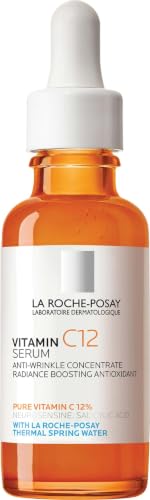
La Roche-Posay Vitamin C Serum

AmLactin Daily Nourish Lotion

ARCONA Raspberry Resurfacing Peel with Lactic, Mandelic and Malic Acids, 2 oz
More Details On Our Top Picks
Texture is the first thing you notice with these pre-soaked pads, and the two-sided design makes that useful. The textured face buffs rough patches, while the smooth side removes residue; glycolic acid and salicylic acid also address surface buildup and oil. For a crowded bathroom shelf, the wide-mouth jar is more substantial than a foil pouch.
You can use the pads on the face, neck, or body, which gives you more control than a dedicated facial exfoliant. The inclusion of niacinamide and hyaluronic acid is thoughtful for someone concerned about exfoliation leaving skin feeling tight, although the 10% glycolic concentration still calls for a measured introduction.
Everyday Perks
- Two surfaces support both physical buffing and smooth wiping.
- Seventy pre-soaked pads reduce the preparation involved in each session.
- Niacinamide and hyaluronic acid complement the acid formulas.
- The cap-mounted tweezer slot helps keep unused pads protected.
Practical Considerations
- The 10% glycolic acid may feel too assertive for a completely new acid user.
- AHA use can increase sun sensitivity, so daytime sunscreen belongs in the plan.
Key Specs
Who It Suits Best
You benefit most from this pick if you want one exfoliating product for both face and body and prefer pre-soaked pads over a cream or scrub.
Where Another Pick Suits Better
Lancer Gentle Exfoliating Pads may suit you better when a lower 7% lactic acid concentration and comfort ingredients matter more than physical buffing.
Compared with DOUCEWAND’s dual-texture approach, Lancer takes a softer route with 7% lactic acid and a formula built around skin comfort. The pads also contain bakuchiol, a plant-derived ingredient often used alongside exfoliants for a more refined routine, plus papaya fruit extract and oatmeal.
These pads make practical sense for evening use after a normal cleanser, especially on skin that appears uneven, rough, or dull. Biodegradable bamboo fibers provide a natural-fiber base, while hydration support makes the treatment easier to pair with a richer moisturizer. The formula feels more measured than the stronger glycolic option, based on its listed concentration.
Positive Takeaways
- Seven-percent lactic acid offers a moderate starting point for facial exfoliation.
- Oatmeal and hyaluronic acid support a comfort-focused routine.
- Papaya extract and bakuchiol complement the exfoliating ingredients.
- The disposable-pad format suits travel and quick evening routines.
Worth Noting
- The 45-count jar may be less useful than DOUCEWAND’s 70-count supply for frequent body use.
- Daily acid use still calls for sun protection because lactic acid can increase sun sensitivity.
Made For
You suit this pick best when you want facial exfoliation with supporting comfort ingredients and a lower listed acid concentration than the 10% pads.
Consider Something Else When
AmLactin Daily Nourish Lotion is the better fit for a body-first routine that combines 12% lactic acid with a substantial moisturizer.
La Roche Posay Hyalu B5 belongs beside your exfoliant rather than in place of it. Pure hyaluronic acid attracts and holds water within skin, while glycerin and vitamin B5 support the formula’s rich, cushiony feel. That makes it a practical morning step after Lancer pads or during a routine built around dehydrated-feeling skin.
The serum is formulated for sensitive skin, which matters when another active has left your face feeling tight. You may notice a smoother, more hydrated surface, but its purpose is moisture rather than exfoliation. For anyone seeking a single bottle to address both texture and dryness, this would be the wrong job for it.
Why It Works Well
- Three hydration-focused ingredients support a plumper skin feel.
- The rich texture suits skin that feels dry after cleansing.
- A serum format layers easily before moisturizer or sunscreen.
- It provides a useful non-exfoliating option for rotation days.
Trade Offs
- It contains no listed lactic acid, so it cannot replace a resurfacing treatment.
- Its richer texture may feel excessive on skin that is naturally oily.
Feature Snapshot
Right Fit For
You benefit most from this serum when dryness is your main concern and you want a hydrating counterweight to a regular exfoliation routine.
Not Your Match When
ARCONA Raspberry Resurfacing Peel is the better choice when your priority is exfoliation, pore appearance, and uneven texture rather than added moisture.
AmLactin Intensive is built for the part of the body that can look rough even after lotion, such as shins, elbows, and knees. Its 15% lactic acid gives it more resurfacing strength than the 12% Daily Nourish lotion, while ceramide 3 supports the skin barrier. You can use the product as a body moisturizer rather than treating it like a rinse-off exfoliant.
For very dry skin, the combination of exfoliation and moisture is the central advantage. The formula is intended to provide immediate comfort and relief that continues through the day, which makes it useful after a shower. You may need to introduce this gradually because the acid level is substantial.
What Helps Most
- Fifteen-percent lactic acid targets persistent body roughness.
- Ceramide 3 adds barrier-supporting care to the lotion.
- The cream format replaces the need for a separate body scrub.
- A 14.1-ounce bottle suits regular use on larger body areas.
Points To Note
- Its higher acid concentration may be more intense than a beginner needs.
- Facial use requires more caution than a cream applied to dry body skin.
Quick Facts
Best Suited To
You suit this lotion best when very dry, rough body skin needs more resurfacing support than a basic daily moisturizer provides.
Look Elsewhere When
AmLactin Calm & Renew is the better fit when comfort and a gentler exfoliating lotion matter more than a high lactic acid concentration.
AmLactin Calm & Renew takes a different approach from Intensive Lotion by pairing lactic acid with ginger root. The lotion is designed for sensitive, dry skin that needs a softer combination of exfoliation and comfort. Its role is practical: smoothing and softening can happen in one body-care step without a separate scrub.
You may find this formula more appealing during seasons when skin feels reactive and dry at the same time. Ginger root complements the acid with a calming ingredient, while the lotion base keeps the focus on moisture. It also avoids the textured application of DOUCEWAND pads, which matters for areas where buffing feels unnecessary.
Practical Advantages
- Lactic acid exfoliates while the lotion base provides moisture.
- Ginger root supports the formula’s comfort-focused positioning.
- The 14.1-ounce size suits regular application over the body.
- A cream format offers easier coverage than a treatment pad.
Softer Spots
- No lactic acid percentage is listed, so the strength is difficult to compare precisely.
- People seeking a clearly defined high-strength body exfoliant may prefer AmLactin Intensive Lotion.
Who Will Love This
You suit this lotion best when dry skin needs a soothing lotion with mild exfoliation rather than an intense resurfacing treatment.
A Better Fit Elsewhere
La Roche Posay Hyalu B5 Serum is the better fit for facial dryness and hydration because its formulation is designed specifically for the face.
La Roche-Posay Vitamin C Serum broadens the routine beyond lactic acid. It combines 12% vitamin C with hyaluronic acid, while a salicylic acid option targets oil and surface congestion. For someone alternating an exfoliant with radiance-focused care, the two formulas give you a choice based on what your skin appears to need that day.
The serum is positioned for uneven tone, visible fine lines, and dull-looking skin, with a format suitable for sensitive skin. Hyaluronic acid adds hydration, which helps the vitamin C step feel less like a separate active treatment. You can use it as a morning serum after cleansing and before moisturizer.
Notable Upsides
- Twelve-percent vitamin C serves as the formula’s central active.
- Hyaluronic acid adds moisture to the treatment step.
- A salicylic acid version suits oil and congestion concerns.
- Two formulas allow a more targeted morning choice.
A Few Limitations
- It contains no listed lactic acid, so it does not directly replace a lactic treatment.
- Using vitamin C alongside a separate acid can make your routine more complex.
Core Details
Built With In Mind
You benefit most from this serum when radiance, uneven tone, and hydration belong on your priority list alongside exfoliation.
Skip It When
AmLactin Daily Nourish Lotion is the better option when your entire routine needs to center on body moisturizing and 12% lactic acid.
Daily Nourish sits between the two more specialized AmLactin lotions. Its 12% lactic acid provides surface exfoliation, while the moisturizer handles the dryness that often accompanies rough body skin. That balance makes it useful for the everyday person who wants smoother skin without assembling a separate exfoliating scrub and body cream.
Compared with AmLactin Intensive Lotion, the listed concentration is lower, which may suit a more gradual approach. The 14.1-ounce bottle also has enough volume for regular use across the body. Your shower routine can stay simple: cleanse, apply, and allow the lotion to absorb before dressing.
A Few Highlights
- Twelve-percent lactic acid offers a defined body exfoliation level.
- Moisturizing action supports dry skin during the same step.
- The no-scrub approach suits areas where abrasive rubbing is unwelcome.
- Daily use is straightforward for a consistent body routine.
Details To Watch
- It may not provide the same resurfining emphasis as AmLactin Intensive Lotion.
- Applying it immediately after shaving or other physical irritation can be uncomfortable for some people.
The Right Fit
You suit this lotion best when a daily body moisturizer needs enough lactic acid to also address roughness and dull texture.
Another Choice May Suit
DOUCEWAND Glycolic Acid 10% Resurfacing Pads suit you better when you want separate pads for targeted face and body exfoliation.
ARCONA offers the most specialized facial treatment in this group. Its three hydroxy acids are lactic, mandelic, and malic acid, each contributing to the resurfacing blend, while fruit extracts and green tea add antioxidant-rich ingredients. The result is positioned for uneven texture, visible pores, congestion, and changes in tone associated with sun exposure or aging.
At two ounces, the jar is compact compared with body lotions and practical for a home treatment. It may suit a weekend skincare session better than a daily quick step, especially compared with Lancer’s disposable pads. Several active ingredients mean you should introduce the peel with care and avoid layering it with another strong treatment on the same evening.
What It Does Well
- Three acids provide a more complex resurfacing blend.
- Raspberry, grape seed, green tea, and lycopene extracts complement the acids.
- The cream-based peel suits a dedicated home treatment ritual.
- A two-ounce jar is easy to store and travel with.
Small Caveats
- Its multi-acid formula is less straightforward for a first-time exfoliant user.
- The compact jar may finish slowly when you are applying it over the face and neck.
The Numbers That Matter
Whose Shelf It Belongs On
You suit this peel best when you want a concentrated, multi-acid facial treatment for texture, congestion, and uneven-looking tone.
Reach For A Different Pick When
Lancer Gentle Exfoliating Pads are the better fit for an easier daily format with a specified 7% lactic acid concentration.
How To Match Lactic Acid To Your Skin Routine
Concentration And Skin Comfort
A higher percentage is not automatically a better formula. DOUCEWAND uses 10% glycolic acid, while Lancer uses 7% lactic acid and adds oatmeal, bakuchiol, and hydration support. You benefit from a stronger concentration when your skin already tolerates exfoliation and your main concern involves stubborn texture or body roughness.
Format And Placement
Pads suit quick, disposable applications, especially during travel or a busy evening. Lotions work better for large body areas because they combine exfoliation with moisture and do not require rubbing a pad over each section. ARCONA’s cream peel makes the most sense as a focused home treatment rather than a hurried step.
Moisture Balance
Lactic acid can work alongside hydration, but it does not make dryness irrelevant. La Roche Posay Hyalu B5 provides a moisture-focused serum for skin that feels depleted, while the AmLactin lotions pair exfoliation with body conditioning. Check whether your routine already includes a moisturizer before adding another active.
Introducing One Active At A Time
Introduce one exfoliating product into your routine at a time so you can observe how your skin responds. Lactic and glycolic acids can increase sun sensitivity, making daily sunscreen an important part of the plan. Avoid applying several resurfacing treatments in the same session, especially during your first few weeks.
Before You Add Another Active
Mistakes Worth Dodging
The most common mistake is treating every rough patch like it needs more intensity. Texture can come from dryness, buildup, or ordinary skin renewal, and a strong formula will not address all three equally. Another mistake is using a body lotion on the face without checking its intended use and listed acid strength.
What Separates Premium From Basic
Higher-priced options often invest in a broader active blend, steadier formulas, or more convenient packaging. The practical upgrade comes from using a product that fits your routine consistently, whether that means hydration alongside exfoliation or a pad designed for both face and body.
Final Verdict
The right lactic acid treatment depends on where you use it and how much exfoliation your routine already contains. Face pads offer convenience, body lotions prioritize moisture, and multi-acid peels serve more targeted resurfacing needs. Start with the format that fits your habits, then choose the concentration that matches your comfort level.
